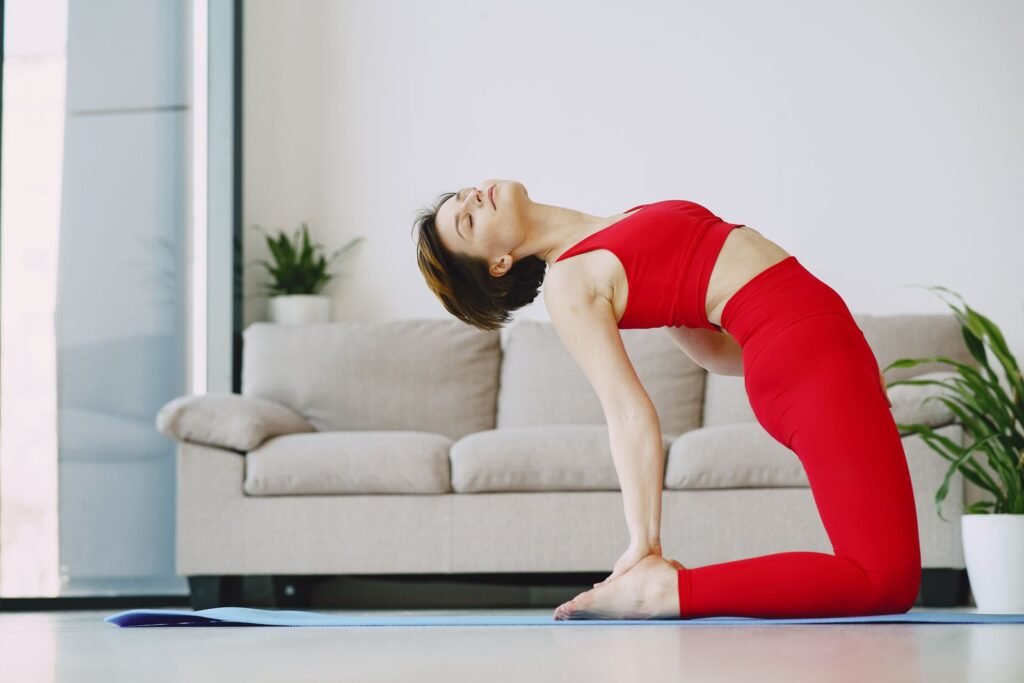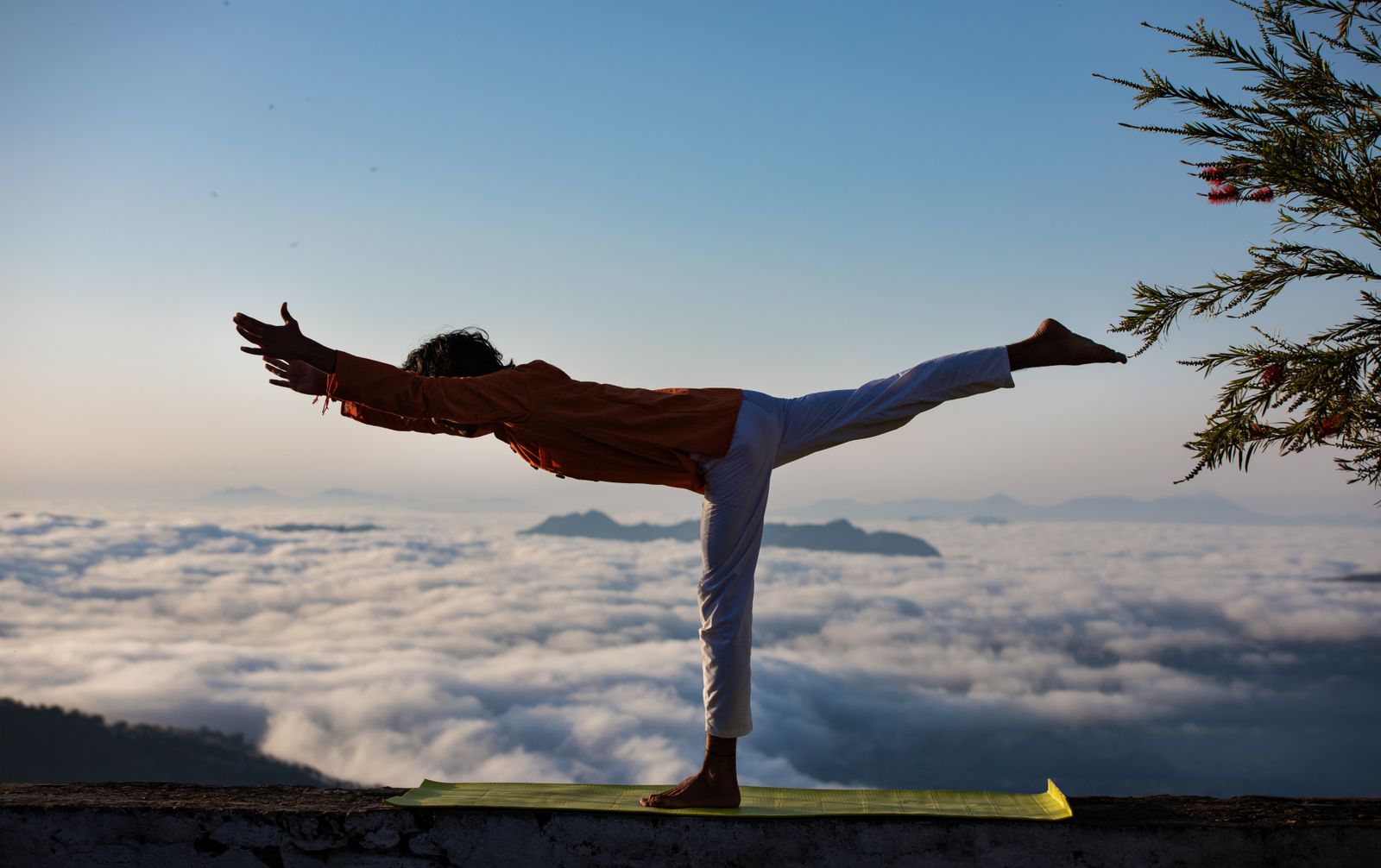
Yoga for stamina works by combining sustained postures, controlled breathing, and sequenced flows that train your muscles and cardiovascular system to work efficiently under fatigue. Poses like Warrior I, Warrior II, Chair Pose, and Boat Pose build muscular endurance by holding isometric tension for 30-60 seconds, while pranayama techniques such as Kapalabhati and Bhastrika train your lungs to use oxygen more efficiently. Unlike short bursts of high-intensity exercise, yoga builds stamina gradually by improving breath control, mental focus, and the ability to stay steady under physical strain — three factors that directly determine how long you can sustain effort before you tire.
What Does “Stamina” Actually Mean in a Yoga Context?
Stamina is your body’s capacity to sustain physical or mental effort over an extended period without excessive fatigue. It has two components: cardiovascular stamina (how efficiently your heart and lungs deliver oxygen to working muscles) and muscular endurance (how long a muscle group can keep contracting before it fails). Most fitness routines chase one or the other — cardio machines target the first, weight training targets the second. Yoga is one of the few practices that trains both simultaneously, because a single vinyasa flow demands steady breathing (cardiovascular) while holding poses like Plank or Chair Pose (muscular). If you’re also working on yoga for weight loss, the stamina gains you build here compound directly into longer, more effective sessions.
Why Choose Yoga Over Cardio for Building Stamina?
Cardio machines build stamina through repetition; yoga builds it through control. A treadmill session raises your heart rate and keeps it there, but it doesn’t teach you to manage your breath when your muscles are shaking, which is the exact skill that determines whether you push through the last few reps of any workout or quit early. Yoga asanas to increase stamina work by pairing physical exertion with deliberate, slow breathing, so your nervous system learns to stay calm under load instead of panicking and burning through oxygen faster. This is also gentler on joints than running or high-impact interval training, which makes it sustainable for people recovering from injury, managing weight, or simply starting an endurance-building habit for the first time. It pairs well with structural work like yoga for flexibility and yoga for posture, since poor flexibility and poor posture both waste energy that could otherwise go toward endurance.
Which Yoga Asanas Build Stamina Fastest?
Not every pose contributes equally to stamina. The most effective ones share a common trait: they force a major muscle group to hold tension for an extended time while you keep breathing steadily.
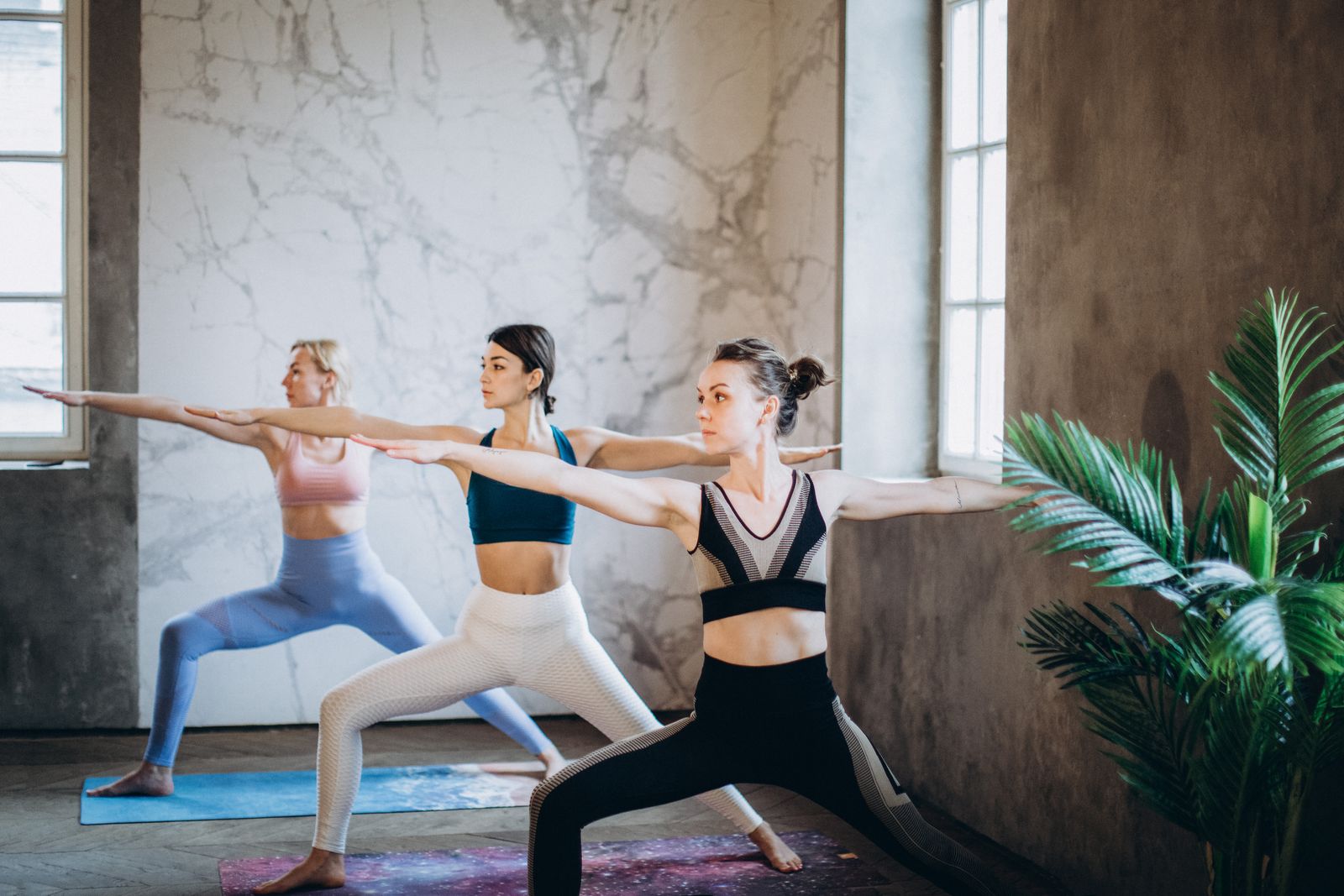
- Warrior I and Warrior II (Virabhadrasana I & II): Deep lunges held for 30-60 seconds that build endurance in the quadriceps, glutes, and shoulders while training steady diaphragmatic breathing under load.
- Chair Pose (Utkatasana): An isometric squat that burns through the legs quickly and teaches you to keep breathing evenly instead of holding your breath through discomfort.
- Boat Pose (Navasana): A core-stamina builder that also strengthens the hip flexors, both of which support almost every other endurance activity.
- Plank and Side Plank: Full-body isometric holds that build the shoulder and core endurance needed for longer yoga sequences and for daily activities that involve carrying or pushing.
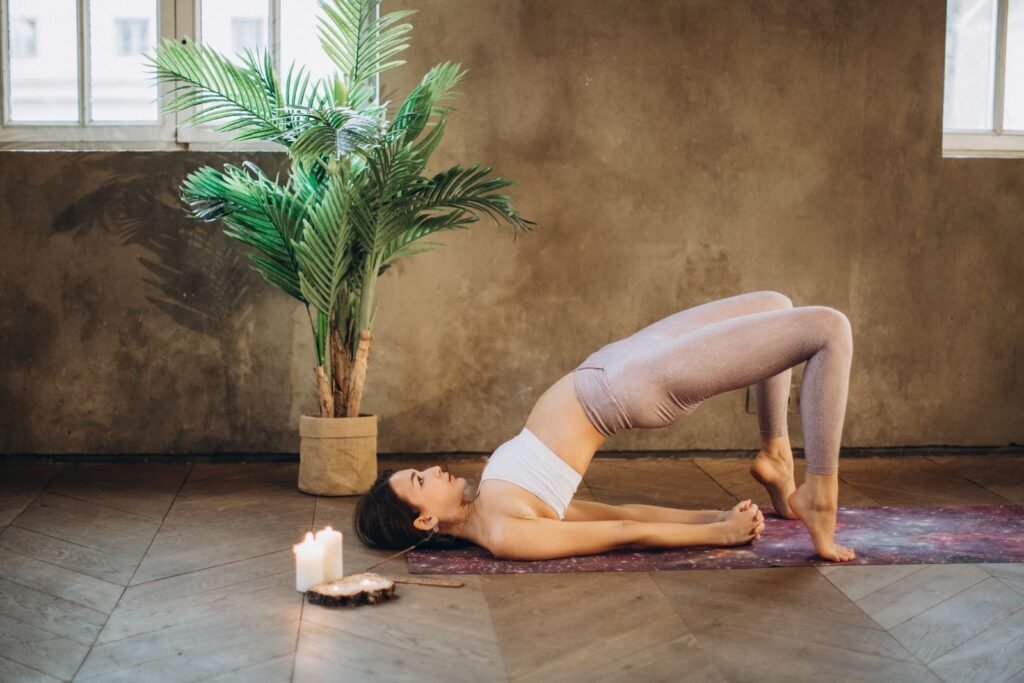
- Bridge Pose (Setu Bandhasana): Builds glute and hamstring endurance while opening the chest, which supports deeper breathing during exertion.
Practicing these together as a circuit, rather than as isolated stretches, is what makes a sequence genuinely qualify as yoga to increase stamina rather than a general flexibility routine.
Can Sun Salutations Actually Improve Endurance?
Yes. Surya Namaskar (Sun Salutation) is widely considered one of the most efficient yoga for energy and stamina practices because it links twelve poses into one continuous, breath-synchronized flow. Each round moves you through forward folds, plank, upward dog, and downward dog without pausing, which mimics the sustained, rhythmic demand of running or swimming far more closely than a static pose held in isolation. Beginners typically start with 3-5 rounds and build toward 15-20 rounds over several weeks, a gradual progression that trains both muscular endurance and breath efficiency at the same time. Because it’s a full-body sequence, Sun Salutations also complement goals like yoga to increase height in younger practitioners, since the same spinal lengthening and joint mobility that support height also support a longer, more efficient stride and reach.
How Does Pranayama (Breath Control) Increase Stamina?
Pranayama trains your respiratory muscles and your nervous system’s response to physical stress, which is a large part of what limits stamina in untrained people. Kapalabhati (skull-shining breath) and Bhastrika (bellows breath) are the two techniques most often recommended for stamina because they actively strengthen the diaphragm and intercostal muscles through forceful, rhythmic exhalation. Some smaller studies on yogic breathing practices have suggested improvements in ventilation efficiency and running economy after a few weeks of consistent practice, though results vary by individual and study design, so it’s best understood as a genuine, but gradually building, contributor rather than an instant fix. Nadi Shodhana (alternate nostril breathing) is gentler and better suited to calming the nervous system before or after stamina work, which matters because an anxious, shallow breathing pattern burns through your oxygen reserve far faster than a slow, controlled one.
What Is a Good Weekly Yoga Routine for Building Stamina?
Consistency matters more than intensity when the goal is best yoga to increase stamina results over time. A practical structure for most beginners looks like this:
- Days 1, 3, 5: 20-30 minutes of Sun Salutations plus a standing-pose sequence (Warrior I, Warrior II, Chair Pose) held for 30-45 seconds each side.
- Days 2, 4: A slower, breath-focused session combining Boat Pose, Plank, and Bridge Pose with 5-10 minutes of Kapalabhati or Bhastrika pranayama.
- Day 6: A restorative or gentle flow session to allow muscle recovery, since stamina gains happen during rest as much as during practice.
- Day 7: Full rest or light stretching.
Most practitioners notice a difference in how long they can hold poses without shaking within 3-4 weeks, with more significant cardiovascular stamina improvements appearing after 8-12 weeks of consistent practice, which lines up with general exercise-physiology timelines for adaptation.
Does Yoga for Stamina Work for Athletes and Sports Performance?
Yes, and this is one of the more underused applications of yoga. Runners, cyclists, swimmers, and team-sport athletes use yoga not to replace their sport-specific training but to extend how long they can sustain effort within it. The isometric holds in poses like Warrior II directly train the same slow-twitch muscle fibers responsible for endurance, while pranayama practice improves an athlete’s ability to control breathing rate under fatigue instead of hyperventilating. Many athletes also find that improved hip and shoulder mobility from a regular practice reduces the energy wasted on inefficient movement patterns, meaning more of their stamina goes toward performance instead of compensating for tightness. This overlaps closely with goals covered in benefits of yoga and with strength-focused routines like yoga for strength.
How Does Yoga for Stamina Differ From Yoga for Weight Loss?
Stamina-focused yoga and weight-loss-focused yoga overlap heavily but aren’t identical. Weight loss programs typically prioritize higher-repetition, calorie-burning flows like Vinyasa or Power Yoga, while stamina-building sequences prioritize longer holds and controlled breathing over pace. That said, the two goals reinforce each other well: better stamina lets you sustain a weight-loss-oriented practice for longer without burning out, and the muscle you build while training stamina raises your resting metabolic rate. If your primary goal is fat loss, start with the sequences outlined in yoga for weight loss and layer in the stamina-building holds from this guide two or three times a week.
What Mistakes Slow Down Stamina Progress in Yoga?
The most common mistake is holding your breath during isometric poses. When a pose gets uncomfortable, the instinct is to tense up and stop breathing, which is exactly the opposite of what builds stamina — it starves your muscles of oxygen and makes fatigue arrive faster. A second common error is skipping the breath-focused pranayama sessions because they feel less physically demanding than the poses; this is where a large part of the cardiovascular adaptation actually happens. Third, practicing inconsistently and expecting fast results works against the body’s adaptation timeline, since muscular and respiratory endurance both build gradually over weeks, not days. Finally, ignoring alignment in poses like Chair Pose or Plank wastes energy on compensating muscles instead of the target muscle group, which is closely related to the alignment issues covered in yoga for posture.
How Does Diet Affect Stamina Gains From Yoga?
Yoga trains your body’s capacity to use oxygen and sustain muscular contraction, but the fuel for that system still comes from food. Adequate carbohydrate intake supports the glycogen stores your muscles draw on during longer holds and flows, while sufficient protein supports the muscle repair that happens between sessions. Hydration is especially relevant to stamina because even mild dehydration measurably reduces endurance capacity and increases perceived effort during exercise. Practitioners combining yoga with other goals, such as those following yoga to increase height routines for teenagers, should pay particular attention to overall nutrition, since growth and endurance both depend on the same underlying resources.
Is Hot Yoga Better Than Regular Yoga for Building Stamina?
Hot yoga (typically practiced at 90-105°F) can accelerate perceived cardiovascular demand because your heart works harder to cool the body while you move through poses, but it isn’t automatically superior for stamina building. The heat increases sweat rate and heart rate, which some practitioners interpret as a tougher workout, but it also raises the risk of dehydration and doesn’t necessarily translate into better stamina in normal-temperature conditions, which is where most sport and daily-life stamina actually gets tested. For most beginners, a consistent room-temperature practice that steadily increases hold times and pranayama duration builds more reliable, transferable stamina than occasional hot yoga sessions.
How Does Yoga for Stamina Connect to Overall Yoga Philosophy?
Traditional yoga texts describe stamina-building not as an isolated fitness goal but as one benefit of steady, disciplined practice (abhyasa) combined with non-attachment to immediate results (vairagya). This framing matters practically: practitioners who treat stamina-building as a slow, cumulative process tend to stick with the practice longer than those chasing quick results, and consistency is the single biggest predictor of actual stamina gains. This same principle underlies related practices like pranayama for beginners and meditation for beginners, both of which train the same patience and breath awareness that stamina-focused asana practice depends on.
Questions People Ask About Yoga for Stamina
How long does it take for yoga to improve stamina?
Most beginners notice they can hold poses longer without shaking within 3-4 weeks of consistent practice. More noticeable cardiovascular stamina improvements, such as feeling less breathless during daily activities, typically appear after 8-12 weeks of practicing 3-5 times per week, consistent with general exercise adaptation timelines.
Can beginners do yoga for stamina, or is it only for advanced practitioners?
Beginners can absolutely build stamina through yoga. Start with shorter holds (15-20 seconds) in poses like Chair Pose and Warrior I, and shorter Sun Salutation rounds (3-5), gradually increasing duration and repetitions as your muscular and breath endurance improve over several weeks.
Which is better for stamina: yoga or running?
They train different things. Running primarily builds cardiovascular stamina through repetitive impact; yoga builds a combination of muscular endurance and breath control with less joint stress. Many athletes use both together, since yoga’s breath training often improves running economy and recovery.
How many times a week should I practice yoga to increase stamina?
Four to six sessions per week, alternating between active flows (Sun Salutations, standing poses) and breath-focused pranayama sessions, produces the most consistent stamina gains. Fewer than three sessions a week significantly slows the adaptation timeline.
Does yoga for stamina help with everyday fatigue, not just exercise?
Yes. The same muscular and respiratory endurance that helps you hold a longer plank also reduces how quickly you tire during daily tasks like climbing stairs or carrying groceries, because both draw on the same cardiovascular and muscular systems yoga trains.
Can pranayama alone build stamina without doing yoga poses?
Pranayama alone improves breath control and respiratory efficiency, which is one major component of stamina, but pairing it with stamina-building asanas like Warrior Pose and Boat Pose addresses the muscular endurance component that breathing exercises alone don’t train.
Try This for Yourself
Reading about yoga for stamina only goes so far — the actual endurance gains come from consistent, guided practice. If you want a structured routine with proper alignment cues and breathing guidance built in, join a live online yoga class and start building real stamina with expert guidance from wherever you are.
Related reading: yoga for weight loss, yoga for flexibility, yoga for posture, types of yoga, and explore our online yoga classes to build stamina with live instructor support.