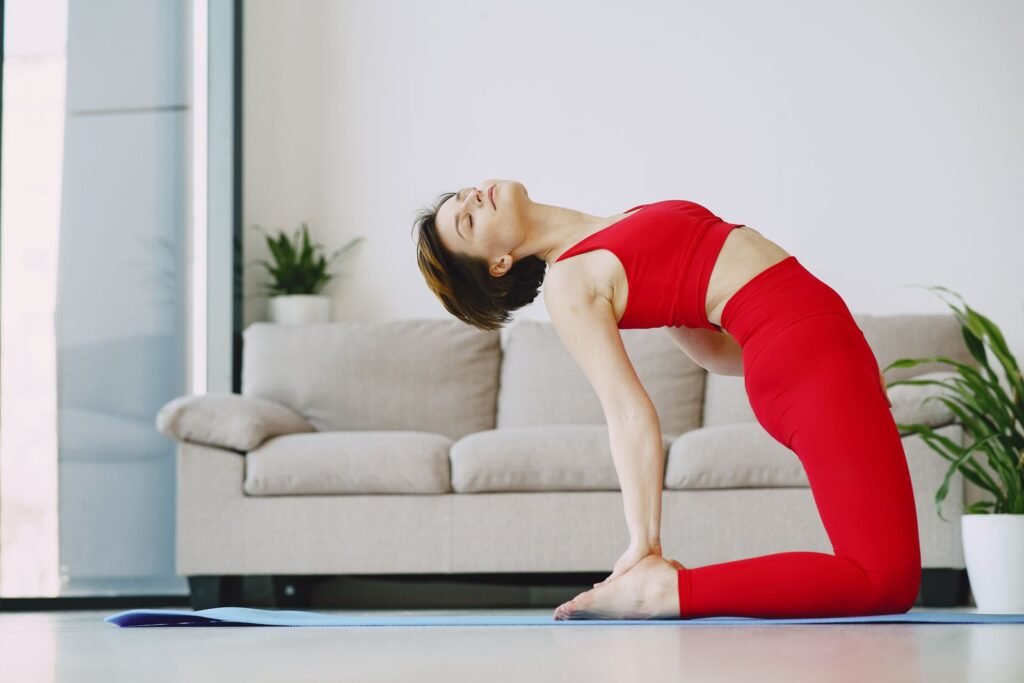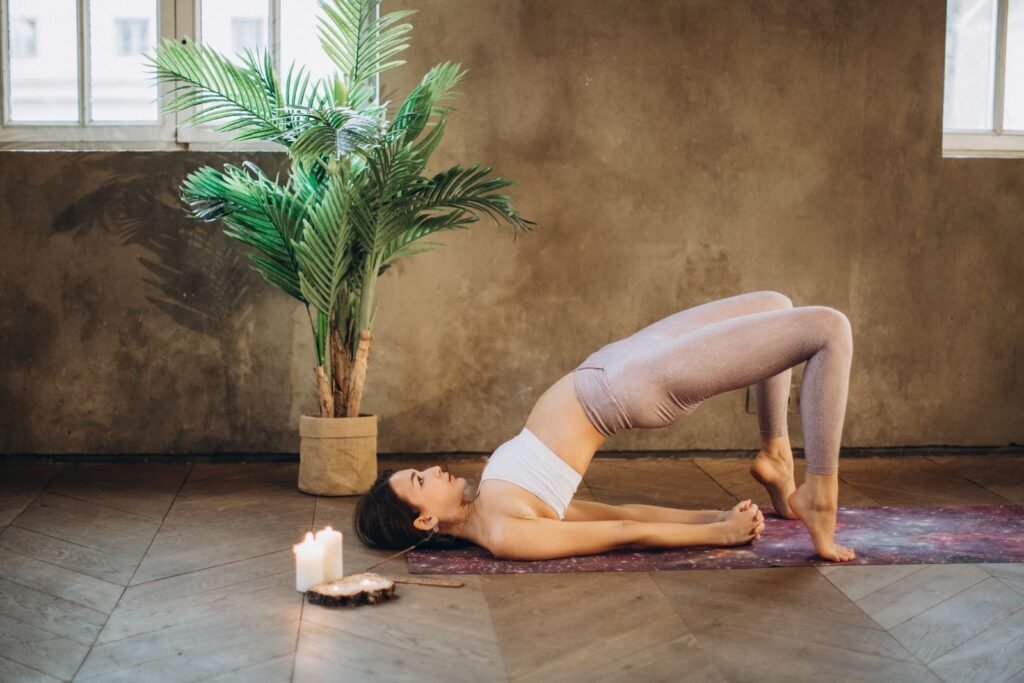
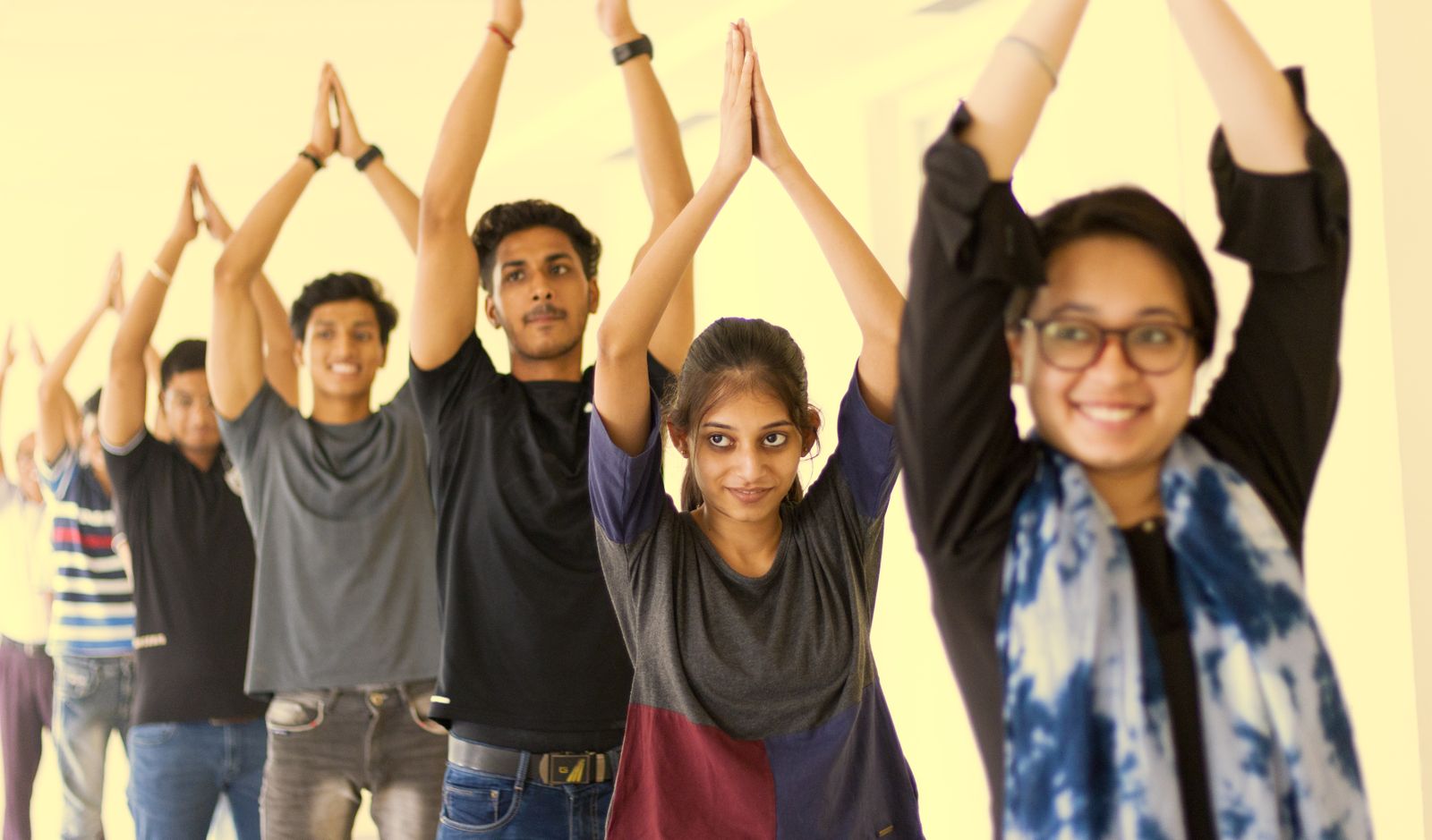
Yoga for concentration in students works by combining slow, controlled breathing with physical postures that demand balance and stillness, both of which train the nervous system to settle and the mind to stay on task. A short daily practice of 10 to 20 minutes, built around simple asanas, breathing exercises, and a few minutes of focused sitting, can help students filter out distractions, recover from mental fatigue faster, and hold attention on a single task for longer. It does not replace study skills or sleep, but it gives the brain a genuine reset button between classes, revision blocks, or exam sessions.
Why Do Students Struggle With Concentration in the First Place?
Concentration is not a fixed trait, it is a resource that gets depleted over the course of a school or college day. Long screen exposure, back-to-back classes, irregular sleep, exam pressure, and constant notification pings all compete for the same mental bandwidth. When that bandwidth runs low, the brain defaults to distraction because sustained attention is metabolically expensive. Add in anxiety about grades or comparison with peers, and the nervous system spends more energy managing stress than processing information. This is exactly the gap that a short, structured practice like yoga is designed to close, by lowering baseline stress and giving attention a physical anchor to return to.
How Does Yoga Actually Improve Focus and Attention?
Yoga improves focus through three connected mechanisms: breath regulation, interoceptive awareness, and reduced physiological stress. Slow diaphragmatic breathing activates the parasympathetic nervous system, which lowers heart rate and cortisol and pulls the brain out of a reactive, distracted state. Balancing postures force the mind to stay present, because losing focus for even a second means losing the pose, which is essentially attention training disguised as movement. Meditative sitting builds the same “notice and return” skill that underlies concentration during a lecture or a long reading assignment. Research on yoga for memory and learning has found that consistent practice is associated with better working memory and information retention in school-aged children, which points to overlapping benefits for concentration and recall.
What Does the Research Say About Yoga and Student Concentration?
Several controlled studies on school and college populations have looked at yoga’s effect on attention and academic performance. A randomized trial involving school children with low academic performance found that a structured yoga program was associated with measurable improvements in cognitive function and reduced anxiety compared to a control group. Other studies conducted in Indian and Chinese school settings have reported improved attentional performance after multi-week yoga interventions, typically ranging from eight to twelve weeks of regular sessions. The general pattern across this research is consistent: regular practice is linked to better sustained attention and lower test anxiety, though results vary by program length, frequency, and how “concentration” is measured. It is fair to say the evidence supports yoga as a genuinely useful concentration tool, without claiming it as a guaranteed academic performance hack.
Which Yoga Poses Are Best for Concentration?
Certain asanas are specifically useful for training focus because they demand balance, stillness, or a steady gaze point, known in yoga as drishti.
- Vrikshasana (Tree Pose): A standing balance that forces the mind to stay locked onto one fixed point to avoid wobbling, directly training sustained visual and mental focus.
- Padmasana (Lotus Pose) or a simple cross-legged seat: The base posture for meditation and pranayama, useful for building the habit of sitting still without fidgeting.
- Garudasana (Eagle Pose): A more advanced balance that combines coordination with concentration, good for older students who already have some flexibility.
- Balasana (Child’s Pose): A resting pose used between more demanding postures to bring attention back to the breath and calm an overstimulated nervous system.
- Sukhasana with eyes closed: A simple seated pose that removes visual input entirely, sharpening internal focus and reducing sensory overload before a study session.
These poses work well alongside broader routines described in yoga for flexibility and beginner yoga poses, both of which build the physical foundation that makes balance-based concentration poses easier to hold.
Which Breathing Techniques (Pranayama) Sharpen Focus Fastest?
Breathing exercises tend to produce the quickest, most noticeable shift in mental clarity, often within a few minutes.
Nadi Shodhana (Alternate Nostril Breathing)
This technique involves breathing through one nostril at a time while the other is gently closed with the fingers. It is commonly cited in yogic and clinical literature as a way to balance the nervous system and improve perceived calm and mental clarity, and small studies in medical students have linked it to reduced perceived stress. Five minutes before a study session or exam is typically enough to notice a difference.
Bhramari (Humming Bee Breath)
Bhramari involves a slow exhale with a humming sound, and is widely used to quiet mental chatter before focused work. It is especially useful for students who feel mentally “wired” but tired, a common pre-exam state.
Ujjayi (Ocean Breath)
A slightly constricted throat breath that creates an audible, steady rhythm, often used during a full vinyasa yoga flow to anchor attention to sound and sensation rather than wandering thoughts.
How Long Should a Student’s Yoga Session Be for Concentration Benefits?
Consistency matters more than duration. A 10 to 15 minute daily practice, done first thing in the morning or right before a study block, tends to produce more noticeable concentration benefits than an occasional 60-minute class once a week. For students with exam pressure, a short 5-minute breathing sequence between revision blocks can prevent the steady decline in attention that typically sets in after 45 to 90 minutes of continuous study. Longer sessions of 30 to 45 minutes, ideally two to three times a week, help build the underlying strength and balance that make the shorter daily practices more effective over time.
Can Yoga Help With Exam Stress and Test Anxiety?
Yes, and this is one of the more consistently reported benefits in student-focused yoga research. Exam anxiety activates the same fight-or-flight response as physical danger, flooding the body with cortisol and adrenaline that make it hard to recall information under pressure. A short pranayama sequence before entering an exam hall can lower heart rate and reduce the mental noise that competes with recall. Some schools have incorporated brief yoga breaks into exam-week schedules specifically to manage this. Pairing breathing practice with general stress-reduction habits covered in yoga for stress relief gives students a fuller toolkit for the weeks leading up to major assessments.
Does Yoga Help With ADHD or Attention Difficulties in Students?
Some research on children and adolescents with attention difficulties has explored yoga as a complementary practice alongside standard treatment, with several studies reporting improvements in self-regulation and reduced hyperactivity after structured programs. It is important to be clear that yoga is not a replacement for clinical diagnosis or treatment of ADHD, but a growing number of school-based programs use it as a supportive tool because the combination of movement, breath, and stillness gives restless students a structured outlet rather than asking them to simply “sit still.” Parents or students exploring this route should treat yoga as one part of a broader plan, ideally discussed with a pediatrician or school counselor.
How Does Yoga Compare to Meditation Alone for Concentration?
Meditation trains the mind directly by asking it to return to a single point of focus, usually the breath, over and over. Yoga does something similar but adds a physical layer, which many students find easier to sustain because movement gives restless energy somewhere to go before the mind is asked to sit still. For younger students or anyone new to focus training, starting with a short yoga sequence that ends in a few minutes of seated stillness tends to be more sustainable than jumping straight into 20 minutes of silent meditation. Over time, the two practices reinforce each other, and many students who start with movement-based yoga naturally progress toward longer meditation sits.
What Is a Simple 15-Minute Yoga Routine for Concentration?
A practical sequence a student can do before a study session or exam:
- 2 minutes: Seated Sukhasana with eyes closed, settling the breath.
- 3 minutes: Nadi Shodhana alternate nostril breathing, 8 to 10 rounds.
- 2 minutes each side: Vrikshasana tree pose, holding a fixed gaze point.
- 3 minutes: A slow sun salutation or two, drawing on foundational movements from sun salutation (Surya Namaskar).
- 2 minutes: Balasana child’s pose to rest and consolidate the calm state.
- 1 minute: Return to seated stillness, setting an intention for the study session ahead.
This kind of short, repeatable sequence fits naturally into a morning routine and pairs well with structured plans found in yoga for beginners for students who are entirely new to the practice.
Can Online Yoga Classes Work as Well as In-Person Sessions for Students?
For concentration-focused practice, online classes work well because the format itself removes a common barrier: travel time and rigid scheduling. Students juggling school, coaching classes, or college timetables often find it easier to commit to a 15-minute guided online session between classes than to travel to a studio. Structured online yoga classes for beginners also allow an instructor to walk through breathing techniques and alignment cues in real time, which matters for poses like tree pose where balance and gaze direction need correction. The consistency that online formats enable is often more valuable for concentration training than the setting itself.
Does Yoga Help With Weight Management Alongside Concentration for Students?
Many students juggling long study hours and sedentary routines also deal with weight gain from reduced physical activity and stress eating. While concentration is the primary goal here, it’s worth noting that the same daily practice habit that builds focus, especially when it includes more dynamic sequences, also supports healthy weight management. Students looking to combine both goals can explore yoga for weight loss for guidance on building a slightly more vigorous practice around the same concentration-focused foundation.
What Mistakes Should Students Avoid When Starting Yoga for Focus?
The most common mistake is treating yoga as a one-time fix rather than a daily habit, expecting a single session before an exam to undo weeks of poor sleep and stress. Another frequent error is skipping the breathing component entirely and only doing the physical postures, which misses much of the nervous-system regulation that drives the concentration benefit. Students also sometimes choose overly complex poses too early, get frustrated when balance fails, and quit before the skill develops. Finally, practicing on a full stomach or right after intense screen time without any transition period reduces how effective the session feels, since the mind is still catching up to the body.
Questions People Ask About Yoga for Concentration in Students
How quickly can yoga improve concentration in students?
Some students notice a short-term improvement in mental clarity within a single session, especially after breathing exercises like Nadi Shodhana. Lasting changes in sustained attention typically take several weeks of consistent daily or near-daily practice, based on the multi-week programs used in most school-based research studies.
What age is best to start yoga for concentration?
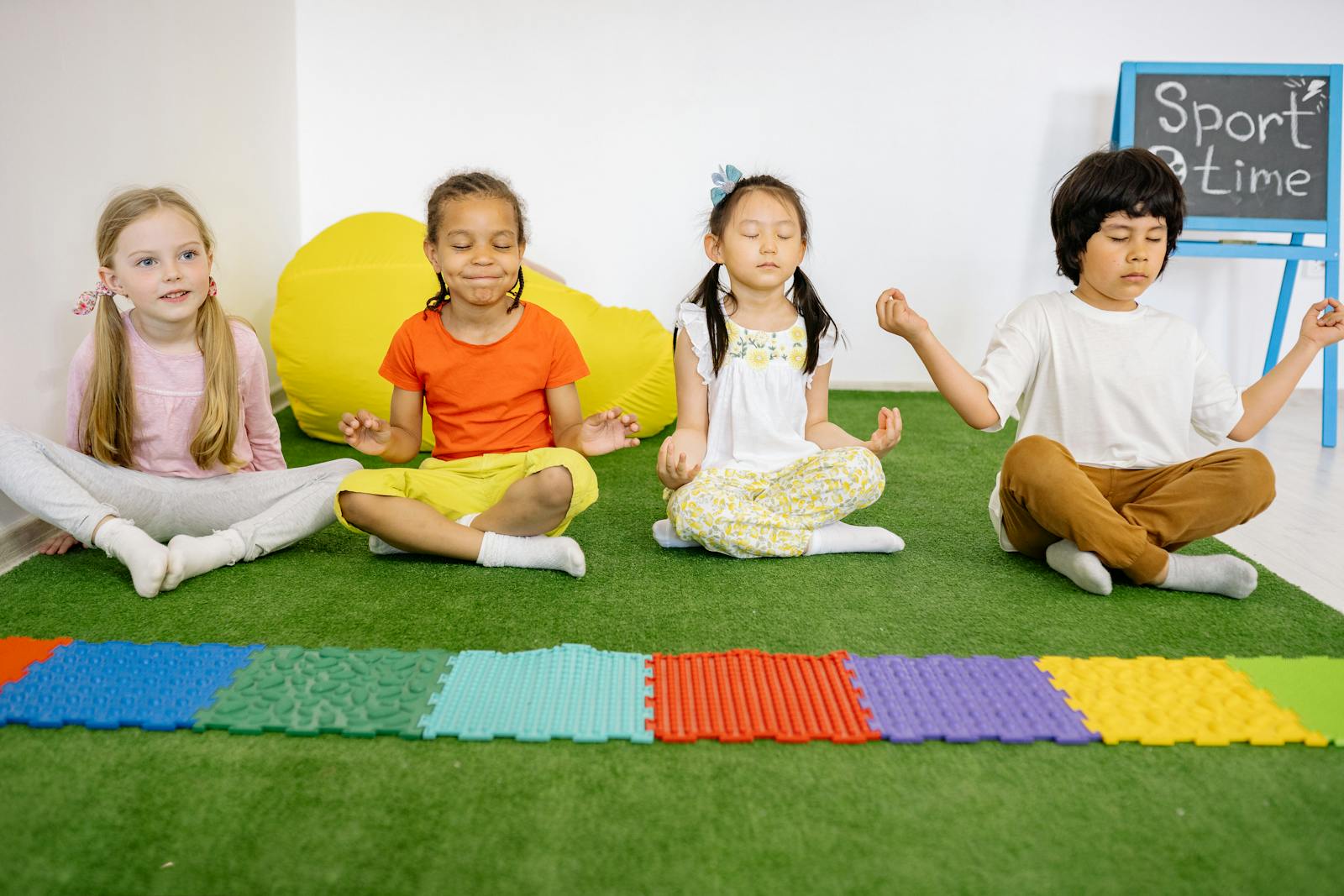
Children as young as five or six can begin simple poses and breathing games, while structured concentration-focused sequences with balance poses and pranayama are generally more effective from around age eight or nine, once attention span and body awareness are more developed.
Can yoga replace study breaks or should it be combined with them?
Yoga works best as a form of active study break rather than a replacement for rest entirely. A 10-minute yoga and breathing sequence between revision blocks tends to restore focus more effectively than scrolling a phone, because it actively lowers stress hormones rather than adding more sensory stimulation.
Is yoga better than caffeine for improving focus before studying?
Yoga and caffeine work differently. Caffeine offers a short, stimulant-driven alertness boost, while yoga’s breathing and posture work lowers stress and steadies attention without the later crash. Many students find combining a small amount of caffeine with a short breathing practice works better than relying on either alone.
Do students need special equipment to practice yoga for concentration?
No special equipment is required. A yoga mat or even a folded blanket on the floor is enough for most poses and breathing exercises, making this one of the more accessible concentration tools available to students regardless of budget.
Try This for Yourself
The best way to know whether yoga can genuinely sharpen your focus is to practice it consistently for a couple of weeks rather than judging it after a single session. A guided class removes the guesswork around breathing technique, pose alignment, and pacing, which matters most in the early stages of building this habit. Explore FitStrot’s online yoga classes to start a structured, concentration-focused routine designed around real student schedules.
Related reading: Yoga for memory and learning, yoga for stress relief, yoga for weight loss, beginner yoga poses, and FitStrot’s online yoga classes.