Yoga for infertility refers to a gentle, stress-reducing practice of poses, breathing exercises, and relaxation techniques that support reproductive health by calming the nervous system, improving pelvic blood flow, and helping the body come out of chronic “fight or flight” mode. Yoga does not cure infertility and is not a replacement for medical evaluation or treatment, but research increasingly points to stress reduction as a meaningful factor in fertility journeys, and a regular practice can lower anxiety, improve sleep, support hormonal balance, and make both natural conception attempts and assisted reproduction (like IVF or IUI) feel more manageable. For women experiencing infertility, yoga works best as a complementary practice alongside fertility care, not instead of it.
What Does the Research Actually Say About Yoga and Fertility?
The honest answer is nuanced. No study shows that yoga directly increases egg quality or reverses a diagnosed fertility condition. What a growing body of research does suggest is that yoga meaningfully reduces the psychological burden of infertility. A systematic review examining yoga’s effects on pregnancy, stress, and anxiety in people experiencing infertility found consistent reductions in self-reported stress and anxiety among women who practiced yoga during fertility treatment. Separate narrative reviews on yoga and lifestyle changes describe yoga as a supportive tool that may improve treatment adherence, emotional resilience, and quality of life during the often-exhausting process of trying to conceive. The takeaway: yoga is best understood as a stress-management and self-care intervention with a plausible, though not fully proven, downstream benefit on reproductive outcomes, rather than a direct fertility treatment.
Why Does Stress Matter So Much for Fertility?
Chronic stress activates the hypothalamic-pituitary-adrenal (HPA) axis, which governs the release of cortisol and other stress hormones. This same system is deeply intertwined with the hypothalamic-pituitary-gonadal (HPG) axis, which regulates the hormones responsible for ovulation and menstrual regularity. When the body perceives ongoing threat or stress, energy and hormonal priority shift away from reproduction and toward survival functions. Infertility itself is also a major source of stress, creating a difficult cycle: the diagnosis causes anxiety, and the anxiety may further complicate the picture. This is precisely the loop that yoga’s nervous-system-calming techniques are designed to interrupt. If stress management interests you as a broader wellness strategy, yoga for stress relief covers the underlying physiology in more depth.
Which Yoga Poses Are Considered Fertility-Friendly?
Certain poses are commonly recommended in fertility yoga programs because they gently open the hips and pelvis, improve circulation to the reproductive organs, and encourage the relaxation response. None of these poses have been proven to directly cause conception, but they are widely used as a foundation for a fertility-focused practice.
- Baddha Konasana (Butterfly Pose): A seated hip-opener that increases blood flow to the pelvic region and is one of the most frequently recommended poses in fertility yoga classes.
- Viparita Karani (Legs-Up-the-Wall Pose): A restorative inversion that encourages venous return and activates the parasympathetic nervous system, promoting deep relaxation.
- Supta Baddha Konasana (Reclining Bound Angle Pose): Combines the hip-opening benefits of butterfly pose with the calming effect of lying supported on the back, often used with a bolster or cushion.
- Balasana (Child’s Pose): A gentle forward fold that relieves lower back tension and encourages slow, deep breathing.
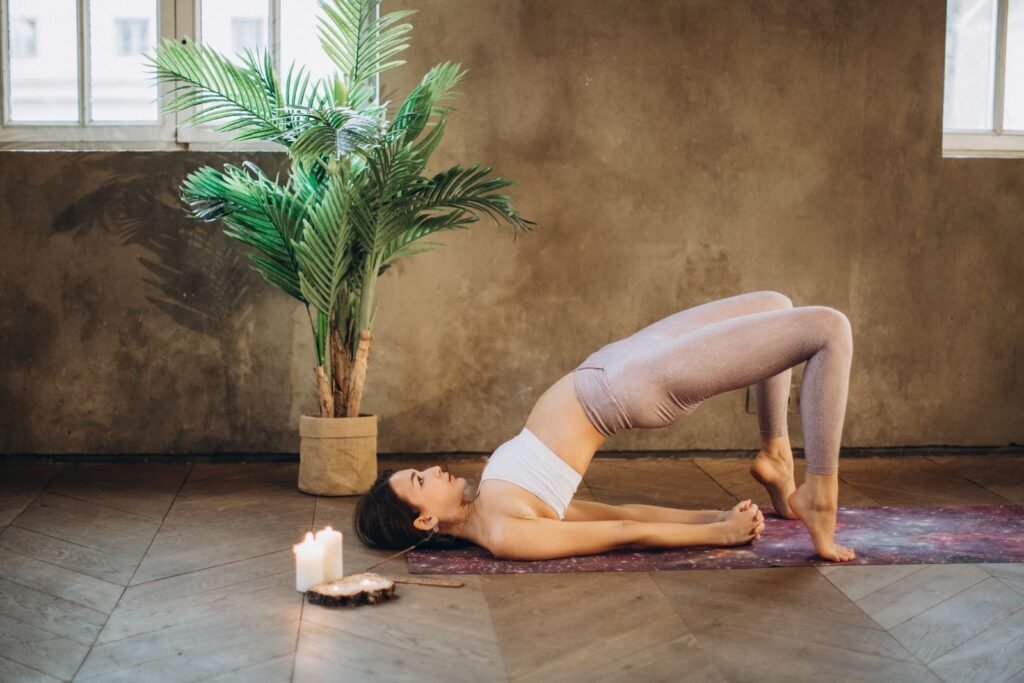
- Setu Bandhasana (Bridge Pose): A mild backbend believed to stimulate the thyroid and improve pelvic circulation, though it should be practiced gently and never during the two-week wait after ovulation if actively trying to conceive, per most fertility yoga teachers’ guidance.
- Marjaryasana-Bitilasana (Cat-Cow): A spinal warm-up that improves flexibility and can help release tension carried in the lower back and pelvis.
For a broader library of poses organized by goal and difficulty level, see this guide to types of yoga and how each style is typically sequenced.
Which Yoga Poses Should Be Avoided When Trying to Conceive?
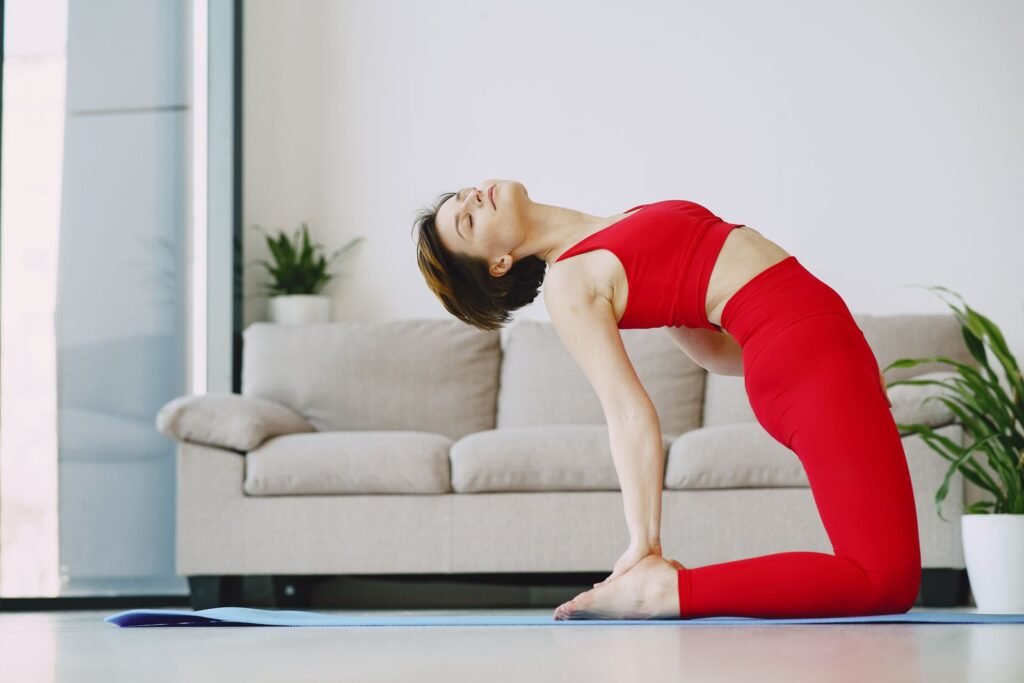
Deep twists that compress the abdomen, intense core-strengthening poses, deep backbends, and any inversion practiced with force (rather than supported and restorative) are generally discouraged for people actively trying to conceive, and especially during the luteal phase after ovulation. Hot yoga and Bikram-style classes are also typically avoided, since elevated core body temperature is a caution flag in most fertility guidance. The general principle in fertility yoga is “gentle over intense”: the goal is nervous system regulation, not a cardiovascular workout. Anyone unsure whether a specific pose is appropriate for their situation should check with their fertility specialist or a yoga teacher trained in prenatal and fertility-focused sequencing.

How Does Yoga Support IVF and IUI Treatment?
Many fertility clinics now recommend gentle yoga as a complementary practice during assisted reproductive technology (ART) cycles like IVF and IUI. The research cited earlier on yoga and ART outcomes in couples with infertility found that structured yoga practice was associated with improvements in reported wellbeing during treatment cycles. The practical role yoga plays here is largely psychological and physiological stress management: reducing the anxiety of injections, appointments, and uncertain outcomes; supporting better sleep, which is often disrupted by hormonal medications; and giving patients a sense of agency and calm during a process that can otherwise feel entirely out of their control. Most fertility yoga teachers recommend restorative, breath-focused practice rather than vigorous flow during stimulation and post-transfer phases specifically.
What Is Fertility Yoga and How Is It Different From Regular Yoga?
Fertility yoga is a specialized style that blends restorative poses, gentle hip-openers, breathwork, and guided relaxation, sequenced specifically around the menstrual cycle or a fertility treatment timeline. Unlike a general vinyasa yoga class, which emphasizes flow, strength, and cardiovascular conditioning, fertility yoga deliberately avoids intensity. Classes are often timed to specific cycle phases: more active hip-opening work in the follicular phase (before ovulation), and deeply restorative, supported poses during the luteal phase and especially the two-week wait. Some fertility yoga programs also incorporate elements of yin yoga, which uses longer holds to work into connective tissue and encourage deep relaxation.
What Breathing Techniques Help With Fertility and Stress?
Pranayama, the yogic practice of controlled breathing, is central to most fertility yoga programs because it directly influences the autonomic nervous system. Slow, extended exhalations activate the parasympathetic (“rest and digest”) response, lowering heart rate and cortisol output.
- Nadi Shodhana (Alternate Nostril Breathing): Balances the nervous system and is widely used before bed to support better sleep quality.
- Ujjayi Breath (Ocean Breath): A slow, audible breath used throughout a yoga practice to maintain focus and a steady, calming rhythm.
- Dirga Pranayama (Three-Part Breath): A foundational deep-breathing technique that expands the belly, ribs, and chest in sequence, often taught to beginners as an entry point into pranayama.
- Extended exhale breathing: Simply making the exhale longer than the inhale (for example, inhaling for four counts and exhaling for six to eight) is one of the simplest, most evidence-informed ways to shift out of a stress response quickly.
To build a broader daily breathing practice, see this guide to pranayama breathing techniques.
Can Yoga Help With PCOS-Related Infertility?
Polycystic ovary syndrome (PCOS) is one of the most common causes of ovulatory infertility, and yoga is frequently recommended as part of a broader lifestyle approach for women managing it. Because PCOS is closely linked to insulin resistance, chronic low-grade inflammation, and stress-hormone imbalances, yoga’s combined effect of gentle movement, stress reduction, and improved sleep may support some of the metabolic and hormonal factors involved. Yoga is not a treatment for PCOS itself, and should not replace medical management, but many women use it alongside dietary changes and prescribed treatment. For a deeper look at this specific connection, see this guide to yoga for PCOS.
How Does Yoga Support Emotional Health During Infertility?
Infertility carries a significant emotional weight that is often underestimated by people outside the experience: grief cycles that repeat with every unsuccessful attempt, strain on relationships, social isolation around pregnancy announcements and baby showers, and a pervasive sense of loss of control over one’s own body and timeline. Yoga’s mind-body approach directly addresses this emotional layer. The combination of breath awareness, mindful movement, and stillness gives practitioners a structured way to process difficult emotions rather than suppress them. Group or online fertility yoga classes also provide a sense of community with others navigating similar experiences, which can meaningfully reduce the isolation that so often accompanies infertility.
How Often Should You Practice Yoga for Fertility Support?
Most fertility yoga programs recommend two to four sessions per week, each lasting 20 to 45 minutes, rather than daily intense practice. Consistency matters more than duration: a short, ten-minute restorative sequence done regularly tends to have more nervous-system benefit than an occasional long session. Many women find it useful to sync their practice with their menstrual cycle, choosing gentler, more restorative sequences during menstruation and the luteal phase, and slightly more active hip-opening work during the follicular phase. If undergoing IVF or IUI, it’s worth asking a fertility specialist about timing restrictions around egg retrieval and embryo transfer specifically, since some clinics recommend avoiding inversions or core work for a short window around these procedures.
What Lifestyle Factors Work Alongside Fertility Yoga?
Yoga tends to be most effective as part of a broader lifestyle approach rather than a standalone intervention. Adequate sleep (seven to nine hours), a balanced whole-foods diet, moderate rather than excessive exercise, and limiting alcohol and caffeine are commonly recommended alongside a fertility yoga practice. Maintaining a healthy body weight is also frequently discussed in fertility contexts, since both underweight and overweight status can affect ovulatory function; if weight management is a goal, a gentle approach such as yoga for weight loss can work in tandem with a fertility-focused practice rather than competing with it. Some women also address related reproductive health concerns such as yoga for leucorrhea or irregular cycles as part of the same overall wellness plan.
Is Yoga Safe for Everyone Trying to Conceive?
Gentle, restorative yoga is considered safe for most people trying to conceive, but there are important exceptions. Anyone with a history of pelvic pain, endometriosis, or a diagnosed uterine or ovarian condition should discuss specific poses with their doctor before starting. Once pregnancy is confirmed, the practice should shift toward prenatal yoga, which follows different safety guidelines suited to a developing pregnancy rather than a pre-conception fertility practice. It’s also worth noting that yoga should never be used to mask or ignore symptoms that need medical attention, such as severe pain, irregular bleeding, or long-term absence of ovulation; these should always be evaluated by a qualified healthcare provider.
How Does Yoga Compare to Other Complementary Fertility Practices?
Yoga is often mentioned alongside acupuncture, meditation, and dietary therapy as complementary approaches used during fertility journeys. Compared to acupuncture, which requires a trained practitioner and often an ongoing financial commitment, yoga has the advantage of being accessible from home, low-cost, and self-directed once the basics are learned. Compared to standalone meditation, yoga adds the physical component of movement and circulation, which many practitioners find helps them settle into stillness more easily than seated meditation alone. None of these complementary approaches has been shown to replace medical fertility treatment, and the strongest evidence-based approach for most people combines medical care with one or more supportive practices chosen based on personal preference and what’s sustainable long-term. For those newer to a mind-body practice in general, this overview of the benefits of yoga is a useful starting point.
How Do You Start a Fertility Yoga Practice at Home?
Starting at home doesn’t require special equipment beyond a yoga mat, a bolster or firm cushion, and a quiet space. Begin with 10 to 15 minutes of restorative poses such as Child’s Pose, Butterfly Pose, and Legs-Up-the-Wall, paired with slow breathing. As comfort and flexibility grow, sessions can be extended to 30 to 45 minutes, incorporating gentle hip-openers and gentle spinal movement like Cat-Cow. Many women find guided online classes particularly helpful when starting out, since a teacher can cue breath timing and pose modifications in real time, which is harder to self-direct from a book or article alone. Consistency, even in short sessions, tends to produce more noticeable stress-relief benefits than occasional long ones.
Questions People Ask About Yoga for Infertility
Can yoga increase my chances of getting pregnant?
Yoga has not been shown to directly increase pregnancy rates on its own. What research does support is that yoga meaningfully reduces stress and anxiety during fertility journeys, which may indirectly support overall wellbeing and treatment experience. It works best as a complementary practice alongside medical fertility care, not as a standalone solution.
How long does it take for yoga to help with fertility issues?
There’s no fixed timeline, since yoga is not a direct fertility treatment. Most people report feeling reduced stress and better sleep within a few weeks of consistent practice (two to four sessions per week). Any potential downstream effect on cycle regularity or treatment experience would likely take several months of consistent practice to notice.
Is hot yoga bad for fertility?
Most fertility yoga guidance recommends avoiding hot yoga and Bikram-style classes when trying to conceive, since elevated core body temperature is generally discouraged during this time. Gentle, room-temperature restorative or hatha-style yoga is the more commonly recommended approach for fertility-focused practice.
Can I do yoga during an IVF cycle?
Yes, many fertility clinics support gentle yoga during IVF cycles, though most recommend restorative or breath-focused practice over vigorous flow, especially around egg retrieval and embryo transfer. It’s best to check with your specific clinic about timing restrictions, since protocols can vary.
What yoga pose is best for fertility?
Baddha Konasana (Butterfly Pose) and Viparita Karani (Legs-Up-the-Wall Pose) are among the most commonly recommended poses in fertility yoga, valued for improving pelvic circulation and activating the body’s relaxation response. Both are gentle enough for daily practice and require no special equipment beyond a mat.
Should I stop yoga once I’m pregnant?
You don’t need to stop yoga once pregnant, but the style should shift. Fertility-focused sequences are typically replaced with prenatal yoga, which follows pregnancy-specific safety guidelines around poses, positioning, and intensity as the pregnancy progresses.
Try This for Yourself
If you’re navigating a fertility journey and want expert-guided support rather than piecing together poses on your own, a live, guided class can make a meaningful difference in both technique and consistency. Explore FitStrot’s online yoga classes to practice fertility-friendly, restorative sequences from home, guided by real instructors who can adapt the pace and poses to where you are right now.
Related reading: Yoga for Weight Loss, Yoga for Leucorrhea, Yoga for PCOS, Prenatal Yoga, and FitStrot’s Online Yoga Classes.