“Wings” is gym slang for a wide, flared lat spread, the kind of back that tapers dramatically from broad shoulders down to a narrow waist. When people ask for a wings workout, they’re really asking how to build lat width, the muscle that creates the V-taper look from behind. At FitStrot we build this kind of back training into most of our clients’ programs because it’s one of the most requested aesthetic goals we hear, right up there with a flat stomach or bigger arms.
What Does “Wings” Actually Mean In Gym Slang?
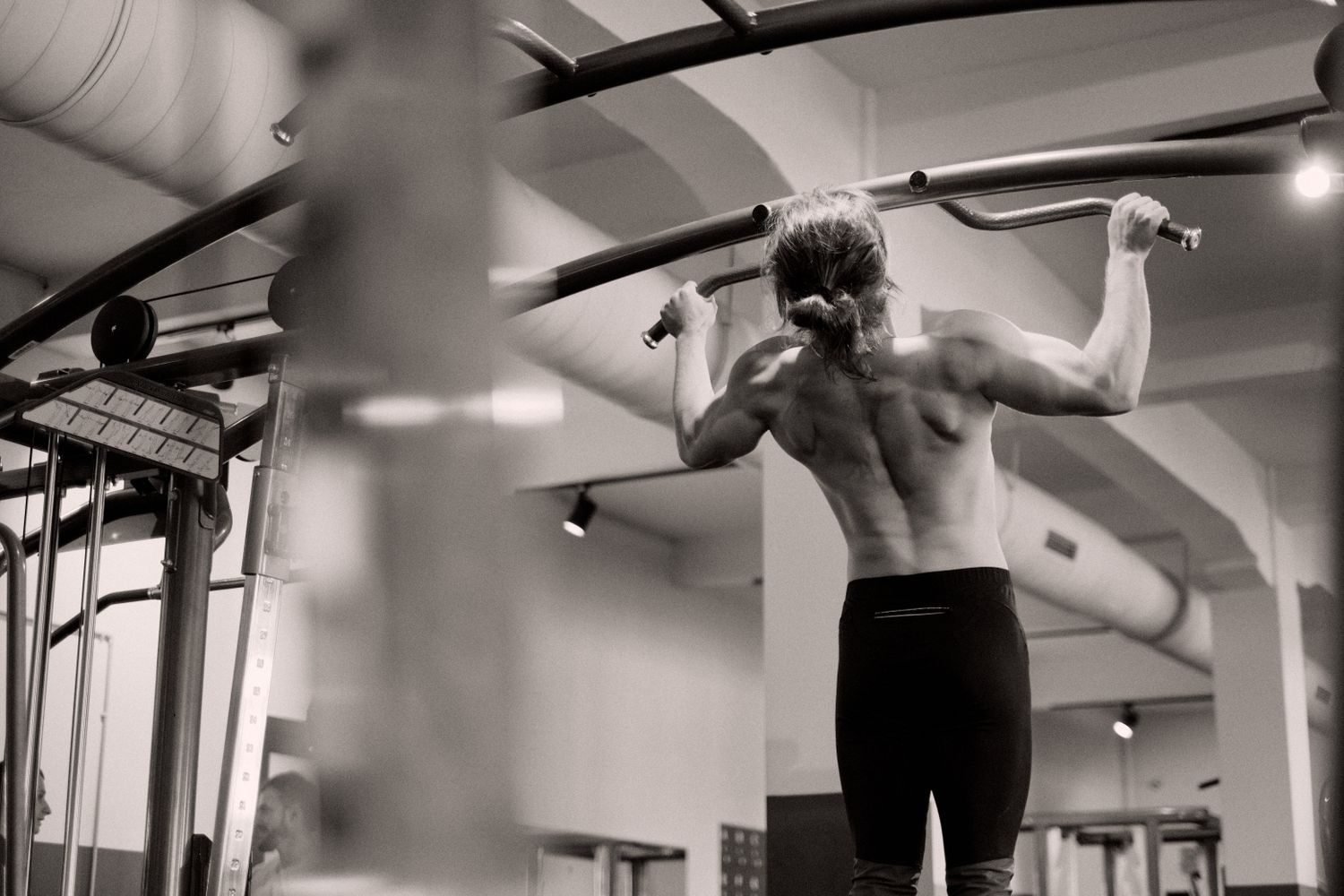
When someone says a lifter has “wings,” they mean the latissimus dorsi, the big fan-shaped muscles that run from your armpits down to your lower back, are developed enough to visibly flare out from the torso. You’ll see it most clearly from behind, especially when someone stands with their arms slightly away from their sides, unable to rest flat because the lats are pushing them out. It’s a look, not a single muscle or a single lift. Bodybuilders and lifters started using the term because a well-developed back genuinely resembles a pair of folded wings when the lats are fully flared.
It’s worth separating this from back “thickness,” which is a different training goal. Thickness comes from the mid-back, rhomboids, and traps, built mostly through rowing movements. Width, the wings look, comes primarily from the lats themselves and the exercises that stretch and load them through a long range of motion. You need both for a complete back, but if your goal is specifically the wings look, your programming has to lean harder into width-focused work.
Is Lat Width Genetic Or Can You Actually Build It?
We’ll be straight with you here: a huge part of how wide your back can look is genetic. Your bone structure, particularly the width of your shoulders and the shape of your rib cage, sets a ceiling. Some people have naturally longer lat muscle bellies or wider clavicles, and no amount of training changes your skeleton. If you’ve compared yourself to someone with a dramatically wider frame and wondered why your back doesn’t flare the same way even though you train just as hard, that’s largely the reason.
That said, genetics set the ceiling, not the floor, and most people are training nowhere near their actual potential. The lats are a large muscle group that responds well to progressive overload, and most lifters never train them through a full stretched range or with enough volume to see real growth. We build lat-focused programs for our clients precisely because there’s usually a lot of untapped growth sitting between where someone is now and where their genetics would actually allow them to get. Don’t let the genetic ceiling become an excuse to skip the work that gets you close to it.
Which Exercises Actually Build That Wide-Lat Look?
Not every back exercise builds width equally. Rows, for instance, mostly hit the mid-back and build thickness rather than flare. If your goal is wings specifically, you want to prioritize movements that pull your arms from overhead or out to the side back toward your torso, because that’s the motion pattern that recruits the lats through their longest range.
Here’s what we lean on with our own clients when width is the target:
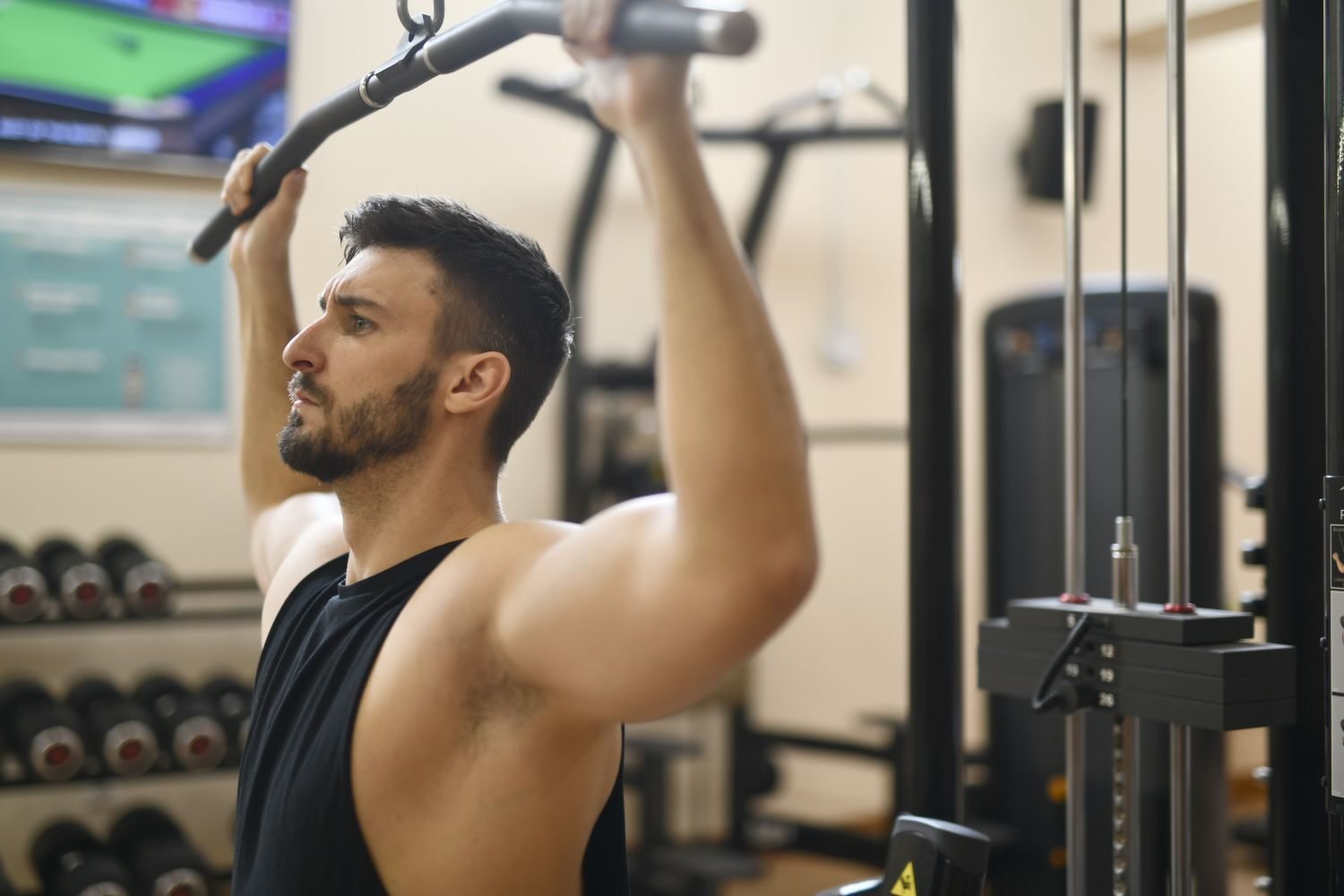
- Wide-grip pull-ups or lat pulldowns. This is the classic wings builder. Going wider than shoulder width shifts more of the work onto the outer lats rather than the biceps and mid-back, and pulling to the upper chest rather than yanking the bar low keeps tension on the target muscle.
- Straight-arm pulldowns. Because the elbows stay locked, this isolates the lats almost entirely, without the biceps taking over like they do on pull-ups. It’s one of the best exercises for feeling the lats actually working, which matters a lot for building the mind-muscle connection most lifters are missing.
- Single-arm lat pulldowns or single-arm cable rows to the hip. Training one side at a time lets you get a deeper stretch and a harder squeeze than a bilateral movement usually allows, and it exposes strength imbalances between sides that a barbell or straight bar can hide.
- Dumbbell pullovers. This one gets overlooked constantly, but the deep stretch overhead is exactly the range where a lot of lifters are weakest, and that stretched position is where a lot of the growth signal comes from.
- Neutral or wide-grip lat pulldowns with a pause at the bottom. Adding a one or two second pause at full contraction forces you to actually squeeze the lats instead of using momentum, which is a mistake we see constantly with people who’ve trained back for years without much width to show for it.
If you want a broader look at how to structure pulling exercises around cables specifically, our cable back workouts guide breaks down the setups that work best for lat isolation.
What Does A Full Wings Workout Look Like?
Below is a sample session we’d program for a client whose main goal is lat width. It leads with the most technically demanding, width-focused movements while you’re fresh, then finishes with isolation work to fully fatigue the lats.
| Exercise | Sets | Reps | Rest |
|---|---|---|---|
| Wide-grip pull-ups (or assisted/lat pulldown if needed) | 4 | 6-10 | 90 sec |
| Wide-grip lat pulldown, 2-sec pause at bottom | 3 | 10-12 | 75 sec |
| Single-arm lat pulldown | 3 | 10-12 per side | 60 sec |
| Straight-arm pulldown | 3 | 12-15 | 60 sec |
| Dumbbell pullover | 3 | 12-15 | 60 sec |
| Seated cable row, wide grip to upper chest | 2 | 12-15 | 45 sec |
Run this once a week as a dedicated width session, or split the movements across two back days if you’re training the muscle group twice weekly. If you’re training at home or without cable access, our bodyweight back workout covers pull-up and row variations that still target the same muscle through similar ranges of motion.
How Should You Train Wings Without Overtraining Your Back?
The lats recover slower than smaller muscles like biceps because they’re a large, dense muscle group, so cramming width work into every single session usually backfires. Twice a week is plenty for most people, with at least 48 hours between sessions. Form matters more here than almost anywhere else in the gym. Swinging your body on pull-ups or using momentum on pulldowns shifts the work onto your biceps and lower back, which is exactly what you don’t want when the whole point is isolating the lats.
Progressive overload still applies. Add reps before you add weight, and only add weight once you can hit the top of your rep range with clean form. If you’re combining width work with arm training in the same session, our back and biceps workout has a sequencing approach that keeps the lats getting priority before your arms are fatigued and taking over the pulling.
Nutrition and recovery matter just as much as the exercises themselves. Muscle grows during recovery, not during the set, so sleep and protein intake will decide how much of that training actually turns into visible width. This is where a lot of home programs fall apart, not because the exercise selection is wrong but because nobody is tracking progression or adjusting the plan when growth stalls.
Should You Train Wings On Your Own Or Get A Coach?
You can absolutely build a wider back training alone, plenty of people do. But most of the stalled progress we see comes down to two things: poor exercise execution that never actually loads the lats properly, and programs that never progress because there’s no one tracking what happened last week. A coach fixes both. We build custom back programs for our 1-on-1 personal training clients based on their current strength, shoulder mobility, and how their body responds week to week, which is something a generic workout plan from the internet can’t do.
What does “wings” mean in gym slang?
“Wings” refers to a wide, well-developed back, specifically the lats flaring out visibly from the torso to create a V-taper shape. It’s a look built primarily through width-focused pulling exercises rather than a single muscle or lift.
What is a good wings workout?
A good wings workout leads with wide-grip pull-ups or lat pulldowns, then moves into isolation movements like straight-arm pulldowns, single-arm pulldowns, and dumbbell pullovers that stretch and squeeze the lats through their full range. Training this once or twice a week with progressive overload is enough to see real change over a few months.
What exercise is best for building wide lats?
Wide-grip pull-ups or wide-grip lat pulldowns are generally the best single exercise for lat width because they load the lats through a long range of motion under a heavy, progressive load. Straight-arm pulldowns are the best isolation option if you want to feel the lats working without your biceps taking over.
Can everyone build a wide V-taper back?
Everyone can build more lat width than they currently have, but how wide your back can ultimately look is partly set by your skeletal structure, particularly shoulder width and rib cage shape. Training won’t change your bones, but most people are training well below their genetic ceiling, so there’s usually significant room to grow no matter your frame.
How long does it take to see a noticeable wings look?
Most clients start noticing visible changes in back width after a few months of consistent, progressive training, though this depends heavily on training age, consistency, and how close you already are to your genetic potential. Beginners tend to see faster visible change than lifters who’ve already been training back for years.