Plant-based nutrition means building most of your plate around vegetables, fruits, whole grains, legumes, nuts, and seeds — while still leaving room for the occasional egg, piece of fish, or serving of yogurt. It’s not a strict rulebook and it’s not veganism; it’s a shift in ratio. Research tracking nearly 203,000 adults over 30 years found that people with the highest proportion of plant protein to animal protein had a 19% lower risk of cardiovascular disease and a 27% lower risk of coronary artery disease compared with those eating the least plant protein. You don’t need to eliminate meat or dairy to get there — you need to change what’s taking up the most space on your plate, most of the time.
This guide breaks down what the evidence actually says about plant-forward eating, why fiber is doing so much of the heavy lifting, and how to shift your everyday meals in that direction without overhauling your entire kitchen overnight.
What does “plant-based” actually mean if it’s not vegan?
“Plant-based” is a spectrum, not a single diet. On one end sits vegan nutrition, which excludes all animal products and requires deliberate planning around nutrients like B12, iron, and omega-3s. On the more flexible end sits what researchers often call a “plant-forward” or “plant-predominant” pattern — think Mediterranean-style eating — where plants form the majority of the plate but eggs, dairy, poultry, or fish still show up regularly.
This distinction matters because the research doesn’t reward all-or-nothing thinking. A widely cited meta-analysis in the Journal of the American Heart Association found that plant-based dietary patterns — not exclusively vegan ones — were associated with lower risk of incident cardiovascular disease, cardiovascular mortality, and all-cause mortality in a general population of middle-aged adults. The protective effect comes from the proportion and quality of plant foods you eat, not from swearing off animal products entirely.
One caveat: quality matters more than the plant-based label itself. A systematic review found that plant-based patterns loaded with sugary drinks, refined grains, potatoes, and fruit juice were associated with higher risk, while patterns built on whole grains, vegetables, fruits, legumes, and nuts showed meaningfully better outcomes. Fries and soda are technically plant-based. They’re not what this article is about.
What does the research say about plant-based eating and heart health?
Cardiovascular disease is where the evidence for plant-forward eating is strongest and most consistent. A systematic review and meta-analysis of prospective cohort studies found that greater adherence to a healthful plant-based dietary pattern was associated with significantly lower risk of both cardiovascular disease incidence and cardiovascular mortality. More recent findings add to the picture: an analysis of nearly 67,000 postmenopausal women in the NIH-funded Women’s Health Initiative found that those following a Planetary Health Diet — a plant-forward pattern that still allows modest amounts of animal foods — had a 28% lower risk of cardiovascular disease compared with women who followed it least closely.
A few mechanisms likely explain this. Diets higher in plant foods tend to be lower in saturated fat and higher in unsaturated fats, which helps improve LDL cholesterol — the “bad” cholesterol most closely tied to artery-clogging plaque. Harvard Health has also reported that a higher plant-to-animal protein ratio is linked to better long-term heart outcomes, independent of total protein intake. Plant-based diets are also consistently associated with lower rates of hypertension, one of the biggest modifiable risk factors for heart disease and stroke. None of this requires giving up your Sunday morning eggs or the salmon you had last night — the research measures ratios and patterns over years, not single meals.
Why does fiber matter so much in a plant-forward diet?
Fiber is arguably the single biggest nutritional lever a plant-forward diet pulls, and most people aren’t getting nearly enough of it. The average American eats only about 15 grams of fiber a day, while adult guidelines call for 25 grams for women and 38 grams for men under 50 — meaning most adults are falling short by 10 grams or more daily, and only around 5% of U.S. adults meet the recommendation at all.
That gap matters because fiber does measurable metabolic work. Research on dietary fiber has found that for every 10-gram increase in daily fiber intake, cardiovascular disease risk dropped by roughly 9% and coronary heart disease risk dropped by about 11%, alongside reductions in overall cancer risk. Fiber helps lower LDL cholesterol, improves insulin sensitivity, feeds beneficial gut bacteria, and reduces systemic inflammation — a chain of effects that touches heart disease, type 2 diabetes, and colon cancer risk simultaneously. It’s one of the clearest examples of how a single nutrient shift, driven by eating more plants, ripples across several disease risks at once.
Plant foods are essentially the only significant dietary source of fiber — meat, fish, eggs, and dairy contain none. So when you shift the ratio of your plate toward vegetables, legumes, fruits, and whole grains, fiber intake tends to rise automatically, without counting grams. For a deeper breakdown of how fiber works in the body and which foods deliver the most per serving, see our full guide on fiber and nutrition.
Can a plant-forward diet lower your risk of other chronic diseases?
Heart disease gets the most research attention, but the evidence extends further. A study following adults in the UK found that adherence to a healthful plant-based diet was associated with lower risk of mortality and major chronic diseases overall, not just cardiovascular events.
- Type 2 diabetes: A systematic review and meta-analysis found plant-based dietary patterns were associated with a reduced risk of developing type 2 diabetes, likely tied to better insulin sensitivity from higher fiber and lower saturated fat intake.
- Blood pressure: Plant-based eating patterns are consistently associated with lower odds of hypertension, an effect researchers attribute partly to higher potassium and magnesium intake from vegetables, fruits, and legumes.
- Kidney health: Emerging research suggests plant-forward diets may help reduce the risk of chronic kidney disease, though this area needs more long-term study.
- Cancer risk: Higher fiber intake specifically has been linked to reduced risk of colon cancer and, more broadly, all-cancer risk in cohort studies.
The throughline across all of these outcomes is the same: it’s not about removing animal foods, it’s about increasing the volume and variety of whole plant foods relative to everything else on the plate. That’s a very different — and for most people, much more sustainable — goal than eliminating entire food groups. For a broader look at how this fits into an overall eating pattern, our piece on nutrition and a balanced diet covers how to structure meals across all the major food groups.
How do you shift toward plant-based eating without going fully vegan?
This is where most people get stuck — they assume “more plant-based” means an immediate, total diet overhaul, similar to the strict elimination required by vegan nutrition. It doesn’t. Small, repeatable shifts compound over months in a way that one dramatic week never does.
Start by changing the ratio on your existing plate
Instead of a plate that’s half meat, a quarter starch, and a quarter vegetables, flip it: half vegetables and legumes, a quarter whole grains, and a quarter protein — which can still include meat, fish, or eggs. You’re not removing anything, just resizing portions.
Swap in plant protein a few times a week
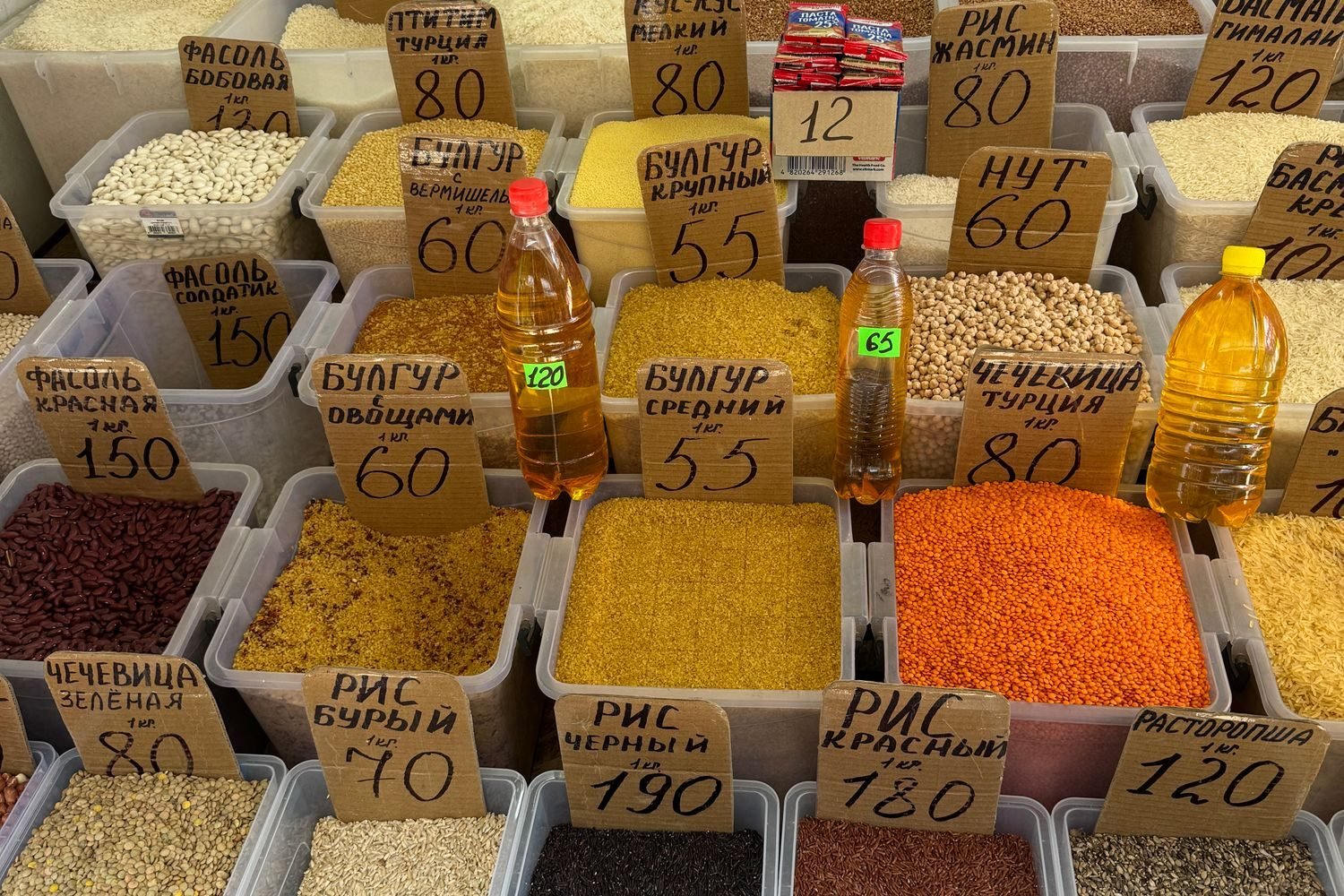
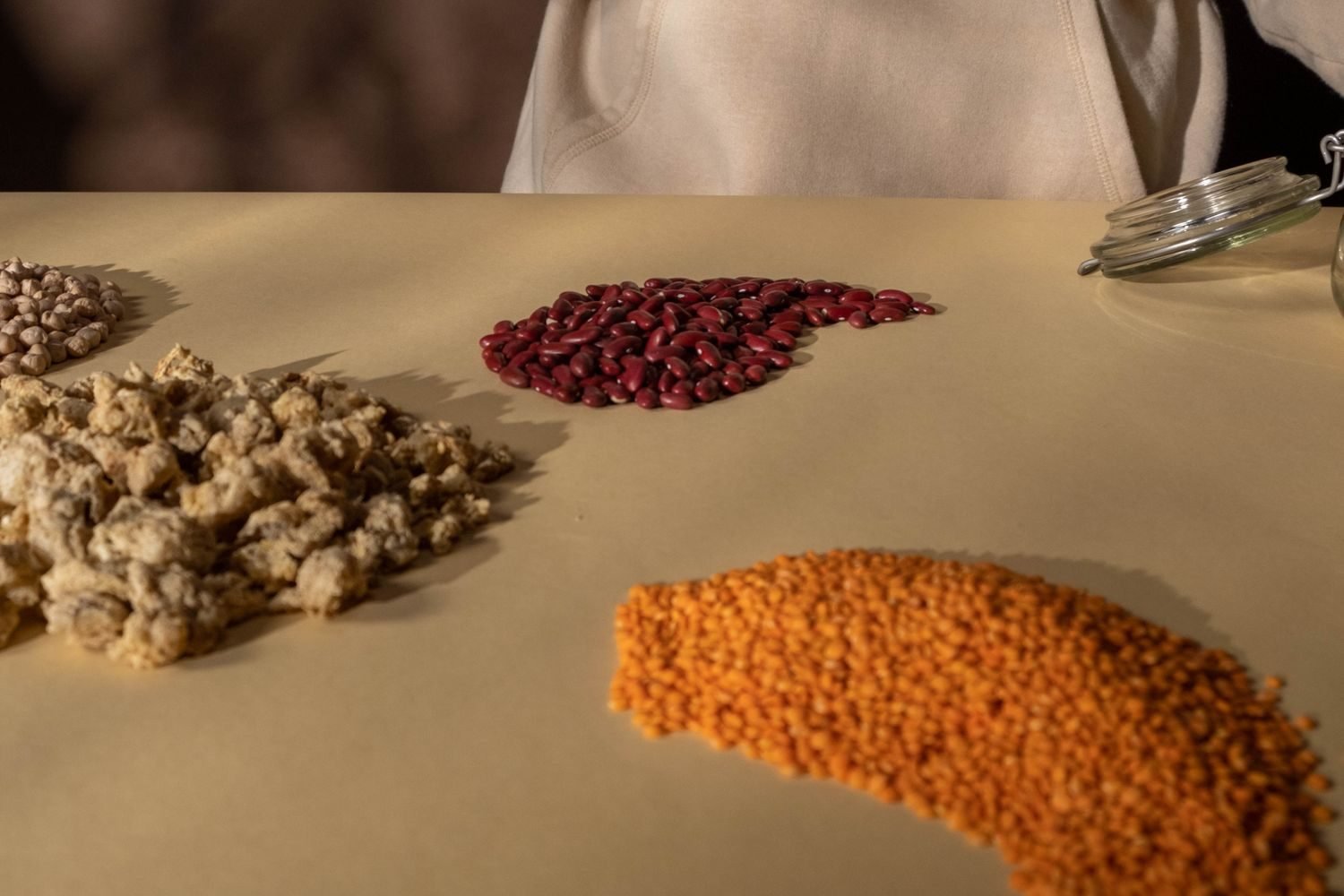
You don’t need to master tofu on day one. Canned lentils, chickpeas, and black beans are inexpensive, need zero prep skill, and can replace ground meat in tacos, chili, or pasta sauce two or three nights a week — often the fastest way to raise fiber intake meaningfully. If you’re wondering whether plant proteins can cover your amino acid needs, our guide to nutritionally essential amino acids explains how combining sources like beans, grains, and nuts adds up over the day.
Make one meal a day fully plant-based
Rather than plant-basing every meal, pick one — breakfast is often easiest, with oatmeal and fruit or avocado toast — and leave the rest of your day as normal. This cuts the decision fatigue that derails most diet changes.
Keep the fish and dairy if you enjoy them
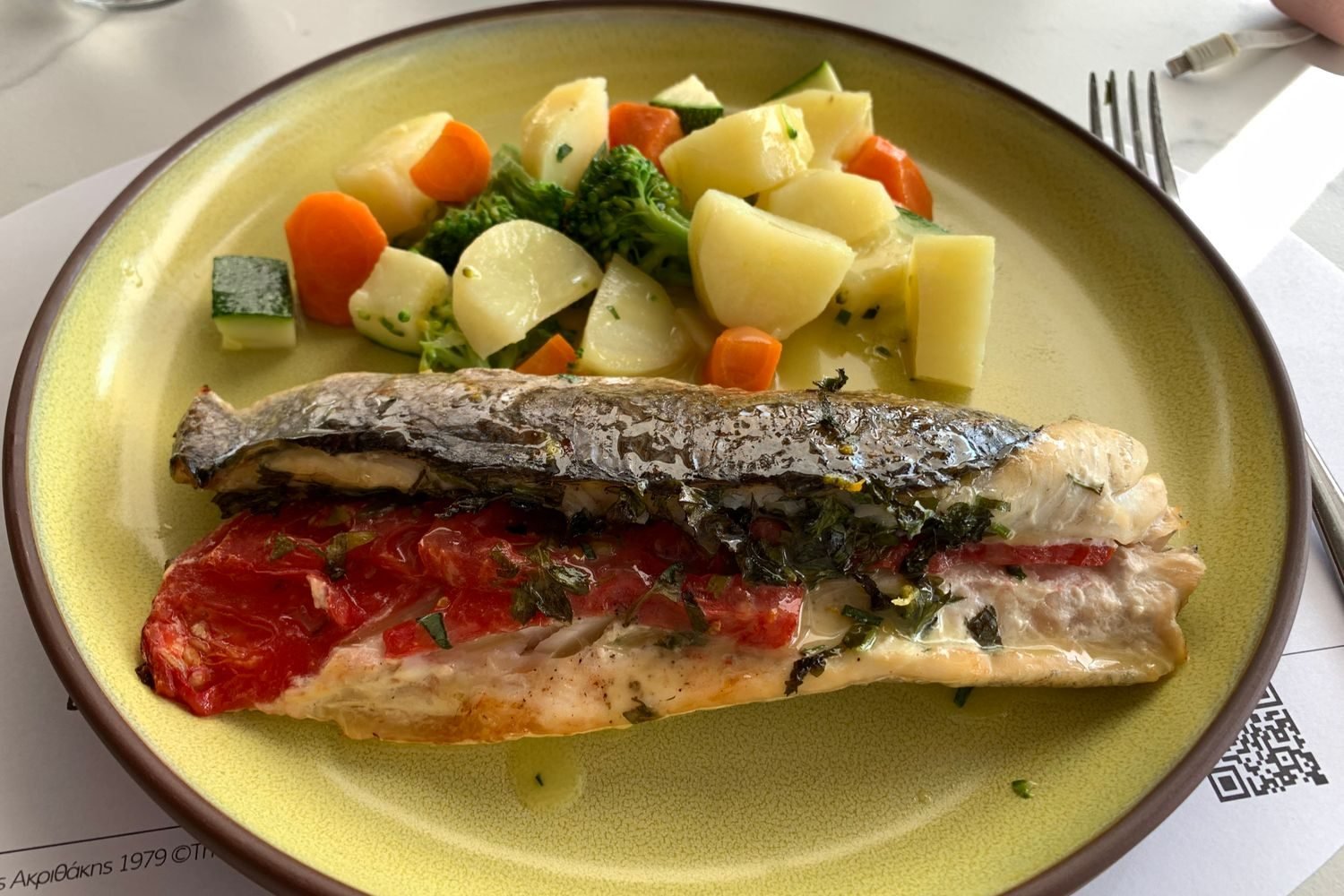
The research behind plant-forward eating, including the Planetary Health Diet studies, doesn’t require cutting fish, eggs, or dairy — just making them a smaller slice of a plant-dominant plate rather than the centerpiece. Fatty fish still offers omega-3s that are harder to get from plants alone.
Build a produce-forward grocery list
Frozen vegetables, canned tomatoes and beans, whole grains like oats and brown rice, and rotating seasonal produce make plant-forward cooking cheaper and faster than most people expect.
Does eating more plants mean eating less protein or fat?
No — and this is a common misconception that stops people from trying. A plant-forward diet isn’t inherently low-protein or low-fat; it’s the source and mix of those macronutrients shifting, not their disappearance. Legumes, whole grains, nuts, seeds, and — if you’re not strictly vegan — eggs, dairy, and fish can all contribute substantial protein.
Fat isn’t the enemy either. Nuts, seeds, olive oil, and avocado are calorie-dense plant foods rich in unsaturated fats, which research links to improved cholesterol profiles when they replace saturated fat sources. The shift that matters for fat loss and metabolic health isn’t “less fat” — it’s less saturated fat, more fiber, more whole foods. If weight management is part of your goal, our guide on nutrition and fat loss covers how fiber-rich, plant-forward meals support satiety without extreme restriction.
FAQ
Is plant-based eating the same as being vegetarian?
Not exactly. Vegetarian diets exclude meat and fish by definition but may include lots of dairy, eggs, and refined food. Plant-based eating is about proportion — building meals mostly around whole plant foods — and can technically include occasional meat, making it more flexible than a formal vegetarian label.
How much of my plate should actually be plants?
There’s no single official ratio, but researchers studying patterns like the Planetary Health Diet generally define “plant-forward” as roughly 70-80% of intake coming from vegetables, fruits, whole grains, and legumes, with the remainder including modest amounts of animal protein and added fats.
Will I get enough protein eating this way?
Yes, for most adults. Combining legumes, whole grains, nuts, and moderate amounts of eggs, dairy, or fish easily meets typical protein needs without tracking every gram. This differs from strict veganism, where protein and micronutrient planning requires more deliberate attention and often supplementation.
How fast will I notice health changes?
Blood pressure and cholesterol markers can shift within weeks of consistently eating more fiber and less saturated fat, but the cardiovascular and chronic disease risk reductions seen in research reflect years of sustained eating patterns, not a short-term fix.
Do I need supplements on a flexible plant-based diet?
Generally no, if you still eat some dairy, eggs, or fish occasionally, since these cover nutrients like B12 and omega-3s that are harder to get from plants alone. Strict vegan diets have very different supplementation needs — that’s covered separately in our vegan nutrition guide.
Can I do this if I don’t like cooking?
Yes. Canned beans, frozen vegetables, pre-washed greens, and microwavable whole-grain pouches require minimal prep. Plant-forward eating is often easier for beginner cooks than elaborate meat-based meals, since many staples need little more than heating, seasoning, and combining a few ingredients.
Shifting toward plant-based eating doesn’t require a strict label or an all-or-nothing commitment — it requires consistently making plants the largest part of your plate. If you want a plan tailored to your current eating habits, goals, and any health conditions, an online nutritionist consultation can help you build a realistic, plant-forward routine that actually fits your life.