If you’re vegetarian or vegan and feel persistently tired, foggy, or tingly in your hands and feet, vitamin B12 deficiency should be on your checklist — not just low iron. B12 is found almost exclusively in animal foods, which means anyone who limits meat, fish, eggs, or dairy is working with a much smaller margin of safety than they realize. Studies on vegetarian populations in India have found subnormal B12 status in 50-70% of vegetarians and vegans tested, a number far higher than most people expect from a “healthy” plant-forward diet. The good news is that B12 deficiency is one of the most fixable nutrition problems out there — but only once it’s actually identified, which is exactly where structured nutrition counseling earns its keep.
What does vitamin B12 actually do, and why is deficiency so easy to miss?
Vitamin B12 (cobalamin) is required for making red blood cells, maintaining the protective myelin sheath around nerves, and supporting DNA synthesis. Because the body stores several years’ worth of B12 in the liver, deficiency tends to creep in slowly — sometimes over years — rather than announcing itself suddenly. That slow onset is precisely why it’s so often missed or misattributed to stress, aging, or “just being tired.”
According to the Cleveland Clinic, symptoms can develop gradually and worsen over time, and they span far more than fatigue. Many of the most telling signs are neurological rather than the classic “anemia” symptoms people expect, which means a standard energy-level complaint can hide a B12 problem that’s already affecting the nervous system. This is one of the clearest cases in everyday vitamin nutrition where symptoms and root cause don’t match up, and self-diagnosis tends to go sideways.
What are the early and neurological symptoms of B12 deficiency?
Physical symptoms tend to show up first, but neurological ones are often what actually gets people to see a doctor. Because nerve damage from prolonged deficiency can become permanent if left untreated, catching these signs early matters more than with most nutrient gaps.
Physical and general symptoms
- Persistent fatigue and weakness that doesn’t improve with rest or sleep
- Pale or slightly yellow-tinged skin
- Shortness of breath, especially with exertion
- A smooth, sore, or swollen tongue
- Mouth ulcers
Neurological and psychological symptoms
- Numbness or tingling (“pins and needles”) in the hands and feet
- Difficulty with balance and coordination, or an unsteady gait
- Muscle weakness
- Memory problems and difficulty concentrating
- Mood changes including irritability, depression, anxiety, or apathy
- In severe, prolonged cases, vision disturbances
Research summarized in clinical literature notes that these neurological signs — including nerve tingling, gait disturbances, and cognitive changes — can actually appear before anemia shows up on a blood count, or even be the only presenting symptom. That’s a critical point: a normal hemoglobin level does not rule out B12 deficiency. If any of these symptoms sound familiar and you haven’t had B12 levels checked specifically, it’s worth raising with a doctor rather than assuming it’s just stress or low iron — a pattern closely related to how nutritional anemia gets misdiagnosed too.
Who is most at risk of vitamin B12 deficiency?
B12 deficiency isn’t random — it clusters around a few well-defined risk groups, and knowing whether you fall into one of them is the fastest way to decide whether testing makes sense.
Vegetarians and vegans
This is the big one, especially in India. Vitamin B12 occurs naturally only in animal products — meat, fish, poultry, eggs, and dairy. Plant foods contain essentially none of it unless they’ve been fortified. Lacto-vegetarians get some B12 from milk and dairy, but often not enough, while vegans who avoid all animal products are at the highest risk of all. A study published in the British Journal of Nutrition examining vegetarian Indians found subnormal B12 status was strikingly common even among people who considered their diets balanced — largely because dairy alone doesn’t reliably close the gap, and portion sizes and gut absorption also play a role. This is a recurring theme across broader nutritional deficiency patterns in vegetarian diets, not just B12.
Older adults
As we age, stomach acid production naturally declines, and B12 needs to be separated from food protein by stomach acid before it can be absorbed. This means older adults can be eating B12-rich food and still absorb very little of it — a condition distinct from simply not consuming enough.
People on metformin or long-term acid-reducing medication
Metformin, one of the most commonly prescribed medications for type 2 diabetes, has been shown to reduce B12 absorption with long-term use — likely by altering gut motility and calcium-dependent uptake in the small intestine. One study of community-dwelling older adults on metformin found B12 deficiency in nearly 30% of those tested. Proton pump inhibitors (PPIs), commonly prescribed for acid reflux, work similarly: by suppressing stomach acid, they impair B12 release from food, even when intake looks adequate on paper.
Others at elevated risk
- People with digestive conditions such as celiac disease or Crohn’s disease that affect nutrient absorption
- Anyone who has had weight-loss or intestinal surgery
- Pregnant and breastfeeding women following vegetarian or vegan diets, since infants depend on maternal B12 stores
- People with pernicious anemia, an autoimmune condition affecting B12 absorption
How is B12 deficiency diagnosed and managed through nutrition counseling?
This is where B12 deficiency becomes a genuinely good showcase for what structured nutrition counseling actually looks like — it’s rarely a single blood test and a supplement bottle. It’s a process.
Step 1: Testing, not guessing
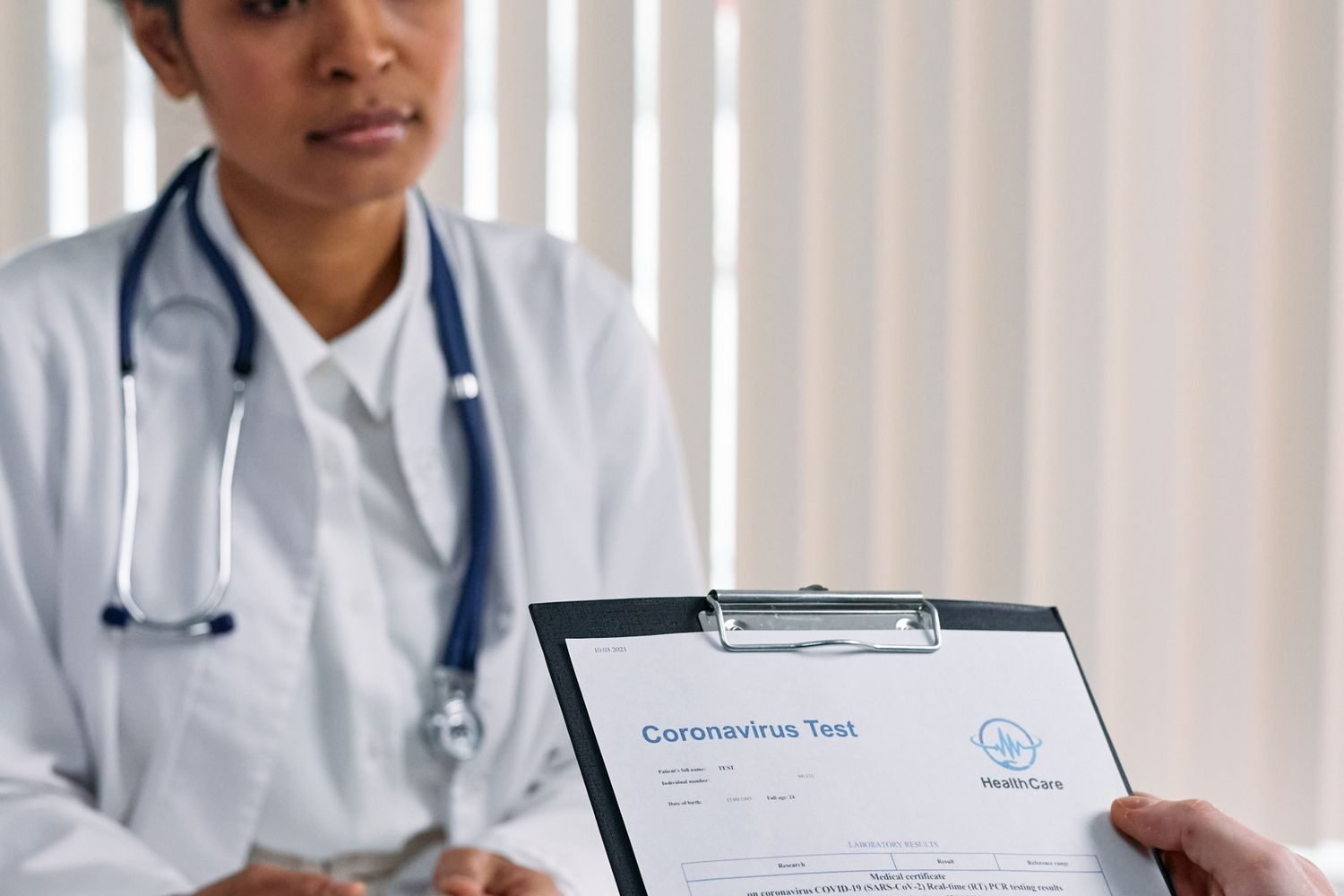
A serum B12 blood test is the starting point, though it isn’t perfect — levels can appear normal even in early or borderline deficiency, which is why some doctors also check methylmalonic acid (MMA) or homocysteine levels for a fuller picture. This is a case where working with a nutrition consultant matters: interpreting borderline results correctly, and deciding whether further testing is warranted, isn’t something a symptom checklist can do for you.
Step 2: A realistic dietary strategy for vegetarians
For lacto-vegetarians, the first step is usually maximizing reliable dietary sources: milk, curd, paneer, and eggs (for ovo-vegetarians) all supply B12, but consistency and quantity matter more than most people assume. A counselor can map out realistic daily targets based on what you actually eat, not a theoretical “balanced plate.” Fortified foods are the other major lever — some breakfast cereals and, notably, fortified nutritional yeast can meaningfully add to B12 intake, and checking nutrition labels for “added B12” becomes a genuinely useful habit rather than a vague suggestion. This kind of practical, personalized mapping is a core part of what good nutrition counseling looks like in practice, not a one-size-fits-all diet sheet.
Step 3: Knowing when supplementation becomes necessary
For strict vegans, and for many vegetarians once levels are confirmed low, diet alone often isn’t enough to correct an existing deficiency — supplementation becomes necessary rather than optional. The NIH Office of Dietary Supplements notes that fortified foods and supplements can substantially reduce deficiency risk, and for adults over 50, relying on supplements or fortified sources rather than food alone is a commonly recommended approach given naturally declining absorption. The exact form and dosing depends heavily on how severe the deficiency is and what’s causing it — which is precisely the kind of decision that should be made with a doctor, not from a supplement aisle. Nutrition counseling doesn’t replace that medical decision; it works alongside it, helping you build sustainable habits once a treatment plan is set and monitoring dietary intake over time so the deficiency doesn’t quietly return.

Why is B12 deficiency such a good example of when you need professional nutrition guidance?
B12 deficiency sits at a tricky intersection: it’s common, slow-moving, its symptoms overlap with a dozen other conditions, and correcting it requires both accurate testing and an individualized dietary plan — not a generic “eat more greens” answer, since leafy greens don’t actually contain B12. Someone who’s vegetarian, over 50, and on metformin is stacking three risk factors at once, yet each alone might not trigger obvious symptoms for years. Untangling that combination — what to test, how to read borderline results, which foods realistically help, and when supplementation is warranted — is exactly the kind of layered decision-making a one-size-fits-all diet chart can’t handle.
This is also why B12 deficiency so often gets miscategorized. It can look like plain fatigue, be mistaken for depression or anxiety given its mood-related symptoms, or get lumped in with iron-deficiency anemia when the two actually need different corrective approaches, even though they can occur together. A structured, professional evaluation of your diet, your risk factors, and your test results is what actually resolves the confusion. This kind of layered mapping — matching realistic food sources to individual risk — is a recurring theme across broader nutritional deficiency patterns generally, and it overlaps closely with getting overall protein and nutrition right for vegetarians, since many B12-rich foods double as key protein sources.

FAQ
Can B12 deficiency be fully reversed once symptoms appear?
Many symptoms, including fatigue and mild neurological issues, improve significantly once B12 levels are corrected. However, prolonged nerve damage from long-standing deficiency can sometimes be permanent, which is why early testing and treatment matter. Always consult a doctor for diagnosis and an appropriate treatment plan rather than waiting for symptoms to worsen.
Do eggs and dairy provide enough B12 for vegetarians?
They can contribute meaningfully, but quantity and consistency matter — many lacto-ovo-vegetarians still test low because intake is irregular or portions are smaller than assumed. A nutrition counselor can assess your actual daily intake against your needs rather than assuming dairy alone is sufficient.
Is B12 deficiency the same as iron-deficiency anemia?
No, though both can cause fatigue and anemia, they’re distinct conditions requiring different corrective approaches, and they can occur together. Blood tests can distinguish between them, which is why proper testing rather than assumption is essential before starting any correction plan.
Can I get enough B12 from fortified foods alone as a vegan?
It’s possible with consistent, deliberate intake of fortified cereals, fortified nutritional yeast, and similar products, but many vegans find it difficult to hit adequate levels through food alone. This is a common scenario where a doctor and nutrition counselor together determine whether supplementation is needed.
How often should vegetarians and vegans get B12 levels checked?
There’s no universal schedule — it depends on your diet, age, medications, and prior results. Someone with confirmed low levels or on metformin long-term may need more frequent monitoring than someone with a consistently strong dietary intake. A doctor can recommend a testing interval suited to your specific risk profile.
B12 deficiency is common, frequently overlooked, and genuinely fixable — but getting from “I feel off” to a confirmed diagnosis and a plan that actually fits your diet takes more than a quick internet search. If you’re vegetarian, vegan, over 50, or on medication that affects absorption, an online nutritionist consultation can help you figure out what testing to ask your doctor for and build a realistic, sustainable dietary strategy around the results.