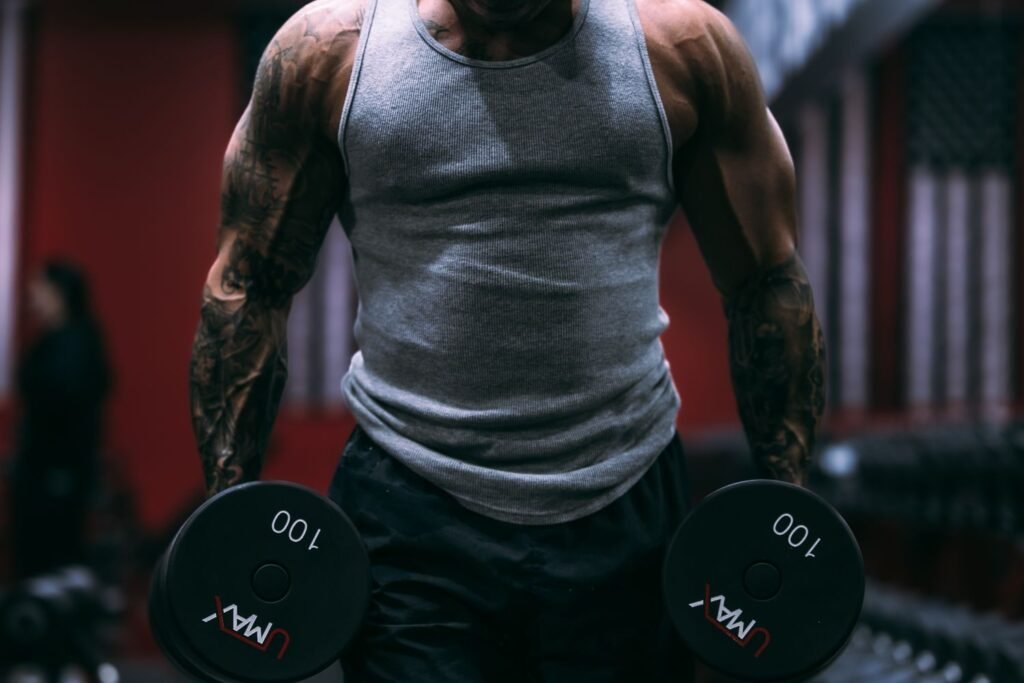
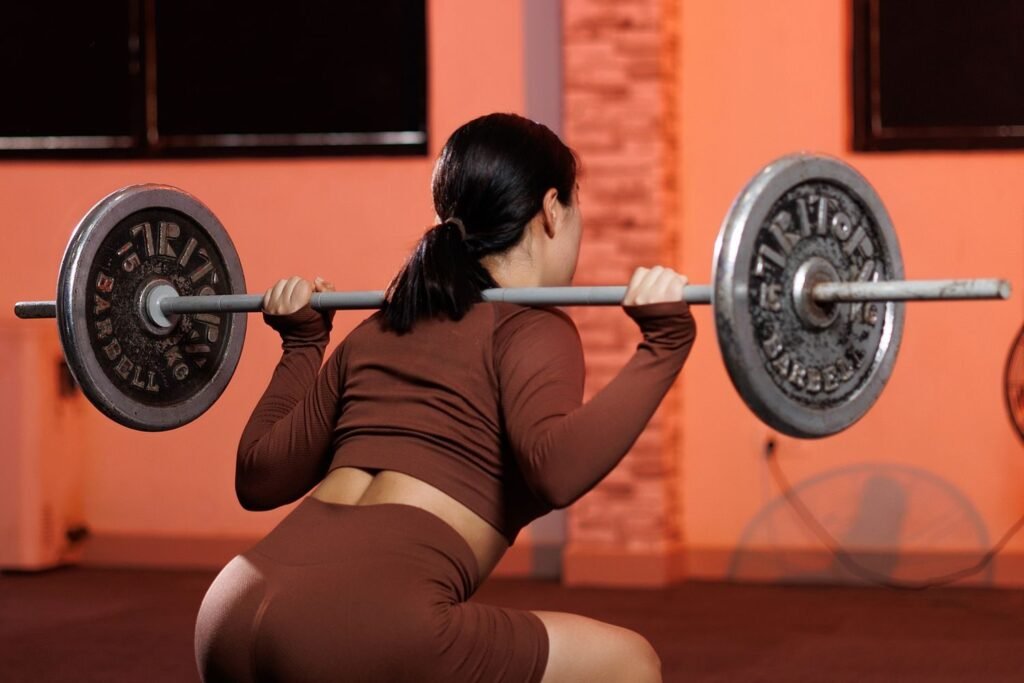
A thigh workout is any training session built around the muscles that run from your hip to your knee: the quadriceps on the front, the hamstrings on the back, and the adductors and abductors on the inner and outer thigh. At FitStrot we build thigh workouts around all four of these groups together, not just squats and lunges, because a program that skips the inner and outer thigh leaves real strength and stability on the table. A complete session usually mixes a compound lift, a hinge movement, and at least one isolation exercise for the inner or outer thigh.
Why Does Thigh Training Matter?
Your thighs are the biggest muscle mass in your lower body, and they do more than fill out a pair of jeans. Strong quads protect your knees when you climb stairs or run. Strong hamstrings keep your hips healthy and reduce your risk of pulls when you sprint or change direction. The adductors and abductors control side-to-side movement, which is exactly where most people are weakest because gym programs rarely train that plane at all. We program thigh work for nearly every client we coach, whether the goal is fat loss, strength, or just walking up a flight of stairs without your knees complaining.
Thigh training also drives a big chunk of your daily calorie burn. Large muscle groups need more energy to work and recover, so a heavy leg session does more metabolic work than an equivalent amount of time on isolated arm or shoulder exercises. If fat loss is the goal, thighs are not optional accessory work, they’re the main event.
What Muscles Make Up the Thigh?
The quadriceps sit on the front of the thigh and straighten the knee. They’re made up of four muscles, and squats, lunges, and leg extensions hit them hardest. The hamstrings run along the back of the thigh, bend the knee, and extend the hip, so deadlifts, hip thrusts, and leg curls are your main tools there. The adductors on the inner thigh pull your legs toward the midline, and the abductors on the outer thigh (mainly the glute medius) move your legs away from it. Both groups get almost no work from standard squat and lunge programming, which is why we treat them as their own category rather than an afterthought.
If you want a deeper breakdown of inner thigh training specifically, including exercises that isolate the adductors without wrecking your knees, we’ve written a full inner thigh workout guide that pairs well with everything below.
How Do You Build a Complete Thigh Workout?
We structure thigh sessions around three questions: what moves the most weight (compound lifts), what isolates a weak point, and what trains a plane of motion the rest of the session ignores. A squat or leg press covers the quads. A Romanian deadlift or hip thrust covers the hamstrings and glutes. Then we add one or two exercises for the inner and outer thigh, usually a cable adduction or abduction movement, or a lateral lunge if we’re short on equipment.
Rep ranges depend on the goal, but for general strength and hypertrophy we usually keep compound lifts in the 6-10 rep range and isolation work in the 12-15 rep range. Rest periods matter more than people think. Heavy compound lifts need 90-120 seconds to let you actually push the next set, while isolation work can get away with 45-60 seconds.
Sample Full Thigh Workout
| Exercise | Target Area | Sets | Reps | Rest |
|---|---|---|---|---|
| Barbell Back Squat | Quads, glutes | 4 | 6-8 | 120 sec |
| Romanian Deadlift | Hamstrings, glutes | 3 | 8-10 | 90 sec |
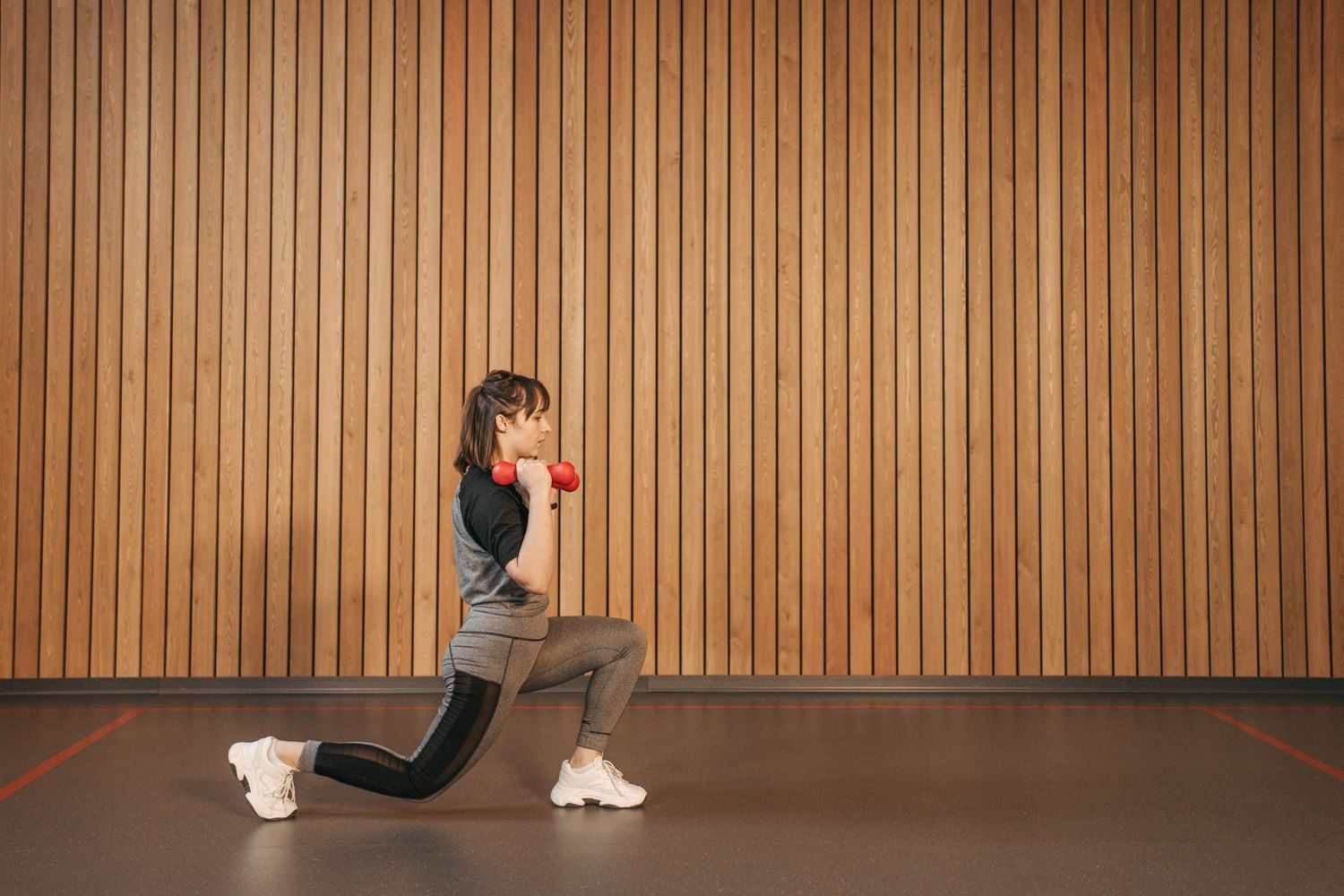
| Walking Lunge | Quads, glutes, stabilizers | 3 | 10 per leg | 75 sec |
| Cable Hip Adduction | Inner thigh | 3 | 12-15 | 45 sec |
| Standing Cable Hip Abduction | Outer thigh, glute medius | 3 | 12-15 | 45 sec |
| Lying Leg Curl | Hamstrings | 3 | 10-12 | 60 sec |
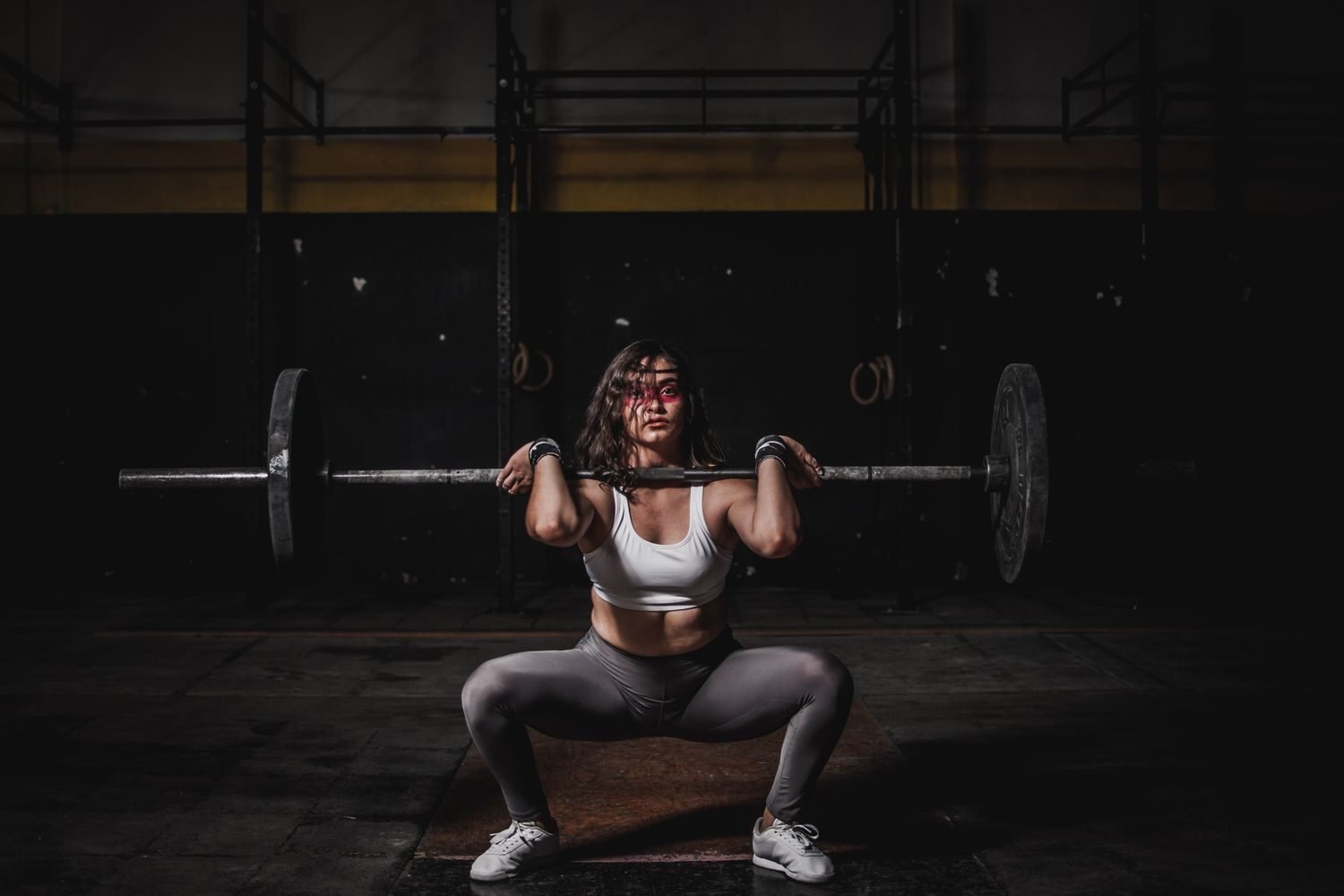
Run this once a week as a standalone thigh day, or split the moves across two sessions if you’re training legs twice a week. Either way you’re hitting quads, hamstrings, and the inner and outer thigh in one plan, not treating them as separate afterthoughts.
How Do You Train Inner and Outer Thigh Separately?
The inner thigh (adductors) and outer thigh (abductors, mainly glute medius) work in opposite directions, so you need exercises that push and pull the leg across your body, not just up and down. For inner thigh, we lean on cable or machine adduction, sumo squats, and copenhagen planks for clients who want a real strength challenge. For outer thigh, side-lying leg raises, band walks, and cable abduction do the job well.
Most people can’t tell if their outer thigh is actually weak until they try single-leg work and their hip drops on one side. That’s usually the sign an abductor is lagging. Training these two areas separately, rather than hoping squats will cover it, is the fastest way to fix that kind of imbalance and to build the shape most people actually want when they say they want “toned” thighs.
Can You Do Thigh Workouts at Home?
Yes, and you don’t need a squat rack to make real progress. These home-friendly moves can build serious thigh strength if you push the reps and control your tempo:
- Bodyweight squats
- Walking lunges
- Glute bridges
- Single-leg Romanian deadlifts
- Lateral band walks
A resistance band is the single best investment for home inner and outer thigh work since it lets you load adduction and abduction movements that are otherwise hard to resist without a cable machine.
The catch is progression. Bodyweight training gets you strong up to a point, then you plateau unless you add resistance, slow the tempo, or move to single-leg variations that increase the load on one limb at a time. We build home thigh programs for clients who travel constantly or don’t have gym access, and the ones who keep progressing are the ones who treat tempo and rep quality as seriously as they’d treat adding weight in a gym.
How Often Should You Train Your Thighs?
Two to three sessions a week works for most people who want visible strength and shape changes. That gives each muscle group enough stimulus to grow while leaving 48 hours to recover before you load it again. If you’re only training thighs once a week, you can still make progress, but it’ll be slower and you’ll need to work harder within that single session to make it count.
Soreness isn’t a great guide for frequency. It fades as your body adapts even when the training is still effective, so we coach clients to track load and reps instead of how sore they feel the next day.
What Mistakes Should You Avoid?
The biggest mistake is training quads and forgetting everything else. Squats and leg press feel productive because they’re heavy, but they leave the hamstrings and inner/outer thigh undertrained, and that imbalance eventually shows up as knee pain or a weak hip. We see clients make the mistake of chasing heavier squats every week while their hamstring and adductor strength barely moves, and it catches up with them eventually, usually as knee discomfort or a hip that feels unstable on one side.
Another common error is skipping the hip hinge entirely. Deadlifts and hip thrusts train the hamstrings and glutes in a way that lunges and squats simply don’t reach as well. If your program is all squat variations, you’re missing half the picture, and if you’re not sure how the rest of your leg training should fit around this, our guides on leg workouts for women and leg day for men walk through full lower-body programming in more detail.
Getting a Program Built for You
Everything above is a solid starting point, but the right sets, reps, and exercise selection depend on your current strength, your injury history, and what you’re actually training toward. We adjust thigh programming constantly based on how a client responds week to week, something a generic template can’t do. If you want a program built specifically for your goals, that’s what our 1-on-1 personal training is for, we design it around you rather than handing you a one-size-fits-all plan.
Frequently Asked Questions
What is the best thigh workout?
There’s no single best exercise, but the best thigh workout combines a compound lift like squats, a hip hinge like Romanian deadlifts, and isolation work for the inner and outer thigh such as cable adduction and abduction. This combination trains quads, hamstrings, and the often-neglected sides of the thigh in one session.
Can you do thigh workouts at home?
Yes. Bodyweight squats, lunges, glute bridges, and band walks build real thigh strength without equipment. A resistance band adds enough load for inner and outer thigh exercises. Progress comes from increasing reps, slowing tempo, or moving to single-leg variations once bodyweight work stops feeling challenging.
How do you train inner and outer thigh separately?
Inner thigh (adductors) responds to cable adduction, sumo squats, and copenhagen planks. Outer thigh (abductors and glute medius) responds to cable abduction, side-lying leg raises, and band walks. These muscles move the leg in opposite directions, so training them with dedicated exercises works better than relying on squats alone.
How often should you train your thighs?
Two to three sessions per week suits most people chasing strength or shape changes, with at least 48 hours between sessions for recovery. One session a week can still produce results if you push intensity, but progress will be slower compared to training thighs multiple times weekly.
Do thigh workouts help with weight loss?
Thigh workouts support fat loss because the thigh muscles are large and burn meaningful energy during and after training. They won’t spot-reduce fat from your legs specifically, but combined with a calorie deficit and consistent training, they build the muscle that keeps your metabolism working harder at rest.