The best inner thigh workout combines resistance-based adductor exercises (cable or band hip adduction, Copenhagen planks, sumo squats) with compound lower-body lifts that load the inner thigh through a wide stance. Two focused sessions a week, done consistently for six to eight weeks, is what we build into most client plans before people start noticing real strength and tone changes in that area. This article breaks down the muscles involved, a full sample session, and the honest truth about what these exercises can and can’t do for fat loss.
Why Do Most Leg Workouts Skip the Inner Thigh?
Walk into almost any gym and you’ll see squats, lunges, leg presses, and leg curls on repeat. All good exercises. None of them do much for the adductors, the muscle group that runs along your inner thigh and pulls your leg toward the midline of your body.
Most lower-body programs are built around movements that happen in one plane, forward and back. The inner thigh works best in lateral and rotational movement, the kind you get from lunging sideways, stepping out wide, or resisting a band pulling your leg away from your body. If your training never asks your legs to move sideways, your adductors barely get touched.
We covered general lower-body training in our broader guide to thigh workouts, which walks through quads, hamstrings, and glutes as a full picture. This article goes narrower. We’re talking specifically about the adductor group, why it gets neglected, and how to train it properly.
What Muscles Make Up the Inner Thigh?
The inner thigh isn’t one muscle, it’s a group of five:
- Adductor magnus
- Adductor longus
- Adductor brevis
- Gracilis
- Pectineus
Together they’re called the hip adductors. Their main job is pulling the thigh inward, but several of them also assist with hip flexion and internal rotation, which is why they get stressed during lateral cuts, lunges, and even single-leg balance work.
The adductor magnus is the biggest of the group and behaves almost like two muscles in one, with a portion that also helps extend the hip. That’s part of why sumo-stance movements, where the hips extend and the legs move outward under load, hit the inner thigh so effectively. You’re loading the adductors in a stretched position, which is exactly where a lot of research on hypertrophy says muscle growth responds best.
This muscle group also matters for injury prevention, not just aesthetics. Weak adductors are linked to groin strains in field sport athletes, which is why the Copenhagen plank, originally designed by Danish sports scientists for soccer players, has become a staple in groin injury prevention programs. We use a version of it with almost every client who plays a sport involving cutting or lateral movement.
Do Inner Thigh Exercises Actually Reduce Thigh Fat?
No, and we’d rather tell you that upfront than let you waste months expecting it. Spot reduction, the idea that working a muscle burns fat specifically from the skin above it, isn’t how the body loses fat. Fat loss happens across the whole body based on overall energy balance, hormones, and genetics, not which muscle you just trained.
What inner thigh exercises do give you is a stronger, more defined adductor muscle. Over time, as your overall body fat drops through diet and consistent training, that muscle definition becomes visible. The exercise builds the muscle. Your nutrition and total training volume determine whether fat comes off on top of it.
If your actual goal is leaner-looking legs overall, you need a program built around calorie balance and full lower-body training volume, not isolated inner thigh work. We wrote a dedicated plan for that in our leg workout guide for women training in the gym, and a separate one for men in our leg day workout for men. Both go deeper into the volume and diet side of leg training than we will here, because this article is about building the adductor muscle itself, not chasing fat loss in one spot.
What Is the Best Inner Thigh Workout?
Here’s a session we actually program for clients who want dedicated adductor work, whether that’s for aesthetics, sport performance, or rehab from a mild groin strain. It combines an isolation movement, a compound lift, a unilateral strength exercise, and a stability-focused finisher.
| Exercise | Sets x Reps | Rest | Coaching Cue |
|---|---|---|---|
| Cable or Band Hip Adduction | 3 x 15-20 per leg | 45 sec | Control the return, don’t let the band or cable yank your leg back out |
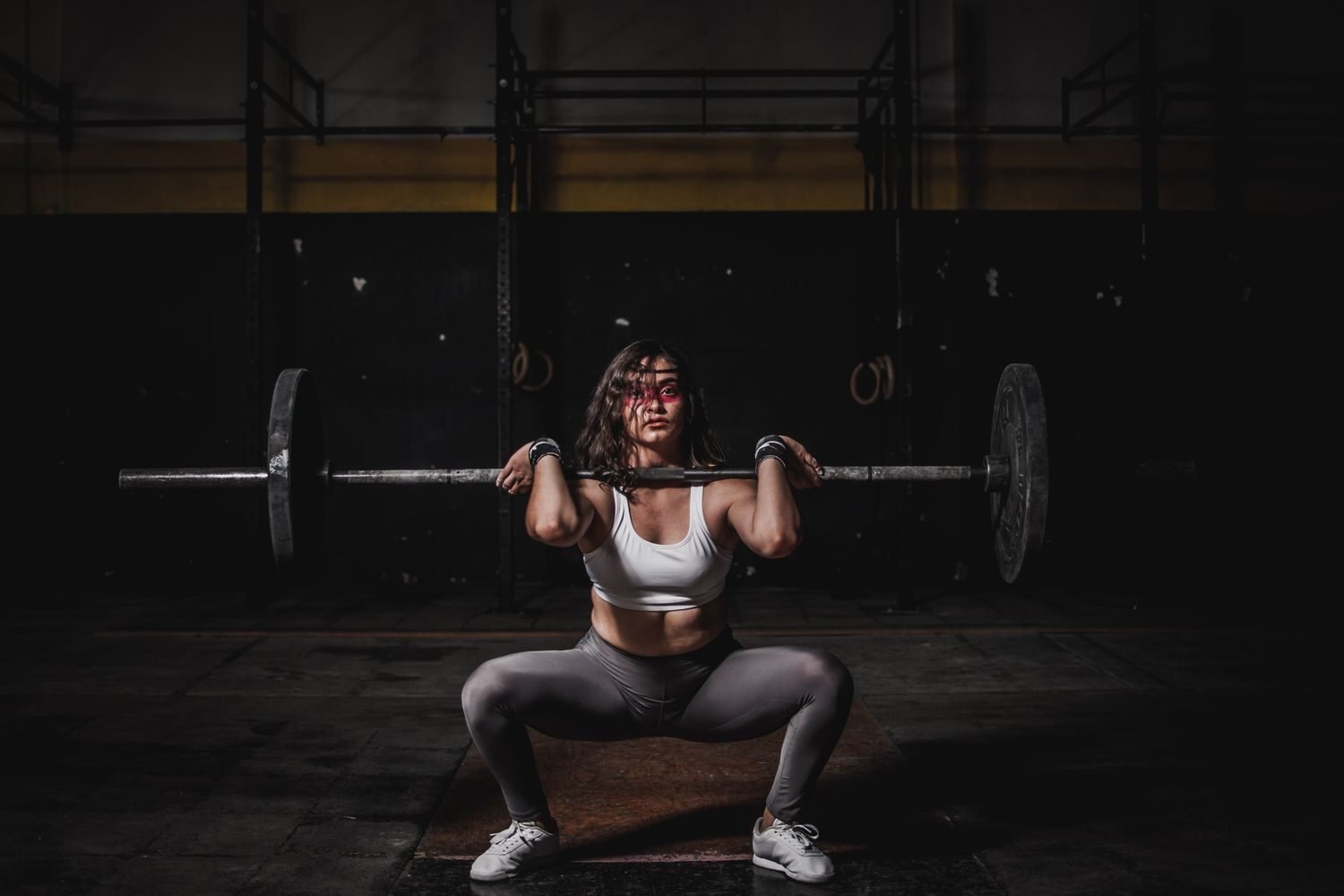
| Sumo Squat (barbell or dumbbell) | 4 x 10-12 | 60-75 sec | Toes turned out 30-45 degrees, knees track over toes, sit straight down |
| Copenhagen Plank (bent-knee regression if needed) | 3 x 15-20 sec hold per side | 45 sec | Keep hips stacked, top leg supported on bench, squeeze the inner thigh to stay level |
| Curtsy Lunge | 3 x 10 per leg | 45 sec | Step back and across, keep front knee stable, drive through the heel to stand |
| Side-Lying Leg Lift | 2 x 15-20 per leg | 30 sec | Lead with the heel, keep the working leg straight and slightly turned out |
Run this as its own session once a week, or split the exercises across two lower-body days if you’re already training legs twice a week. Warm up the hips first with a few minutes of leg swings and bodyweight lateral lunges before loading anything.
Can You Do an Inner Thigh Workout at Home?
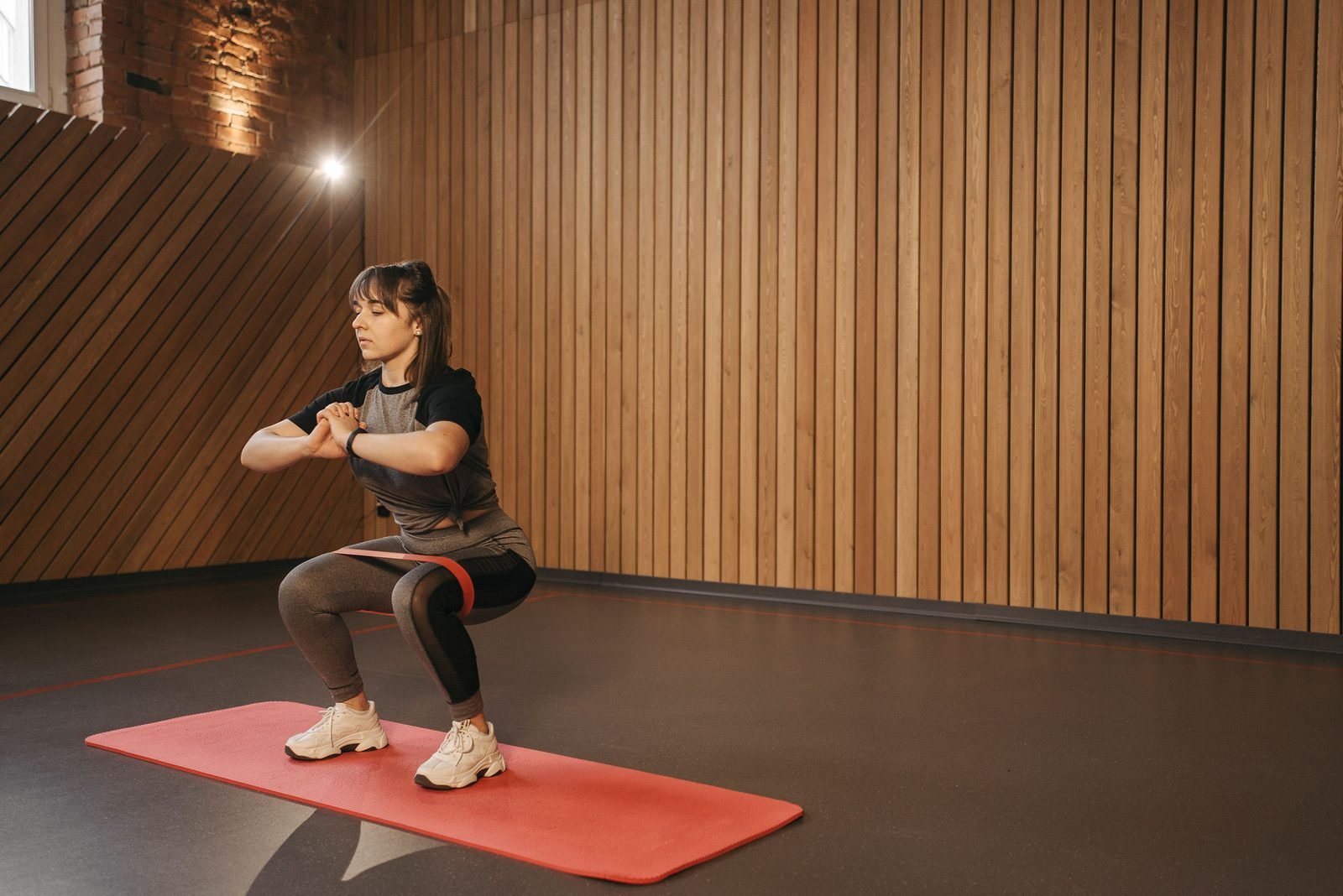
Yes, and honestly, most of the exercises above translate to home training with minimal equipment. A single resistance band replaces the cable machine for adduction work. Sumo squats, curtsy lunges, and side-lying leg lifts need nothing but floor space. The Copenhagen plank needs a bench, couch, or sturdy chair to rest your top leg on.
What changes at home is progression. In a gym, you add plates. At home, you add reps, slow the tempo down, or move to a heavier band. A 3-second lowering phase on a banded adduction or a curtsy lunge will make a light band feel a lot heavier than it looks. Don’t underestimate tempo as a loading tool just because you don’t have a rack.
How Often Should You Train Your Inner Thighs?
Two sessions a week is the sweet spot for most people. The adductors are a smaller muscle group compared to your quads or glutes, and they also get indirect work from squats, lunges, and deadlifts you’re likely already doing. Training them directly twice a week, with at least 48 hours between sessions, gives you enough stimulus without turning into overuse.
If you’re coming back from a groin strain or working on injury prevention for a field sport, three lighter sessions focused on eccentric control, like the Copenhagen plank, tend to work better than two heavier ones. That’s a case where frequency matters more than load.
How Does Inner Thigh Training Fit Into a Full Leg Program?
Inner thigh work shouldn’t replace your regular leg day, it should sit alongside it. If you’re only doing adductor isolation exercises and skipping squats, lunges, and hip hinges, you’re leaving most of your leg muscle mass undertrained. The inner thigh session above works best layered into a week that already includes quad and hamstring focused training, and posterior chain work for your glutes and hamstrings.
We built our pillar guide on thigh workouts to cover exactly that full picture, how the quads, hamstrings, and adductors work together across a week of training. If you haven’t structured a full leg program yet, start there and then bring this inner thigh session in as an add-on or a dedicated third leg day.
In our own coaching, we see clients get frustrated with inner thigh training because they judge it session to session instead of week to week. Adductor strength gains are slower to feel than quad or glute gains, mostly because the muscle group is smaller and doesn’t get loaded as heavily. Stick with it for a full training block before deciding it isn’t working.
Want This Built Into Your Own Program?
Every client’s inner thigh needs are different. Someone recovering from a groin strain needs a different loading pattern than someone training for aesthetics or sport performance. A generic template can only take you so far. If you want a plan that accounts for your current strength, your schedule, and your actual goals, our 1-on-1 personal training service builds that out with you from week one, with a coach adjusting the plan as you progress instead of leaving you to guess.
What is the best inner thigh workout?
The best inner thigh workout combines direct adductor isolation, like cable or band hip adduction and Copenhagen planks, with compound lifts done in a wide stance, like sumo squats and curtsy lunges. This mix builds strength through the full range the adductors work in, rather than isolating them in one narrow movement pattern.
Can you do inner thigh workouts at home?
Yes. A resistance band covers cable-style adduction work, and bodyweight moves like sumo squats, curtsy lunges, and side-lying leg lifts need no equipment at all. The Copenhagen plank just needs a bench or couch to rest your top leg on. Progress by slowing your tempo or upgrading band resistance instead of adding plates.
Do inner thigh exercises reduce thigh fat?
No. Spot reduction isn’t real, so training your adductors won’t specifically burn fat from your inner thighs. What it does is build and strengthen the muscle underneath. Visible leanness in that area comes from overall fat loss through nutrition and total training volume, not from isolating one muscle group.
How often should you train your inner thighs?
Twice a week works for most people, with at least 48 hours between sessions. The adductors also get indirect work from squats, lunges, and hip hinges you’re likely already doing, so you don’t need daily direct training. If you’re rehabbing a groin strain, three lighter, eccentric-focused sessions can work better than two heavy ones.
Are inner thigh exercises useful if you play sports?
Very. Weak adductors are strongly linked to groin strains in sports involving cutting, sprinting, or sudden direction changes. Exercises like the Copenhagen plank were developed specifically for this reason and are widely used in professional soccer to build eccentric adductor strength and lower groin injury risk during the season.