Muscle pain after a workout is your body’s normal response to unfamiliar or intense exercise, most commonly delayed onset muscle soreness (DOMS), which shows up 12 to 48 hours after training and fades within a week. It happens because of microscopic tears in muscle fibers, not because something’s wrong. At FitStrot, we tell clients that some soreness is a sign of adaptation, but pain that’s sharp, one-sided, or tied to a specific joint movement is a different story and needs attention.
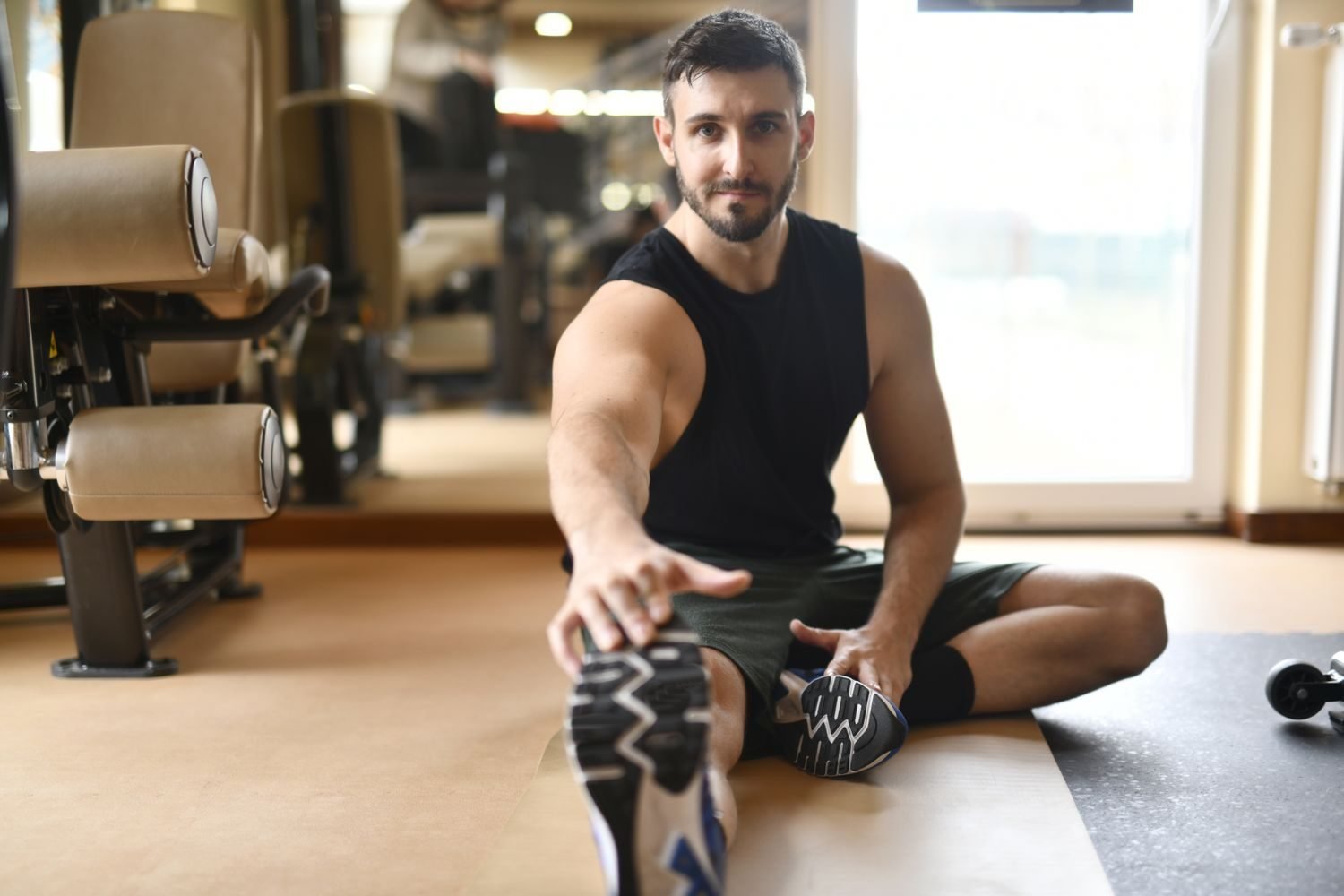
Why Does Muscle Pain Happen After a Workout?
When you lift a weight your muscles aren’t used to, or push through more reps than usual, you create tiny tears in the muscle fibers and connective tissue. Your body responds with inflammation, which is what causes that stiff, achy feeling you notice the next day. This is DOMS, and it’s one of the most well documented responses in exercise science. It’s not lactic acid buildup, that idea got debunked decades ago. Lactic acid clears from your muscles within an hour of finishing a workout, long before soreness even starts.
We program new movements or heavier loads for clients all the time as part of a structured workout plan, and the soreness that follows is usually a sign the muscle is being challenged in a way it hasn’t been before. Once your body adapts to a movement pattern, that same session stops producing the same level of soreness. This is called the repeated bout effect, and it’s why your second leg day always hurts less than your first.
How Do You Tell Normal Soreness From an Injury?
This is the question that actually matters. Soreness and injury feel different if you know what to check. Normal DOMS is dull, symmetrical, and gets better with light movement. Injury pain tends to be sharp, localized, and gets worse when you move the joint or muscle a certain way. Here’s how we break it down with clients:
| Feature | Normal DOMS | Possible Injury |
|---|---|---|
| Onset | 12 to 48 hours after training | Immediate, during or right after the movement |
| Pain type | Dull, achy, stiff | Sharp, stabbing, or burning |
| Location | General, spread across the muscle belly | Specific point, often near a joint or tendon |
| Symmetry | Usually affects both sides equally | Usually one-sided |
| Response to movement | Eases up as you warm up and move around | Gets worse with movement or load |
| Swelling or bruising | Rare, mild if present | Common, visible swelling or discoloration |
| Duration | Resolves within 3 to 7 days | Persists or worsens past a week |
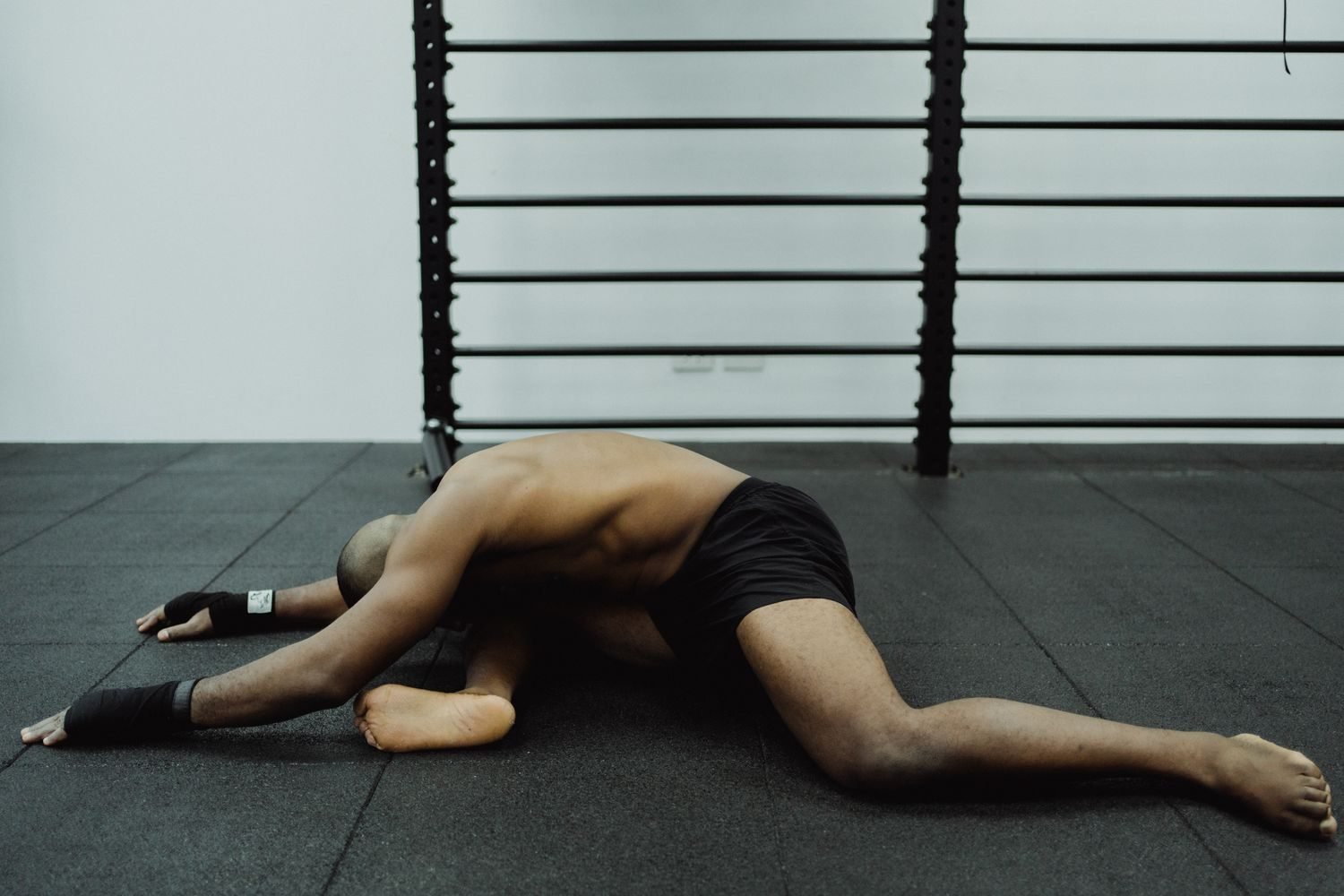
If you’re dealing with the right-hand column, stop training that area and get it checked by a physiotherapist or doctor. Training through a genuine injury almost always makes recovery longer, not shorter.
How Long Does Muscle Pain After a Workout Usually Last?
Typical DOMS peaks around 24 to 72 hours after a session and settles down within 5 to 7 days. Soreness that lingers well beyond a week, especially if it’s not improving day over day, is worth flagging to your coach or a medical professional. We generally expect newer clients to feel more soreness in their first few weeks of a program simply because their bodies haven’t built the movement tolerance yet. That soreness window shrinks as training experience builds, even when the intensity keeps climbing.
How Do You Reduce Muscle Soreness After a Workout?
You can’t eliminate DOMS entirely, and honestly, you shouldn’t try to, since some soreness means your training is doing its job. But you can manage it so it doesn’t derail your next few sessions.
- Move, don’t rest completely. Light activity like walking, easy cycling, or a gentle mobility session increases blood flow to sore muscles and speeds up recovery more than sitting still does. We build active recovery days into every program we run, not full rest days, because total inactivity tends to make soreness feel worse, not better.
- Stay on top of hydration. Dehydrated muscle tissue recovers slower and cramps more easily. Water intake affects nutrient delivery to damaged fibers, so if you’re training in India’s heat and humidity, this matters more than most people realize.
- Prioritize sleep. Most muscle repair happens while you sleep, when growth hormone release peaks. Cutting sleep short after a hard training session is one of the fastest ways to extend your soreness and blunt your results.
- Warm up and cool down properly. A proper warm up prepares the muscle for load, and a short cool down with light stretching helps you come down from intensity gradually. Neither eliminates soreness, but both reduce how harsh it feels.
We see clients make the mistake of pushing through heavy training weeks without adjusting anything else in their routine, then wonder why they’re sore for ten days straight instead of four. Recovery isn’t passive. It’s something you have to actively manage alongside the training itself, and that includes how your week of sessions is structured overall. If you want to see how we think about sequencing hard days against easier ones, our guide on building a workout plan covers how we balance training stress with recovery planning across a full week.
What Should You Eat After a Workout to Build Muscle?
Protein and carbohydrates are the two things that matter most after training. Protein supplies the amino acids your muscles need to repair and rebuild the fibers that got broken down during your session. Carbohydrates replenish glycogen stores, which is your muscle’s main fuel source, and they also blunt the stress hormone response that comes with hard training.
You don’t need anything fancy here. A meal built around whole foods, eggs, chicken, dal, paneer, rice, roti, fruit, works just as well as anything else, as long as the protein and carb targets are being hit consistently. What matters more than any single post-workout meal is your total daily protein intake and whether you’re eating enough overall to support the muscle you’re trying to build. If you’re training to gain size and strength, our piece on structuring a weight gain workout plan goes deeper into how we set nutrition targets alongside training volume for clients trying to build muscle, not just survive their sessions.
Does Training Volume Affect How Sore You Get?
Yes, and this is where a lot of home gym lifters get it wrong. More sets and more frequency don’t automatically mean better results, they mean more soreness if your body isn’t ready for that volume yet. We ramp up training volume gradually with every client we coach, because jumping straight into a high frequency split is one of the fastest ways to end up so sore you can’t train again for a week. If you’re curious about how volume and frequency should scale over time, we broke this down in our article on a double muscle workout plan, which covers how we structure split routines without overloading a muscle group before it’s recovered.
The goal isn’t to avoid soreness altogether. It’s to train hard enough to progress while keeping recovery manageable, so soreness doesn’t turn into missed sessions or a plateau.
When Should You See a Professional About Muscle Pain?
If pain is sharp, localized to a joint, accompanied by visible swelling or bruising, or it’s getting worse instead of better after a few days, stop training that area and get it looked at. Same goes for any pain that limits your normal daily movement, like walking up stairs or lifting your arm overhead well outside of the expected DOMS window. These are signals worth taking seriously rather than pushing through.
A lot of the soreness and injury confusion we see comes down to programs that aren’t tailored to the person doing them. Generic plans don’t account for your current strength levels, your recovery capacity, or how your body responds to volume. That’s exactly why we build every training block around the individual client instead of handing out the same template to everyone. If you want a program built specifically for your goals, that’s what our 1-on-1 personal training is for.
Frequently Asked Questions
Why do you get muscle pain after a workout?
Muscle pain after a workout usually comes from delayed onset muscle soreness, caused by microscopic tears in muscle fibers during unfamiliar or intense exercise. Your body responds with inflammation as it repairs the tissue, which creates that stiff, achy feeling. It’s not caused by lactic acid buildup, and it’s a normal part of getting stronger.
How do you reduce muscle soreness after a workout?
Light movement like walking or easy cycling improves blood flow and speeds recovery more than complete rest does. Staying hydrated, eating enough protein, and prioritizing sleep all support muscle repair. A proper warm up and cool down around your sessions also reduce how intense the soreness feels afterward.
What should you eat after a workout to build muscle?
Focus on whole food sources of protein and carbohydrates, things like eggs, chicken, dal, paneer, rice, and fruit. Protein repairs muscle fibers broken down during training, while carbs restock glycogen and support recovery. Your total daily intake matters more than any single post-workout meal for actual muscle growth.
Is muscle pain after every workout normal, or a bad sign?
Mild, general soreness after tough or unfamiliar sessions is normal, especially early in a program. It’s a bad sign when pain is sharp, one-sided, tied to a joint, or getting worse instead of better after several days. Persistent pain beyond a week or pain that limits daily movement needs a professional to look at it.
Why does soreness decrease over time even as training gets harder?
This is called the repeated bout effect. Once your muscles adapt to a specific movement pattern, the same exercise produces less damage and less soreness, even at higher intensity. That’s why your first leg day always feels worse than your fifth, and why gradually increasing training volume matters for staying consistent.