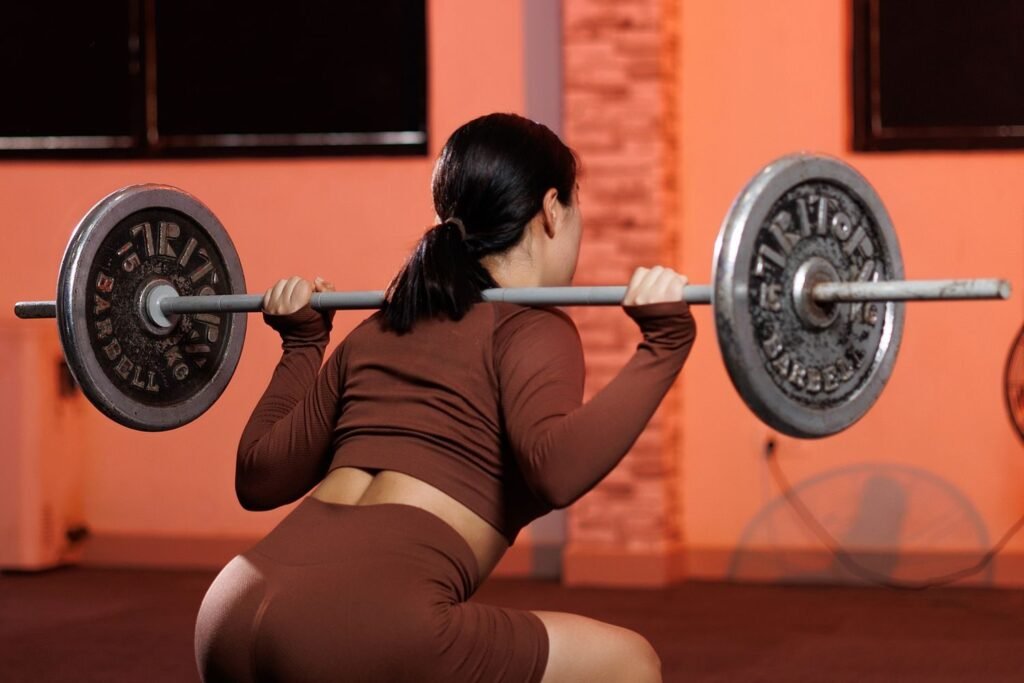
A good leg workout for women at the gym combines compound lifts like squats and deadlifts with targeted glute and hamstring work, using moderate to heavy loads across 3 to 4 sets of 8 to 15 reps. It should train quads, hamstrings, glutes, and calves in the same session, not just involve a treadmill and some leg extensions. At FitStrot we build these sessions around strength, not calorie burn, because strength is what actually reshapes the legs women say they want.
Why do so many women skip strength training for their legs?
Most women who walk into a gym head straight for the cardio machines or a light circuit class, and legs get treated as an afterthought squeezed between a cool down and a smoothie. We see this pattern constantly with new clients: years of steady cardio, almost no barbell work, and frustration that their legs “never change.” The truth is that cardio burns calories while you’re doing it and strength training changes the shape and firmness of the muscle underneath the fat. If you want visible results in your quads, hamstrings, and glutes, you need to load them with resistance that actually challenges the muscle, not just your heart rate.
Will lifting heavy make women’s legs bulky?
No, and this is the single biggest myth we correct with new clients every month. Women have roughly 10 to 15 times less testosterone than men, and testosterone is the primary hormone driving significant muscle mass gain. Building visible bulk takes years of dedicated hypertrophy training, a calorie surplus, and often genetics that lean toward easy muscle growth. Lifting heavy 2 to 3 times a week is far more likely to give you a toned, athletic shape with better muscle tone in your quads and glutes than to turn your legs into something you didn’t ask for. If bulk ever does start showing up faster than you’d like, you simply adjust your calories and volume. It’s a controllable variable, not an accident waiting to happen the moment you pick up a barbell.
What muscles should a complete leg workout actually train?
A complete session hits four muscle groups, and skipping any one of them leaves you with imbalance and, eventually, knee or hip pain. Quads sit on the front of the thigh and drive squats, lunges, and leg presses. Hamstrings run along the back of the thigh and control deceleration, so they need direct work through deadlifts and curls, not just whatever they pick up as a secondary mover during squats. Glutes are the largest muscle group in the body and respond best to hip thrusts, glute bridges, and Romanian deadlifts done with real intent, not just as a squat afterthought. Calves get ignored constantly, but calf raises done with proper range of motion build lower leg strength that supports everything above it. Training all four in one session, in a sensible order from compound to isolation, is what separates a real leg day from a random assortment of machines.
What does a sample leg day for women actually look like?
Here’s a session we regularly program for clients who are past the absolute beginner stage and comfortable with basic movement patterns. Adjust the load so the last 2 reps of every set feel genuinely hard, and always warm up with 5 to 10 minutes of light cardio plus bodyweight squats and leg swings first.
| Exercise | Sets | Reps | Rest |
|---|---|---|---|
| Barbell Back Squat | 4 | 8-10 | 90 sec |
| Romanian Deadlift | 3 | 10-12 | 90 sec |
| Barbell Hip Thrust | 4 | 10-12 | 75 sec |
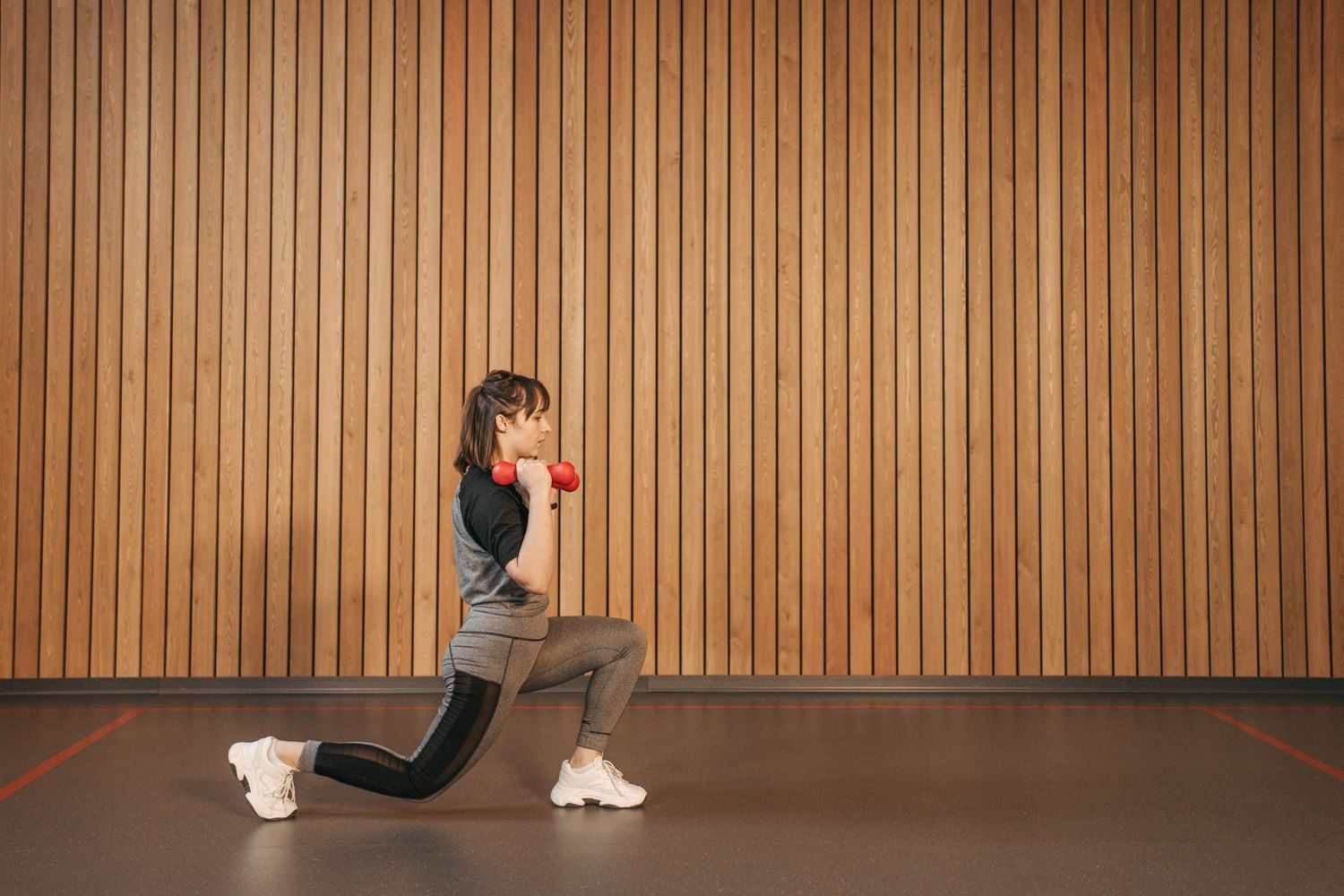
| Walking Lunges (dumbbells) | 3 | 12 per leg | 60 sec |
| Leg Curl Machine | 3 | 12-15 | 60 sec |
| Cable Kickbacks | 3 | 15 per leg | 45 sec |
| Standing Calf Raise | 4 | 15-20 | 45 sec |
This session takes roughly 60 to 70 minutes once you account for warm up and rest periods. If you’re newer to lifting, drop a set or two off each exercise and focus on locking down your form before you chase heavier weight. If you want this leg day slotted into a full week alongside upper body and rest days, our gym workout plan for women lays out exactly how to structure that.
How often should women train legs each week?
Two sessions a week is the sweet spot for most women who aren’t competitive lifters. That gives each muscle group enough stimulus to grow while leaving 48 to 72 hours for recovery, which is when the actual muscle building happens. Training legs every single day sounds dedicated but usually backfires, because you never fully recover and your lifts start stalling or dropping. If you’re short on time, you can also pair a dedicated leg day with a session that combines lower body work with core training, similar to what we outline in our legs and abs workout. Three sessions a week works fine too if you’re more advanced and manage your recovery well, but two well executed sessions will outperform four rushed, poorly loaded ones every time.
What are the best glute exercises for women?
Hip thrusts top the list because they put the glutes under direct, heavy load through their full range of motion in a way few other exercises can match. Romanian deadlifts come next, training the glutes and hamstrings together while also reinforcing hip hinge mechanics you’ll use in daily life. Bulgarian split squats and walking lunges build unilateral strength, which matters because most real world movement happens on one leg at a time, not two. Cable kickbacks and glute bridges round things out as good isolation finishers once the heavier compound work is done. The mistake we see most often is women doing endless bodyweight glute bridges with no added resistance for months and wondering why nothing changes. Muscle grows in response to progressive overload, and glutes are no exception to that rule.
Do women need a different leg training approach than men?
Not really, and this surprises a lot of people. The core principles of progressive overload, compound movements, and adequate recovery apply the same way regardless of gender. What often differs is emphasis. Many women want more glute development relative to quad size, so we’ll shift set volume toward hip thrusts and Romanian deadlifts rather than loading up squats and leg presses. Men training for the same goals would use a similar toolkit, just weighted differently based on their own priorities. If you want to see how we structure things on the other side, our leg day workout covers the same movements with a different emphasis, which shows just how much overlap there really is once you strip away the marketing around “women’s workouts.”
What common mistakes hold back leg progress?
A handful of mistakes account for most of the stalled progress we see:
- Partial range of motion. Quarter squats and lunges that barely bend the knee train almost nothing compared to a full depth rep.
- Chasing weight before form is locked in. This causes the second most damage, since your knees and lower back absorb the compensation.
- Skipping progressive overload. It’s the quiet killer — if you’re doing the same weight for the same reps month after month, your legs have no reason to change.
- Under-eating while training hard. Muscle needs protein and enough total calories to repair and grow, and no amount of perfect programming fixes a nutrition deficit.
How do you make sure your leg workouts actually work long term?
Consistency and progression matter more than any single exercise choice. Track your weights and reps every session so you know exactly when to add load. Give yourself 8 to 12 weeks before judging whether a program is working, since visible changes in muscle take longer than most people expect. And if you’re not sure whether your form is safe or your program is actually progressing you toward a goal, working with a coach who can watch your movement and adjust your plan in real time removes most of the guesswork. That’s exactly what our 1-on-1 personal training is built for, with programs designed around your specific body, schedule, and goals rather than a generic template pulled off the internet.
What is a good leg workout for women at the gym?
A good leg workout combines compound strength moves like squats, deadlifts, and hip thrusts with accessory work for hamstrings and calves, done across 6 to 8 exercises for 3 to 4 sets each. It should prioritize progressive overload over endless reps with light weight.
Will leg training make women bulky?
No. Women’s naturally lower testosterone levels make significant muscle bulk very difficult to build by accident. Strength training legs typically produces a leaner, more toned appearance, not bulk, unless you’re deliberately eating in a surplus to grow muscle mass.
How often should women train legs?
Twice a week is ideal for most women, giving each muscle group 48 to 72 hours to recover between sessions. More advanced lifters with solid recovery habits can push to three sessions a week.
What are the best glute exercises for women?
Barbell hip thrusts, Romanian deadlifts, Bulgarian split squats, and cable kickbacks are the most effective glute builders, since they load the muscle through a meaningful range of motion with resistance that can be progressively increased.
Can beginners follow this leg workout?
Yes, with modifications. Beginners should reduce the sets on each exercise, use lighter loads to master form first, and focus on control through the full range of motion before adding significant weight.