If you have PCOS, the diet advice that actually moves the needle usually isn’t “eat less.” It’s managing insulin resistance, a driver of symptoms for most people with the condition, regardless of body weight. A low-glycemic, fiber-rich, protein-forward eating pattern has the strongest research support for improving insulin sensitivity, easing symptoms like irregular cycles and acne, and lowering long-term metabolic risk. It will not cure PCOS, and no food or plan can — but for many people, it’s one of the most effective levers available outside of medication, and it works even without significant weight loss.
What is the actual link between PCOS and insulin resistance?
Polycystic ovary syndrome (PCOS) is a hormonal condition affecting roughly 6-13% of women of reproductive age worldwide, according to the World Health Organization, making it one of the most common endocrine disorders in this age group. At its core, PCOS involves a feedback loop between insulin and androgens (male-pattern hormones like testosterone). Many people with PCOS have cells that respond poorly to insulin, so the pancreas compensates by producing more of it — and that excess insulin signals the ovaries to produce more androgens, worsening acne, hair growth, hair thinning, and irregular ovulation.
Here’s the part that surprises people: this isn’t only a “weight” problem. Research published in the National Institutes of Health’s PMC database notes that insulin resistance occurs in PCOS patients across the weight spectrum, including those at a normal BMI, which is why insulin resistance is considered independent of body weight. That’s a key reason calorie counting alone often disappoints people with PCOS — it doesn’t address the underlying insulin signaling issue. This is also why PCOS nutrition strategy often looks more like diabetes-prevention nutrition than a standard weight-loss plan, since the metabolic mechanics overlap significantly with pre-diabetes and type 2 diabetes management — see our guide to diabetes nutrition for the parallel.
Because of this connection, doctors frequently screen people with PCOS for insulin resistance and related markers alongside reproductive symptoms. If you haven’t had this workup, ask your doctor or an endocrinologist for fasting insulin, glucose, and HbA1c testing — diet strategy is far more targeted once you know where you stand. Heavy or irregular periods common in PCOS can also contribute to low iron over time, so if you’re unusually fatigued, ask about ferritin testing too; our nutritional anemia guide explains what those numbers mean.
Why does a low-glycemic index approach help more than calorie-counting for PCOS?
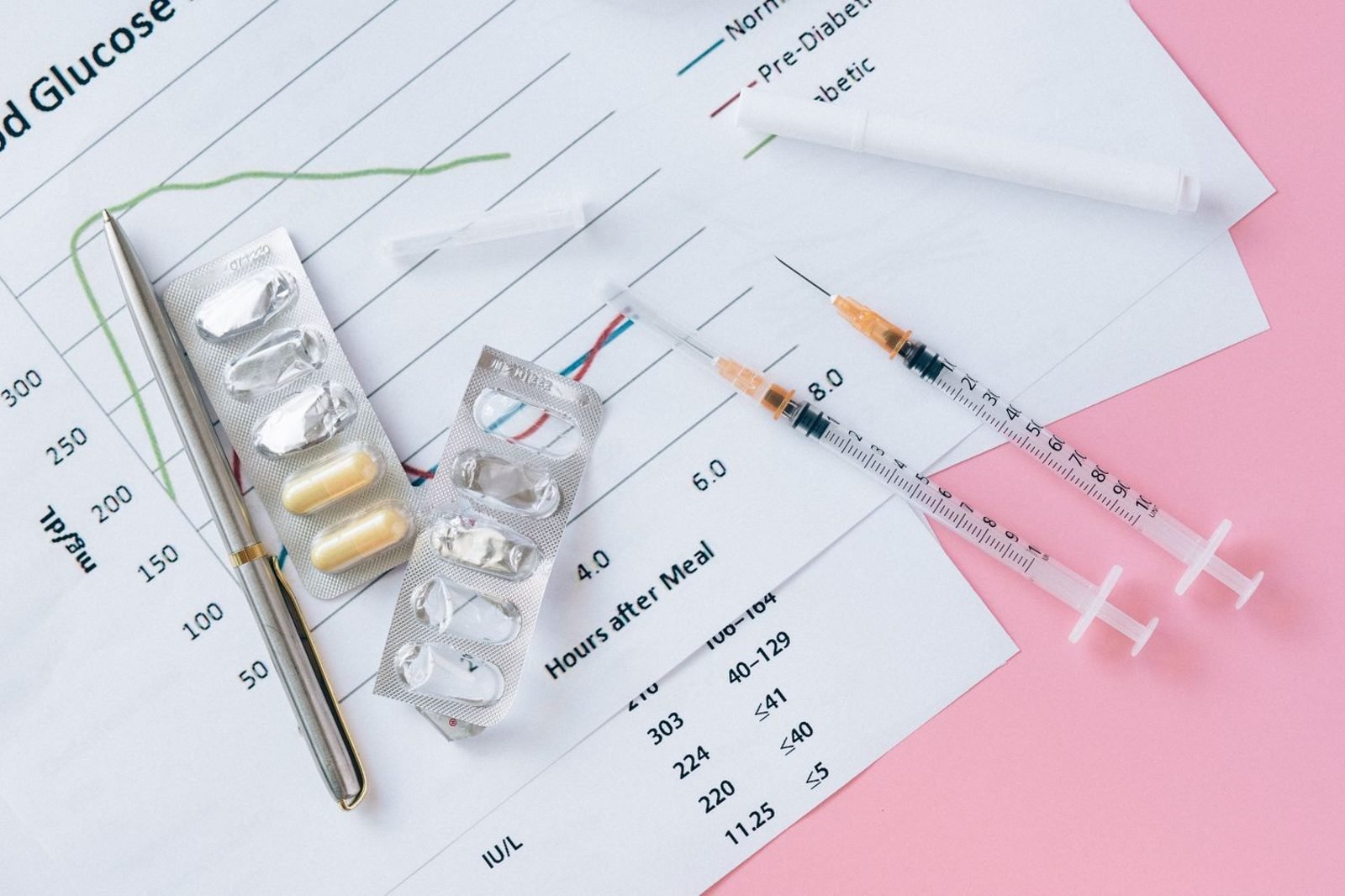
A low-glycemic index (low-GI) diet emphasizes foods that raise blood sugar slowly rather than causing sharp spikes and crashes. Because insulin resistance is central to PCOS for most people who have it, this approach targets the mechanism rather than just the calorie total.
The evidence here is meaningfully consistent. A controlled study published via NIH’s PMC found that an isocaloric low-GI diet (same calories as the comparison diet, just lower-GI foods) improved insulin sensitivity in women with PCOS. Separately, a randomized trial on the DASH diet — naturally lower-GI and rich in vegetables, whole grains, and lean protein — found that eight weeks of adherence improved insulin resistance, reduced the inflammatory marker hs-CRP, and reduced abdominal fat in overweight and obese women with PCOS. A comparative trial of a low-GI pulse-based diet (lentils, chickpeas, beans) against a standard heart-healthy diet also showed favorable cardio-metabolic changes over 16 weeks.
In practice, a low-GI approach for PCOS means:
- Choosing whole grains (oats, brown rice, quinoa, whole wheat) over refined grains (white bread, white rice, most packaged cereals)
- Pairing carbohydrates with protein or fat to slow absorption — for example, fruit with nut butter rather than fruit juice alone
- Favoring legumes like lentils, chickpeas, and beans as a carbohydrate source, since they’re low-GI and high in fiber
- Limiting added sugars and sugar-sweetened beverages, which are among the fastest ways to spike insulin
This doesn’t mean cutting carbohydrates entirely. Very-low-carbohydrate and ketogenic approaches have shown some benefit in small studies, but a low-GI pattern that still includes carbohydrates is generally easier to sustain long-term — and sustainability matters more than any single “perfect” week for a chronic condition like PCOS.
How much fiber and protein do you actually need with PCOS?
Two nutrients come up repeatedly in PCOS nutrition research: fiber and protein, largely because both directly influence how your body handles glucose and insulin.
On fiber: a 2023 meta-analysis of 13 studies found that women with PCOS consistently consumed significantly less dietary fiber than women without the condition. Soluble fiber slows the rate at which glucose enters the bloodstream after a meal, which blunts the insulin spike that follows. General guidance for adults is 25-38 grams of fiber daily, and many clinicians managing PCOS suggest aiming toward the higher end where tolerated, from sources like oats, flaxseed, chia seeds, legumes, and broccoli. If you’re not used to eating this much fiber, increase gradually and drink enough water — a sudden jump can cause bloating. Our fiber nutrition guide breaks down sources and how to build them into daily meals.
On protein: a 2023 meta-analysis found that higher dietary protein intake was associated with improved insulin sensitivity and lower fasting insulin in women with PCOS, with benefits most pronounced when a single meal contained more than 30 grams of protein. This is often why “protein distribution” matters as much as total intake — spreading protein across breakfast, lunch, and dinner, rather than loading it mostly at dinner, helps keep post-meal insulin responses steadier throughout the day. Many dietitians working with PCOS suggest a daily total in the range of 80-100 grams for an average adult, adjusted for body size and activity. Our protein and nutrition article covers how to hit these targets with everyday food.
A commonly referenced macronutrient framework from PCOS nutrition reviews splits energy intake roughly as 40% carbohydrate, 30% fat, and 30% protein, though individual needs vary and this isn’t a one-size-fits-all prescription — it’s a starting point to discuss with a professional.
What does an anti-inflammatory eating pattern add for PCOS?
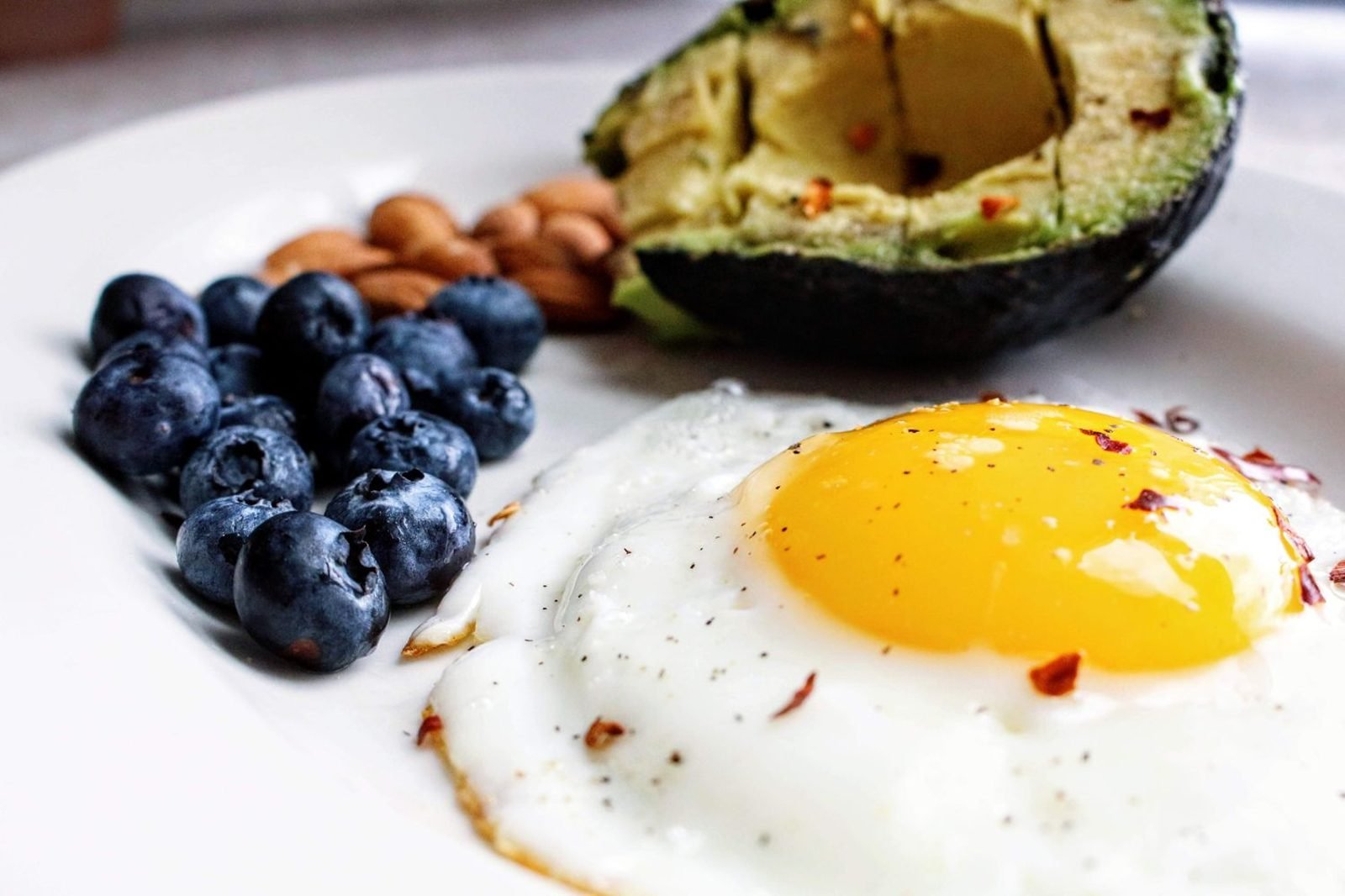
PCOS is increasingly understood to involve low-grade chronic inflammation, which appears to interact with both insulin resistance and androgen excess. This is where an anti-inflammatory eating pattern — most closely resembling a Mediterranean-style diet — comes in. Research reviews note the Mediterranean diet is among the most consistently evidence-supported strategies for PCOS, with studies showing reductions in HOMA-IR (a standard insulin resistance marker) across multiple trials. Practical components include:
- Fatty fish (salmon, mackerel, sardines) two to three times a week for omega-3 fatty acids, which have been associated with improved insulin resistance and reduced inflammatory markers in PCOS research
- Extra-virgin olive oil as a primary fat source rather than heavily processed or hydrogenated oils
- A wide variety of vegetables and fruits for antioxidants, aiming for color diversity across the week
- Nuts and seeds (walnuts, flaxseed, chia) in moderate portions
- Limiting ultra-processed foods, which tend to be simultaneously high-GI and pro-inflammatory
This pattern overlaps with general anti-inflammatory principles used for other hormone-sensitive and metabolic conditions, since the same low-inflammation, insulin-friendly approach shows up across multiple metabolic and hormonal health strategies, not just PCOS.
Does diet alone manage PCOS, or do you need other treatment too?
This is the honest answer: diet is a genuine management tool, not a cure. PCOS is a chronic endocrine condition with genetic, hormonal, and metabolic components that food changes cannot fully reverse. What the research does support is that dietary changes — particularly low-GI, higher-fiber, protein-distributed, anti-inflammatory eating — can meaningfully improve insulin sensitivity and, for many people, ease symptoms like cycle irregularity, acne, and excess hair growth. But nutrition works best as one part of a broader plan that might include:
- Medical management with a doctor or endocrinologist, which may include medications such as metformin for insulin resistance, hormonal treatments for cycle regulation, or other options based on your specific presentation and goals
- Regular physical activity — a case-control study on PCOS found activity levels correlated with insulin resistance markers as strongly as diet, so movement isn’t optional for metabolic improvement
- Sleep and stress management, since cortisol and sleep disruption both interact with insulin signaling
- Ongoing monitoring of markers like fasting insulin, glucose, lipids, and androgen levels with your healthcare provider
If you’ve been diagnosed with PCOS, or suspect you have symptoms consistent with it, the right first step is a conversation with a doctor or endocrinologist for proper diagnosis and a personalized treatment plan. Nothing here is intended to diagnose or treat PCOS; it’s meant to help you understand the nutritional principles current research supports. The hormonal side of this picture — how food interacts with reproductive and endocrine health more broadly — is covered in further detail in our women’s nutrition guide.

What are realistic expectations for how long PCOS diet changes take to work?
Most clinical trials showing measurable improvements in insulin resistance markers ran for 8 to 16 weeks, so it’s reasonable to expect consistent changes take at least two to three months before you or your bloodwork show a clear shift. Symptom changes like cycle regularity often lag behind lab-marker improvements, sometimes taking several months of consistent ovulatory cycles to become apparent. This is a marathon-style intervention, not a two-week fix, and expecting rapid results is one of the most common reasons people abandon otherwise-effective changes too early. It also helps to track more than the scale — since insulin resistance in PCOS is weight-independent for many people, energy levels, skin changes, cycle regularity, and cravings are all worth watching alongside whatever lab markers your doctor is tracking. Supporting overall metabolic health during this waiting period, as covered in our liver nutrition guide, can complement these PCOS-specific changes while you give them time to work.
Frequently Asked Questions
Can PCOS be reversed through diet alone?
No. PCOS is a chronic hormonal condition, and no diet reverses or cures it. Nutrition changes can meaningfully improve insulin sensitivity and help manage symptoms like irregular cycles or acne for many people, but ongoing medical care with a doctor or endocrinologist remains important for diagnosis, monitoring, and treatment.
Is intermittent fasting recommended for PCOS?
Evidence specific to PCOS is limited compared to low-GI and Mediterranean-style approaches, which have more robust research support. Fasting can affect insulin and cortisol differently in different people, so it’s best discussed individually with a doctor or dietitian rather than adopted generically, especially if you have a history of disordered eating.
Do I need to cut out all sugar and carbs with PCOS?
No. The evidence supports choosing lower-glycemic-index carbohydrates and pairing them with fiber or protein, not eliminating carbohydrates entirely. Whole grains, legumes, and fruit in reasonable portions are generally fine; the bigger issue is refined sugar and highly processed carbohydrates eaten alone.
Does weight loss have to happen for symptoms to improve?
Not necessarily. Because insulin resistance in PCOS occurs independent of body weight for many people, symptom and marker improvements have been observed with dietary changes even without significant weight change, though weight loss can provide additional benefit for those who are also managing excess weight, per their doctor’s guidance.
How long before I notice a difference after changing my diet?
Most research trials measuring insulin sensitivity improvements ran 8 to 16 weeks, so expect roughly two to four months of consistent changes before meaningful shifts in labs or symptoms. Cycle regularity changes can take longer to stabilize than metabolic markers.
PCOS nutrition isn’t about restriction for its own sake — it’s about giving your body’s insulin signaling a more stable, lower-glycemic, higher-fiber foundation to work from. If you want a plan built around your specific labs, symptoms, and lifestyle rather than a generic list, an online nutritionist consultation can help you translate this research into a day-to-day approach that actually fits your life.