A perimenopause diet needs to be different from a menopause diet, and the reason comes down to one word: fluctuation. In perimenopause, estrogen and progesterone aren’t steadily declining — they’re swinging, sometimes within the same week, which is why one month you might feel fine and the next you’re dealing with a heavy period, a sleepless night, and a mood swing that seems to come from nowhere. Because you’re still cycling, your nutrition needs — especially for iron and blood sugar stability — look meaningfully different from someone in post-menopause. This guide focuses on that in-between phase: what’s happening hormonally, why it changes what you should eat, and how to build a plan around your actual symptom pattern rather than a generic “menopause diet.”
What is perimenopause and how is it different from menopause, nutritionally?
Perimenopause is the transition period leading up to menopause, typically starting in the late 30s to mid-40s and lasting anywhere from a few years to over a decade. During this time, you are still having menstrual cycles — even if they’re irregular — and your ovaries are still producing estrogen and progesterone, just unpredictably. Research on hormone patterns during this stage shows that estradiol levels don’t decline in a straight line; they can spike higher than typical reproductive-year levels one month and drop sharply the next, while progesterone tends to decline more steadily as ovulation becomes less frequent.
Menopause, by contrast, is a single point in time — officially marked after 12 consecutive months without a period — after which you’re in post-menopause, where estrogen settles at a consistently low level. That distinction matters for nutrition. A post-menopausal diet plan can focus purely on managing sustained low estrogen (think bone density, cardiovascular protection, and the metabolic shifts covered in our guide to the best diet plan for menopause). A perimenopause diet has to account for hormones that are still active and erratic, and symptoms that can change from month to month. This is also why iron remains a relevant, ongoing concern in perimenopause in a way it isn’t post-menopause — more on that below.
Why does blood sugar stability matter so much during perimenopause?
Fluctuating estrogen affects how your cells respond to insulin, and many women notice blood sugar swings become more pronounced during perimenopause. The symptoms of a blood sugar dip — irritability, anxiety, sudden fatigue, difficulty concentrating, food cravings — overlap almost exactly with the mood symptoms commonly attributed to “hormones,” which makes it easy to miss that food timing is part of the picture.
This is one of the clearest nutritional differences between perimenopause and menopause: because hormone swings are unpredictable day to day, keeping blood sugar steady becomes a practical tool for smoothing out mood and energy. A few habits help:
- Anchor every meal with protein. Aim for roughly 25-30 grams at breakfast, lunch, and dinner. Protein slows glucose absorption and helps prevent the crash-and-craving cycle.
- Don’t skip meals, especially breakfast. Going long stretches without eating makes blood sugar swings more extreme, which can intensify irritability and anxiety.
- Pair carbohydrates with fiber, fat, or protein. Fruit with nut butter, oats with seeds, whole grains with a protein source — this blunts the glucose spike compared to eating carbs alone.
- Limit refined carbs and added sugar during high-symptom weeks. Many women notice their tolerance for sugar and simple carbs is lower in the days leading up to a period during perimenopause.
These same principles support the broader weight and metabolism shifts many women navigate in this stage — if that’s your main concern, our piece on managing menopause weight gain goes deeper on that angle.
Why does iron still matter in perimenopause when it doesn’t in menopause?
This is one of the most overlooked distinctions between perimenopause and menopause nutrition. Because progesterone tends to decline before estrogen does, many women experience heavier or more unpredictable menstrual bleeding during perimenopause — not lighter periods, as people often assume. Heavier or more frequent bleeding means greater iron loss, and clinicians specifically flag perimenopause as a window where iron deficiency and anemia risk can climb, even in women who never had issues with heavy periods before.
Once periods stop entirely in post-menopause, this risk factor goes away — which is why a general menopause nutrition plan won’t emphasize iron the way a perimenopause plan should. If you’re still cycling, even irregularly, iron deserves ongoing attention:
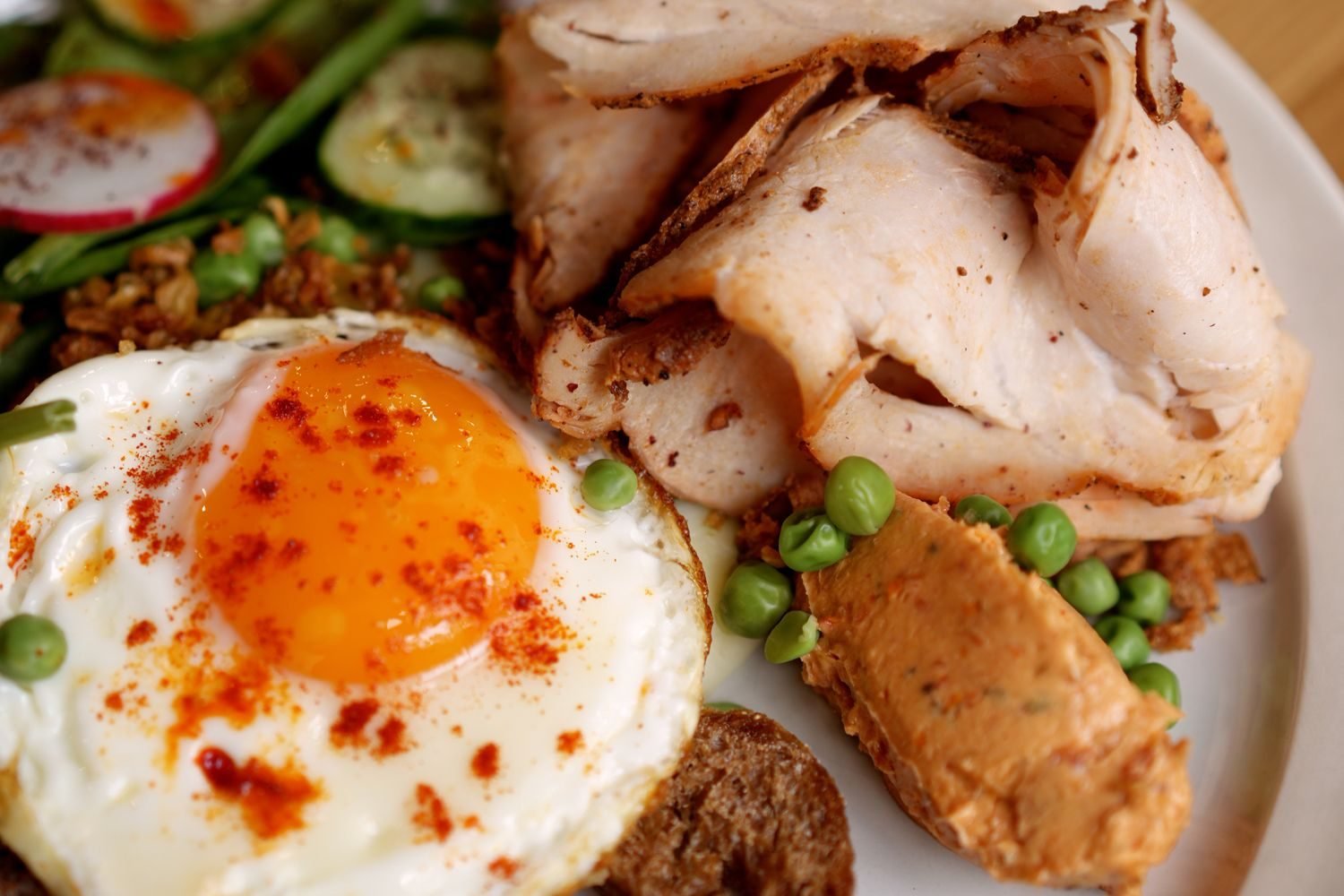
- Include iron-rich foods regularly: lean red meat, poultry, fish, lentils, beans, tofu, and dark leafy greens.
- Pair plant-based iron (non-heme) with vitamin C — think spinach with citrus, or lentils with bell peppers — to improve absorption.
- Watch for fatigue, pale skin, shortness of breath, or dizziness during or after heavier cycles, and mention it to your doctor rather than assuming it’s “just perimenopause.”
- Avoid pairing iron-rich meals with coffee or tea, which can inhibit absorption; leave an hour or two of separation if possible.
For a deeper look at recognizing and correcting iron gaps, see our guide on nutritional anemia. And because estrogen fluctuation (rather than just decline) also affects how the body responds to plant compounds that mimic estrogen, it’s worth understanding how phytoestrogens behave differently across the transition — we cover that in our article on estrogen-rich foods for menopause.
How should you eat around irregular perimenopause symptoms?
Because perimenopause symptoms don’t show up on a predictable schedule the way a regular cycle once did, it helps to think in terms of symptom patterns rather than a single fixed meal plan. Many women find their symptoms cluster in the days before a period, even if the cycle itself is irregular in length.
For sleep disruption and night sweats
Magnesium-rich foods — leafy greens, pumpkin seeds, almonds, black beans — are associated with better sleep quality, and cutting off caffeine by early afternoon can help, since perimenopausal sleep is often already fragile. Alcohol close to bedtime is worth limiting too; it may help you fall asleep faster but tends to fragment sleep later and can trigger night sweats.
For mood swings and irritability
This is where the blood sugar strategies above matter most. Eating on a consistent schedule and keeping a protein-rich snack on hand (Greek yogurt, a handful of nuts, hummus with vegetables) can prevent irritability from a blood sugar dip layering on top of hormonal mood sensitivity.
For hot flashes
Common triggers include caffeine, alcohol, and spicy foods, though sensitivity varies from person to person. A brief food-symptom log for a few weeks can help identify your own triggers rather than eliminating foods unnecessarily.
For irregular, heavier, or unpredictable periods
Beyond the iron focus above, adequate protein and calorie intake matter — restrictive eating can worsen cycle irregularity, since the body needs sufficient energy availability to regulate reproductive hormones.

What foods should you prioritize during perimenopause?
The specifics depend on your symptoms, but a few categories consistently show up as useful across the perimenopause transition:
- Fiber-rich vegetables and legumes: support blood sugar stability, digestion, and estrogen metabolism. Aim for a variety of colors and types across the week.
- Calcium and vitamin D sources: dairy or fortified alternatives, sardines, leafy greens — bone density loss can begin accelerating in late perimenopause, so it’s worth building this habit early rather than waiting for post-menopause.
- Omega-3 fatty acids: fatty fish, walnuts, flaxseed, and chia seeds, which are linked to reduced inflammation and may support mood regulation.
- Lean protein at every meal: supports blood sugar stability, muscle mass (which naturally starts declining in this decade), and satiety.
- Iron-rich foods: as covered above, still a priority while cycles continue.
- Water, consistently: hormonal fluctuation can affect fluid balance and may worsen headaches or fatigue when hydration is inconsistent.
For the foundational principles of eating well as a woman across life stages — not specific to the menopause transition — our women’s nutrition guide is a useful companion resource.
What should you limit or be more mindful of?
Nothing needs full elimination for most women, but a few categories are worth moderating, especially during high-symptom stretches:
- Added sugar and refined carbohydrates: can worsen blood sugar swings and, by extension, mood symptoms.
- Alcohol: can disrupt sleep, trigger hot flashes, and affect mood the following day more noticeably than it may have in your 20s or 30s.
- Excess caffeine, particularly later in the day: can compound existing sleep disruption.
- Very low-calorie or highly restrictive diets: can worsen fatigue, disrupt cycles further, and make it harder to meet iron and protein needs — this is not the phase for aggressive restriction.
When should you talk to a professional about perimenopause nutrition?
Because perimenopause symptoms vary so widely — and because heavy bleeding, persistent fatigue, or significant mood changes can also signal something beyond typical hormonal fluctuation — it’s worth looping in a healthcare provider if symptoms are disrupting your daily life. A doctor can check iron levels, thyroid function, and other markers that overlap with perimenopause symptoms. From there, a personalized eating plan works better than generic advice, since your symptom pattern, cycle regularity, and lab results are unique to you. An online nutritionist consultation can help you build a perimenopause nutrition plan tailored to your specific symptoms, cycle pattern, and lab work, rather than guessing your way through a transition that looks different for almost everyone.
Frequently Asked Questions
How is a perimenopause diet different from a menopause diet?
A perimenopause diet accounts for active, fluctuating hormones and an ongoing menstrual cycle, so it emphasizes blood sugar stability and iron intake. A menopause or post-menopause diet focuses more on sustained low estrogen, bone density, and cardiovascular protection, since periods and the associated iron loss have stopped.
Can diet actually help with perimenopause mood swings?
Diet can’t eliminate hormonal fluctuation, but stabilizing blood sugar through regular meals, adequate protein, and limiting refined sugar can reduce the added mood disruption that comes from glucose swings layering on top of hormonal shifts. Many women notice fewer irritability spikes once meal timing becomes more consistent.
Do I still need extra iron if my periods are irregular during perimenopause?
Often yes. Irregular periods in perimenopause are frequently heavier rather than lighter, due to declining progesterone and less regular ovulation. This can increase iron loss, so it’s worth including iron-rich foods regularly and asking your doctor to check ferritin levels if you notice fatigue or paleness.
What foods trigger hot flashes in perimenopause?
Common reported triggers include caffeine, alcohol, and spicy foods, but sensitivity varies significantly between individuals. A short food-and-symptom log for a few weeks is the most reliable way to identify your personal triggers rather than cutting out foods unnecessarily.
Is intermittent fasting safe during perimenopause?
It depends on the individual. Very restrictive fasting windows can worsen blood sugar swings, fatigue, and cycle irregularity for some women in this transition, so a gentler window with close attention to mood, energy, and cycle response is more sensible than an aggressive protocol.
At what age should I start eating differently for perimenopause?
Perimenopause can begin in the late 30s for some women and the mid-40s for others, so there’s no single age. If you’re noticing cycle changes, new sleep disruption, or mood shifts alongside your period, it’s a reasonable time to prioritize blood sugar stability, iron, and protein.