Good diabetes nutrition isn’t about giving up sugar, fruit, or rice forever — it’s about balancing what’s on your plate so your blood glucose rises gently instead of spiking. If you were just told you have prediabetes or type 2 diabetes, or you’re supporting someone who was, the fastest way to start is the plate method: fill half your plate with non-starchy vegetables, one quarter with lean protein, and one quarter with quality carbohydrates. That single visual, developed by the American Diabetes Association (ADA), does most of the portion math for you without requiring you to count a single gram on day one.
This guide covers the basics: how the plate method works, what glycemic index means (and where it falls short), a simple introduction to carb counting, and the myths that trip up almost everyone when they first hear “diabetes” and “diet” in the same sentence. Think of it as the starting point — for clinical detail on why these approaches work, see our deeper dives into nutritional management of diabetes mellitus and medical nutrition therapy for diabetes.
What Does a Diabetes-Friendly Plate Actually Look Like?
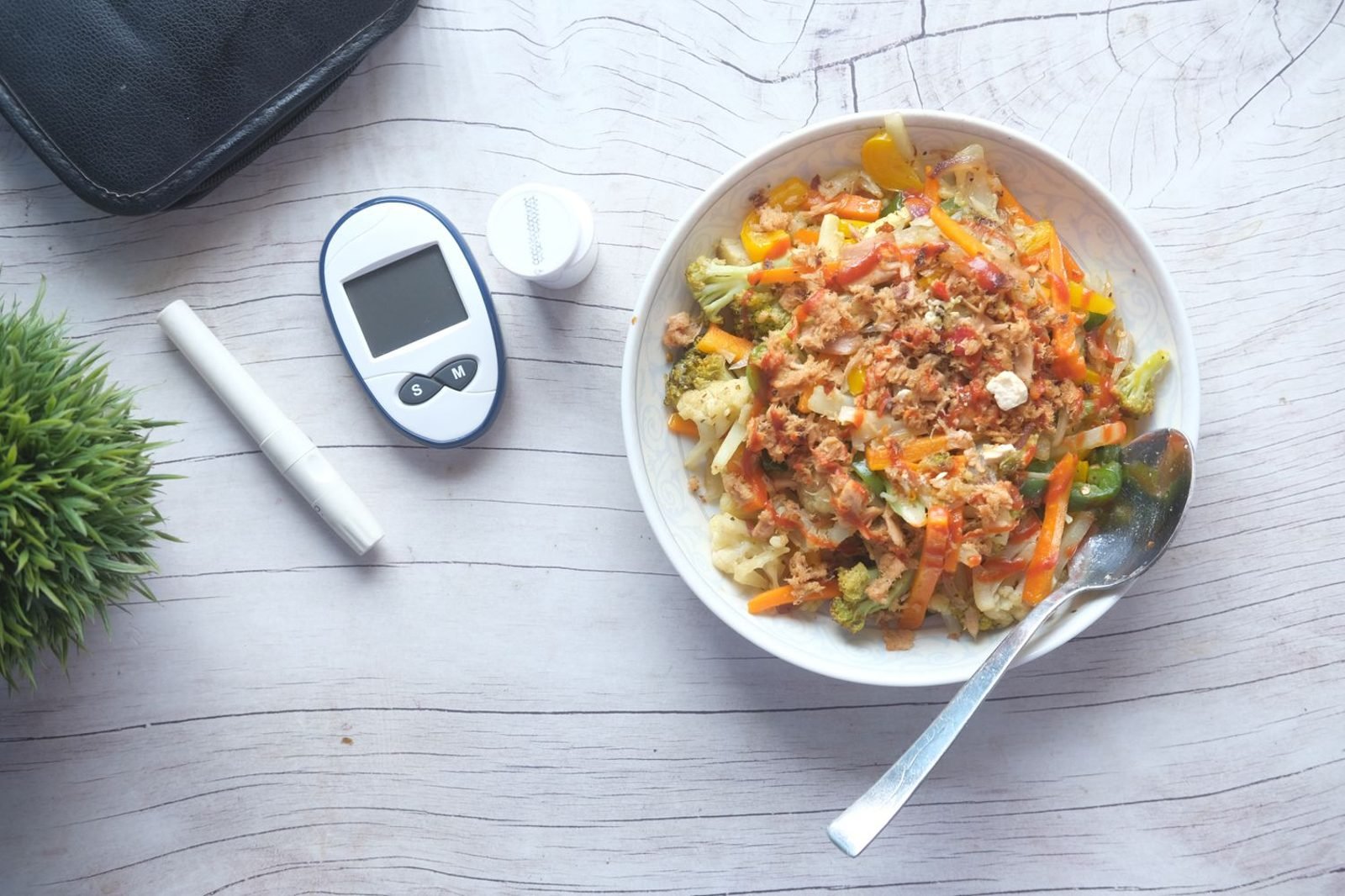
Picture a standard nine-inch dinner plate, then draw two lines to split it into quarters, leaving one half intact:
- Half the plate — non-starchy vegetables: leafy greens, broccoli, peppers, tomatoes, green beans, cucumber, and cauliflower. These are naturally low in carbohydrate and high in fiber, so they fill you up without pushing your blood sugar around much.
- One quarter — lean protein: chicken, fish, eggs, tofu, paneer, legumes, or lean cuts of meat.
- One quarter — carbohydrate foods: whole grains, starchy vegetables like potato or corn, fruit, or dairy.
This method has staying power because it’s backed by research as both a teaching tool and a way to support glycemic control, and it doesn’t require weighing food or memorizing carb values to get started — you’re managing portions and food groups visually instead of mathematically. Once that habit feels automatic, some people layer in carb counting for finer control, especially if they’re on insulin. But for most people newly navigating dietary changes after a diagnosis, the plate is the easiest on-ramp.
A few practical notes: use a smaller plate if your dinnerware runs large, since the ratios matter more than the absolute plate size, and add a side of water or an unsweetened drink. Don’t skip the protein and vegetable portions at breakfast either — a plate of only toast and juice is exactly the kind of meal that causes the glucose swings people are trying to avoid.
What Is Glycemic Index and Does It Actually Matter?
Glycemic index (GI) measures how much a specific food raises blood glucose over a set period of time compared with pure glucose. Foods are ranked low, medium, or high: low-GI foods like most legumes, non-starchy vegetables, and steel-cut oats raise blood sugar slowly, while high-GI foods like white bread, sugary cereals, and white rice cause a faster spike.
According to Mayo Clinic, GI can be a genuinely useful tool for people managing diabetes because it helps guide which carbohydrate sources tend to behave better in the body. But it has real limitations. GI doesn’t account for how foods behave when eaten in combination — pairing a high-GI food with protein, fat, or fiber blunts its impact considerably. It also doesn’t reflect portion size (that’s what “glycemic load” tries to capture), and it says nothing about a food’s overall nutrition, meaning a low-GI choice isn’t automatically the healthiest one.
In practice, GI works best as a tiebreaker rather than a rulebook. If you’re choosing between two breads or two rice options, leaning toward the lower-GI one is a reasonable nudge. But Mayo Clinic notes that basics like balanced meals, portion control, and general carbohydrate awareness are more reliable everyday tools than obsessing over GI charts, and recommends a registered dietitian for guidance tailored to your numbers. If fiber intake is something you’re trying to dial in to slow glucose absorption, our piece on fiber and nutrition is a useful next stop.
How Does Basic Carb Counting Work?
Carbohydrate counting means tracking the grams of carbohydrate in what you eat, which matters because carbs have the biggest and most direct effect on blood glucose of any macronutrient. A standard “carb serving” is defined as 15 grams. Many people following a consistent-carbohydrate approach aim for roughly three to five servings per meal (about 40–75 grams) and one to two servings for a snack (about 15–30 grams), though this is a general reference point, not a prescription.
Here’s the part that surprises people: the ADA’s Standards of Care are explicit that there is no single ideal carbohydrate target for everyone with diabetes. The right number depends on your age, weight, activity level, medications, and blood glucose targets, which is why the ADA recommends working with your doctor or a diabetes educator to land on a number that fits you.
If you’re just starting out, you don’t need to count grams from day one. Start by simply naming your carbohydrate sources at each meal — the rice, the roti, the fruit, the milk — and noticing portion sizes. Once that feels natural, you can add gram-level tracking using food labels or an app if your care team recommends it. Getting protein right alongside your carbs also matters for steadier energy and appetite control; our guide to protein and nutrition covers how to build that into meals without overcomplicating things.

Can People With Diabetes Actually Eat Fruit and Sugar?
Yes — and this is probably the single most persistent myth in diabetes nutrition. The ADA states plainly that people with diabetes can eat any and all fruits, provided they do so in reasonable portions, and in fact encourages getting carbohydrates and natural sugars from fruits, legumes, vegetables, and whole grains as part of a balanced diet. The confusion usually comes from lumping fresh fruit in with sugary drinks and desserts, but they behave very differently in the body. Fresh fruit doesn’t contain added sugar, and its fiber content slows how quickly that natural sugar reaches the bloodstream, which is exactly the opposite of what happens when you drink fruit juice or eat candy.
The best fruit choices are fresh, frozen, or canned without added sugar. Dried fruit and 100% fruit juice can fit too, but in smaller portions, since removing water concentrates the sugar and calories.
As for the broader “sugar causes diabetes” myth: eating too much sugar on its own doesn’t cause diabetes, though a diet consistently high in added sugar can contribute to the weight gain that raises type 2 diabetes risk. It’s a contributing factor, not a single cause.
The other myth worth retiring is that people with diabetes need “special” diabetic food. A diabetes-friendly diet is, for the most part, the same balanced, whole-food-forward eating pattern recommended for anyone managing their nutrition and calorie intake for long-term health. There’s no need for separate “diabetic” packaged products, which are often just marketing.
What Does India’s National Guidance Say About Diabetes and Diet?
The Indian Council of Medical Research and National Institute of Nutrition (ICMR-NIN) released updated Dietary Guidelines for Indians in May 2024, the first major revision in 13 years. The guidelines note that healthy diets and regular physical activity can prevent up to 80% of type 2 diabetes cases, and that a substantial share of India’s overall disease burden is linked to unhealthy dietary patterns.
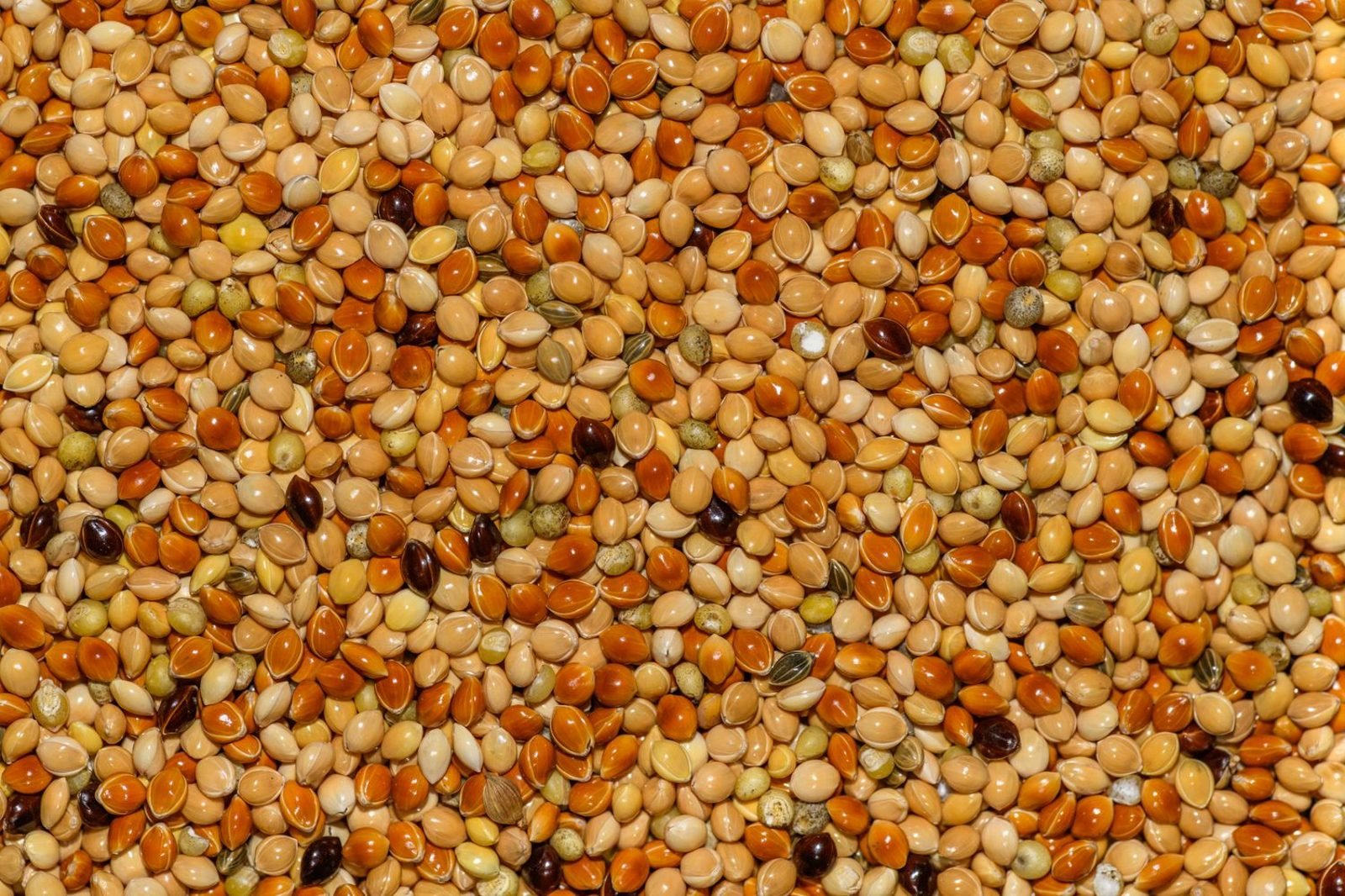
On carbohydrates specifically, the guidelines recommend that 45–60% of total energy intake come from cereals, with an emphasis on shifting from refined grains toward whole grains and millets like jowar, ragi, and bajra. They also recommend limiting added sugar to 20–25 grams a day for adults, cutting back on salt, refined oil, and deep-fried foods, and increasing intake of fruits, vegetables, and pulses.
This matters because it reinforces that diabetes nutrition and general healthy eating point the same direction: less refined starch and added sugar, more fiber and whole foods, and portion awareness. It’s not a separate, restrictive universe of food.
How Do You Start Applying This Today?
You don’t need to overhaul every part of your diet and nutrition at once:
- Begin with the plate method for your next few meals so portions become visual and automatic.
- Notice which carbohydrate sources you reach for most often and whether whole-grain or legume-based swaps are realistic.
- If you or your care team decide finer control is useful, layer in basic carb counting using food labels.
Throughout, keep non-starchy vegetables and a protein source on the plate at every meal — that combination blunts blood sugar spikes regardless of which specific carb you’re eating, and supports the same nutrition and calories balance that matters for long-term health.
It’s also worth remembering that stress, sleep, and activity all influence blood glucose alongside food, so nutrition works best as one part of a broader routine, not the only lever you pull.
Frequently Asked Questions
Do I need to cut out rice, roti, or potatoes completely?
No. These are carbohydrate staples that can still fit using the plate method — keep them to about a quarter of your plate, pair them with vegetables and protein, and consider whole-grain versions where practical. Complete elimination isn’t necessary or usually sustainable long-term.
Is glycemic index more important than counting calories?
Neither replaces the other. GI is a useful guide for choosing between carbohydrate sources, but overall portion size, meal balance, and total intake still matter for blood sugar and weight management. Use GI as one input, not the whole strategy.
Can I still enjoy dessert occasionally?
Generally yes, in planned, modest portions, especially alongside a balanced meal rather than on an empty stomach. Many people find it easier to plan an occasional treat than to aim for total elimination, which often backfires. Check with your diabetes educator about how this fits your specific plan.
How is this different from a weight-loss diet?
There’s overlap, since both emphasize whole foods and portion awareness, but diabetes nutrition specifically focuses on the timing, type, and balance of carbohydrates to manage blood glucose response — weight change may or may not be a goal depending on your individual situation.
Should I see a professional before changing my diet?
Yes. This article is educational and not a substitute for personalized medical advice. Please talk to your doctor or a certified diabetes educator before making significant dietary changes, especially if you take glucose-lowering medication, since food changes can affect your levels.
Diabetes nutrition doesn’t have to feel like a restrictive rulebook. Starting with the plate method, understanding what glycemic index can and can’t tell you, and retiring the myths about sugar and fruit puts you most of the way to a sustainable approach. If you want a plan built around your own numbers, routine, and food preferences, an online nutritionist consultation is a practical next step.