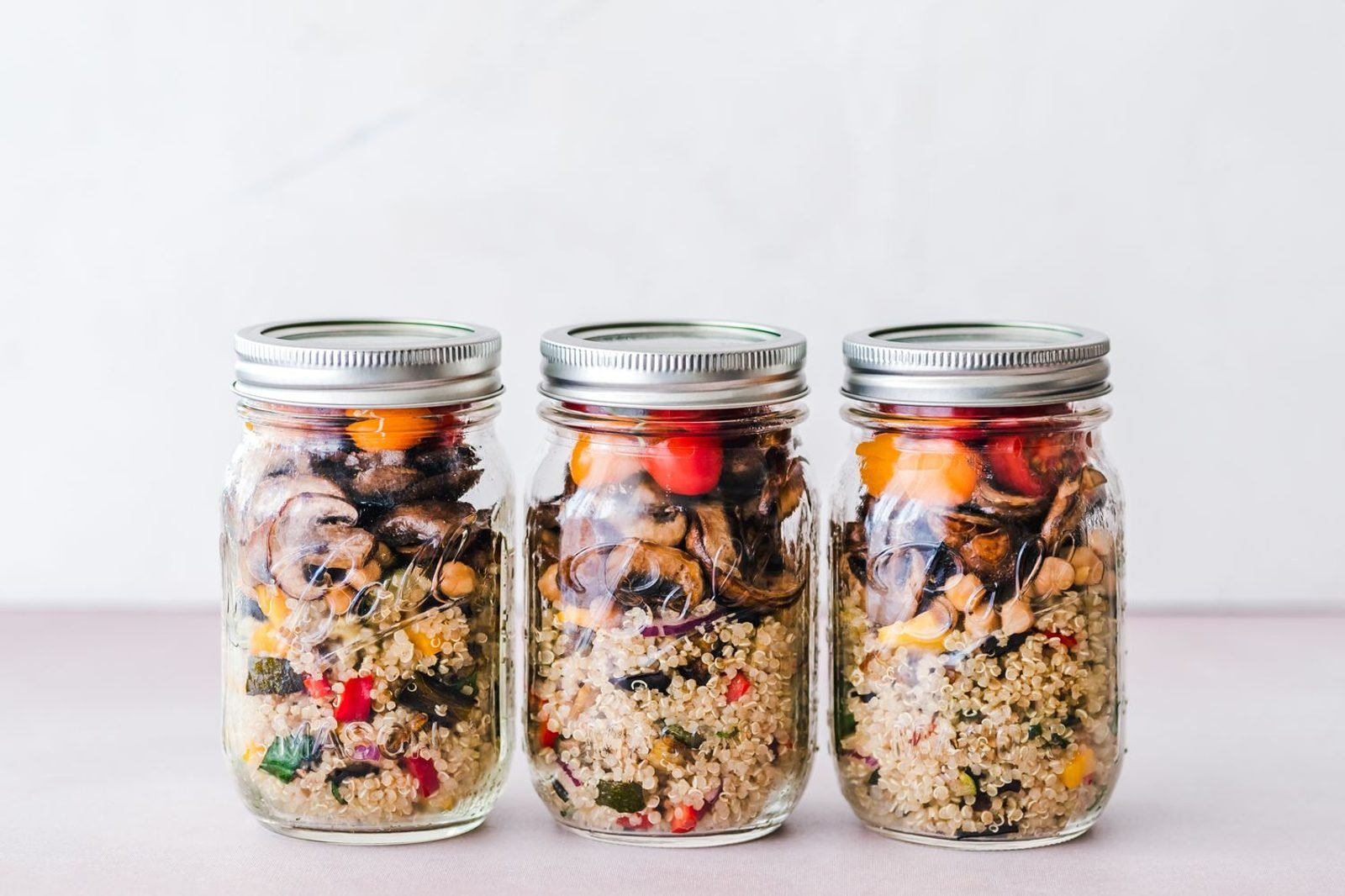
The single most useful thing you can do for your liver through food is to lose 5% to 10% of your body weight through a Mediterranean-style eating pattern while cutting back on added sugar, fried food, and alcohol. That’s the core of what Mayo Clinic and Cleveland Clinic recommend for people managing fatty liver, and it’s a good starting point even if you just want to support liver health in general. Liver nutrition isn’t about a single miracle food — it’s a pattern you keep up for months, built around vegetables, lean protein, healthy fats, and fewer processed carbohydrates.
This guide covers what a liver-friendly diet looks like, which foods and habits work against liver health, and where the limits of “eating your way to a healthier liver” really are. If you’ve been told you have fatty liver disease or elevated liver enzymes, this is meant to help you understand the dietary picture — not to replace a conversation with a hepatologist or your doctor, who can interpret your labs and imaging.
What Is Fatty Liver Disease and Why Does Diet Matter?
Fatty liver disease, now more precisely called metabolic dysfunction-associated steatotic liver disease (MASLD) — the term that has largely replaced “nonalcoholic fatty liver disease” or NAFLD — happens when fat builds up in liver cells beyond what’s normal. According to Cleveland Clinic, it’s one of the most common liver conditions worldwide and is closely tied to obesity, insulin resistance, and type 2 diabetes. In some people, it can progress to metabolic dysfunction-associated steatohepatitis (MASH), a more serious form involving inflammation and liver cell damage.
Diet matters because the liver processes nearly everything you eat and drink. Excess calories, especially from refined carbohydrates and sugar, get converted to fat and stored in liver cells. Reversing that — or at least stopping it from progressing — is where nutrition does its most meaningful work. If blood sugar regulation is part of your picture too, see our guide on nutrition strategies for diabetes, since insulin resistance and fatty liver frequently overlap.
What Does a Liver-Friendly Diet Actually Look Like?
Both Mayo Clinic and Cleveland Clinic point to the Mediterranean diet as the most consistently recommended eating pattern for fatty liver. It isn’t a rigid meal plan — it’s a general shift toward:
- Vegetables and fruit in regular quantities, especially leafy greens and berries, rich in antioxidants that help offset oxidative stress in liver tissue.
- Whole grains instead of refined ones — oats, brown rice, and whole-wheat bread rather than white bread and pastries.
- Lean proteins such as fish, poultry, beans, and legumes, which support tissue repair without the saturated fat load of fattier meat cuts.
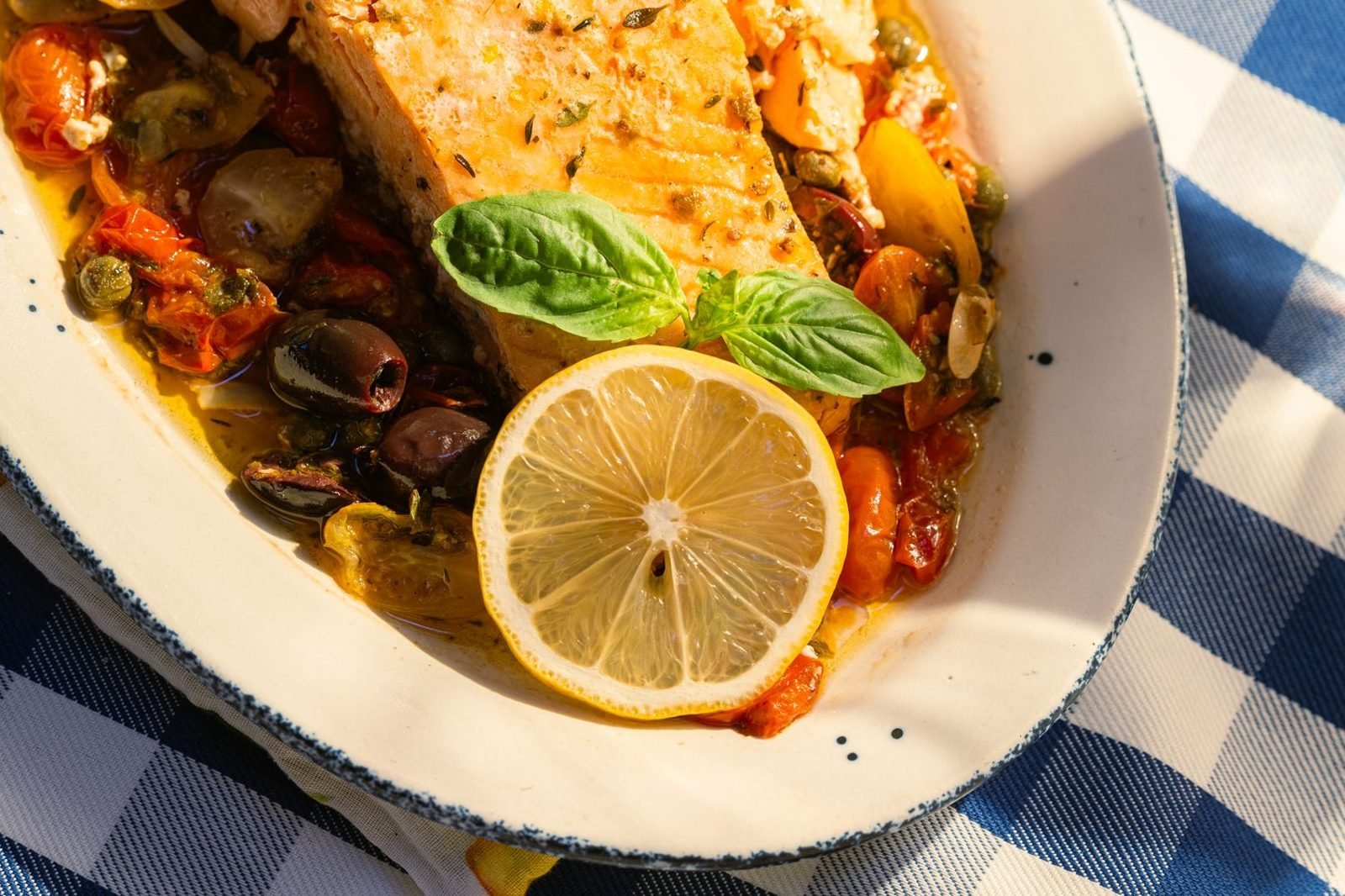
- Healthy fats from olive oil, avocados, and nuts, plus omega-3-rich fish like salmon and mackerel, which research links to reduced liver fat and improved liver enzyme levels.
- High-fiber foods, which slow digestion and support the blood sugar control tied to fatty liver risk — see our guide on fiber and nutrition for more.
Protein deserves attention on this list too, since it supports liver cell repair and helps preserve muscle mass during the kind of weight loss described later in this guide.
Which Foods and Habits Should You Limit for Liver Health?
Just as important as what you add is what you scale back. The foods most consistently flagged by liver specialists are:
- Alcohol. Even when fatty liver isn’t alcohol-related, alcohol adds extra metabolic burden on a liver already under strain. Many clinicians recommend minimizing or eliminating it once fatty liver is diagnosed — a conversation worth having directly with your doctor.
- Added sugar, particularly from sugary drinks, sodas, and desserts. Fructose in large amounts is processed almost entirely by the liver and converted to fat more readily than other sugars.
- Fried and highly processed foods, high in refined carbohydrates, unhealthy fats, and sodium — a combination both Cleveland Clinic and Mayo Clinic flag as working against liver health.
- Refined grains like white bread, white rice, and packaged snacks, which spike blood sugar and contribute to the insulin resistance underlying much of fatty liver disease.
- High-sodium foods, which can worsen fluid retention in more advanced liver conditions.
- Red and processed meats in excess, since they carry more saturated fat than the leaner proteins above.
None of this means a single dessert or fried meal undoes progress — the pattern over weeks and months is what matters, similar to how we talk about sustainable habits in our article on nutrition and fat loss.
Does Coffee Actually Help Liver Health?
This is one of the more surprisingly well-supported claims in liver nutrition. Multiple studies, including data referenced by Cleveland Clinic, have found that people who drink three or more cups of coffee a day tend to have lower rates of abnormal liver enzymes (ALT, AST, ALP, and GGT) and a reduced risk of MASLD compared to non-coffee-drinkers. A meta-analysis of epidemiological studies linked three or more cups daily to a lower risk of fatty liver disease and fibrosis, regardless of caffeine content. Green tea has shown similar antioxidant effects, though with a smaller evidence base. Loading coffee with sugar and cream likely works against the benefit — black coffee, or coffee with minimal additions, is the version reflected in the research.
What About Liver Pâté — Is It a Liver-Healthy Food?
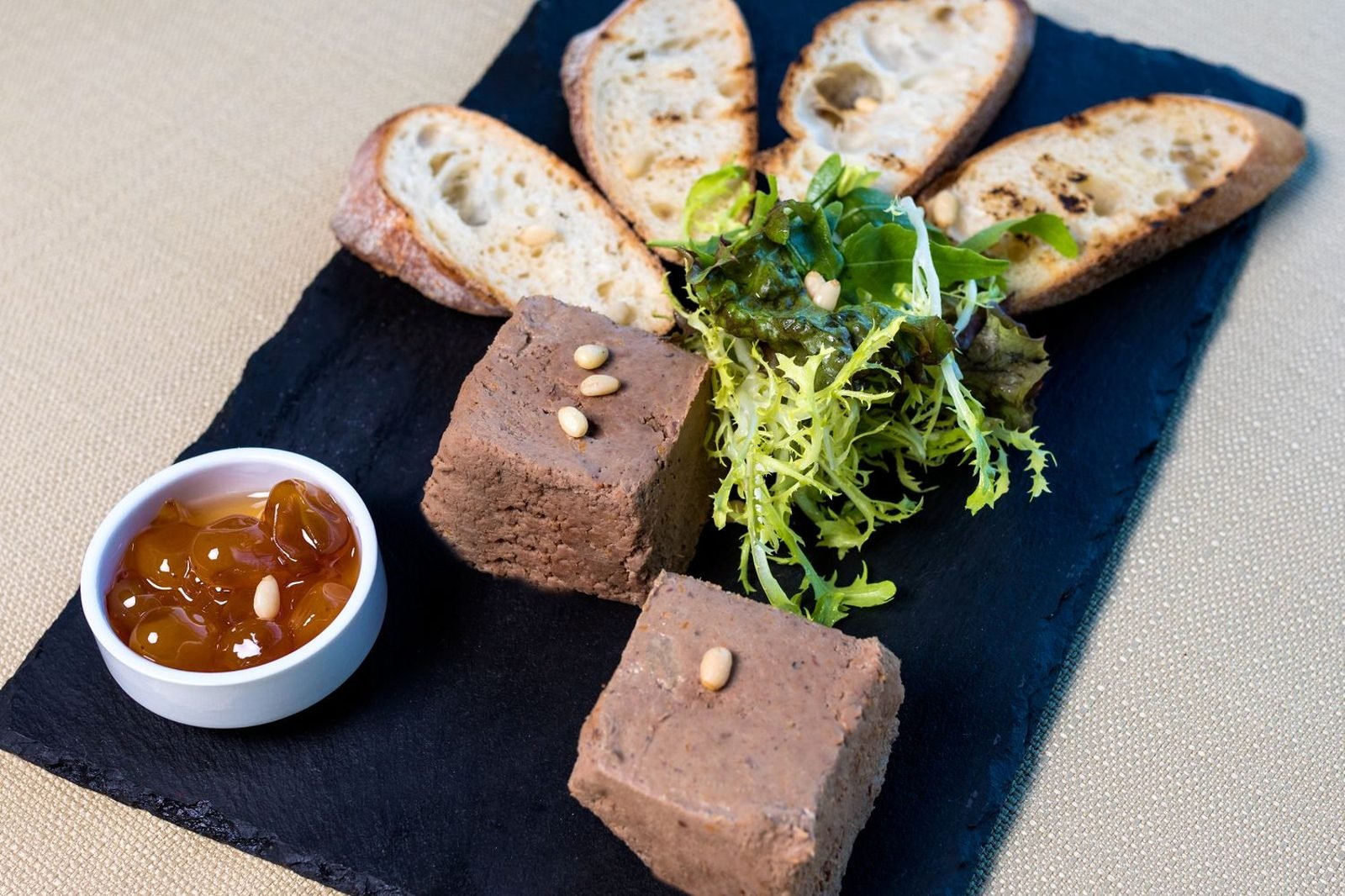
Given the name, this comes up often enough to deserve a straight answer: liver pâté’s nutrition profile has nothing to do with whether it’s good for your liver. Pâté is simply a dish, typically made from chicken or beef liver, and its nutritional value stands on its own.
A typical 30- to 50-gram serving provides roughly 70 to 160 calories, 6 to 13 grams of protein, and 10 to 14 grams of fat, depending on the recipe and whether it’s chicken- or beef-liver based. It’s also a strong source of iron and vitamin B12 — worth knowing if you’re managing nutritional anemia, since iron-deficiency anemia responds well to iron-rich foods like liver.
The catch is vitamin A. Liver is exceptionally concentrated in it — a 3-ounce serving of beef liver can contain roughly 27,000 IU, well above typical daily needs — so pâté is a food to enjoy in moderation rather than daily. This is especially true during pregnancy, where authorities including the UK’s Royal College of Obstetricians and Gynaecologists advise avoiding liver products altogether due to vitamin A’s link to birth defects at high doses. For most other adults, an occasional serving is generally fine — but it isn’t a food to reach for specifically to support a fatty liver diagnosis, given its saturated fat and sodium content.
How Much Weight Loss Actually Helps a Fatty Liver?
According to Mayo Clinic’s self-care guidance for MASLD, losing 5% to 10% of body weight can significantly improve fatty liver disease — and the Mediterranean diet itself has shown benefits even independent of weight loss, meaning the quality of what you eat matters on its own, not just the number on the scale.
Protein matters specifically during this process, since it supports liver cell repair and helps preserve muscle mass while you’re in a calorie deficit. For more on how much protein you need and how to structure it, see our piece on protein and nutrition.
Realistically, this kind of change happens gradually. Crash diets or very restrictive eating aren’t generally recommended for liver conditions, partly because rapid weight loss can, in some cases, temporarily stress the liver further. A steady approach — consistent meals, regular activity, and the food pattern described above — tends to be both more sustainable and more aligned with clinical guidance. Exercise plays a meaningful supporting role too: it’s not a replacement for dietary change, but combined with a liver-friendly eating pattern, regular physical activity is consistently cited alongside diet as core to managing MASLD.
Can Diet Alone Manage or Reverse Liver Disease?
This is the most important expectation to set correctly: diet is a genuinely powerful tool for fatty liver, but it is not a substitute for medical care, and it cannot diagnose, treat, or cure liver disease on its own. Fatty liver disease exists on a spectrum, from simple fat accumulation to MASH to, in more advanced cases, fibrosis or cirrhosis. Where you are on that spectrum changes what’s appropriate, and that requires blood work, imaging, and sometimes a liver biopsy — not a food list.
If you have a diagnosed liver condition, elevated liver enzymes on a blood test, or symptoms like unexplained fatigue, abdominal discomfort, or jaundice, the right next step is a hepatologist or your primary care physician, not a diet overhaul attempted alone. Diet and nutrition coaching can be a valuable complement to medical treatment — supporting the lifestyle side of a plan a doctor has already outlined — but it works alongside medical care, not instead of it.
Frequently Asked Questions
Can fatty liver disease be reversed through diet alone?
Early-stage fatty liver (simple steatosis) can often improve significantly with sustained diet and weight changes, and Mayo Clinic notes 5-10% weight loss can meaningfully help. However, more advanced stages need medical evaluation and management — a hepatologist can determine what’s realistic for your specific case.
Is intermittent fasting good for liver health?
Some research suggests structured eating windows may help with weight management, which indirectly benefits liver health, but evidence specific to fasting protocols and liver disease is still developing. Talk to your doctor before starting any fasting approach, especially with an existing liver condition.
How much coffee is considered liver-protective?
Studies referenced by Cleveland Clinic and others associate three or more cups of coffee daily with lower liver enzyme levels and reduced MASLD risk. The research generally reflects black or lightly prepared coffee, not sugar-and-cream-heavy versions.
Is liver pâté safe to eat if I have fatty liver disease?
There’s no direct evidence that eating liver pâté worsens or helps fatty liver disease specifically. It’s fine in moderate amounts for most people, but its saturated fat and sodium content mean it shouldn’t be a dietary staple — and pregnant individuals should avoid it due to its very high vitamin A content. Its iron content can make an occasional serving useful for people focused on the nutritional management of anemia, though that benefit doesn’t override the moderation advice above.
What are the first symptoms of fatty liver disease I should watch for?
Fatty liver disease is often symptomless in early stages, which is part of why it’s frequently caught through routine blood work. When symptoms do appear, they can include fatigue or discomfort in the upper right abdomen. Any of these warrant a conversation with your doctor rather than self-diagnosis.
Do I need supplements to support liver health?
Whole foods are generally the recommended foundation, and there isn’t strong evidence that supplements outperform a balanced diet for most people. If you’re considering supplements for a diagnosed liver condition, discuss them with your hepatologist first, since some supplements can actually burden the liver.
Liver nutrition works best as part of a bigger picture — consistent meals, realistic weight goals, and food choices you can actually sustain, not a rigid list of rules. If you want help translating this into a plan that fits your routine, blood work, and goals, an online nutritionist consultation is a good next step, especially alongside guidance from your doctor.