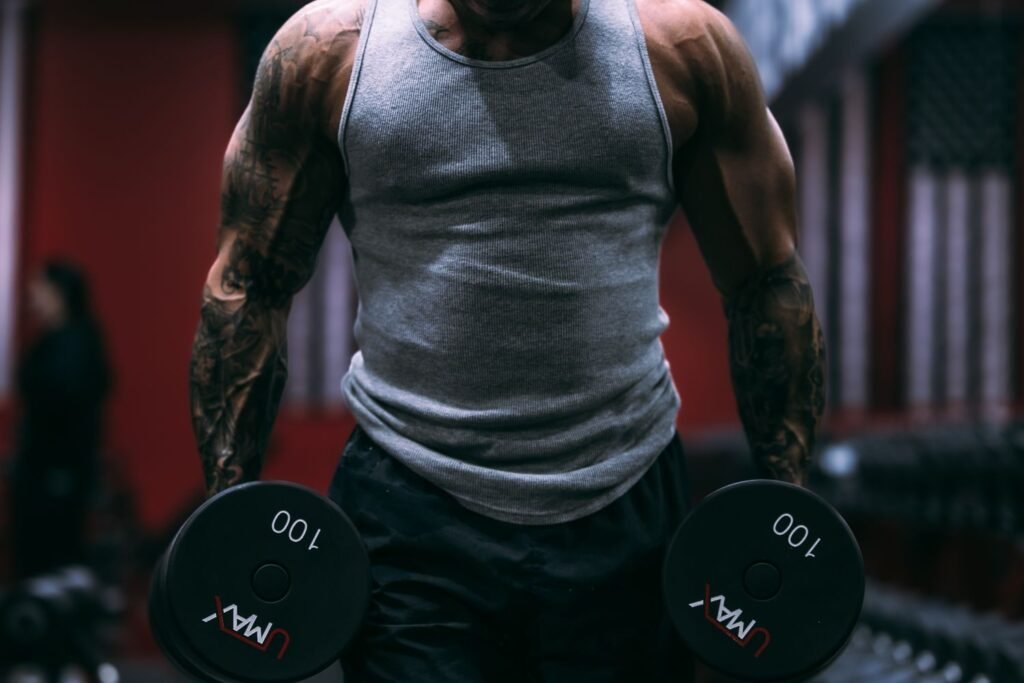
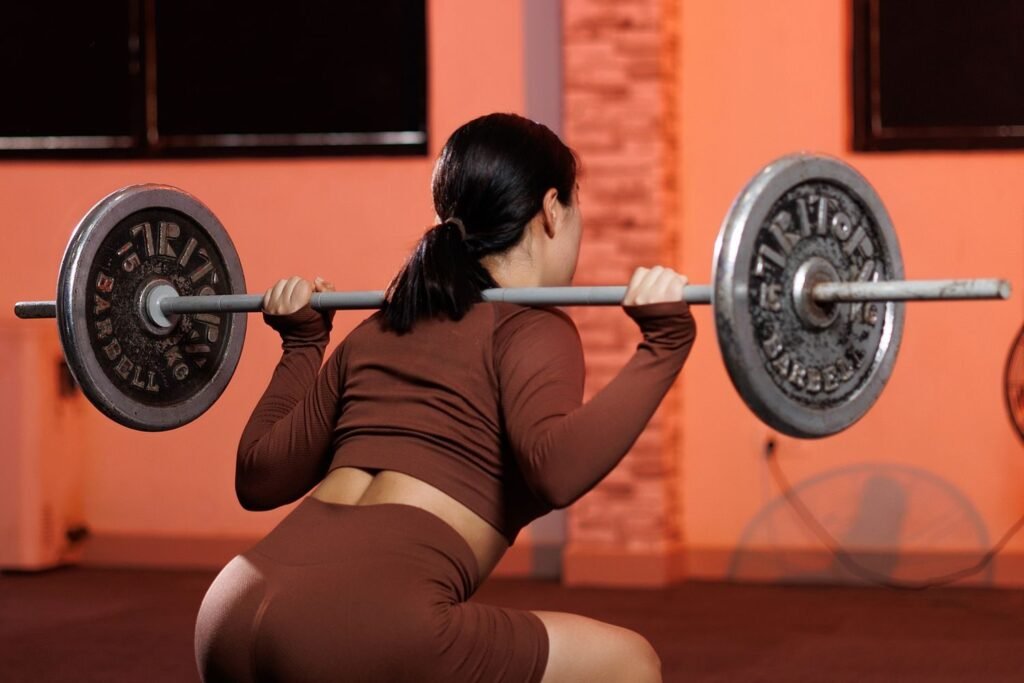
Oblique workouts train the muscles that run diagonally along the sides of your torso, the internal and external obliques that let you twist, bend sideways, and stabilize your spine under load. At FitStrot, we program oblique work into almost every core routine we build, not because it gives clients a “snatched waist” overnight, but because strong obliques protect the lower back, improve rotational power for sport, and make everyday movements like lifting, reaching, and turning feel more controlled. A good oblique workout mixes anti-rotation holds, weighted twists, and lateral flexion moves rather than just endless crunches.
Why Do Obliques Matter for Everyday Strength?
Most people think of obliques as a vanity muscle, something you train to look good at the beach. We’d push back on that framing. Your obliques are working in everyday moments most people never think about:
- Carrying a heavy bag on one shoulder
- Swinging a racket
- Getting out of bed
- Catching yourself from tripping
They’re part of your core’s bracing system, and when they’re weak, your lower back often picks up the slack. That’s when we see clients showing up with nagging back tightness that has nothing to do with their back and everything to do with an under-trained midsection.
In our coaching sessions, we treat oblique training as a subset of broader ab workouts, not a separate category. A complete core program needs flexion work (your rectus abdominis, the “six-pack” muscle), rotational work (obliques), and anti-extension work (deep core stability). Skip the rotational piece and you end up with a core that looks fine in a mirror but folds under real-world twisting loads.
What Muscles Are You Actually Training?
There are two layers here. The external obliques sit on top and run diagonally down and in, and they’re the ones you feel working when you twist your torso against resistance. The internal obliques sit underneath, running the opposite diagonal, and they help with rotation and side bending too, plus they play a big role in stabilizing your pelvis. Most oblique exercises hit both layers to some degree, but moves like woodchoppers and Russian twists lean more on the externals, while anti-rotation holds like Pallof presses recruit the internals hard because you’re resisting rotation rather than creating it.
We also make sure clients understand that obliques don’t work alone. They team up with your transverse abdominis, glutes, and lats during almost any rotational or carrying movement. That’s part of why a well-rounded program, like the ones we lay out in our guide to abs workout in the gym, pairs oblique-specific moves with compound lifts like carries and cable presses rather than isolating the obliques in a vacuum.
How Do You Build an Oblique Workout That Works?
A good oblique session covers three movement patterns: rotation (twisting the torso), lateral flexion (bending sideways), and anti-rotation (resisting a twisting force). We rotate through all three across a week rather than hammering one pattern every session. Reps generally sit in the 10 to 20 range for bodyweight and light-resistance moves, and sets stay controlled, you’re chasing quality tension, not speed. Rushing through twisting movements is one of the fastest ways to strain your lower back, so we coach a slow, deliberate tempo, especially on weighted rotations.
Here’s a sample session we actually program for clients who want a focused core and oblique day. It works as a standalone 25-minute session or as a finisher after a strength workout.
| Exercise | Sets | Reps | Rest |
|---|---|---|---|
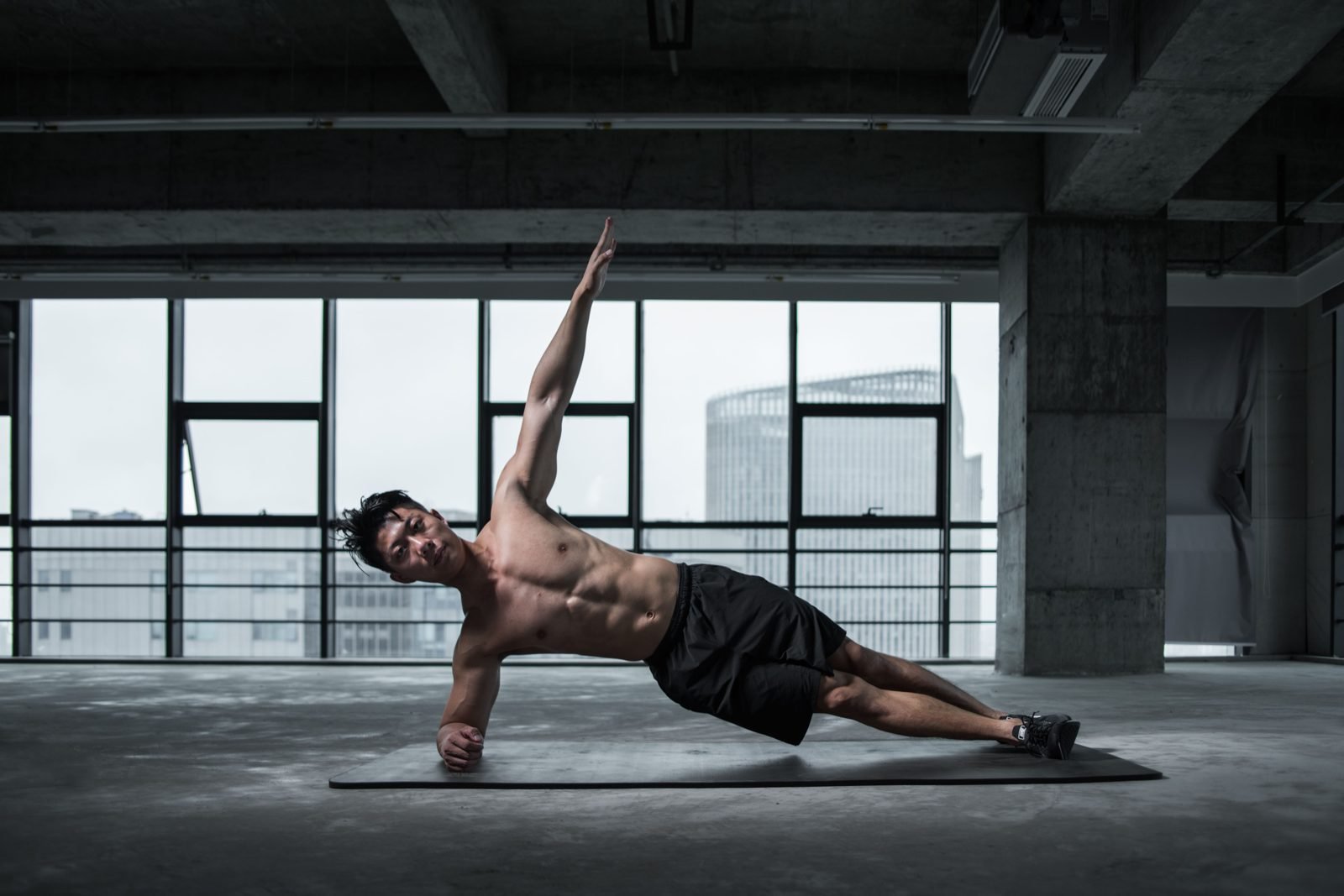
| Side plank with hip dip | 3 | 10-12 per side | 30 sec |
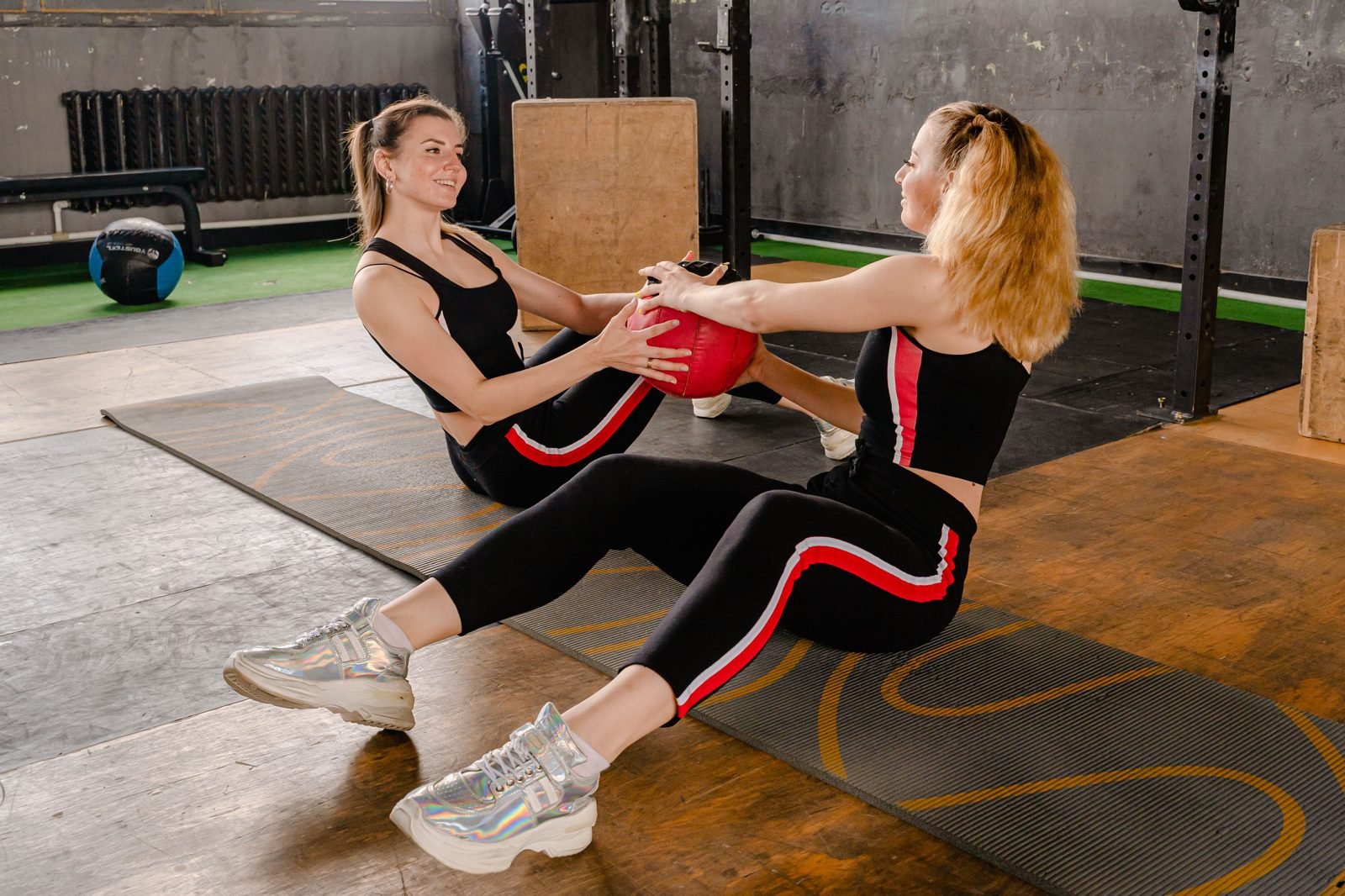
| Russian twists (weighted) | 3 | 15-20 total | 45 sec |
| Cable or band woodchoppers | 3 | 12 per side | 45 sec |
| Bicycle crunches | 3 | 20-24 total | 30 sec |
| Pallof press (anti-rotation) | 3 | 10 per side | 45 sec |
| Standing dumbbell side bend | 2 | 12-15 per side | 30 sec |
If you’re short on equipment, drop the woodchoppers and side bends for a resistance band version, they scale down to bodyweight and light bands without losing much value. We often build a version of this exact circuit for clients working from home with nothing more than a mat and a light dumbbell.
Can Oblique Exercises Get Rid of Love Handles?
No, and we’d rather tell you that straight than let you waste months chasing something that isn’t going to happen. Spot reduction, the idea that training a muscle burns fat specifically from the skin covering it, isn’t how fat loss works. Your body pulls stored fat from all over based on genetics, hormones, and your overall calorie balance, not from whichever muscle you happened to train that day. You can do a thousand side bends a week and still have fat sitting over your obliques if you’re in a calorie surplus.
What oblique exercises will do is build the muscle underneath. Combine that muscle development with a real fat loss approach, a sustained calorie deficit, enough protein, and consistent training, and your waistline will change. But the exercises themselves aren’t the mechanism for losing the fat over your sides. This is the same principle we cover when clients ask about training toward a visible six-pack, which we go into in more detail in our six-pack workout guide: the muscle work and the fat loss work are two separate jobs, and you need both running at the same time.
How Often Should You Train Your Obliques?
Two to three sessions a week is enough for most people, whether that’s a dedicated core day or oblique moves tacked onto the end of your regular training. Obliques recover fairly quickly compared to bigger muscle groups, but they still need rest, and training them to failure every single day tends to backfire as fatigue creeps into your lower back and hip flexors. We’d rather see a client do focused, well-loaded oblique work twice a week than rushed, sloppy sets seven days a week.
If you’re already doing heavy compound lifts like squats, deadlifts, or carries, you’re getting indirect oblique stimulus on those days too. Factor that in before you stack dedicated oblique work on top of an already demanding program.
What Mistakes Do We See Clients Make?
The biggest one is loading up on side bends with heavy dumbbells thinking it’ll “carve” a smaller waist. In reality, heavy weighted side bends can actually build the oblique muscle to the point where the waist looks thicker, not thinner, especially in clients who are already lean. If your goal is a slimmer-looking midsection, keep resistance moderate on lateral flexion work and lean more on rotational and anti-rotation moves along with your overall fat loss plan.
The second common mistake is skipping anti-rotation training entirely. Everyone wants to twist and crunch, but resisting rotation, think Pallof presses or suitcase carries, builds real functional core strength that shows up in the gym and in daily life. We build both into every program because leaning on just one pattern leaves a gap in how the core actually performs under load.
Building a Program That Fits You
Generic oblique circuits work fine as a starting point, but the right sets, reps, and exercise selection change based on your training history, injury background, and what you’re actually training for. A powerlifter needs oblique work for bracing under a heavy squat. A runner needs it for rotational efficiency in their stride. Someone recovering from a back strain needs a completely different entry point. If you want a program built specifically for your goals, that’s what our 1-on-1 personal training is for, we design it around your body, your schedule, and what you’re actually trying to achieve, not a template pulled off the shelf.
Frequently Asked Questions
What is the best oblique workout?
There’s no single best exercise, the best oblique workout combines rotation, lateral flexion, and anti-rotation moves. A session with side planks, weighted Russian twists, woodchoppers, and Pallof presses covers all three patterns and builds well-rounded strength rather than working the same movement pattern repeatedly.
Can you do oblique workouts at home?
Yes, most oblique exercises need little to no equipment. Side planks, bicycle crunches, standing twists, and mountain climbers all work with just bodyweight, and adding a resistance band or a single dumbbell covers woodchoppers and side bends. We program full home oblique sessions for clients regularly.
Do oblique exercises reduce love handles?
Not directly. Oblique exercises build the muscle under your love handles but don’t burn fat specifically from that area, spot reduction isn’t how fat loss works. Losing fat there requires a calorie deficit and consistent overall training. Combine that with oblique work and the muscle underneath will show once the fat comes down.
How often should you train obliques?
Two to three focused sessions a week is enough for most people. Obliques recover faster than larger muscle groups but still need rest between hard sessions. If you’re already doing heavy compound lifts like squats or carries, you’re getting indirect oblique work on those days as well.
Are oblique exercises safe for people with lower back issues?
Many are, but form matters more here than almost anywhere else in a core routine. Anti-rotation moves like Pallof presses are generally safer than heavy weighted twists for people with back sensitivity. If you have an existing injury, get a coach or physio to assess your movement before loading rotational exercises.