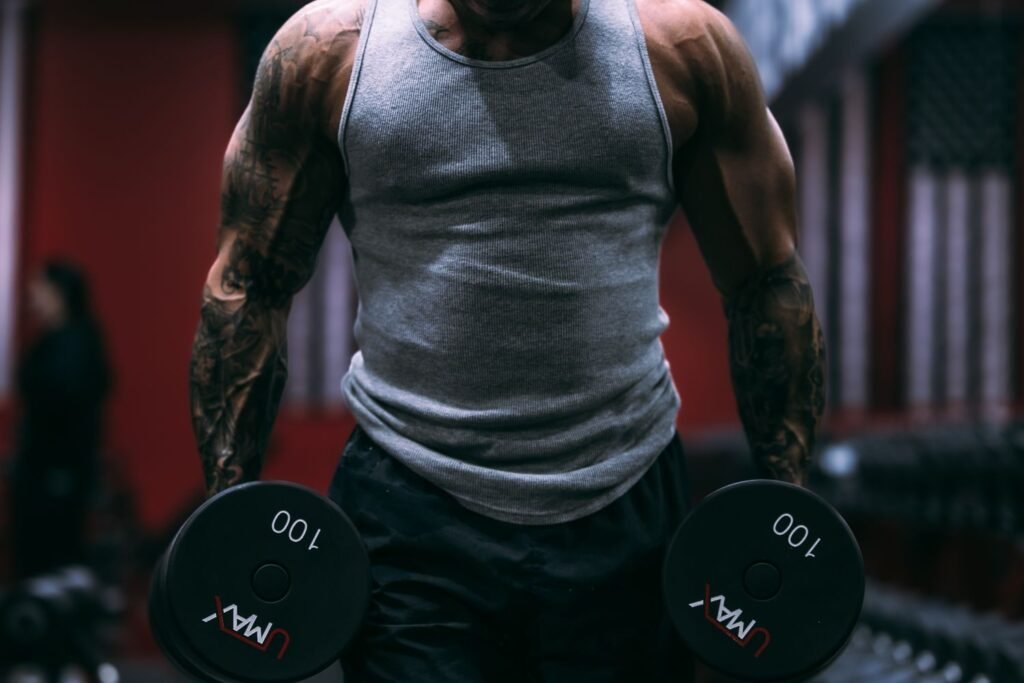
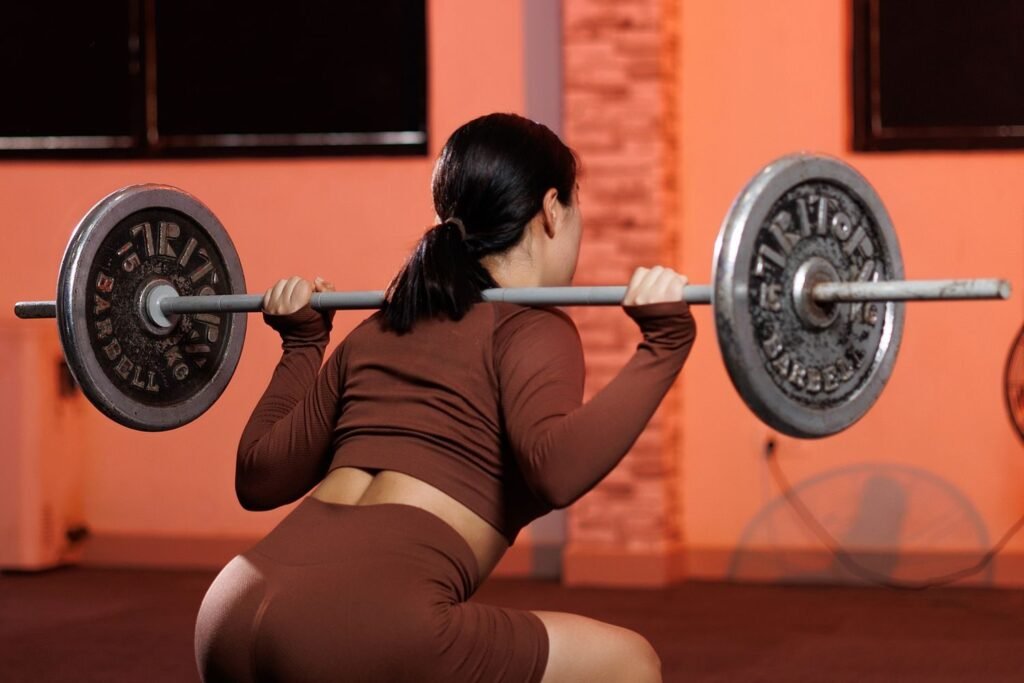
Getting a six pack has almost nothing to do with finding the “right” ab exercise and everything to do with your body fat percentage. You can have strong, well-developed abdominal muscles and still not see a single line of definition if there’s a layer of fat sitting over them. The real work happens in your kitchen and in your overall training program, not in some secret six pack workout you haven’t discovered yet. Training your abs directly still matters, it builds the muscle that eventually shows, but it won’t reveal it. If you want visible abs, you need to get lean enough through diet and consistent full-body training, and then let your ab work do its job.
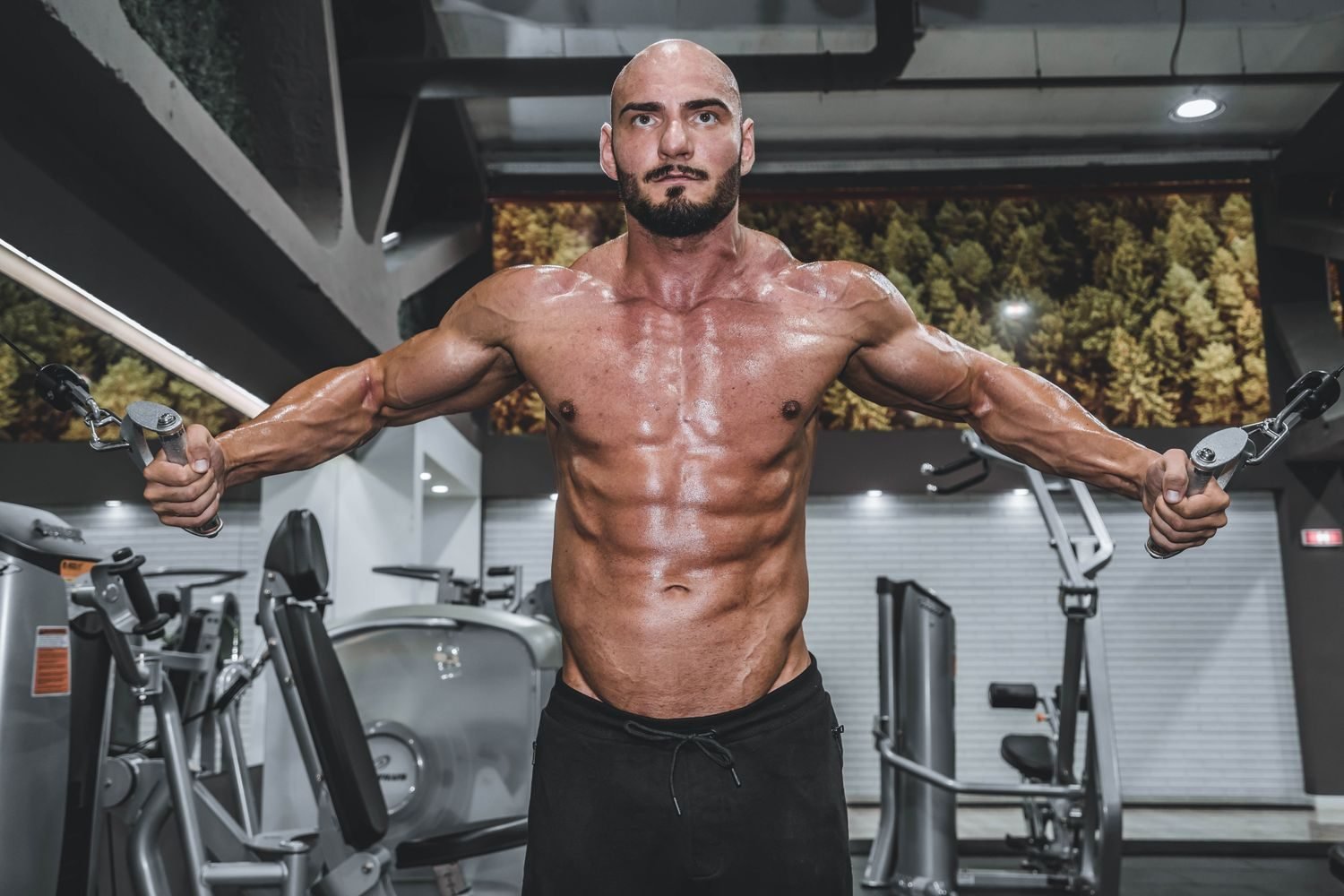
What Does It Actually Take to Get a Six Pack?
Let’s be blunt about this because most content online isn’t. A six pack workout builds muscle. It does not burn the fat sitting on top of that muscle. Spot reduction, the idea that doing hundreds of crunches will melt fat specifically off your stomach, isn’t how the body works. Fat loss happens across your whole body based on a calorie deficit, and where you lose it first or last is largely down to genetics.
So the real formula is simple, even if it isn’t easy: eat in a consistent calorie deficit, keep your protein intake high enough to hold onto muscle, train your whole body regularly (not just your abs), and manage sleep and stress well enough that they don’t wreck your recovery. Most men start seeing real definition somewhere around 12-15% body fat, and it gets sharper below 10%. For women, visible abs typically show up a bit higher, often in the 18-22% range, because of natural differences in essential fat storage. None of this changes with a fancier six pack workout. It changes with your body fat.
Which Muscles Are You Actually Training?
Your “six pack” is the rectus abdominis, the long muscle running from your ribs to your pelvis. Those visible blocks are tendinous intersections crossing the muscle, and how many you can count is mostly genetic. Some people show eight, some show four, no amount of training changes that pattern.
But a proper six abs workout shouldn’t stop at the rectus abdominis. Your obliques (sides), transverse abdominis (deep core stabiliser), and lower back all play a role in how strong and defined your midsection looks and functions. Training only the front of your abs while ignoring the rest is one of the most common mistakes we see in six pack workout plans people build for themselves. A well-rounded core workout hits all of these areas, not just the muscles you see in the mirror.
What Are the Best Six Pack Exercises?
There’s no single miracle move, but some exercises consistently earn their place in any serious six pack abs workout because they load the muscle through a full range of motion and add resistance as you progress.
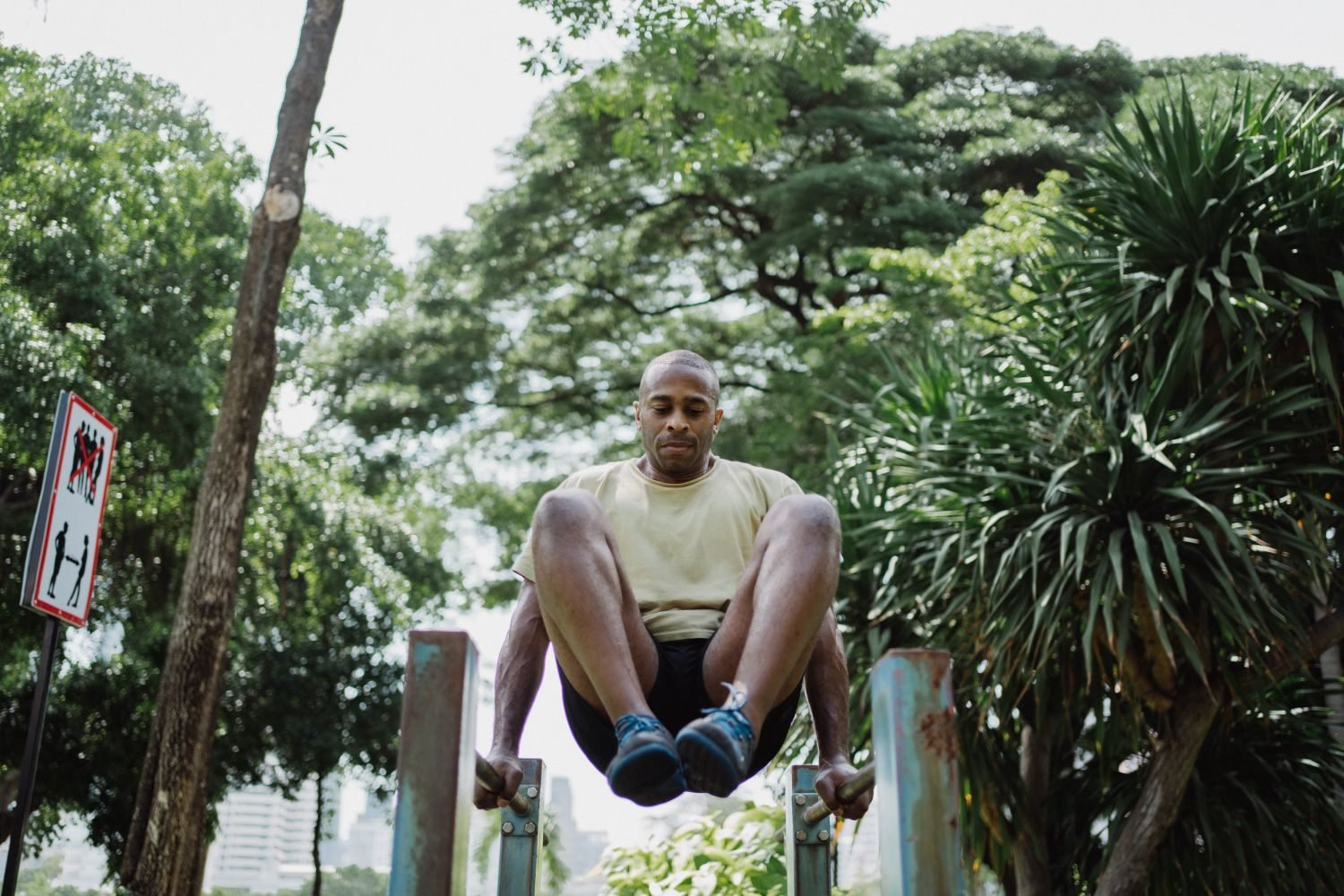
- Hanging leg raises – one of the best exercises for lower ab engagement and hip flexor control.
- Cable crunches – let you add weight progressively, which matters once bodyweight crunches stop being challenging.
- Weighted planks – build the deep stability that supports every other lift you do.
- Russian twists – target the obliques and add rotational strength.
- Ab wheel rollouts – genuinely tough, and excellent for building strength through the entire core.
- Reverse crunches – isolate the lower abs better than most standing movements.
If you want a deeper breakdown of movement selection and technique, our guide to ab workouts covers form cues and progressions for each of these in more detail.
What Does a Sample Six Pack Workout Look Like?
Here’s a straightforward ab circuit we actually program for clients who’ve already got their nutrition in order and just need solid, structured ab training two to three times a week alongside their regular strength work.
| Exercise | Sets | Reps | Rest |
|---|---|---|---|
| Hanging leg raises | 3 | 10-12 | 60 sec |
| Cable crunches | 3 | 12-15 | 60 sec |
| Weighted plank | 3 | 30-45 sec hold | 45 sec |
| Russian twists (with weight) | 3 | 16-20 (8-10 per side) | 45 sec |
| Reverse crunches | 3 | 12-15 | 45 sec |
| Ab wheel rollouts | 2 | 8-10 | 60 sec |
Run this twice a week if you’re also doing full-body strength training, or three times a week if your abs need catching up. Add resistance or reps every couple of weeks once it starts feeling manageable. This isn’t a stand-alone six pack workout men or women need to do daily, it’s meant to sit inside a broader training week that includes compound lifts and cardio.
Six Pack Workout at Home vs Six Pack Gym Workout: What’s the Difference?
A six pack workout at home can absolutely work if you’re consistent and know how to make bodyweight movements harder as you get stronger. Planks, bicycle crunches, mountain climbers, leg raises off a bed or sturdy chair, and slow, controlled sit-ups all build real ab strength without any equipment. The catch is progression. Bodyweight-only training plateaus fast once your abs adapt, so you’ll want to slow the tempo, add pauses, or move to single-limb variations to keep challenging the muscle.
A six pack gym workout gives you more tools to keep progressing: cable stacks for crunches, an ab wheel, a dip station for hanging raises, weighted plates for planks. If your goal is to keep adding resistance over months, not just weeks, gym access makes that a lot easier. For a full breakdown of equipment-based routines, our guide on abs workout in the gym walks through machine and free-weight options step by step. Either setting works. What matters more is whether your overall program (diet included) is set up to actually reduce body fat.
Do 30 Day Six Pack Programs Actually Work?
We need to be honest here. A 30 day six pack workout might genuinely improve your ab strength and even build a bit of visible muscle if you’re already fairly lean. But if you’re starting at a higher body fat percentage, 30 days of ab exercises alone will not give you a visible six pack. Fat loss at a sustainable, muscle-preserving rate is roughly 0.5-1% of body weight per week. For most people, that math simply doesn’t add up to six pack visibility in a month.
These programs aren’t a scam exactly, they usually do build some strength and endurance. The problem is the framing. “30 days to a six pack” implies a fixed exercise sequence is the bottleneck, when for most people the bottleneck is body fat, which takes longer to shift. Use a 30-day program as a strength challenge if you enjoy the structure, just don’t expect it to be the thing that reveals your abs on its own.
Is a Six Pack Workout Different for Women?
The exercises themselves don’t need to change much. A girl six pack workout uses the same movements: leg raises, planks, cable crunches, rollouts. What differs is context. Women naturally carry more essential body fat than men, so the body fat percentage needed for visible abs sits higher, and getting there safely without disrupting hormonal health matters even more. We’d rather see a woman train hard, eat enough to support her training and her cycle, and get lean gradually than chase an aggressive deficit that backfires within a few months.
The training principles of progressive overload, consistency, and full-body strength work apply exactly the same regardless of gender. Nobody needs a “toning” version of ab training that uses tiny weights and high reps only, that’s a myth. Building visible muscle definition requires genuine strength stimulus, just like anywhere else on the body.
How Long Does It Realistically Take to Get a Six Pack?
It depends almost entirely on your starting point. Someone who’s already at 15-16% body fat with decent ab muscle underneath might see a six pack in 8-12 weeks of a solid deficit. Someone starting at 25-30% body fat is looking at several months, sometimes close to a year, if they want to lose fat without crashing their metabolism or losing muscle along the way.
We see a lot of people get frustrated in week three because their abs haven’t shown up yet, when the honest timeline for their starting point was always going to be five or six months. Setting a realistic expectation upfront saves you from quitting right before the visible progress actually starts.
What Mistakes Keep People From Seeing Their Abs?
A few patterns show up again and again in people who train hard but never quite get there:
- Doing endless crunches and ignoring diet. No exercise volume outworks a calorie surplus.
- Skipping full-body strength training. More muscle overall raises your metabolic rate and improves body composition, not just isolated ab work.
- Underestimating calorie intake. Sauces, drinks, and snacks add up fast and quietly stall fat loss.
- Chasing a “toning” rep range. Light weight, high reps doesn’t build the muscle that creates visible definition. Progressive overload does.
- No patience. Switching programs every two weeks means never sticking with anything long enough to see the payoff.
If your training needs a rebuild from the ground up, working core training into a broader strength split, rather than treating abs as an afterthought, tends to get better results. Our guide to core workout programming is a good next step if you want to see how ab training fits into a complete weekly split.
Should You Train Abs Alone or Get a Coach Involved?
You can absolutely build a six pack on your own with the right information and enough discipline. But most people underestimate how much their diet needs adjusting, or they keep doing the same routine without progressing it, and months go by with little to show for it. A coach who can look at your training split, your eating pattern, and your recovery, and adjust all three as you change, tends to get people there faster and with fewer stalled-out plateaus. If you want that kind of structure and accountability, our 1-on-1 personal training program pairs you with a coach who builds your ab and strength training around your actual life and goals, not a generic template.
Frequently Asked Questions
What is the best six pack workout?
There’s no single best routine, but a strong six pack workout combines hanging leg raises, cable crunches, weighted planks, and rotational moves like Russian twists, done two to three times weekly. Progression matters more than the exact exercises you pick, so keep adding resistance or difficulty over time.
How do you get a six pack?
You get a six pack by lowering your body fat percentage through a consistent calorie deficit and adequate protein, while training your abs and your whole body regularly to build and preserve muscle. There’s no shortcut exercise that replaces this, diet does the heavy lifting.
What are the benefits of six pack workouts?
Beyond appearance, six pack workouts build core strength that improves posture, spinal stability, and performance in almost every other lift or sport. A stronger core also reduces lower back strain and helps you transfer force better during daily movement and athletic activity.
Can you get a six pack without going to the gym?
Yes, a well-structured six pack workout at home using bodyweight progressions, planks, and controlled tempo work can build real ab strength. You’ll eventually need ways to add resistance, like a weighted vest or resistance bands, once bodyweight training stops being challenging.
Why can’t I see my abs even though I train them regularly?
If your ab muscles are strong but not visible, body fat is almost always the reason. Training abs builds the muscle underneath, but it takes a low enough body fat percentage, driven by diet, for that muscle to actually show through.