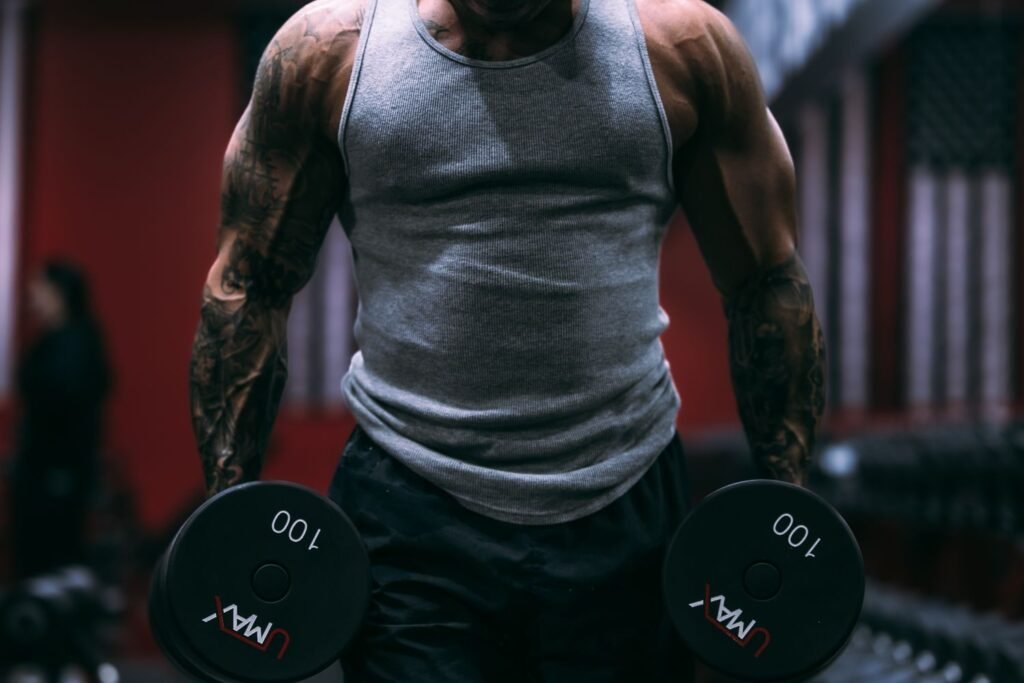
An abs workout at the gym means training your core with equipment you can’t replicate at home: cable crunches, hanging leg raises, ab machines, and weighted decline sit-ups. These moves let you add resistance to core training the same way you’d add weight to a squat or a bench press, and progressive resistance is what actually builds a stronger, more defined core over time. Bodyweight moves like planks and floor crunches work fine when you’re starting out, but they plateau fast once your core gets used to them. Gym equipment removes that ceiling. One thing we need to say upfront though: no amount of cable crunches will reveal a six-pack if your body fat is sitting at 25%. Visible abs come from your diet first and your training second. This guide covers the exercises, a real sample workout, and the honest math behind actually seeing your abs.
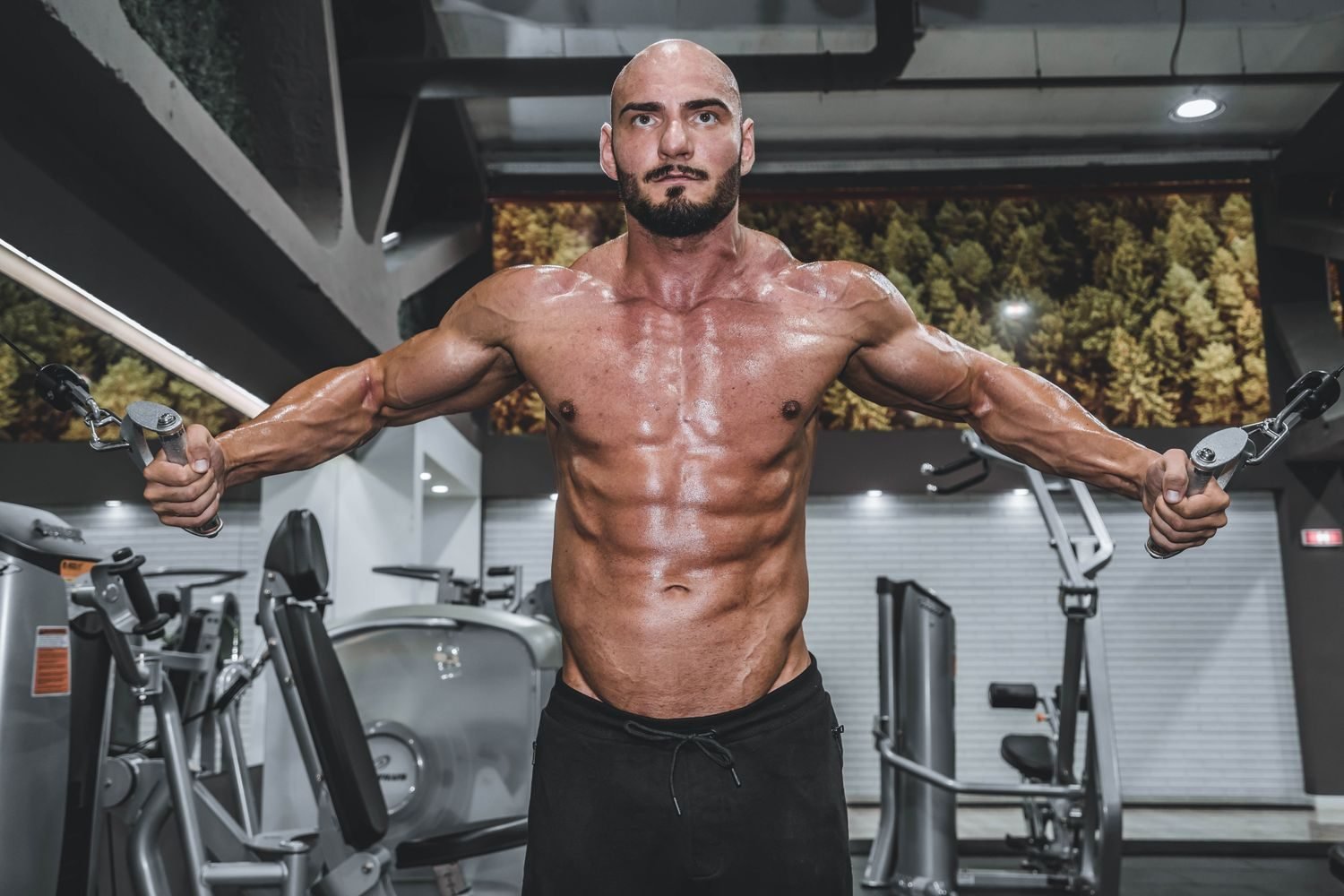
Why Train Abs in the Gym Instead of at Home?
Home ab workouts rely on bodyweight and gravity. That’s a fine starting point, but your rectus abdominis and obliques adapt to bodyweight resistance within a few weeks, and after that you’re just doing more reps without getting stronger. A gym gives you three things a living room floor can’t: adjustable resistance, stable joint support for hanging movements, and machines built specifically to isolate the core through a full range of motion.
If you’re newer to structured core training, our ab workouts guide is a good place to start before you move into equipment-based training. And if you want the bigger picture on how ab work fits into overall core strength, we’ve broken that down in our core workout gym article.
What Are the Best Cable and Machine Ab Exercises?
You don’t need twenty different exercises. You need four or five that load the core properly and that you can progress week over week by adding weight or reps. Here are the ones we program most often for clients training abs in a commercial gym.
Cable Crunch
Kneel in front of a cable machine with a rope attachment set high. Hold the rope by your head, brace your core, and crunch down by curling your spine, not by pulling with your arms. This is one of the few ab exercises where you can genuinely go heavy, because the cable keeps constant tension on the abs through the entire movement instead of relying on your own bodyweight.
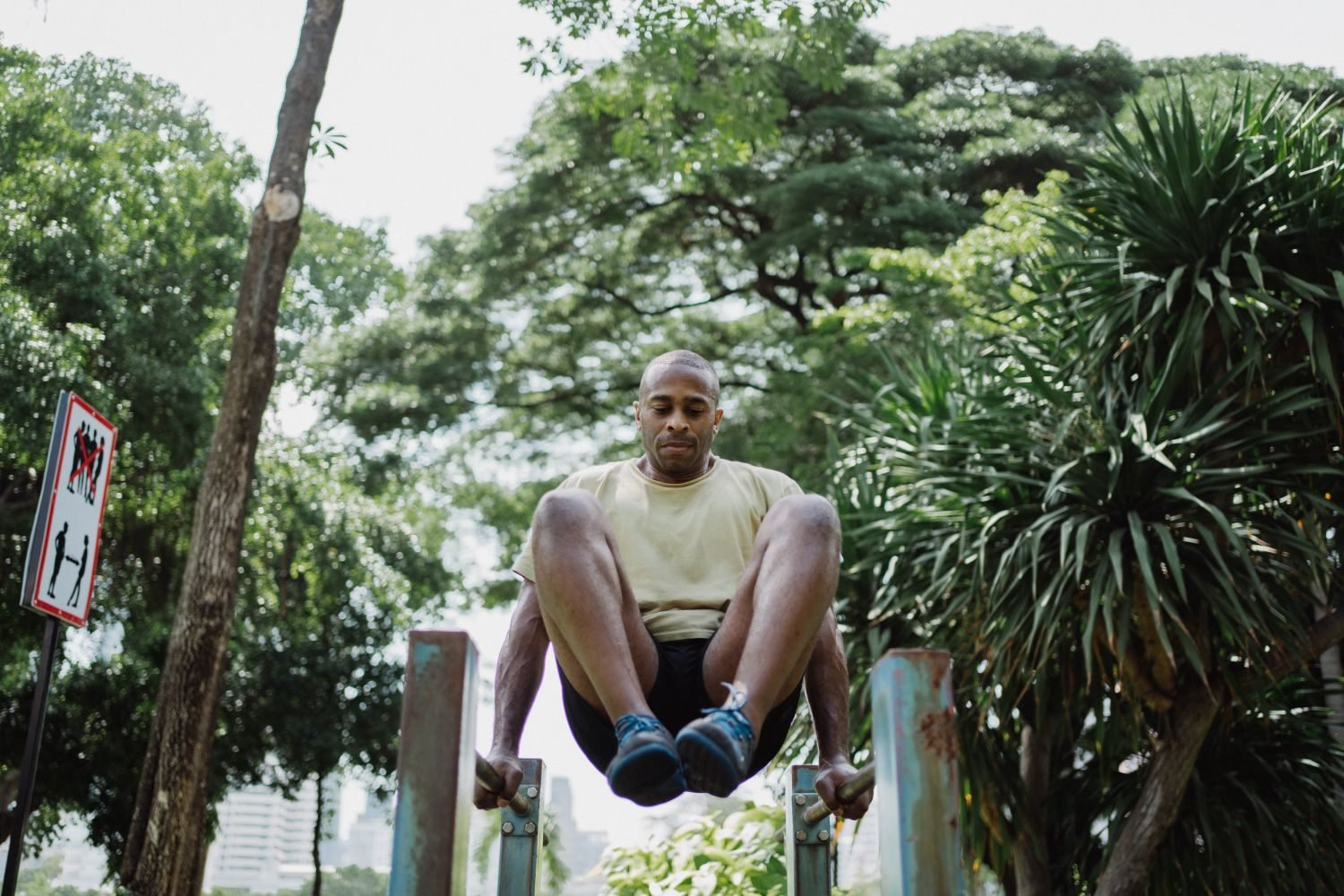
Hanging Leg Raise
Hang from a pull-up bar or captain’s chair with your core braced. Raise your legs, ideally straight, until they’re at or above hip height, then lower with control. This hits your lower abs and hip flexors harder than almost anything else in the gym. If straight-leg raises are too much at first, bend your knees and raise them toward your chest instead. Control on the way down matters more than height.
Ab Machine (Seated Crunch Machine)
Most gyms have a seated ab machine with a padded lever you crunch against. Set the resistance so your last two reps are genuinely hard, sit tall, and crunch by flexing your spine rather than just pulling the handles down. It’s beginner-friendly because the machine guides the movement path, but don’t mistake easy setup for low value. It’s one of the most reliable ways to add resistance to your core work.
Weighted Decline Sit-Up
On a decline bench, hold a weight plate or dumbbell against your chest and perform a full sit-up. The decline angle increases the range of motion compared to a flat sit-up, and the added weight forces your abs to work through that entire range instead of coasting on momentum. Keep your feet secured and don’t yank yourself up with your neck.
What Does a Real Gym Abs Workout Look Like?
Here’s a sample session you can run twice a week. It takes about 20 to 25 minutes and covers upper abs, lower abs, and obliques.
| Exercise | Sets | Reps | Rest |
|---|---|---|---|
| Cable Crunch | 3 | 12-15 | 45 sec |
| Hanging Leg Raise | 3 | 10-12 | 60 sec |
| Ab Machine (Seated Crunch) | 3 | 15-20 | 45 sec |
| Weighted Decline Sit-Up | 3 | 12-15 | 60 sec |
| Cable Woodchop (each side) | 2 | 12 | 45 sec |
Run this at the end of a lower body or full body session, not as a standalone workout, so your core is already warm and you’re not competing for gym time on ab equipment during peak hours.
We see a lot of new gym members load the ab machine like they’re deadlifting on day one, then wonder why their lower back is doing all the work instead of their abs. Start lighter than you think you need to, get the crunch pattern right with slow reps, and add weight only once you can feel your abs doing the work instead of your hip flexors or lower back. That one adjustment fixes most people’s form within a session or two.
Do Ab Exercises Actually Give You a Six-Pack?
No, not by themselves, and we’d rather tell you that now than have you waste months finding out. Everyone has a rectus abdominis, the muscle that creates the six-pack look when it’s visible. Training makes that muscle bigger and stronger. But whether you can see it depends on how much fat sits between your skin and that muscle, and that’s controlled almost entirely by your diet and overall calorie balance, not by how many cable crunches you do.
Most men start seeing ab definition somewhere around 12-15% body fat, and it gets clearer below 10%. Most women see it around 18-22% and clearer below 18%, though this varies by individual. You can have genuinely strong, well-developed abs at 20% body fat and still not see a single line, because they’re covered. That’s not a training failure. It’s basic physiology.
So do the ab exercises in this article to build strength and definition in the muscle itself. But if visible abs are the actual goal, your food intake needs to put you in a calorie deficit consistently, and that matters more than which machine you use. For a more complete breakdown of what it actually takes to get there, read our six-pack workout guide.
How Often Should You Train Abs at the Gym?
Two to four times a week is the sweet spot for most people. Your abs are still a muscle group, and muscle groups need recovery time to actually grow stronger, not just sore. Training them to failure every single day doesn’t speed up results and often just leaves you fatigued in a way that hurts your form on bigger lifts like squats and deadlifts, where a stable core matters a lot.
If you’re doing lighter core activation work, like planks or light cable work as part of your warm-up, daily is fine because you’re not pushing to failure. But dedicated, heavy ab training sessions like the one in the table above need at least a day of rest in between for the muscle to recover and adapt.
Frequently Asked Questions
What is the best abs workout at the gym?
The most effective gym abs workout combines a resisted movement like the cable crunch, a lower-ab movement like the hanging leg raise, a machine-based movement like the seated ab crunch machine, and a weighted movement like the decline sit-up. Together these train the upper abs, lower abs, and obliques through a full range of motion with progressive resistance.
Can we do abs workout daily?
You can do light core activation daily, but dedicated ab training to failure needs rest days like any other muscle group. Training abs hard every single day doesn’t build strength faster and can leave your core too fatigued to stabilize properly during squats, deadlifts, or overhead presses. Two to four focused sessions a week is enough for most people.
Does abs workout reduce belly fat?
No. Ab exercises strengthen the muscle underneath your belly fat, but they don’t burn fat from that specific area. Spot reduction isn’t how the body works. Belly fat comes off through a consistent calorie deficit from diet and overall training volume, and once your total body fat drops, the ab strength you built becomes visible.
How do you do an abs workout at the gym?
Pick three or four equipment-based exercises like cable crunches, hanging leg raises, an ab machine, and weighted decline sit-ups. Use a weight that makes your last two reps genuinely hard, keep your form strict, and train the full session two to four times a week, ideally after your main lifts when your core is already warm.
What are the benefits of doing an abs workout at the gym?
Training abs with gym equipment pays off in several ways:
- Lets you add resistance to core training the way you would with any other muscle group, building real strength instead of just muscular endurance
- Improves squat, deadlift, and overhead press stability since a stronger core supports the spine under load
- Reduces lower back strain during heavy lifts
- Gives you better posture
- Develops the muscle definition that shows once your body fat is low enough
If you’d rather not guess your way through sets, weights, and recovery days, that’s exactly what one-on-one coaching solves. FitStrot’s 1-on-1 personal training program builds your ab and core work into a full plan that actually matches your body fat, your recovery, and your goals, so you’re not just doing random exercises and hoping.