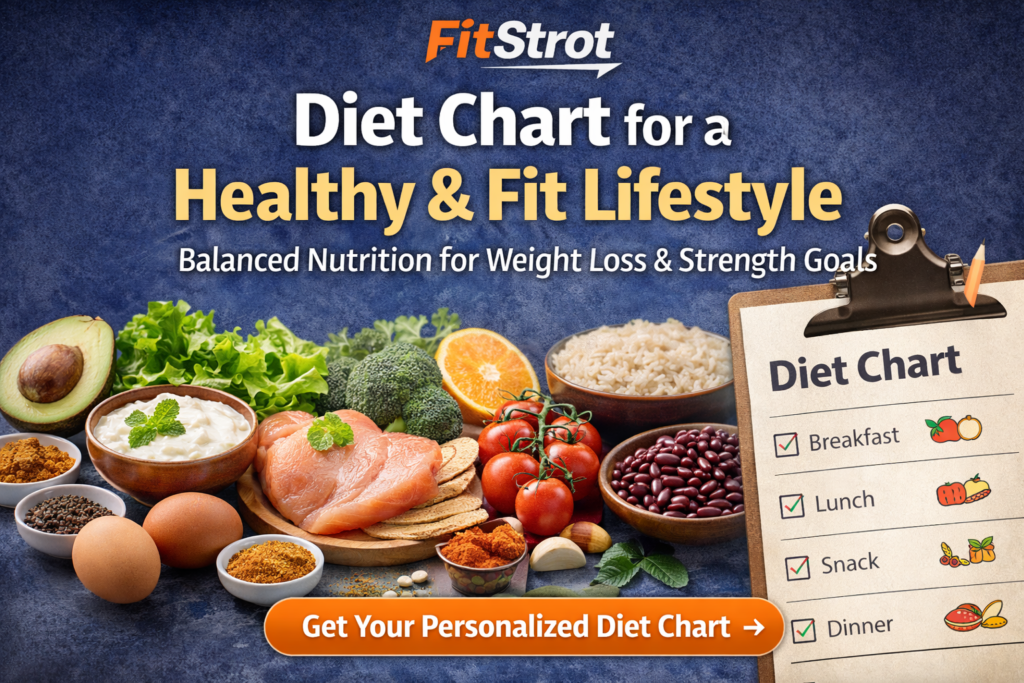
The right nutrition for weight gain combines a modest calorie surplus of 300 to 500 calories a day with foods dense in protein, healthy fats, and micronutrients — not just any high-calorie food you can find. Eating this way typically adds about 0.5 to 1 pound a week, a pace doctors consider sustainable rather than a shock to your system. If you’re underweight and reaching for candy bars or fried food to hit a calorie number, you’ll gain weight, but the wrong kind. This guide covers how to build a surplus that adds muscle and strength, not just scale numbers, and when a doctor’s visit should come before any diet change.
What nutrition is good for weight gain?
The nutrition that works best for healthy weight gain is a mix of calorie-dense whole foods spread across three macronutrients: protein, complex carbohydrates, and unsaturated fats. Cleveland Clinic recommends adding healthy fats, lean proteins, and calorie-rich foods like avocados and nuts rather than relying on sugar or fried foods. Mayo Clinic adds that eating 5 to 6 smaller meals a day, instead of 3 large ones, makes it easier to hit a higher calorie target without feeling uncomfortably full.
In practice, build most meals around a protein source (eggs, poultry, fish, beans, or dairy), a starchy carbohydrate (rice, oats, potatoes, whole-grain bread), and a fat source (olive oil, nut butter, avocado, or cheese). A single avocado stirred into a smoothie, or a tablespoon of peanut butter added to oatmeal, can add 100 to 200 calories without adding much bulk to the plate — useful if a small appetite is part of why you’re underweight in the first place.
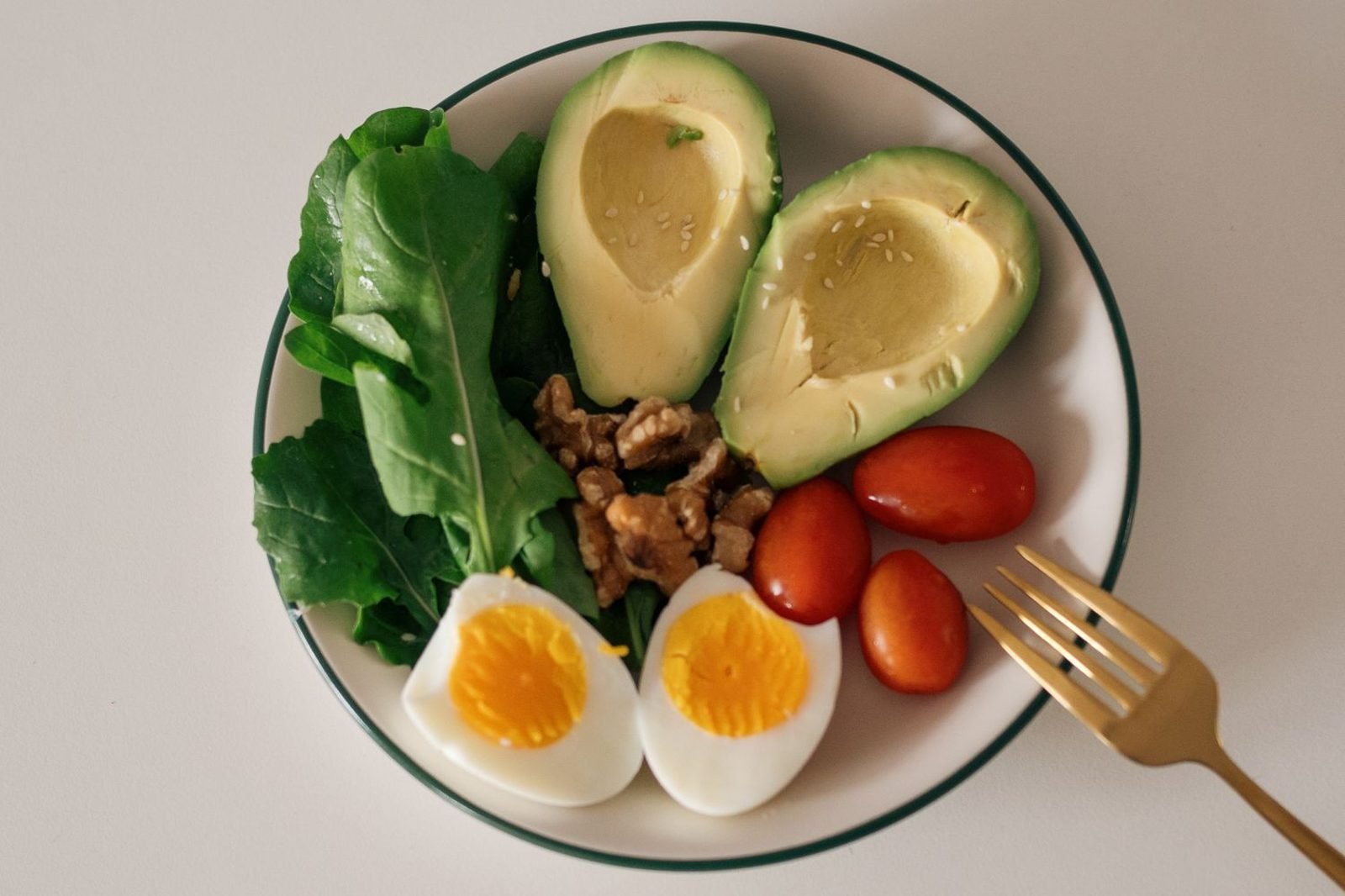
Which nutrition is good for weight gain without adding unhealthy fat?
The nutrition least likely to add unhealthy fat is one built around minimally processed, nutrient-dense calories rather than “empty calorie” foods like chips, soda, candy, and pastries. These items are calorie-dense but not nutrient-dense — they add calories without the protein, fiber, vitamins, or minerals your body needs to convert that surplus into muscle and healthy tissue rather than visceral fat, the kind that collects around organs and carries long-term health risks.
A useful mental filter: does this food also carry protein, fiber, or micronutrients along with its calories? Nuts, nut butters, whole milk, cheese, oily fish, eggs, olive oil, and whole grains all pass that test. A 32-gram handful of almonds delivers roughly 170 calories, 6 grams of protein, and 15 grams of fat — compare that to a candy bar of similar calories, which offers sugar and little else. Over weeks and months, the difference shows up not just on the scale but in energy levels, bloodwork, and how your clothes fit. For a deeper breakdown of which foods belong on a weight-gain grocery list, see this guide to nutrition food for weight gain.
Foods that build the surplus the right way
- Protein: eggs, chicken, salmon, Greek yogurt, cottage cheese, lentils, tofu
- Healthy fats: avocado, olive oil, nut butters, nuts and seeds, full-fat dairy
- Complex carbohydrates: oats, brown rice, quinoa, whole-grain bread, potatoes, bananas
- Calorie-dense extras: dried fruit, granola, smoothies made with milk and nut butter, cheese added to vegetables and grains
How many extra calories do you need to gain weight safely?
Most sources agree that a surplus of 300 to 500 calories above your maintenance level supports steady, manageable weight gain of about 0.5 to 1 pound per week. That’s a small enough increase that it doesn’t require a dramatic overhaul — an extra smoothie, a bigger portion of rice at dinner, or a handful of nuts as a snack can cover it. Going far beyond this, aiming for rapid gains, tends to add disproportionate fat rather than lean tissue and can strain digestion.
To find your starting point, estimate your maintenance calories — the number you burn in a typical day accounting for activity level — then add 300 to 500 calories and track your weight weekly rather than daily, since daily fluctuations from water and food volume can be misleading. If you’re unsure how to calculate maintenance calories, this piece on nutrition calories walks through the math. Reassess every couple of weeks; if the scale isn’t moving, increase the surplus by another 150 to 200 calories rather than jumping to a much larger number.
Why does lean mass matter more than the number on the scale?
Lean mass matters because the composition of the weight you gain determines whether you end up stronger or simply heavier. Two people can both gain 10 pounds, but if one gained mostly muscle and the other mostly fat, their health outcomes and strength will look very different. Underweight individuals are often correcting low muscle mass as much as low body weight, and muscle is metabolically active tissue that supports immune function, bone density, and everyday strength — all areas where being underweight creates measurable risk.
Protein intake is the lever that determines how much of a surplus goes toward muscle versus fat. A commonly cited target for supporting muscle gain is around 1.6 grams of protein per kilogram of body weight, though even 20 to 30 grams per meal makes a noticeable difference compared to carb- or fat-heavy eating alone. Pairing that with resistance exercise, even simple bodyweight training two or three times a week, signals your body to direct extra calories toward muscle repair rather than storing them as fat. For more on protein targets, read protein and nutrition, and for a sample eating structure, see nutrition diet for weight gain.

How do you know if you’re actually underweight?
The standard clinical marker for underweight status is a body mass index (BMI) below 18.5, according to Cleveland Clinic. BMI isn’t perfect — it doesn’t account for muscle mass, frame size, or fat distribution — but it’s still the starting point most doctors use before digging into more detailed assessments. If your BMI falls under that threshold, or you’ve always struggled to gain weight despite eating what feels like enough, it’s worth getting a fuller picture rather than guessing. Our guide to BMI and nutrition explains how to calculate and interpret your number alongside other health markers.
Being underweight isn’t just a cosmetic concern. Cleveland Clinic and other sources link a BMI under 18.5 to a higher risk of anemia and nutrient deficiencies, bone loss and osteoporosis, weakened immune function, delayed wound healing, and — in women — amenorrhea, the loss of menstrual periods. These aren’t distant risks; they can show up within months of sustained inadequate intake, which is why closing the calorie gap deliberately, rather than hoping appetite improves on its own, matters.
When should being underweight prompt a doctor’s visit instead of just a diet change?
A doctor’s visit should come before — or alongside — any weight gain plan if the low weight is unintentional, recent, or paired with other symptoms. Losing more than 5% of your body weight in under six months without trying is a red flag worth investigating, since unintentional weight loss can signal thyroid disorders, digestive conditions that block nutrient absorption, chronic kidney or endocrine disease, or other underlying issues that a calorie surplus alone won’t fix. Persistent digestive issues, chronic fatigue that doesn’t improve with rest, missed menstrual periods, or signs of infertility connected to low body weight are also reasons to get checked rather than simply eating more.
A doctor can run bloodwork to rule out thyroid dysfunction, celiac disease, or other absorption issues, and a dietitian can then help build a food plan around whatever the results show. Trying to out-eat an undiagnosed medical condition rarely works, and it can delay a diagnosis that matters. If your weight loss feels stubborn to reverse, a broader look at your overall diet and nutrition pattern is a reasonable next step before assuming a medical cause.

What does a sample day of weight-gain eating look like?
A sample day built around the 300-to-500-calorie surplus might include a protein-rich breakfast, two substantial meals, and two or three calorie-dense snacks — spreading intake out rather than forcing it into three large sittings that feel overwhelming if your appetite is naturally small.
- Breakfast: Oatmeal in whole milk, topped with banana, peanut butter, and honey
- Mid-morning snack: Greek yogurt with granola and mixed nuts
- Lunch: Grilled chicken or tofu with brown rice, roasted vegetables, and avocado
- Afternoon snack: A smoothie with milk, frozen fruit, oats, and nut butter
- Dinner: Salmon or lentils with quinoa, sautéed greens, and cheese-topped vegetables
This isn’t a rigid template — it’s a structure. Swapping proteins, grains, and fats to match your preferences matters more than following it to the letter. What matters is hitting the surplus consistently, most days, not perfectly on any single day. If you’re active, pairing this kind of eating with structured movement is covered in our sports nutrition guide, and if you’d rather start with whole-food and herbal approaches to appetite, herbal nutrition for weight gain covers that angle.
Frequently Asked Questions
How much weight gain per week is considered healthy?
Most clinical guidance points to about 0.5 to 1 pound per week as a sustainable pace, achieved through a daily surplus of 300 to 500 calories above maintenance. Faster gains usually mean disproportionate fat storage rather than muscle, so slow and steady is the safer target for underweight individuals.
Can you gain weight without gaining fat?
You can’t avoid fat gain entirely, but you can shift the ratio toward muscle with adequate protein (roughly 1.6 grams per kilogram of body weight for those doing resistance training) and regular strength exercise. Without exercise, more of the surplus tends to be stored as fat rather than used to build tissue.
What BMI counts as underweight?
According to Cleveland Clinic, a BMI below 18.5 is classified as underweight for most adults. BMI has limitations since it doesn’t measure muscle mass or fat distribution directly, but it remains the standard first screening tool doctors use before ordering further tests.
Is it normal to struggle to gain weight even when eating a lot?
Not always. If you’re consistently eating more and the scale isn’t moving, or you’re losing weight without trying, that pattern can point to an underlying issue such as thyroid dysfunction or a digestive condition affecting nutrient absorption. A doctor’s evaluation is a reasonable next step rather than continuing to increase food intake indefinitely.
Do protein shakes help with healthy weight gain?
Protein shakes can help close a calorie and protein gap, especially for people with small appetites, but they work best added to whole-food meals rather than replacing them. Whole foods bring fiber, micronutrients, and satiety cues that shakes alone don’t fully replicate.
If you’re underweight and want a plan built around your bloodwork, activity level, and preferences rather than a generic calorie target, an online nutritionist consultation can help you build a surplus that adds real strength, not just a higher number on the scale.