No herb reliably makes you gain weight on its own — not ashwagandha, not shatavari, not any Ayurvedic churna sold for “healthy weight gain.” The research on these herbs is real but narrow: a few show promising effects on stress, appetite, or muscle strength when paired with resistance training, while most weight-gain claims attached to them are marketing, not evidence. If you’re underweight and trying to build size, herbal nutrition for weight gain can play a small supporting role at best — the actual work is still done by a calorie surplus, enough protein, and consistent training.
This article goes through what the science actually says about the most commonly marketed herbs, where the evidence is thin, what safety issues are worth knowing, and what a realistic weight-gain plan looks like instead.
What does the research actually say about ashwagandha and weight gain?
Ashwagandha (Withania somnifera) is the most heavily marketed herb in this space, but the research doesn’t point toward it causing weight gain directly. Most trials have actually studied it for stress, sleep, and — somewhat counterintuitively — weight loss in people with stress-related overeating. One placebo-controlled study found meaningful reductions in body weight and BMI in participants using ashwagandha alongside stress-reduction practices, which is the opposite of a weight-gain effect.
Where ashwagandha has shown something closer to relevant results is in combination with resistance training. An 8-week randomized, double-blind trial in young men with limited training experience found that those taking ashwagandha (300 mg twice daily) gained more strength on bench press and leg extension, and had greater increases in muscle cross-sectional area at the arms and chest, compared to a placebo group who followed the identical training program. Testosterone increases and reductions in body fat percentage were also reported. A separate 12-week study using a different dose found similar strength improvements. However, not every trial agrees — some randomized studies have found no significant difference between ashwagandha and placebo for strength outcomes, and sample sizes across this research are generally small (dozens, not thousands, of participants).
The honest summary: ashwagandha is not a weight-gain herb. At best, in the context of a structured resistance-training program, some evidence suggests it may modestly support strength and lean muscle gains — which is a different claim than “it makes you gain weight,” and one that still depends entirely on the training and eating you’re already doing. For the food side of that equation, see nutrition food for weight gain.
Does shatavari help with weight gain?
Shatavari (Asparagus racemosus) is traditionally described in Ayurveda as a “rasayana” — a rejuvenating tonic — and is often marketed for weight gain, especially to women. The direct evidence for this specific claim is thin. There’s no controlled research showing shatavari causes weight gain in humans; the traditional reasoning is that it supports digestion and appetite, which could indirectly make it easier to eat enough — but “could indirectly help you eat more” is a much weaker claim than “will make you gain weight,” and it hasn’t been tested rigorously either way.
The more concrete research on shatavari looked at something else entirely: a randomized controlled trial in postmenopausal women found it improved handgrip strength and certain markers of muscle activation, though it didn’t change knee extensor strength or bone turnover markers. That’s a useful data point about shatavari’s biological activity, but it’s not a weight-gain study, and it doesn’t tell you anything about whether shatavari would help someone who’s underweight put on size. Shatavari also contains phytoestrogenic compounds that interact with estrogen receptors, which is relevant context for safety (more on that below) but isn’t itself evidence of a weight-gain mechanism.
What about Ayurvedic formulations marketed specifically for weight gain?
Multi-herb Ayurvedic formulations (often combining ashwagandha, shatavari, chyawanprash-style blends, or proprietary “weight gain churna” mixes) are widely sold, but they face a specific evidence problem: most haven’t been tested as combined formulations at all. Studying ashwagandha alone in a controlled trial is one thing; studying a five-herb proprietary blend at whatever dose a manufacturer chose is another, and that second category of research is largely absent.
There’s also a practical quality issue worth knowing about. Analyses of herbal supplements, including some Ayurvedic products, have repeatedly found mismatches between what’s listed on the label and what’s actually in the bottle — sometimes missing the stated herb, sometimes containing unlisted ingredients. This is one of the specific concerns raised by the NIH’s National Center for Complementary and Integrative Health (NCCIH) about weight-related supplements generally, not just Ayurvedic ones. If a formulation makes strong before-and-after weight gain claims but doesn’t disclose exact herb quantities or third-party testing, that’s a reasonable reason for skepticism regardless of how traditional the formulation is.
None of this means traditional herbs are useless or that Ayurvedic medicine lacks value in other respects — it means the specific claim “this blend will make you gain weight” is usually unsupported by the kind of evidence that would let a nutritionist recommend it with confidence.
What do appetite-related herbs actually do?
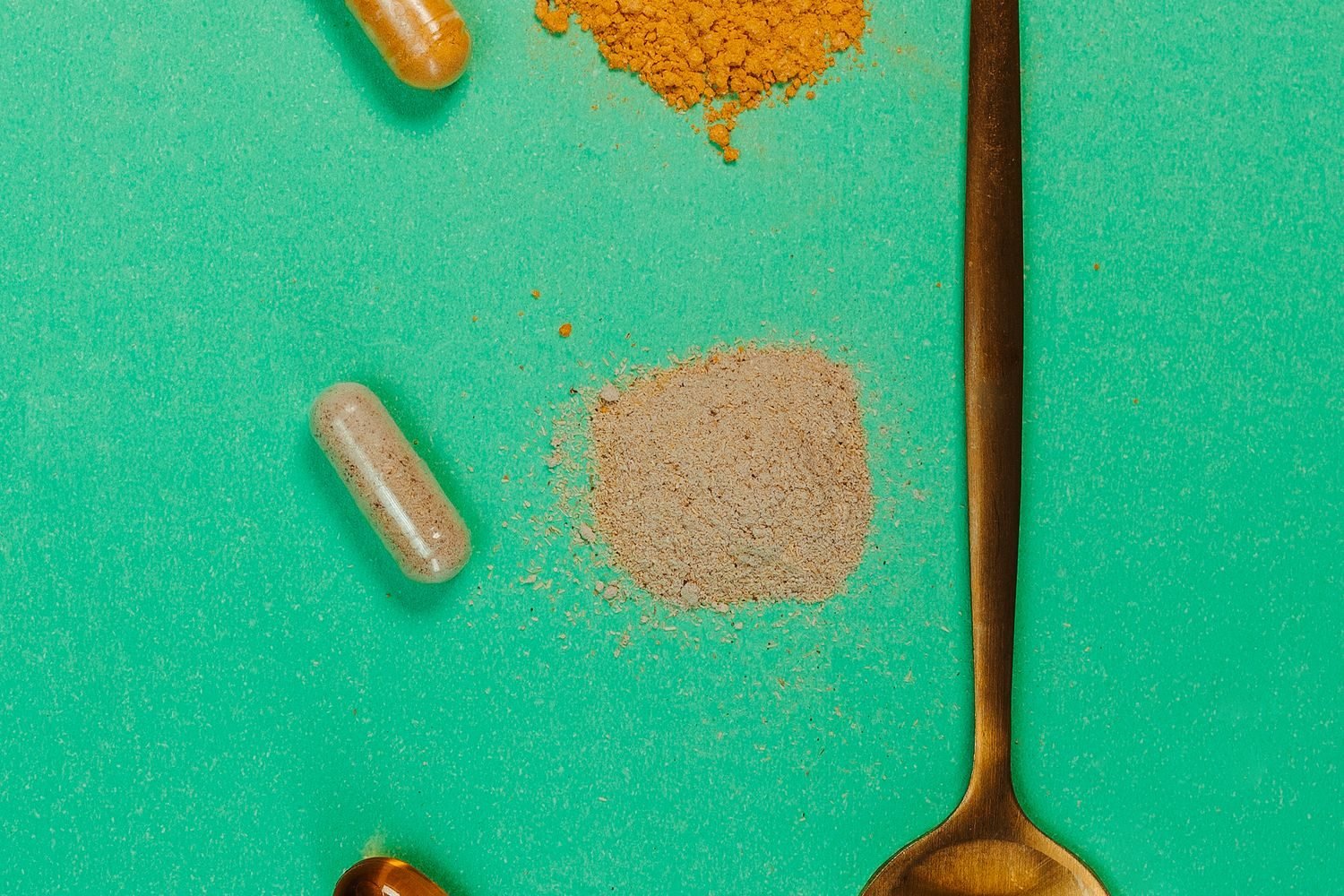
Separate from ashwagandha and shatavari, some herbs are marketed specifically as appetite stimulants — ginger, fenugreek, and a handful of others show up often in this category. The evidence here is described even by supportive sources as preliminary: there’s some signal that certain compounds may help with unexplained appetite loss or support appetite in specific clinical populations, but robust trials in healthy adults trying to gain weight are limited, and “more research is needed” is the honest, repeated conclusion across this literature.
It’s also worth separating appetite stimulation from actual tissue gain. Even if a supplement genuinely increased hunger, eating more only translates into weight gain if the extra calories are consistent and sufficient over weeks, and only translates into muscle gain if resistance training and adequate protein are also in place. An appetite nudge without a structured eating and training plan behind it tends to fade into inconsistent results. For a practical framework on eating enough consistently, see nutrition diet for weight gain.
What are the safety considerations before trying these herbs?
“Natural” doesn’t mean risk-free, and there are specific, documented safety issues worth knowing before using any of these herbs regularly:
- Thyroid effects: Ashwagandha can increase thyroid hormone activity, which is a concern for anyone with hyperthyroidism or borderline thyroid function, and it may interact with thyroid medications.
- Pregnancy and breastfeeding: NCCIH advises against ashwagandha during pregnancy, citing a possible (low but real) risk of uterine contractions, and it’s not recommended while breastfeeding due to insufficient safety data.
- Liver conditions: Clinically significant liver injury from ashwagandha is rare, but medical safety references recommend avoiding it in cirrhosis or advanced liver disease.
- Hormone-sensitive conditions: Shatavari’s phytoestrogenic activity is a relevant consideration for anyone with hormone-sensitive conditions or who is on hormonal medications — this is a conversation worth having with a doctor rather than assuming it’s automatically fine.
- Product quality and labeling: Because supplement contents don’t always match their labels, sourcing from reputable, third-party-tested brands matters more than the specific herb chosen.
If you’re on medication, pregnant, managing a thyroid or liver condition, or simply unsure, checking with a doctor before adding any of these herbs is the safer default — that’s true whether the goal is weight gain or anything else.
What actually drives sustainable weight gain?
This is the part the supplement marketing tends to skip: weight gain, like weight loss, follows energy balance. To gain weight — and to gain it as muscle rather than mostly fat — three things matter far more than any herb:
- A consistent calorie surplus. You need to eat more energy than you burn, reliably, most days of the week. A commonly used starting point is roughly 300–500 extra calories per day above maintenance, adjusted based on how your weight trend responds over 2–4 weeks.
- Adequate protein. Muscle isn’t built from a calorie surplus alone — it needs protein as the raw material. Guidance for people trying to build muscle commonly lands around 1.6–2.2 grams of protein per kilogram of body weight per day, spread across meals rather than loaded into one sitting. Details are covered in protein and nutrition.
- Progressive resistance training. Without a training stimulus, a calorie surplus mostly adds fat. Resistance training — and specifically training that progressively adds weight, reps, or volume over time — is what tells the body to direct those extra calories toward muscle.
Sleep and stress management round this out. Poor sleep is linked to reduced appetite regulation and impaired recovery, and chronic stress (via cortisol) can work against both appetite and muscle-building — which is incidentally the one place ashwagandha’s actual evidence base (stress reduction) might indirectly support a weight-gain goal, rather than through any direct “add pounds” mechanism.
For where to start building this out as a full plan, nutrition for weight gain covers the fundamentals, and tracking progress against your BMI and nutrition targets can help confirm whether the plan is working before you consider adjusting it.

How should you think about using herbs alongside a weight gain plan?
If you want to try ashwagandha or shatavari, the realistic framing is: they’re a possible minor supporting player, not a strategy. Someone who is stressed, sleeping poorly, and picking at food might get a genuine secondary benefit from an evidence-backed stress-reduction herb like ashwagandha, insofar as calmer stress levels make it easier to eat consistently and recover from training. That’s a legitimate, if modest, mechanism — it’s just not the same as the herb “causing” weight gain.
What doesn’t hold up is expecting a herb or Ayurvedic blend to substitute for the surplus-protein-training combination, or choosing a proprietary formulation over a doctor-reviewed plan because the packaging says “natural” or “Ayurvedic.” If you’ve been underweight for a while and food volume itself feels difficult, that’s worth raising with a doctor or dietitian directly — sometimes low appetite has an underlying cause worth investigating, which no herb will address. See nutrition diet for weight gain for structuring meals when appetite is the limiting factor.
FAQ
Can ashwagandha alone make me gain weight?
No. Ashwagandha hasn’t been shown to cause weight gain on its own — some research even links it to modest weight loss in stressed individuals. The strength and muscle-size benefits seen in trials occurred alongside structured resistance training, not from the herb by itself, so it can’t substitute for a training and eating plan.
Is shatavari proven to help with weight gain?
Not really. There’s no strong clinical evidence that shatavari directly causes weight gain in humans. Traditional use suggests it may support appetite and digestion, and one trial found strength-related benefits in postmenopausal women, but that’s different from proof it helps someone gain weight.
Are Ayurvedic weight-gain formulations safe to use?
It depends on the product. Many multi-herb blends haven’t been tested as combined formulations, and supplement analyses have found label-content mismatches in some herbal products. Choosing third-party-tested brands and checking with a doctor, especially if you’re pregnant, on medication, or have thyroid or liver conditions, is the safer approach.
How much weight can I realistically expect to gain per week?
A commonly used target for gaining mostly lean mass is around 0.25–0.5 kg (roughly 0.5–1 lb) per week, driven by a moderate calorie surplus of about 300–500 calories a day plus resistance training. Faster gains usually mean more fat relative to muscle.
Do I need a supplement at all to gain weight?
No. Weight gain is achievable through food alone for the vast majority of people — calorie-dense meals, enough protein, and consistent resistance training cover the fundamentals. Supplements, herbal or otherwise, are optional additions at most, not requirements, and none of them replace a structured eating and training plan.
If you’d rather build a plan around real food and training instead of guessing which herb might help, an online nutritionist consultation can map out a calorie and protein target suited to your body and goals — no supplements required.