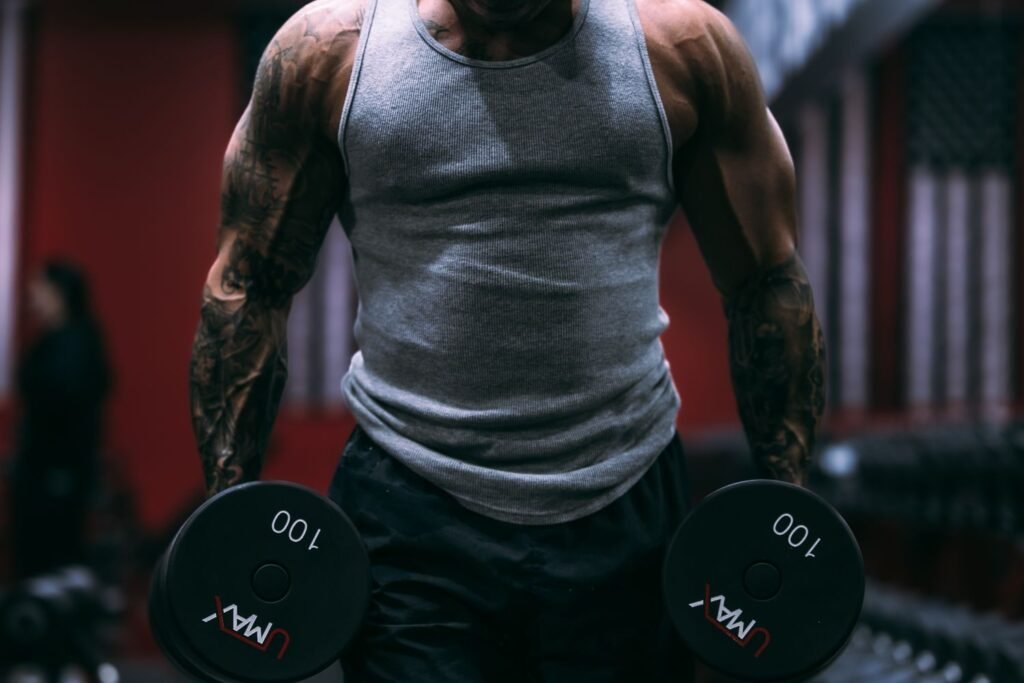
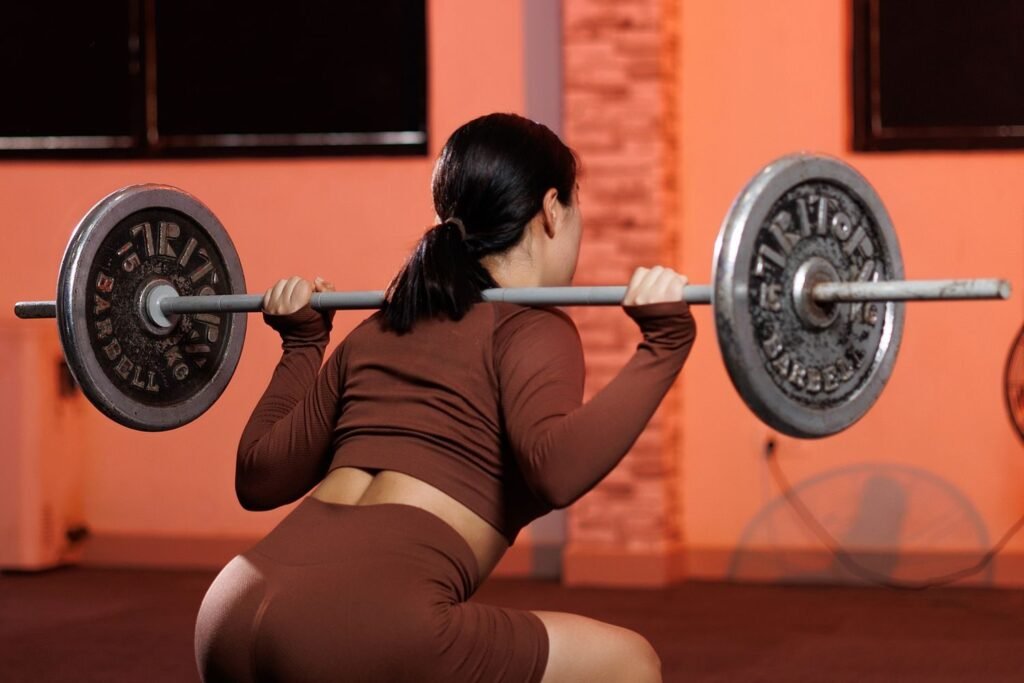
A home workout for muscle gain works, but only if you keep making the exercises harder over time. Bodyweight moves like push-ups and squats build real muscle when you’re new to training, but your body stops responding once they get easy. The fix is adding resistance (dumbbells, resistance bands) and using tricks like slow tempos, pause reps, and single-limb variations to keep creating enough tension for your muscles to grow. Without that shift, most home lifters plateau within a few months.
Can You Really Build Muscle With a Home Workout?
Yes. Muscle growth needs three things: enough mechanical tension, enough training volume, and enough protein and recovery to rebuild the tissue you’ve broken down. None of that requires a gym. A pair of adjustable dumbbells, a couple of resistance bands, and your own bodyweight can hit every major muscle group hard enough to grow.
What a home setup can’t replicate easily is a rack of plates going up to 100kg. That matters more the longer you train. A beginner can build muscle for months on bodyweight squats and push-ups alone. Someone who’s been training for two years needs heavier loads, and that’s where home training gets genuinely harder.
Why Does Muscle Gain Get Harder at Home Over Time?
The honest answer is progressive overload. To keep building muscle, you need to keep giving your muscles a reason to adapt, usually by lifting more weight, doing more reps, or doing more sets over time. In a gym, that’s simple. You add 2.5kg to the bar next week.
At home, you often hit a ceiling fast. Push-ups get easy after eight weeks. Bodyweight squats stop challenging your quads once you can do 40 in a row. If you don’t have a way to add resistance, you end up doing more reps of the same easy movement, which builds endurance more than size.
This is where a home dumbbell workout earns its place. Even a modest pair of adjustable dumbbells, the kind that go up to 20-25kg per side, buys you years of progression. Add a set of resistance bands for extra tension on presses and rows, and you’ve solved most of the overload problem without buying a squat rack.
How Do You Progressively Overload Without a Gym?
This is the part most home workout guides skip. Here’s what actually works when your dumbbells run out of weight or you’re training with bodyweight only.
- Slow the tempo down. A 3-second lowering phase on a squat or push-up keeps your muscles under tension far longer than a fast rep. Try a 3-1-1 tempo (3 seconds down, 1 second pause, 1 second up) before adding load.
- Add pause reps. Stopping for 2-3 seconds at the hardest point of a movement, like the bottom of a squat or the chest-touch of a push-up, removes the stretch reflex that lets you cheat through the sticking point. It’s brutal, and it works.
- Push sets closer to failure. If you can’t add weight, add effort. Taking a set of push-ups or split squats to genuine failure, or one rep short of it, sends a stronger growth signal than stopping at a comfortable 15 reps.
- Switch to single-limb variations. A Bulgarian split squat on one leg is harder than a two-legged squat with double the weight in some cases, because your working leg carries your full bodyweight instead of half of it. Single-arm rows, single-leg glute bridges, and single-arm presses all work the same way.
- Shorten your rest periods. Cutting rest from 90 seconds to 45 seconds increases metabolic stress, which is another pathway to muscle growth even when the weight stays the same.
We see this constantly with people who train under our online coaching. Clients hit a wall around week six or eight of pure bodyweight training, not because they’re doing anything wrong, but because the exercises simply ran out of challenge. The ones who add a pair of dumbbells or bands and start manipulating tempo and rest keep progressing. The ones who just add more reps tend to plateau and get frustrated.
What Does a Real Home Workout for Muscle Gain Look Like?
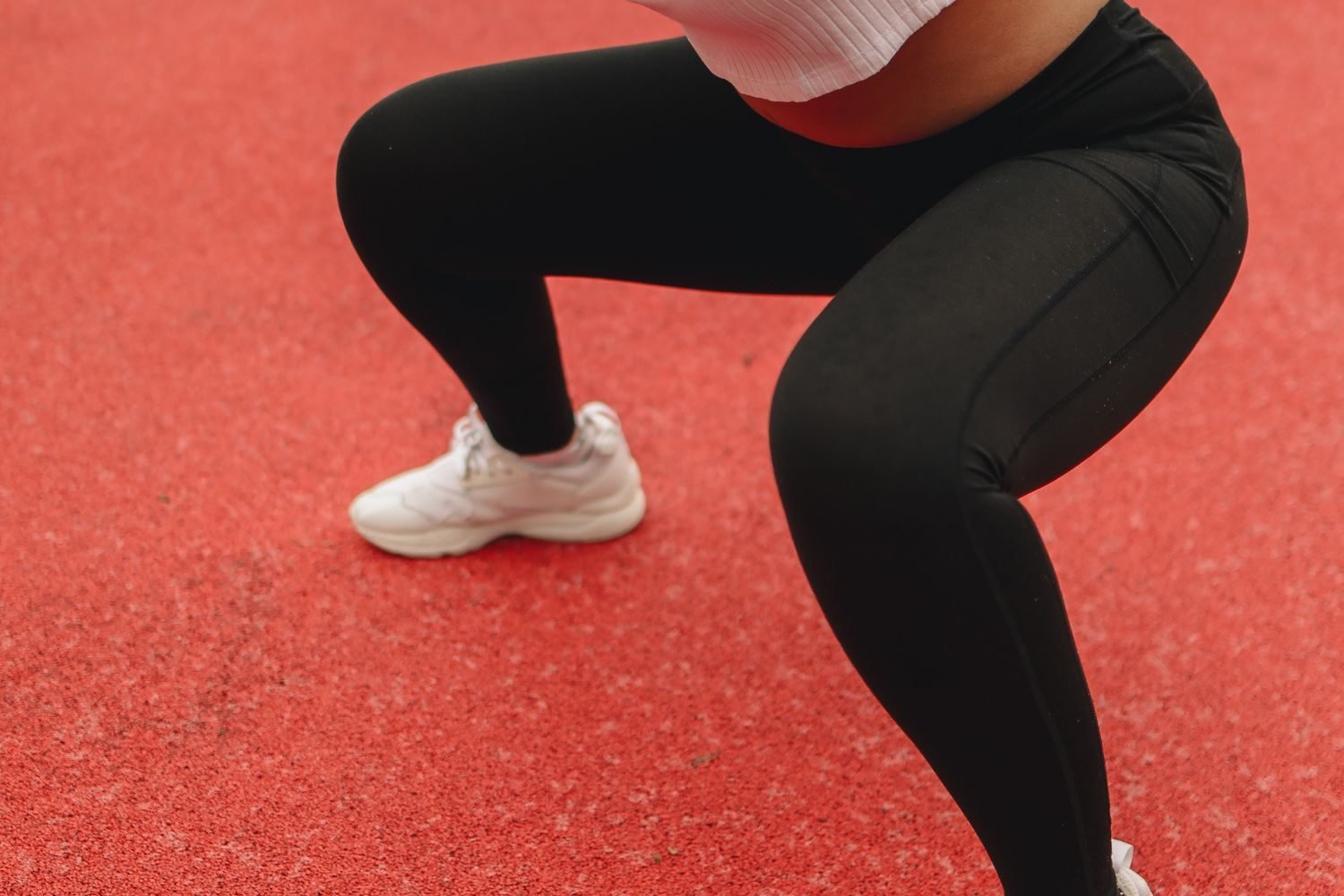
Here’s a full-body session we’d actually program for someone training at home three times a week with a pair of adjustable dumbbells and a resistance band. It hits legs, back, chest, shoulders, and core in about 45 minutes.
| Exercise | Sets | Reps | Tempo / Notes | Rest |
|---|---|---|---|---|
| Dumbbell Goblet Squat | 4 | 10-12 | 3 sec down, 1 sec pause at bottom | 90 sec |
| Single-Arm Dumbbell Row | 4 | 10-12 per side | Slow eccentric, squeeze at top | 90 sec |
| Push-Up (feet elevated if too easy) | 3 | To near failure | 2 sec pause with chest close to floor | 90 sec |
| Dumbbell Shoulder Press | 3 | 10-12 | Controlled, no leg drive | 75 sec |
| Bulgarian Split Squat | 3 | 10-12 per leg | Dumbbell in each hand once bodyweight is easy | 60 sec |
| Band-Resisted Glute Bridge | 3 | 15-20 | 2 sec squeeze at the top | 60 sec |
| Band Pull-Apart | 3 | 15-20 | Focus on squeezing shoulder blades | 45 sec |
| Plank with Shoulder Taps | 3 | 30-40 sec | Keep hips still | 45 sec |
Run this three times a week with a day of rest between sessions. Once you can complete every set at the top of the rep range with good form, add weight, slow the tempo further, or move to a harder single-limb variation. That’s the whole game at home: you’re always looking for the next lever to pull since you can’t just keep grabbing bigger plates.
How Many Days a Week Should You Train at Home for Muscle Gain?
Three to four full-body sessions a week is the sweet spot for most people training at home. Full-body sessions let you hit each muscle group two to three times weekly, which matters more for growth than training a single muscle once a week and hoping the volume adds up. If you’re newer to home workout training generally, three days is enough to see real change in 8-12 weeks without burning out.
What Equipment Actually Makes a Difference?
You don’t need much. An adjustable dumbbell pair, a couple of resistance bands of different tensions, and maybe a pull-up bar that fits in a doorway will cover almost every exercise you need for years of progress. If you already own dumbbells and want a deeper library of movements to rotate through, our dumbbell workouts guide breaks down pushing, pulling, and leg options in more detail. And if you’re specifically training as a man looking to add size at home, our home workout for men guide covers loading and split options aimed at that goal.
Frequently Asked Questions
What is a good home workout for muscle gain?
A good home workout for muscle gain combines compound bodyweight moves like push-ups and split squats with dumbbell or band exercises for rows, presses, and hip work. Train each muscle group two to three times a week, push sets close to failure, and add resistance or tempo changes once a movement stops feeling challenging.
How do you do a home workout for muscle gain properly?
Pick 6-8 exercises covering legs, back, chest, shoulders, and core. Train 3-4 times a week, resting a day between sessions. Use slow tempos and pause reps once bodyweight gets easy, and add dumbbells or bands as soon as you can. Track your reps and loads so you know when to progress.
What are the benefits of a home workout for muscle gain?
Home workouts save commute time, cost less than a gym membership long-term, and remove the intimidation factor many beginners feel. You can train on your own schedule with minimal equipment. The trade-off is you need to be more deliberate about progression, since you won’t have unlimited weight to load onto a bar.
Can you build muscle at home without any weights?
Yes, especially in your first few months of training. Push-ups, squats, lunges, and pull-ups (if you have a bar) can build noticeable muscle when you’re new to resistance training. Past that early stage, you’ll need to add tempo changes, pause reps, or actual weight to keep progressing, since bodyweight alone eventually stops being enough stimulus.
How long does it take to see muscle gain from home workouts?
Most people notice visible changes in muscle tone and size within 8-12 weeks of consistent training, three to four sessions a week, combined with adequate protein intake. Strength gains often show up faster, within 3-4 weeks. Progress slows after the first few months unless you keep increasing resistance or training difficulty.
If you want a home muscle-building plan built around the equipment you actually own, with someone checking your form and adjusting your loads every week, that’s exactly what our coaches do. Check out FitStrot’s 1-on-1 personal training to get a program that keeps you progressing long after bodyweight squats stop doing anything.