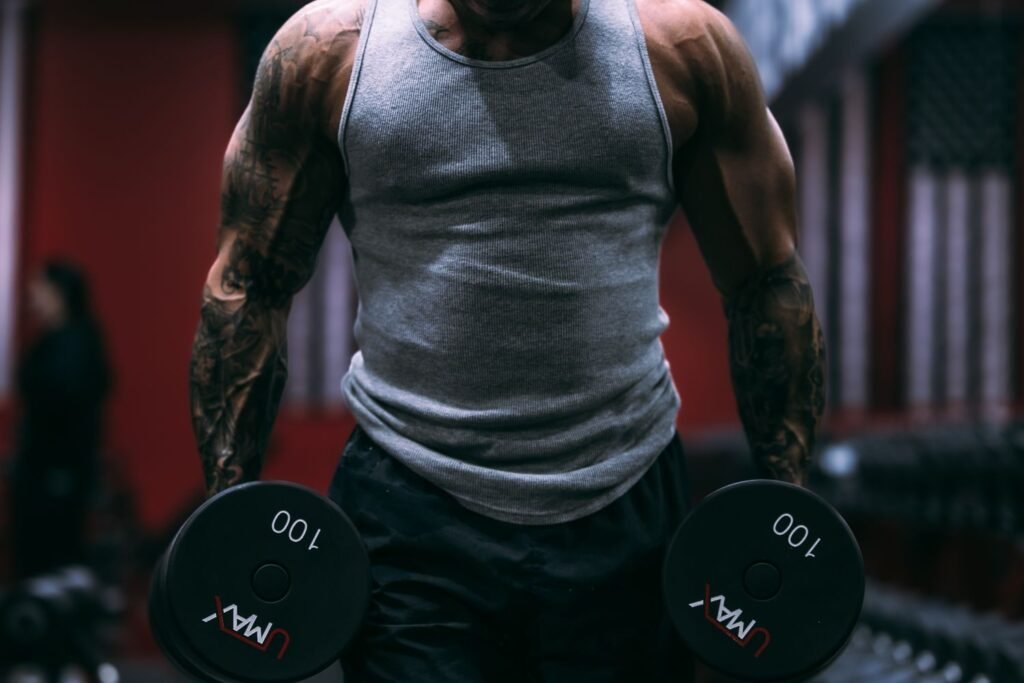
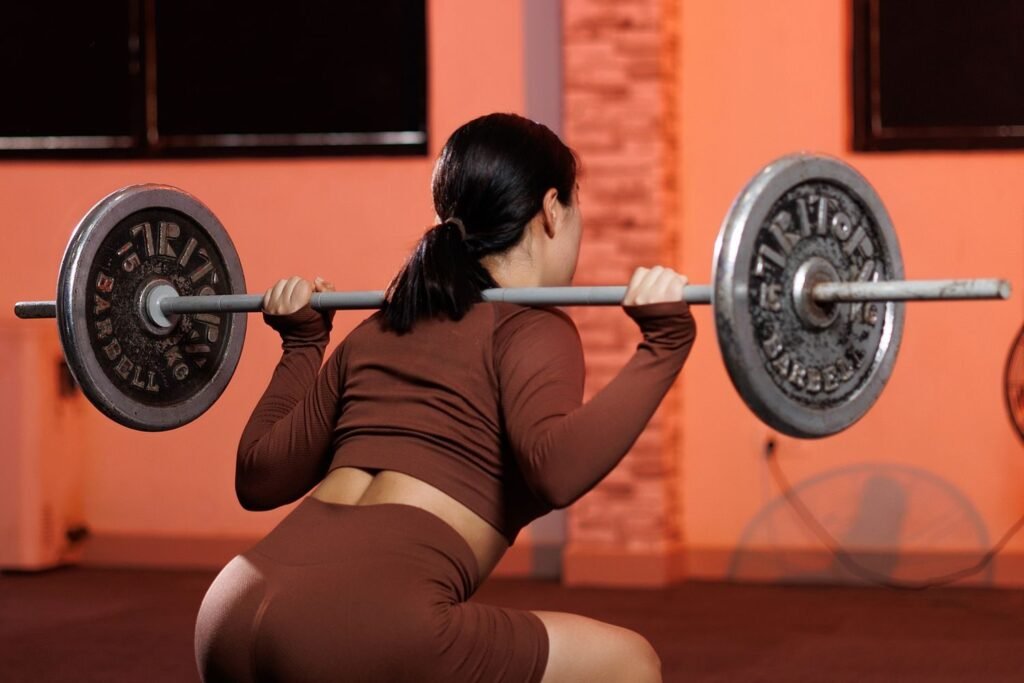
After a leg day workout, your recovery plan should focus on light movement, not more strain. That means a walk, some easy cycling, gentle stretching, foam rolling if it helps, and enough protein and carbs to support muscle repair. You don’t need to sit still for 24 hours, and you don’t need to train legs again the next day either. Training your upper body the day after leg day is generally fine, since you’re using a different set of muscles that aren’t fatigued. The part people get wrong isn’t the rest, it’s figuring out whether the soreness they’re feeling is normal DOMS or a sign that something needs more time.

Is It Okay to Train Upper Body the Day After Leg Day?
Yes, in most cases. Your quads, hamstrings, glutes, and calves take the hit on leg day. Your chest, back, shoulders, and arms aren’t part of that picture, so there’s no real reason to keep them out of the gym the next morning. This is exactly how a push pull legs workout split is built. Legs get hammered one day, then upper body pushes and pulls take over while the lower body quietly rebuilds in the background.
There are two things worth watching though. First, if your leg day also included heavy deadlifts or an intense core finisher, your lower back and core might still be tired, and that can bleed into upper body lifts that need bracing, like overhead presses or rows. Second, if you’re walking around like you just finished a marathon, a lighter upper body session or a short warm-up focused on mobility is a smarter call than jumping straight into heavy bench press. Listen to what’s actually sore, not just what’s “supposed” to be fine.
What Does Active Recovery After Leg Day Actually Look Like?
Active recovery isn’t complicated, and it isn’t a full workout either. The goal is to get blood flowing to tired muscles without adding more mechanical stress to them. A few things that actually work:
- A 20 to 30 minute walk. Nothing fast, nothing on an incline that turns it into training. Just movement.
- Easy cycling. Low resistance, low intensity. Ten to fifteen minutes on a stationary bike is enough to loosen up stiff legs.
- Gentle static stretching. Hold stretches for your quads, hamstrings, glutes, calves, and hip flexors for 20 to 30 seconds each. Don’t force range of motion you don’t have that day.
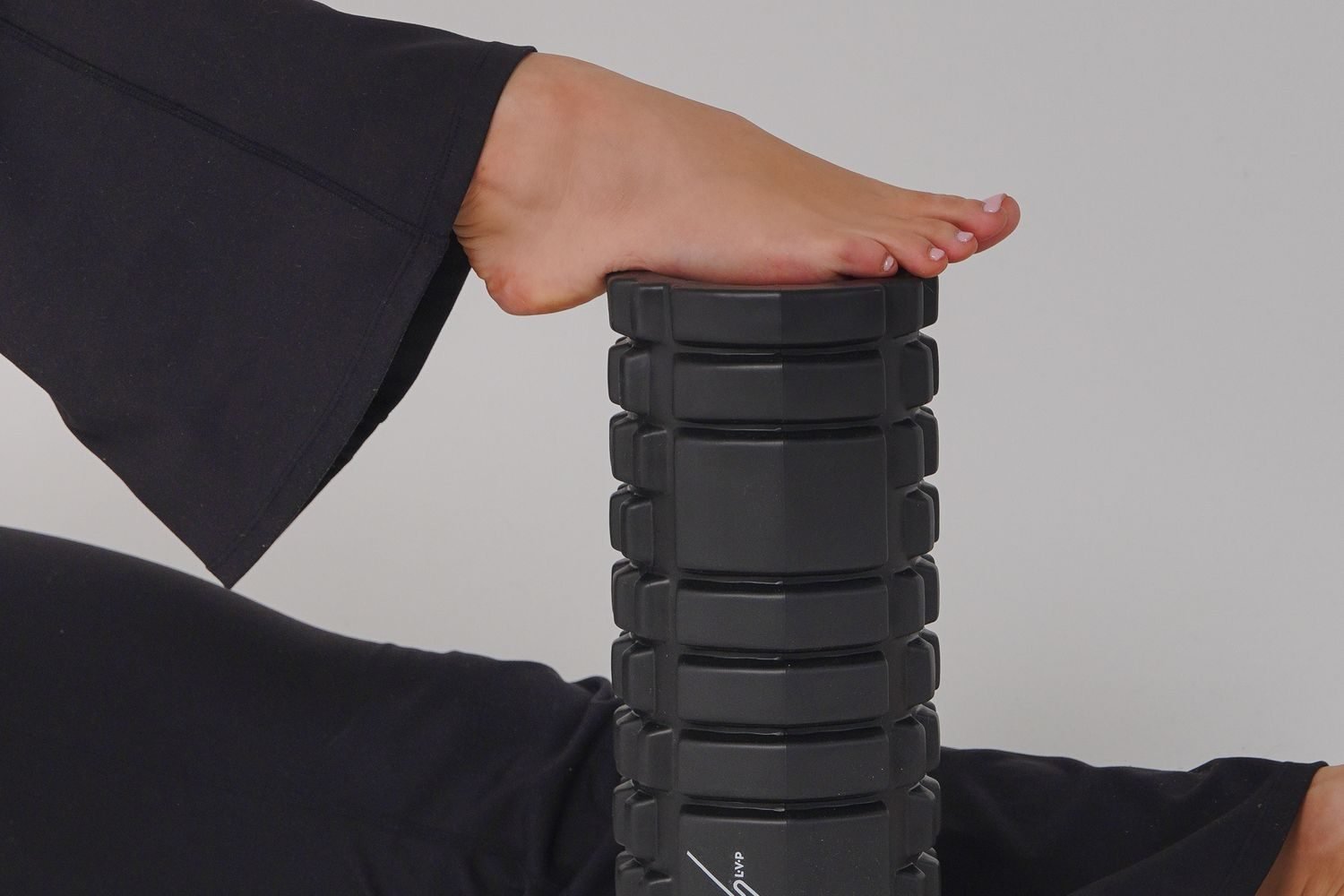
- Foam rolling. Not mandatory, but a lot of people find it helps with stiffness and makes the next few days more comfortable.
What you want to avoid is anything that mimics the load you just put your legs through. Sprint intervals, jump rope, stair climbing at pace, or another heavy leg session the next day all work against recovery instead of supporting it. If you’re following a structured plan like the ones covered in our guide to leg workouts at the gym, the day after is meant to be a deliberate step down in intensity, not a continuation of it.
How Should You Eat to Recover From Leg Day?
Nutrition after leg day isn’t about a magic 30-minute window. It’s about hitting your protein target consistently through the day and giving your body enough carbohydrates to refill the glycogen you burned through squats, lunges, or leg press sets.
A few practical guidelines:
- Protein: Aim for 1.6 to 2.2 grams per kilogram of bodyweight across the day, spread over 3 to 4 meals. Muscle repair happens over hours, not minutes, so there’s no need to panic if you don’t eat immediately after training.
- Carbohydrates: Rice, roti, oats, fruit, or potatoes all work. Your legs used stored glycogen during the workout, and carbs are what refill that tank.
- Hydration: Leg sessions tend to make you sweat more than upper body days. Water with a pinch of electrolytes helps if you trained hard or in the heat.
- Sleep: This is where most of the actual repair happens. Seven to eight hours matters more than any single meal.
In coaching sessions, we see people skip protein on rest days because they’ve mentally filed it as a “day off,” then wonder why their soreness drags into day three or four. Your muscles don’t stop needing raw material just because you’re not in the gym. If anything, the day after leg day is when that protein does its most important work.
Is Your Soreness Normal DOMS or a Sign You Need More Rest?
Delayed onset muscle soreness, or DOMS, is a dull, aching tightness that usually shows up 12 to 24 hours after training and peaks somewhere between 24 and 72 hours. It affects the muscles you worked, it’s roughly symmetrical on both legs, and it tends to ease up once you start moving. If you can walk down stairs a bit awkwardly but still walk, that’s DOMS.
What isn’t normal:
- Sharp, localized pain in a joint or tendon rather than a general muscle ache
- Noticeable swelling in one specific area
- Pain that gets worse instead of better after 72 hours
- Dark or unusually reduced urine output combined with severe, disabling soreness (this can point to something more serious and warrants medical attention, not just rest)
- Weakness that doesn’t improve after four or five days
If what you’re dealing with sounds like the second list, that’s not something to push through with a foam roller and a protein shake. Scale back, rest properly, and get it checked if it doesn’t settle. For everyone else dealing with garden-variety soreness, gentle movement genuinely helps more than sitting still does.
What Does a Simple Day-After-Leg-Day Routine Look Like?
You don’t need a complicated plan for the day after leg day. Something like this covers the basics without adding fatigue:
| Time | What to do |
|---|---|
| Morning | 20 to 30 minute walk outside or on a treadmill, easy pace |
| Post-walk | 5 to 10 minutes of static stretching for quads, hamstrings, glutes, and calves |
| Optional | 10 minutes of foam rolling on tight spots |
| Meals | Protein with every meal, carbs at 2 to 3 of them, water through the day |
| Evening | Light mobility work or a short easy cycle if you’re up for it |
| Training | Upper body session is fine if lower back and core aren’t overly fatigued |
This isn’t a strict prescription. Some days you’ll need more of it, some days less. The point is to keep blood moving and stay ahead of stiffness rather than letting a leg day turn into two or three days of feeling stuck.
Does the Recovery Approach Change for Women?
Not really. The same principles of light movement, adequate protein, and watching for real warning signs apply regardless of who’s training. If you’re following a plan built specifically for you, like the routines in our leg workout guide for women at the gym, the recovery day after is structured the same way: easy movement, good food, and paying attention to what your body is actually telling you rather than pushing through on autopilot.
Frequently Asked Questions
What should you do after a leg day workout?
Keep moving lightly rather than staying sedentary. A walk, easy cycling, and gentle stretching help more than sitting still. Pair that with steady protein intake across your meals, enough carbs to refill glycogen, and a full night’s sleep. Avoid another intense lower body session for at least a day or two.
How do you do active recovery after leg day?
Start with 20 to 30 minutes of easy walking or cycling to get blood flowing without adding load. Follow it with light static stretching for your quads, hamstrings, glutes, and calves. Foam rolling is optional but can ease stiffness. Skip anything explosive, heavy, or high impact until soreness settles.
What are the benefits of a proper after leg day workout routine?
A solid recovery routine reduces how long soreness lingers, helps you walk and move normally sooner, and prepares your legs for the next training session. It also protects your form in the following workout, since fatigued, undertreated muscles are more prone to compensating and picking up avoidable injuries.
Can you work out the day after leg day?
Yes, as long as it’s not another heavy lower body session. Upper body training, light cardio, or mobility work are all fine and won’t interfere with leg recovery. Just scale back if your core or lower back is still fatigued from heavy compound lifts like squats or deadlifts the day before.
How long does leg day soreness normally last?
Typical DOMS peaks between 24 and 72 hours after training and usually fades by day four or five, especially with light movement and good nutrition. If soreness is still severe, sharply localized, or worsening past that window, it’s worth resting further or getting it looked at rather than pushing through.
Recovery is where a lot of home-grown routines fall apart, not because people don’t train hard, but because nobody’s telling them what to do with the days in between. That’s exactly the gap a coach fills. If you want a leg day program and a recovery plan built around your actual body and schedule instead of a generic template, FitStrot’s 1-on-1 personal training is built for that. Yash Pathak and the coaching team work with you directly, both on the days you train and the days you don’t.