An effective glutes workout needs three movement types working together: a hip thrust or extension movement for maximum glute activation, a squat pattern for overall lower body strength, and a lateral or hip abduction movement to target the glute medius, the muscle most squat-only routines completely skip. Miss the lateral work and you’ll build a bigger backside from the front but leave the sides underdeveloped, which is the flat, one-dimensional look a lot of squat-only lifters end up with.
What Muscles Make Up the Glutes?
The glutes are actually three separate muscles working as a team:
- Gluteus maximus — the largest of the three, giving you overall size and shape; it’s the prime mover in hip extension movements like the hip thrust and squat lockout.
- Gluteus medius — sits on the outer hip and controls lateral movement and pelvic stability, which is why it responds best to lateral band walks and cable kickbacks rather than squats.
- Gluteus minimus — sits underneath the medius and assists with the same lateral, stabilizing function on a smaller scale.
Training all three, not just the maximus, is what separates a genuinely well-developed glute workout from one that only chases squat numbers.
Why Won’t Squats Alone Build Your Glutes?
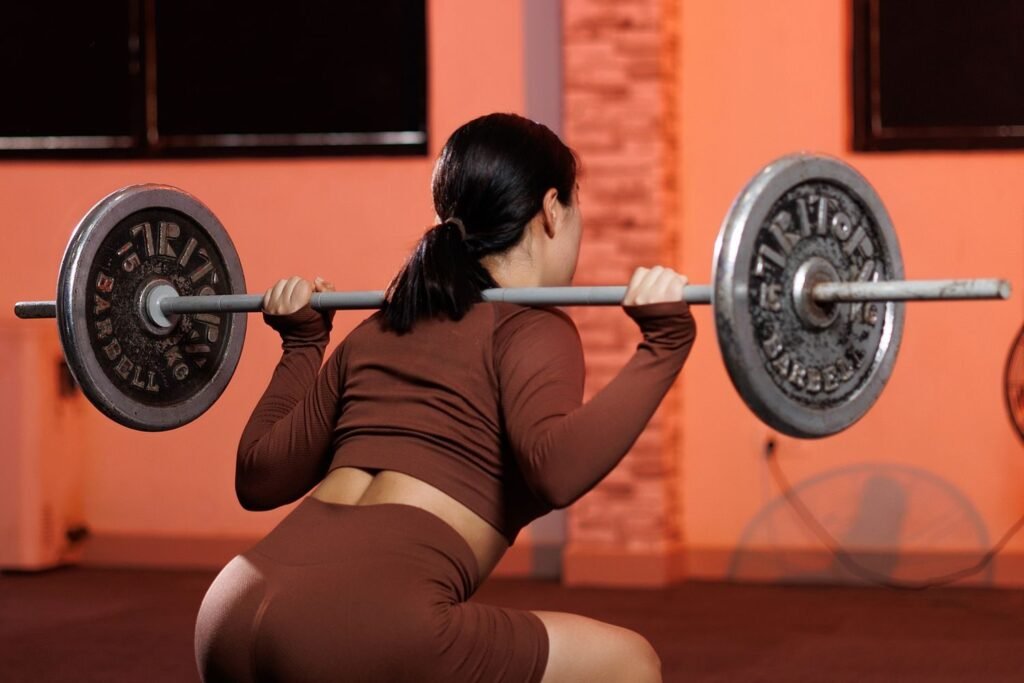
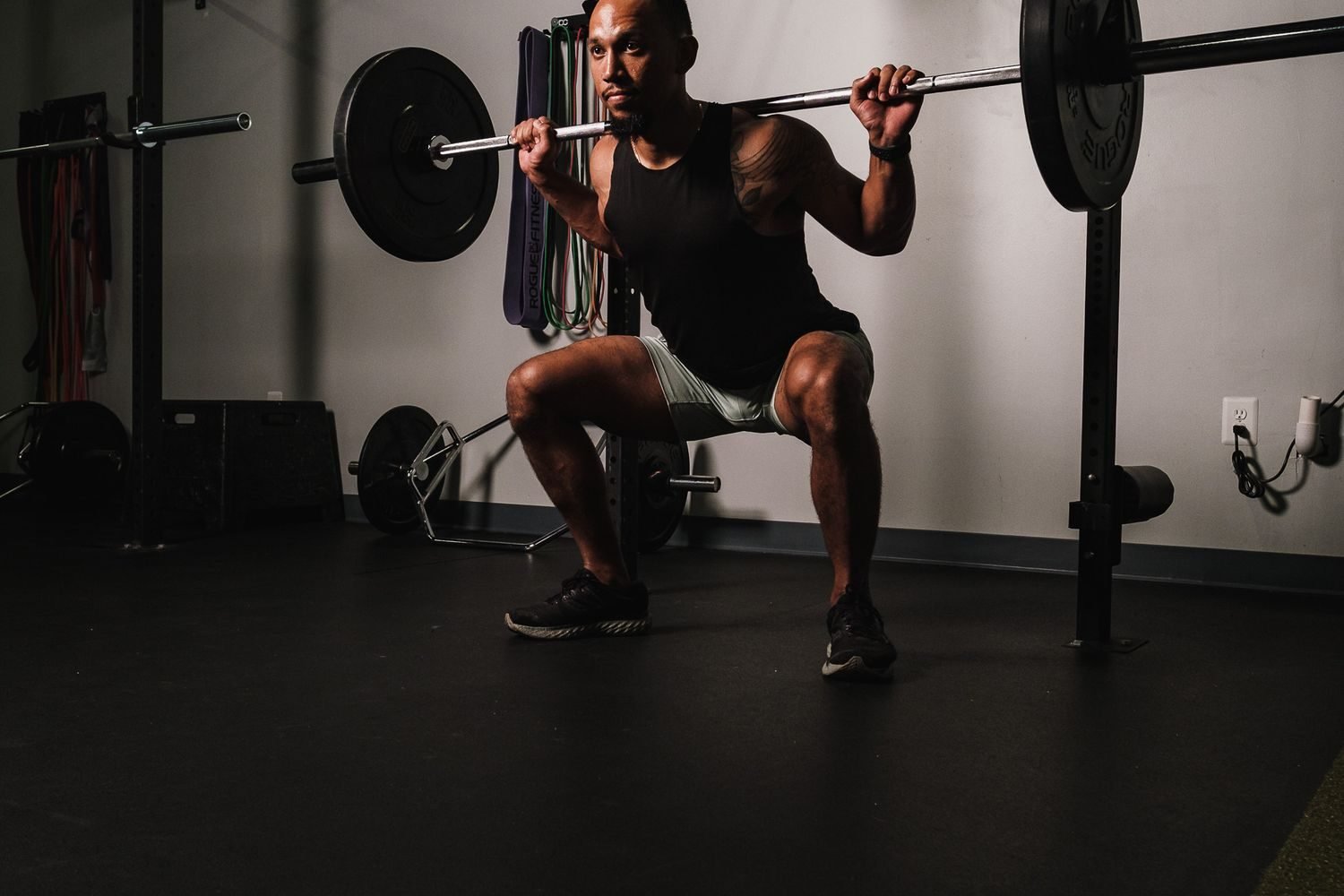
Squats are a quad-dominant movement first and a glute movement second. Your glutes do get worked, especially at the bottom of the range and during lockout, but the quads and hamstrings take a large share of the load throughout. If squats were enough on their own, we wouldn’t see so many lifters with strong squat numbers and glutes that haven’t changed shape in months. A dedicated hip thrust workout puts the glutes in their strongest, most loaded position at the top of the movement, which is exactly the range squats train the least. That’s why a real glutes workout pairs both patterns instead of leaning on one.
What Does a Complete Glutes Workout Look Like?
Here’s a sample session built around all three glute muscles, not just the maximus. Rest 60-90 seconds between sets, and 2 minutes on the heaviest hip thrust sets.
| Exercise | Target | Sets x Reps |
|---|---|---|
| Barbell Hip Thrust | Gluteus maximus, primary | 4 x 8-10 |
| Back Squat or Goblet Squat | Glutes, quads, overall strength | 3 x 8-10 |
| Romanian Deadlift | Glutes, hamstrings | 3 x 10-12 |
| Cable Kickback or Lateral Band Walk | Gluteus medius, minimus | 3 x 15 per side |
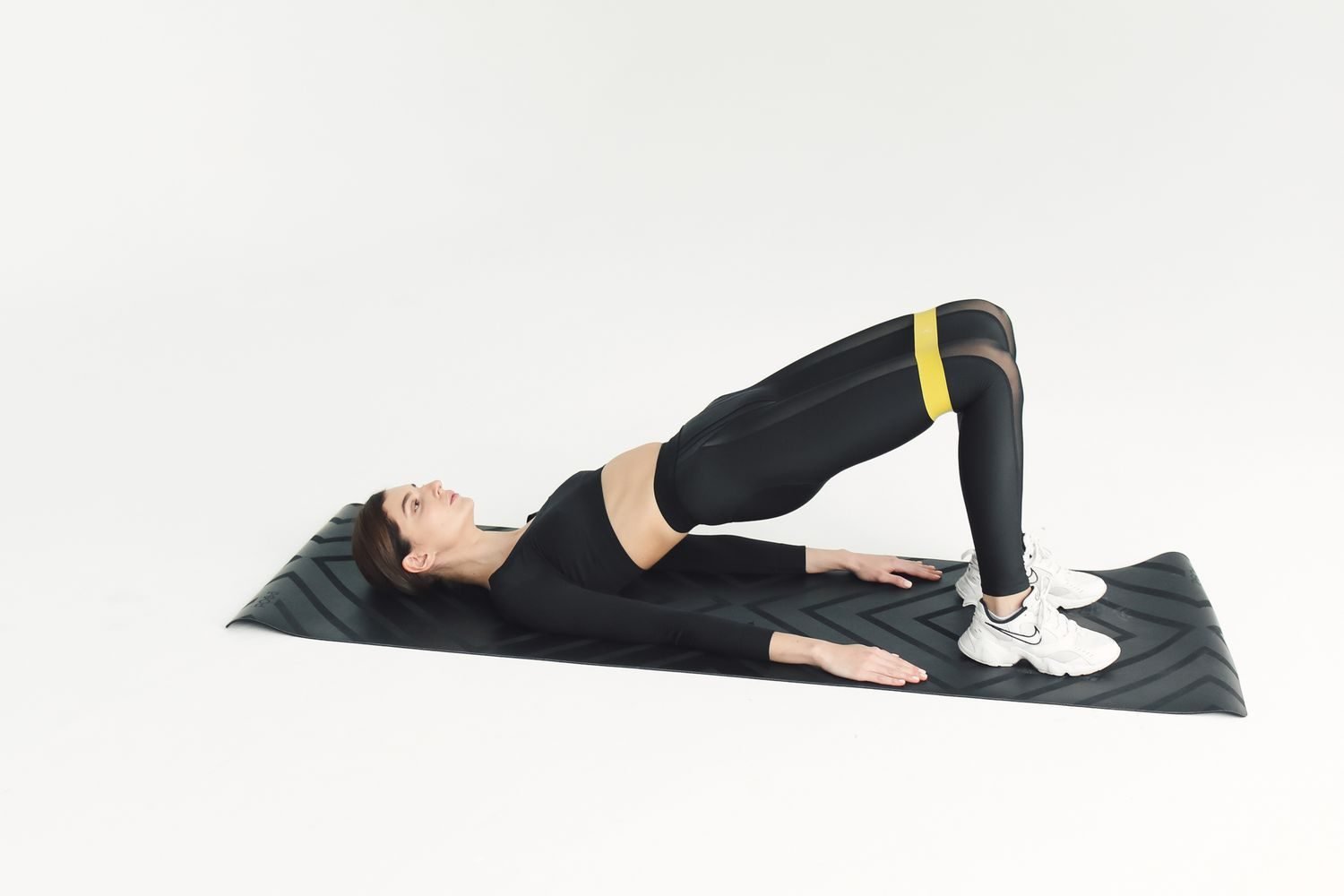
| Glute Bridge (finisher, bodyweight or light load) | Gluteus maximus, squeeze focus | 2 x 20 |
Lead with the hip thrust while you’re fresh since it’s the exercise doing the most direct glute work. The squat or deadlift comes next, then finish with the lateral movement and a bodyweight burnout where a strong mind-muscle connection matters more than the load. If you’d like this session tailored specifically to female training goals, see our glute workouts for women guide.
How Often Should You Train Glutes Each Week?
Twice a week works well for most people, with at least 48 hours between sessions since the glutes are a large muscle group that needs real recovery time under heavier loads like hip thrusts and squats. If your lower body training already includes squats and deadlifts as part of a broader leg day, one additional glute-focused session covering hip thrusts and lateral work is usually enough to round things out without overreaching on total leg volume for the week.
What’s the Biggest Mistake People Make Training Glutes?
We see this constantly with clients who come to us frustrated that months of squatting hasn’t changed their shape: they’re only squatting. No hip thrusts, no lateral work, nothing that trains the glutes through their strongest range of motion or targets the medius specifically. The fix is almost always the same. Add a heavy hip thrust as the anchor lift, not an afterthought tacked on at the end of leg day, and give the medius its own dedicated exercise instead of hoping squats cover it. That one change, done consistently for a few months, tends to move the needle more than any amount of extra squat volume.
If you’d rather have a coach build and adjust your glute programming as your strength improves, FitStrot’s 1-on-1 personal training pairs you with a trainer who fine-tunes your hip thrust load, squat depth, and lateral work as you progress.
Frequently Asked Questions
What is a glutes workout?
A glutes workout is a training session built around exercises that target all three gluteal muscles: the gluteus maximus, medius, and minimus. An effective one combines hip extension movements like hip thrusts, squat patterns for overall strength, and lateral movements to train the smaller stabilizing muscles most routines skip.
How do you do a glutes workout properly?
Start with a heavy hip thrust or bridge while you’re fresh, since it loads the glutes through their strongest range of motion. Follow with a squat or deadlift pattern, then finish with lateral work like band walks or cable kickbacks to train the gluteus medius, which squats and thrusts largely miss.
What are the benefits of a glutes workout?
A strong glutes workout builds hip strength that supports your squat, deadlift, and sprint performance, improves posture by countering hours of sitting, and reduces lower back and knee strain since strong glutes take pressure off surrounding joints during everyday movement.
How many times a week should you train glutes?
Most people see solid results training glutes directly twice a week, with 48 hours of recovery between sessions. If you’re already squatting and deadlifting on a separate leg day, one dedicated glute session focused on hip thrusts and lateral work is often enough to round out the week.
Can you grow your glutes without a gym?
Yes, though progress is slower without external load. Bodyweight glute bridges, single-leg hip thrusts, and resistance band lateral walks can all build real strength and some size at home, but adding a barbell or heavy dumbbells eventually becomes necessary for continued growth once bodyweight versions feel easy.