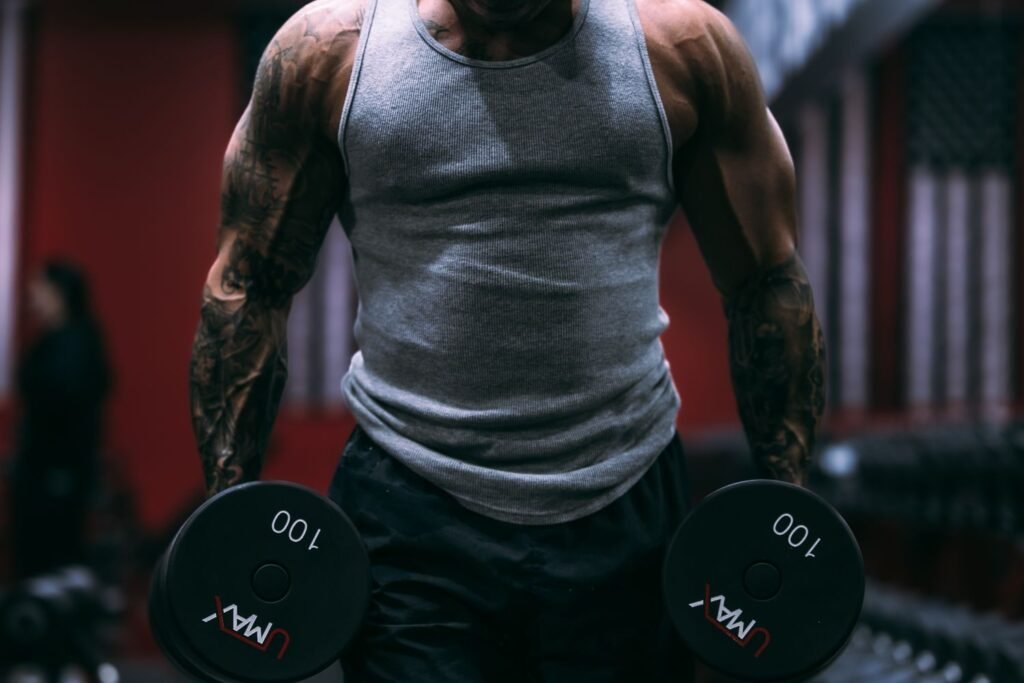
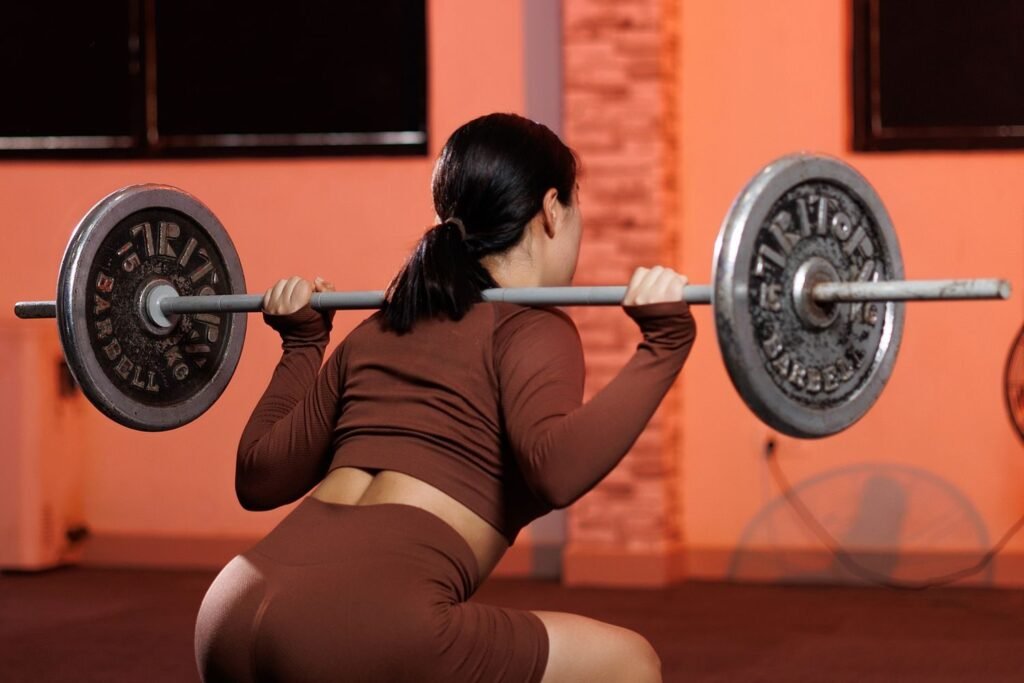
An effective glute workout for women trains all three glute muscles (upper, lower, and side) with a mix of hip-dominant lifts like hip thrusts and Romanian deadlifts, squat variations for overall size, and lateral movements like band walks for the glute medius. Two to three focused sessions a week, progressive overload, and enough protein and recovery matter more than any single “best” exercise. Whether you train in a glutes workout gym setting or at home with dumbbells and bands, the principles stay the same: hit the muscle from multiple angles, load it progressively, and give it time to grow.
What Does “Glute Workout” Actually Mean?
If you’re searching for glute workout meaning, it’s simpler than the internet makes it sound. A glute workout is any training session designed to specifically target the gluteal muscles rather than train them as a side effect of leg day. Most people already work their glutes a little during squats and lunges, but a dedicated glute workout prioritizes exercises where the glutes do the majority of the work, not the quads or hamstrings picking up the slack.
We tell clients this distinction matters because plenty of women train legs for years and wonder why their glutes never seem to change shape. The muscle was never the prime mover in most of what they were doing. A real glute muscles workout puts hip extension, hip abduction, and hip external rotation at the center of the plan instead of treating them as a warm-up afterthought.
What Are the Glute Muscles and Why Do They Matter?
The glutes are actually three separate muscles, and each one needs slightly different work to grow.
The gluteus maximus is the big, powerful muscle that gives the glutes their overall size and shape. It handles hip extension, which is why hip thrusts, deadlifts, and squats hit it so hard. Within the maximus, people often talk about an “upper glute workout” and “lower glute workout” as though they’re separate muscles. They’re not, technically, but the angle of a movement does shift emphasis. Exercises where your torso is more upright, like standing hip extensions or step-ups, tend to bias the upper fibers. Deep hip flexion movements, like deep squats and lunges, put more stretch on the lower portion.
The gluteus medius sits on the side of the hip and is responsible for what most people call a side glute workout. It stabilizes the pelvis when you walk, run, or stand on one leg, and it’s the muscle that gives glutes that rounded, filled-out side profile. Lateral band walks, side-lying leg raises, and cable kickbacks target it directly.
The gluteus minimus is the smallest of the three and works alongside the medius for hip stability. You rarely train it in isolation, but it benefits from the same lateral and rotational work.
Why Does Glute Training Matter So Much for Women?
Glute training isn’t just about aesthetics, even though that’s usually what brings people through our door. Strong glutes protect the lower back and knees, and for women specifically, that protection matters because of pelvis width and the way hormonal changes across the menstrual cycle and postpartum recovery affect joint stability.
Weak glutes are one of the most common contributors to lower back pain and knee valgus (the inward knee collapse you see during squats and running) that we come across in hip workouts and lower body sessions. When the glute medius is weak, the hips drop with every step, which throws off posture and puts extra strain on the knees and spine over time. Building glute strength fixes this at the source instead of just treating the symptoms with stretching or foam rolling.
Then there’s the aesthetic side, which is fair to want and doesn’t need to be downplayed. A well-developed glute building workout program changes how clothes fit, improves posture, and gives the lower body a more balanced look relative to the waist and legs. Both goals, function and shape, are served by the same training approach, so there’s no need to choose one over the other.
What Are the Best Glute Exercises by Region?
Different exercises bias different parts of the glutes. A well-rounded program pulls from each category rather than repeating the same three moves every session.
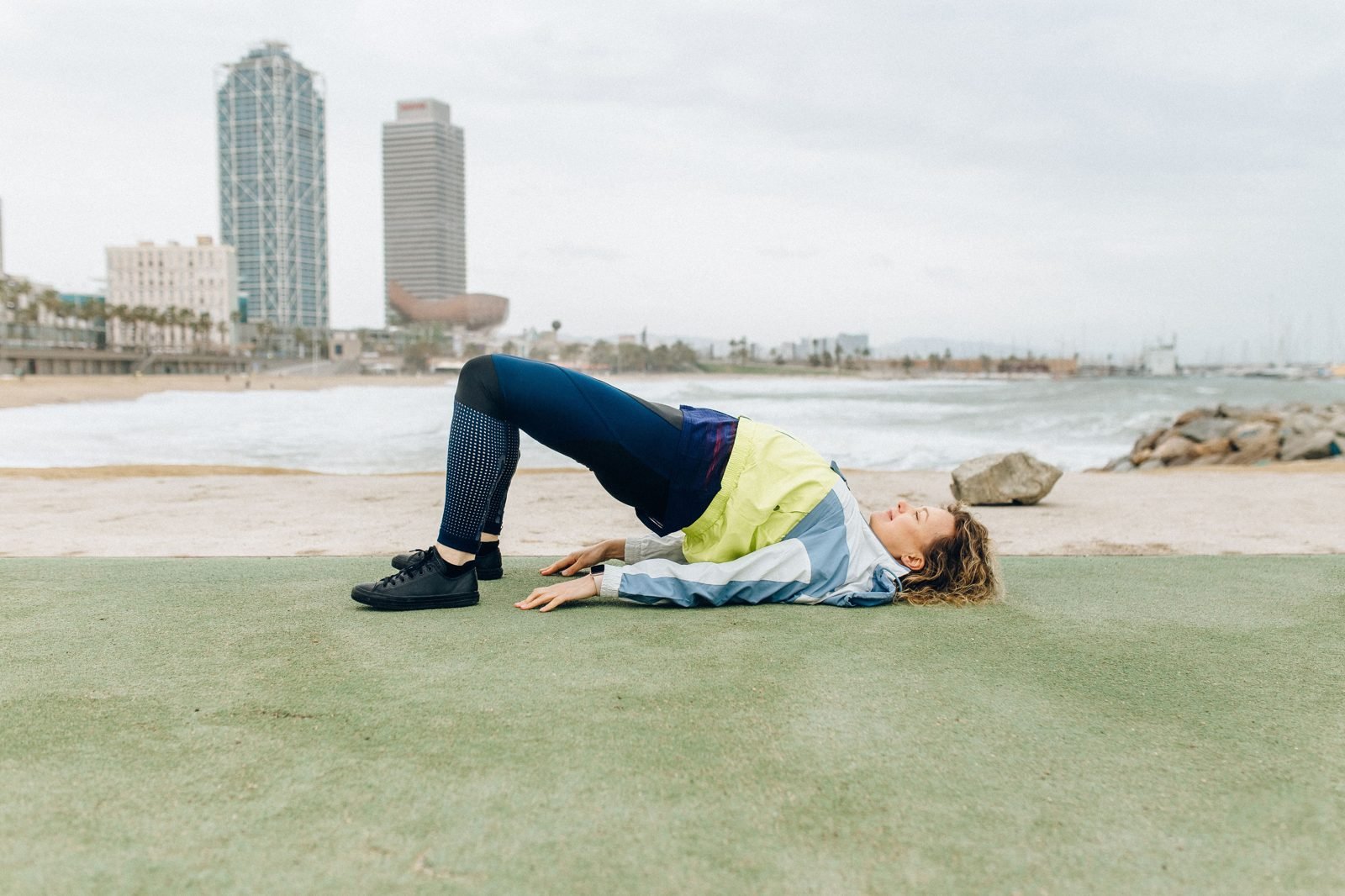
For overall size and the upper glutes: hip thrusts and glute bridges are the gold standard because they put the glutes in their strongest position for hip extension without much help from the quads. If you haven’t tried a proper hip thrust workout, it’s worth building your whole session around it once a week. Barbell hip thrusts, single-leg hip thrusts, and banded variations all work well depending on equipment access.
For the lower glutes: deep squats, Bulgarian split squats, and walking lunges create more stretch under load because of the deeper hip flexion involved. Romanian deadlifts (RDLs) also load the lower glutes and hamstrings together through the hip hinge pattern.
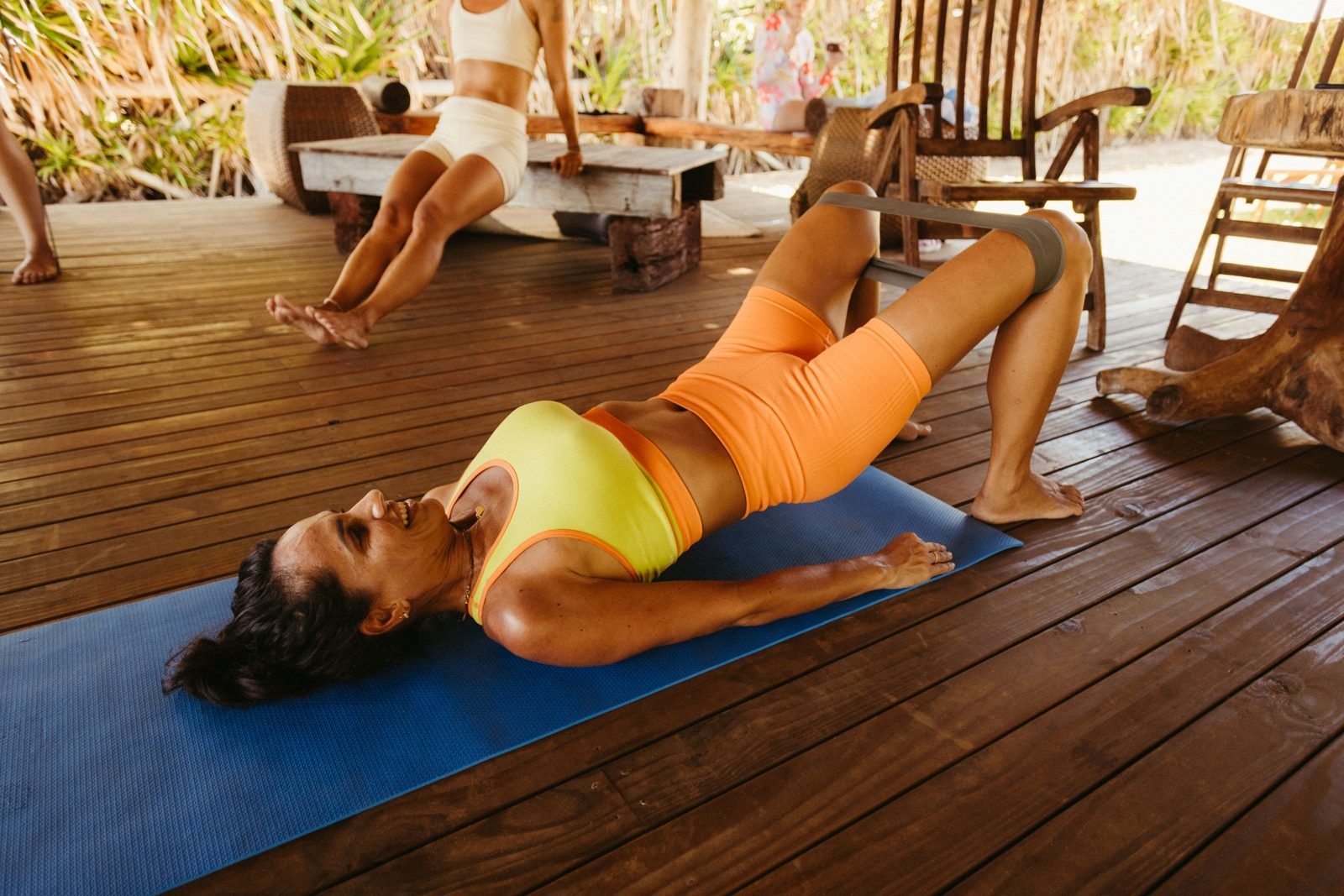
For the side glutes (gluteus medius): lateral band walks, monster walks, side-lying hip abductions, and cable or banded kickbacks are non-negotiable. Most lower body programs skip these entirely because they don’t feel as heavy or impressive as a squat, but they’re often what’s missing when someone’s glutes look flat from the side.
For overall strength and carryover: back squats, front squats, and deadlifts build the base of strength that lets every other exercise progress. You can’t out-isolate a weak posterior chain.
What Does a Sample Gym Glute Workout Look Like?
Here’s a session we regularly program for clients training in a glute workout gym setting. It covers upper, lower, and side glute work in one 50 to 60 minute session.
| Exercise | Sets | Reps | Rest |
|---|---|---|---|
| Barbell hip thrust | 4 | 8-10 | 90 sec |
| Bulgarian split squat | 3 | 10-12 per leg | 75 sec |
| Romanian deadlift | 3 | 8-10 | 90 sec |
| Cable kickback | 3 | 12-15 per leg | 60 sec |
| Banded lateral walk | 3 | 15 steps each direction | 45 sec |
| Single-leg hip thrust | 2 | 10-12 per leg | 60 sec |
Start with the heaviest compound lift while you’re fresh, then move toward the more targeted, lighter-load work. That order lets you push real weight on the hip thrust and RDL before fatigue sets in, then finish with burnout-style isolation work that leaves the glutes properly worked.
Can You Build Glutes at Home Without a Gym?
Yes, and we say this to a lot of clients who assume progress stops without a barbell. An at home glute workout can absolutely build strength and size, especially in the first several months of training when almost any consistent stimulus produces results. The key is finding ways to keep adding resistance as bodyweight exercises get easier.
A solid home session might include glute bridges, single-leg glute bridges, walking lunges, step-ups onto a sturdy chair or box, donkey kicks, and side-lying leg raises. Add a resistance band around the knees or ankles for lateral walks and clamshells, since bands are cheap, portable, and genuinely effective for the glute medius. Once bodyweight bridges and lunges stop feeling challenging, a couple of adjustable dumbbells extend the program significantly further before you’d need a full gym.
What’s the Best Glute Workout With Dumbbells?
Dumbbells solve the biggest limitation of bodyweight training, which is that you eventually run out of resistance. Glute workouts with dumbbells let you keep progressing for months, sometimes years, before you need barbells or machines.
A strong dumbbell session looks like this: dumbbell Romanian deadlifts, goblet squats, dumbbell step-ups, single-leg Romanian deadlifts, and dumbbell hip thrusts with the weight resting across the hips. Three to four sets of 8 to 12 reps per exercise, with a weight heavy enough that the last two reps of each set are genuinely difficult, will build strength and size over time. The single-leg variations are particularly useful at home since they let you overload each side without needing especially heavy dumbbells.
Do Men and Women Need Different Glute Workouts?
Not really, and this surprises people. Glute workouts for men and women use the same core exercises: hip thrusts, squats, deadlifts, and lateral band work. The muscle doesn’t know the sex of the person training it, and men benefit from exactly the same movements for the same reasons, better hip stability, injury protection, and a stronger posterior chain.
What tends to differ is emphasis and priority within a broader program. Many women come to us wanting the glutes to be a primary focus and are happy to dedicate two or three sessions a week to them specifically. Many men treat glute work as one part of a leg day rather than its own focus. Neither approach is wrong; it just reflects different goals. The exercise selection and technique don’t need to change based on gender.
How Often Should You Train Glutes?
Two to three dedicated sessions per week works well for most people, with at least one rest day between sessions that hit the glutes hard. Glutes are a large muscle group and recover well, but they still need 48 hours or so to rebuild after a heavy hip thrust or squat session.
If you’re training glutes indirectly through squats and deadlifts on other days too, that’s fine and often helpful, just be mindful of total volume so you’re not accumulating so much fatigue that your dedicated glute sessions suffer. Beginners often do well with two sessions a week; more advanced lifters chasing specific growth sometimes push to three or four, splitting focus between heavy compound days and lighter, higher-rep isolation days.
What Mistakes Ruin Glute Progress?
- Skipping the lateral and rotational work entirely. Squats and hip thrusts build size, but without side glute training, the shape often looks incomplete, flat from the side even as the back develops. Add band walks and kickbacks every week, not just when you remember.
- Not going deep enough on squats and lunges. This limits how much stretch the lower glutes actually get. Half-repping squats trains quads more than glutes.
- Chasing the burn instead of progressive overload. A pump from bodyweight bridges feels like something is happening, but the muscle needs increasing resistance over time to actually grow. Track your weights and reps and aim to beat them, even slightly, most sessions.
- Skipping enough protein and sleep. Plenty of people train glutes hard but don’t recover properly. Training stimulates growth; recovery is where it happens.
If you’d rather not guess at sets, reps, and progression on your own, our coaches build individualized glute and lower body programs as part of 1-on-1 personal training, adjusted around your schedule, equipment, and how your body actually responds week to week.
Frequently Asked Questions
What are the best glute workouts for women?
Hip thrusts, Romanian deadlifts, Bulgarian split squats, and lateral band walks form the core of an effective program. Combining a heavy hip-dominant lift with a squat pattern and dedicated side glute work covers all three glute muscles and produces better, faster results than repeating one exercise.
How do you build glutes as a woman?
Train glutes two to three times a week with progressively heavier resistance, prioritize hip thrusts and squat variations, add lateral movements for the glute medius, and eat enough protein to support muscle repair. Consistency over several months matters more than any single workout.
What are the benefits of glute workouts?
Beyond shape and strength, glute training improves posture, reduces lower back and knee pain, and stabilizes the pelvis during walking and running. Strong glutes support nearly every lower body movement, making daily activity and other workouts feel easier and safer.
How long does it take to see glute growth?
Most people notice strength improvements within three to four weeks and visible shape changes around eight to twelve weeks with consistent training and proper nutrition. Genetics, training experience, and how closely you track progressive overload all affect the timeline.
Is it okay to train glutes every day?
Light activation work like band walks can be done daily, but heavy glute-focused sessions need at least a day of rest between them. Training the same muscle hard every day without recovery usually slows progress rather than speeding it up.