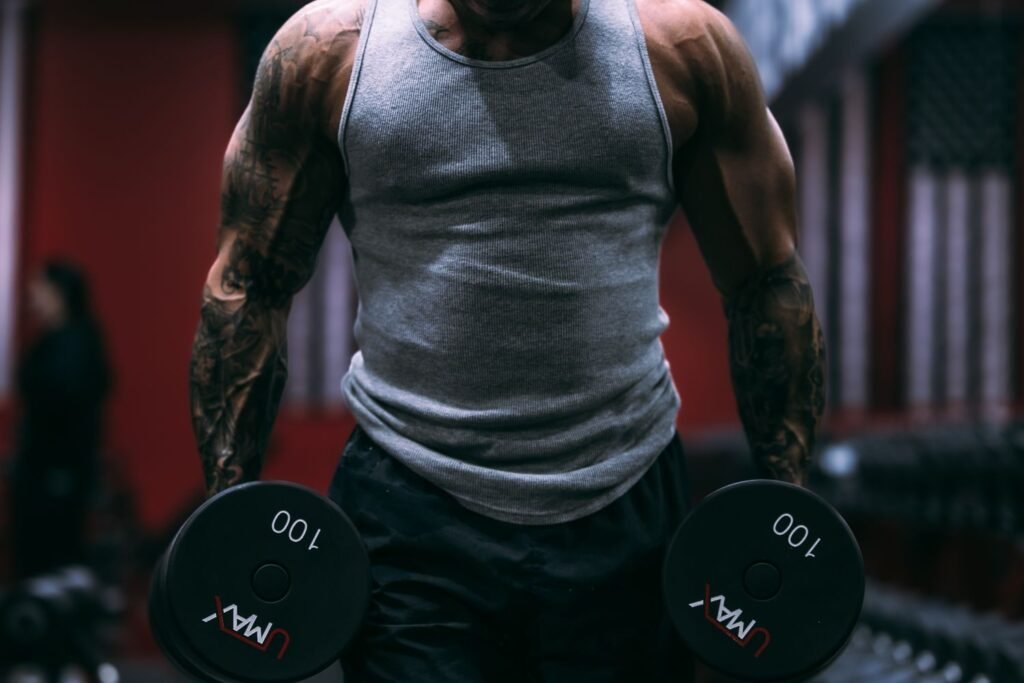
Yes, coffee before a workout is one of the simplest performance boosters you can use, and the science backs it up. Caffeine blocks adenosine, a chemical that makes you feel tired, which is why a cup 30 to 60 minutes before training can leave you feeling sharper and more willing to push through the last few reps. It also mobilizes fat stores for energy and can lower your perceived effort, so a hard set feels a little less hard. At FitStrot, we coach a lot of clients through their morning training sessions, and coffee before a workout is one of the easiest habits to get right if you time it well and don’t overdo it.

How Does Caffeine Actually Affect Workout Performance?
Caffeine is one of the most researched performance aids in sports nutrition, and for good reason. It works on your central nervous system, reducing the sense of fatigue and improving focus and reaction time. For strength training, that often means better bar speed and a bit more reps in reserve near failure. For cardio, caffeine has been shown to improve endurance and reduce how hard a given pace feels, which lets you hold effort longer.
Caffeine also triggers the release of adrenaline, which increases fat availability for fuel and can slightly raise your heart rate and alertness before you even start warming up. Most research on caffeine as an ergogenic aid points to a dose range of roughly 3 to 6 mg per kg of body weight for a noticeable effect, which for an average adult works out to somewhere between 200 and 400 mg, or about one to two regular cups of coffee. Going well beyond that doesn’t add much benefit and just raises your risk of jitters and a racing heart.
How Long Before a Workout Should You Drink Coffee?
Timing matters more than most people realize. Caffeine takes about 30 to 45 minutes to reach peak levels in your bloodstream, so drinking coffee right as you walk into the gym is too late to catch the full effect. We generally tell clients to finish their coffee 30 to 60 minutes before the first working set. That gives the caffeine enough time to clear your gut and start working on your nervous system by the time you’re loading the bar.
If you’re training first thing in the morning, this also lines up naturally with getting dressed, packing your bag, and driving to the gym or setting up your space at home. Drinking coffee before a workout on an empty stomach is fine for most people in small to moderate doses, though if you’re sensitive to it, pairing it with a light snack can soften the edge.
Black Coffee vs Coffee With Milk and Sugar Before Training
Black coffee before a workout is the cleanest option if your main goal is fat loss or you’re training fasted. It has close to zero calories, won’t spike your blood sugar, and delivers caffeine without anything else to digest. This is why a lot of early-morning lifters default to it.
Coffee with milk and a small amount of sugar isn’t a problem either, especially if you’re training later in the day and want a bit of quick carbohydrate alongside your caffeine. The milk adds a small protein and calcium boost, and the sugar can top up glycogen slightly if your last meal was a while ago. The main thing to watch is portion size. A large sweetened coffee drink can carry 200 to 400 calories before you’ve done a single rep, which adds up fast if you’re tracking intake for a fat loss goal. If you want more fuel than caffeine alone, it’s worth reading up on what a proper pre-workout meal should look like rather than relying on your coffee order to do that job.
Coffee or Green Tea Before a Workout, Which Is Better?
Green tea before a workout is a gentler option. It has roughly a quarter to a third of the caffeine of a regular cup of coffee, plus L-theanine, an amino acid that smooths out the alertness so you get focus without as much of the jittery edge. If you’re sensitive to caffeine or you already feel wired on coffee, green tea before or after a workout is a solid swap.
Coffee wins on raw stimulant effect and is usually the better choice if you’re chasing a hard strength session or a tough conditioning workout where you want maximum drive. Green tea is better suited to lighter sessions, mobility work, or if you’re someone who trains twice a day and doesn’t want to stack too much caffeine. Neither is wrong. It comes down to how your body handles stimulants and what kind of session you have planned.
What Happens if You Drink Coffee After a Workout?
Coffee after a workout has its own use case. Some research suggests caffeine consumed post-training can support glycogen replenishment when it’s paired with carbohydrates, and it can also blunt some of the muscle soreness you’d otherwise feel in the day or two after a hard session. Black coffee after a workout won’t interfere with protein absorption in any meaningful way, so pairing it with a shake is fine if that’s part of your routine.
One thing worth knowing is that caffeine can slightly slow the rate at which your body absorbs iron and calcium from food, so if you’re having a coffee right alongside your main post-workout meal, spacing it out by 30 to 45 minutes is a reasonable habit rather than a strict rule. If you’re building your post-training nutrition around whole foods, protein sources like eggs before workout or after it remain a better long-term strategy for muscle repair than caffeine alone.
Sample Caffeine Timing Guide
Here’s a rough guide we use with clients when they ask how to time their coffee around training. Adjust the amounts down if you’re new to caffeine or particularly sensitive to it.

| Timing Before Workout | Typical Effect | Best For |
|---|---|---|
| 60 minutes | Peak caffeine levels align with warm-up, full alertness by first working set | Heavy strength sessions, competition days |
| 30-45 minutes | Partial caffeine absorption, noticeable but not full effect | Standard gym sessions, moderate intensity |
| Less than 15 minutes | Minimal effect during the session, kicks in mid-workout | Not ideal, better to plan ahead |
| No caffeine | Relies on natural energy and pre-workout meal only | Evening training, caffeine-sensitive individuals |
Who Should Be Careful With Caffeine Before Training?
Caffeine isn’t neutral for everyone. If you deal with anxiety, coffee before a workout can amplify a racing heart and jittery feeling in a way that mimics anxiety symptoms, which makes it hard to tell what’s caffeine and what’s genuine nerves. People with high blood pressure should also be cautious, since caffeine causes a short-term spike in blood pressure that’s usually mild but worth discussing with a doctor if you’re already managing hypertension.
Sleep is the other big one. Caffeine has a half-life of around 5 to 6 hours, so an evening training session fueled by coffee can still be affecting your sleep at midnight. If you train late in the day, we’d rather you skip the coffee and rely on food timing and rest instead. Pregnant women, anyone on certain medications, and people prone to heart palpitations should check with a doctor before making caffeine a regular part of their training routine.
In short, be extra cautious with caffeine before training if you:
- Deal with anxiety or a tendency toward a racing heart
- Have high blood pressure or are managing hypertension
- Train in the evening and are sensitive to caffeine’s effect on sleep
- Are pregnant
- Take certain medications that interact with stimulants
- Are prone to heart palpitations
How Does Coffee Fit Into a Broader Pre-Workout Nutrition Plan?
Coffee is a tool, not a strategy. It can sharpen a session that’s already backed by decent sleep, enough food, and consistent training, but it won’t rescue a workout if you’re running on empty. We see clients lean on coffee to push through low-energy days that are really caused by under-eating or poor sleep, and caffeine just masks the problem for an hour before the crash hits harder later.
Treat your coffee as one piece of a plan that includes real food before and after training. If you’re not eating much solid food pre-session, a scoop of whey can help close the gap, though it’s worth understanding when that actually makes sense, including cases where you’re taking whey protein without a workout on rest days. Getting the fundamentals right, sleep, protein intake, and consistent training, is what actually drives results. Coffee just makes the sessions you’re already doing feel a bit easier to execute.
If you want a program built around your actual schedule, goals, and how your body responds to things like caffeine and pre-workout food, our coaches at FitStrot build all of that into your 1-on-1 personal training plan, so you’re not guessing what works for you.
Frequently Asked Questions
Is coffee good before a workout?
Yes, for most healthy adults, coffee before a workout improves alertness, reduces perceived effort, and can boost strength and endurance output. The key is moderate dosing, around 200 to 400 mg of caffeine, and drinking it 30 to 60 minutes before you train.
How long before a workout should you drink coffee?
Aim for 30 to 60 minutes before your session. Caffeine takes roughly that long to reach peak blood levels, so drinking it right before you start training means you’ll miss most of the benefit during your workout.
What are the benefits of coffee before a workout?
Coffee before a workout can improve focus, reduce perceived effort, increase fat availability for energy, and boost strength and endurance performance. It works by blocking adenosine, the chemical responsible for feelings of tiredness, and triggering a mild adrenaline response.
Can I drink coffee before a workout on an empty stomach?
Yes, for most people this is fine, especially with black coffee before a workout. If you’re prone to stomach upset or jitters, pair it with a small snack or stick to a smaller dose until you know how your body responds.
Is green tea a better pre-workout option than coffee?
It depends on your goal. Green tea before a workout offers milder, smoother energy thanks to lower caffeine and added L-theanine, while coffee delivers a stronger stimulant effect better suited to heavy or high-intensity training sessions.