A good home workout weekly plan is a repeatable 7-day structure that balances push, pull, leg, and recovery days so every major muscle group gets trained and rested on a predictable schedule. At FitStrot, we build these plans around 4-6 training days, alternating strength-focused sessions with lighter or active recovery days, and we always leave at least one full rest day. The plan should tell you exactly what to do each day, roughly how long it takes, and when you’re allowed to push hard versus when you should hold back. Without that structure, you end up doing whatever feels easiest that day, and certain muscle groups get neglected for weeks at a stretch.
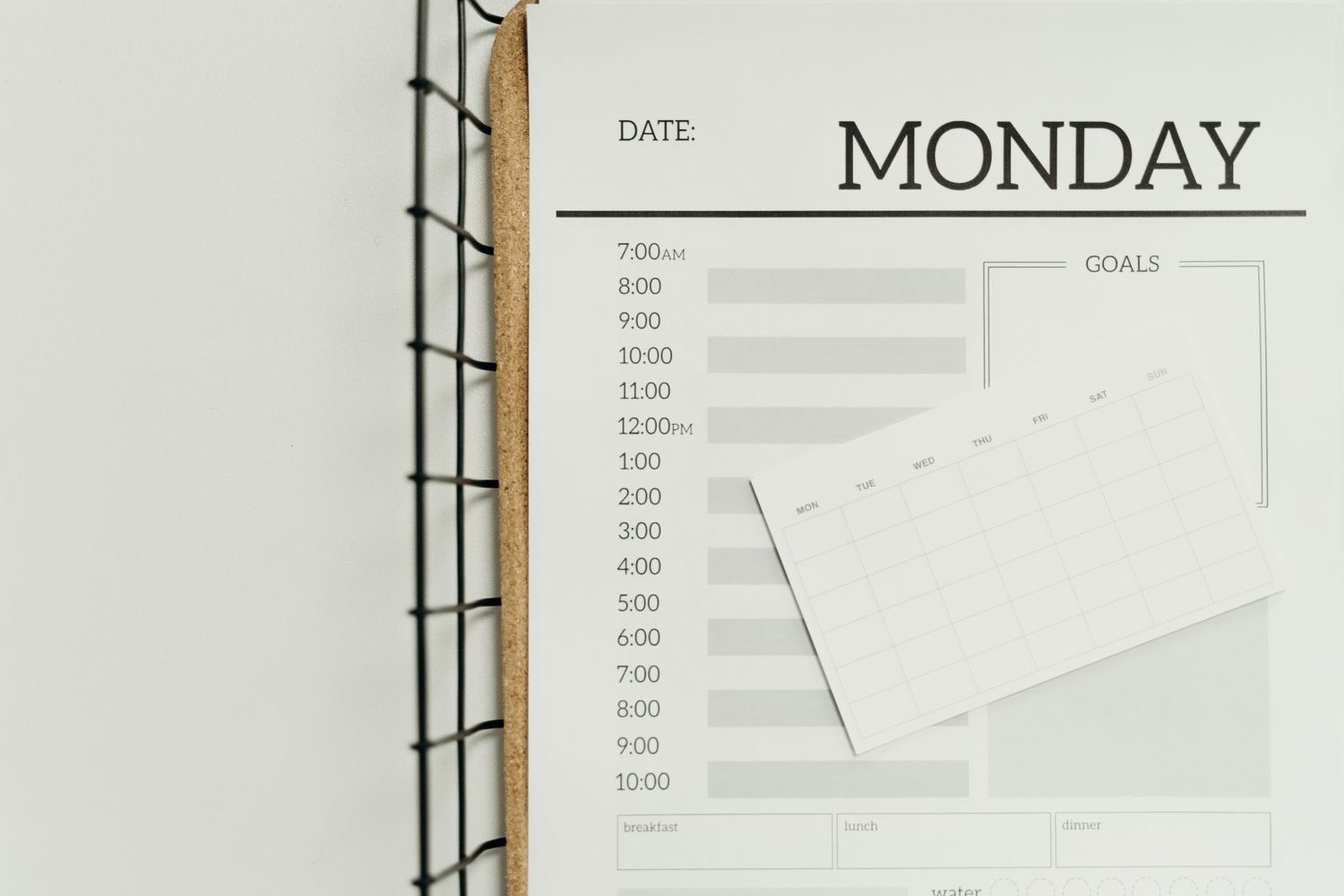
What Does a Weekly Plan Need That a Single Workout Doesn’t?
A single workout only has to answer one question: what am I doing today? A weekly workout plan has to answer a harder one: how do all my sessions fit together so I’m not overtraining my shoulders on Monday and Wednesday while my legs sit untouched for ten days? That’s the real difference, and it’s where most home training falls apart.
We see people show up with genuine motivation but no weekly map, so they default to whatever muscle group feels fun that day. Chest and arms get hit constantly. Legs, back, and core get quietly skipped. A proper plan forces balance across the week by assigning muscle groups or movement patterns to specific days in advance, so there’s no daily negotiation with yourself about what to train.
A weekly plan also needs built-in recovery. One workout doesn’t need to think about tomorrow. A weekly plan has to, because your muscles rebuild between sessions, not during them. If you don’t plan rest days on purpose, you either skip them out of guilt or take them randomly and lose consistency.
How Many Days a Week Should You Train at Home?
For most people building a weekly workout plan at home, 4 to 5 days is the sweet spot. That’s enough volume to make real progress on strength and conditioning without burning out or running into the diminishing returns that come with training every single day.
If you’re just starting out, 3 days a week is a completely legitimate starting point. Full-body sessions on non-consecutive days (say, Monday, Wednesday, Friday) let you build the habit and let your body adapt to new movement patterns without excessive soreness derailing your week.
If you’ve been training consistently for six months or more, 5 to 6 days can work well, especially if you split the body into pushing, pulling, and leg days so no single muscle group is worked back to back. We don’t recommend 7 days of hard training for almost anyone. Rest isn’t optional, it’s part of how strength actually gets built.
What Does a Sample 7-Day Home Workout Weekly Plan Look Like?
Here’s a practical weekly workout plan we use as a starting template with clients who train at home. It mixes bodyweight and dumbbell work, includes a dedicated recovery day, and keeps sessions between 30 and 45 minutes.

| Day | Focus | Sample Exercises | Duration |
|---|---|---|---|
| Monday | Push (chest, shoulders, triceps) | Push-ups, dumbbell shoulder press, incline push-ups, tricep dips on a chair | 35-40 min |
| Tuesday | Pull (back, biceps) | Dumbbell rows, resistance band pull-aparts, superman holds, bicep curls | 35-40 min |
| Wednesday | Legs and glutes | Bodyweight squats, dumbbell lunges, glute bridges, calf raises | 40 min |
| Thursday | Active recovery | Brisk walk, mobility flow, light stretching | 20-25 min |
| Friday | Full body strength | Goblet squats, push-ups, dumbbell rows, plank holds | 40 min |
| Saturday | Core and conditioning | Mountain climbers, bicycle crunches, jumping jacks, burpees | 25-30 min |
| Sunday | Rest | Full rest or gentle walk | – |
This isn’t the only way to structure a week, but it covers every major muscle group, mixes intensity levels, and doesn’t ask for more than 45 minutes on any given day. That’s realistic for people juggling work and family life, which is most of our clients.
Should You Use Dumbbells or Bodyweight Across the Week?
You don’t have to pick one. In fact, the best weekly workout plans blend both, and the mix depends on what equipment you have and what your goals are.
A bodyweight workout is ideal for days when you want to keep things simple, for beginners still learning movement patterns, and for conditioning-focused sessions like Saturday’s core day in the table above. Push-ups, squats, lunges, and planks build real strength without any equipment, and they’re easy to scale up with tempo changes or added reps.
A home dumbbell workout earns its place on strength-focused days because external load is what drives long-term muscle and strength gains once bodyweight training stops being challenging enough. If your goal is visible strength progress over the next few months, we’d push you toward owning even a basic adjustable dumbbell set and building at least two or three dumbbell sessions into your week.
Our general rule: use bodyweight for volume and conditioning days, use dumbbells for your primary strength days. Together they cover the full spectrum of what a well-rounded home workout needs to deliver.
How Do You Structure Push/Pull/Legs or Full Body at Home?
There are two go-to structures for a weekly workout plan at home, and which one you pick depends mostly on how many days you can commit.
Push/Pull/Legs (PPL): This works best for 5-6 day weeks. You dedicate full sessions to pushing muscles (chest, shoulders, triceps), pulling muscles (back, biceps), and legs, then repeat the cycle. It allows more volume per muscle group per session and gives each area proper recovery time before it’s trained again.
Full body: This works best for 3-4 day weeks. Every session hits major muscle groups, just with less total volume per group per day. It’s more forgiving if you miss a day, since you’re not leaving a specific muscle group stranded without its designated session.
If you’re new to structured training, start with full body. It’s simpler to plan, easier to recover from, and gives you more margin for error. Once you’re consistently training 5+ days a week and want more targeted volume, shift to a PPL split.
How Do You Progress a Home Workout Weekly Plan Over Time?
A weekly plan that stays identical for months stops producing results, plain and simple. Progression is what separates a plan that works for six weeks from one that keeps working for six months.
- Add reps. If you did 3 sets of 10 push-ups this week, aim for 3 sets of 12 next week. Once you’re comfortably hitting 15-20 reps with good form, it’s time to make the movement harder rather than just longer.
- Add load. With dumbbells, this is straightforward: move from 5kg to 7.5kg once your current weight feels manageable for all prescribed sets. With bodyweight movements, “load” means progressing to a harder variation, like moving from knee push-ups to standard push-ups, or standard squats to jump squats.
- Reduce rest between sets. Cutting rest from 90 seconds to 60 seconds keeps the same exercises and weights but raises the conditioning demand significantly.
Rotate through these three levers every 3-4 weeks and your weekly plan keeps delivering results instead of plateauing.
What Are the Most Common Mistakes People Make With Weekly Planning?
The biggest mistake is training the same muscle groups repeatedly while ignoring others entirely. Chest, shoulders, and abs get hit almost daily in a lot of home routines, while back and legs get maybe one session a week, if that. This creates strength imbalances that eventually cause posture issues and nagging pain.
The second mistake is skipping rest days, or treating “rest” as just another light cardio session. Recovery days need to actually be recovery. Your muscles repair and grow during rest, not during the workout itself, and cutting that short slows every other part of your progress.
The third mistake is building a plan that’s too ambitious for your actual schedule. A perfect 6-day plan you complete twice before quitting is worse than a realistic 4-day plan you stick to for months. We’d always rather see someone commit to fewer, consistent sessions than an aggressive plan that collapses by week two.
The fourth mistake is never changing anything. Doing the exact same sets, reps, and weights for months means your body adapts and stops improving. Revisit your plan every few weeks and adjust at least one variable.
Do You Need Guidance to Stick to a Weekly Plan?
Plenty of people can build and follow a solid weekly plan on their own with the structure above. But if you’ve tried a few times and keep losing momentum, or you’re not sure your form is right, or your progress has stalled and you don’t know why, that’s usually where a coach makes the difference. Having someone check in on your week, adjust your plan based on how you’re actually recovering, and hold you accountable removes most of the guesswork.
That’s exactly what we do with FitStrot’s 1-on-1 personal training. You get a weekly plan built around your equipment, schedule, and goals, with a real coach adjusting it as you progress, not a static PDF you’re left to interpret alone.
Frequently Asked Questions
What is a good home workout weekly plan?
A good home workout weekly plan trains 4-6 days a week, balances push, pull, leg, and core work across different days, and includes at least one full rest day. It mixes bodyweight and dumbbell exercises, keeps sessions to 30-45 minutes, and changes gradually every few weeks to keep driving progress.
How do you do a home workout weekly plan?
Start by picking 3-6 training days based on your schedule and experience level. Assign a focus to each day (push, pull, legs, or full body), choose 4-6 exercises per session, and build in at least one rest day. Track your reps and weights weekly so you can progressively increase difficulty over time.
What are the benefits of a home workout weekly plan?
A weekly plan removes daily guesswork, ensures every muscle group gets trained instead of just the easy favorites, and builds consistency because you always know what’s next. It also makes progress trackable, since you can compare this week’s reps and weights against last week’s and see whether you’re actually improving.
How long should a home workout weekly plan last before I change it?
Most plans work well for 4-6 weeks before they need adjusting. By that point your body has adapted to the current exercises and rep ranges, and it’s time to increase weight, reps, or difficulty, or rotate in new movements to keep challenging the same muscle groups.
Can beginners follow the same weekly workout plan as advanced trainees?
Not exactly, though the structure can be similar. Beginners should start with 3 full-body days a week using simpler movements and more rest between sessions. Advanced trainees can handle 5-6 days with a push/pull/legs split and higher training volume per muscle group, since their bodies recover faster and adapt to demand more efficiently.