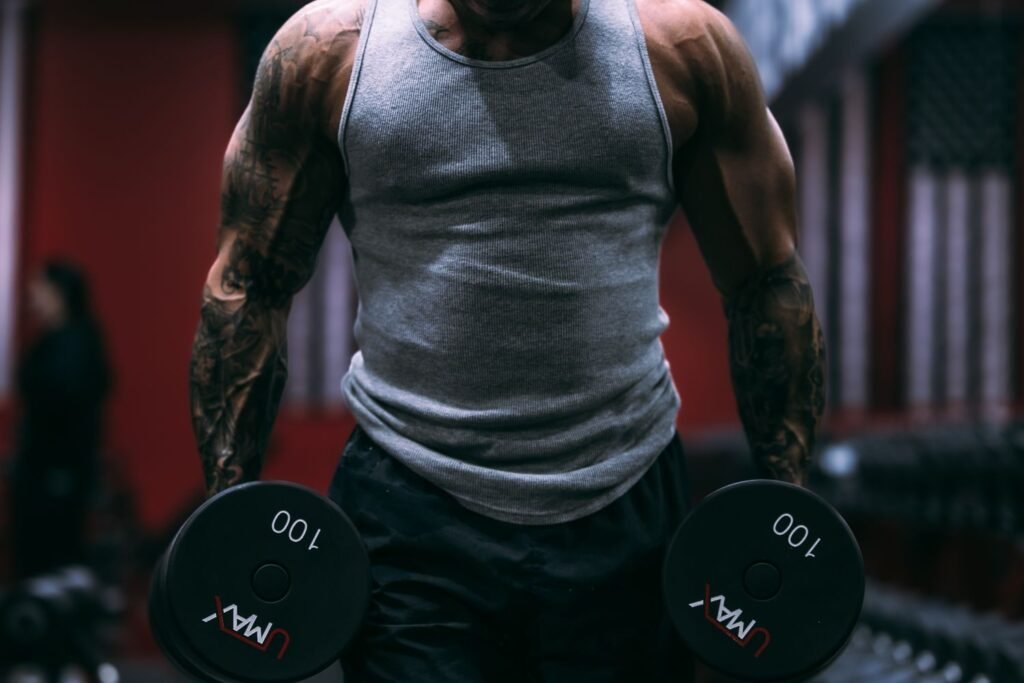
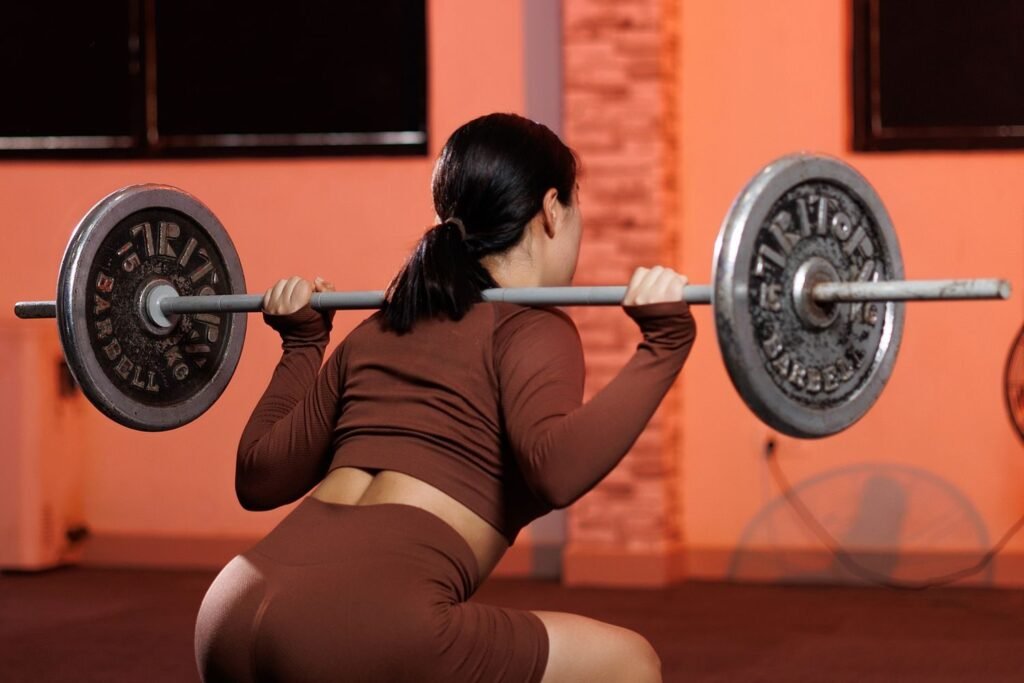
A hip workout is any training session built around exercises that target the muscles surrounding your hip joint, primarily the glutes, hip abductors, hip flexors, and adductors. At FitStrot we program hip work for two very different goals: building strength and shape in the glutes and outer hips, or restoring mobility and stability for people who sit most of the day. A good hip workout does both if you structure it right, and it takes about 20 to 40 minutes.
What Are Hip Workouts, Really?
People use “hip workout” loosely, and that’s part of the confusion. Sometimes it means glute training. Sometimes it means the side-of-hip exercises that shape your outer thigh line. Sometimes it means mobility drills for someone whose hips feel stiff after a desk job. All three are legitimate, and honestly, most people need a mix of them.
In our coaching practice, we treat the hip as a joint with three jobs: it extends (glutes), it abducts and rotates (glute medius and the deep rotators), and it flexes (hip flexors and quads at the top). A complete hip workout hits all three movement patterns instead of just hammering squats and calling it done.
Which Muscles Do Hip Workouts Actually Train?
The hip is a ball-and-socket joint surrounded by more muscle groups than most people realize. Here’s what’s actually working during a hip session:
- Glute maximus — the big muscle behind hip extension. This is your primary mover in squats, hip thrusts, and lunges.
- Glute medius and minimus — smaller muscles on the side of your hip that control abduction and stop your knee from caving in. These are the muscles a side hip workout targets directly.
- Hip flexors (iliopsoas, rectus femoris) — often tight from sitting, and worth stretching as much as strengthening.
- Adductors — the inner thigh muscles that pull the leg toward the midline.
- Deep external rotators — small muscles under the glutes that stabilize the joint during single-leg movement.
If you want more detail on training the biggest of these muscles specifically, our glutes workout guide breaks down programming for glute maximus development on its own.
What Are the Best Hip Exercises?
You don’t need twenty different moves. A handful done consistently, with progressive load, will change how your hips look and function within a few months. Here’s what we program most:
- Hip thrusts — the single best exercise for glute maximus strength and size. We’ve written a full breakdown in our hip thrust workout guide if you want to go deeper on form and loading.
- Side-lying leg raises and band lateral walks — the backbone of any side hip workout, targeting glute medius directly.
- Bulgarian split squats — single-leg strength with a big glute and hip stabilizer demand.
- Clamshells — low-intensity but genuinely effective for waking up the glute medius before heavier lifts.
- Romanian deadlifts — more hamstring-dominant, but they load the hip hinge pattern hard.
- Fire hydrants — hip abduction from a quadruped position, good for beginners and home training.
- Curtsy lunges — cross-body movement that hits glute medius and glute max together.
If you’re specifically building a butt and hip workout aimed at shape and strength together, pairing a heavy hinge (hip thrust or RDL) with a lateral movement (band walk or clamshell) in the same session covers both.
What Does a Full Hip Workout Look Like?
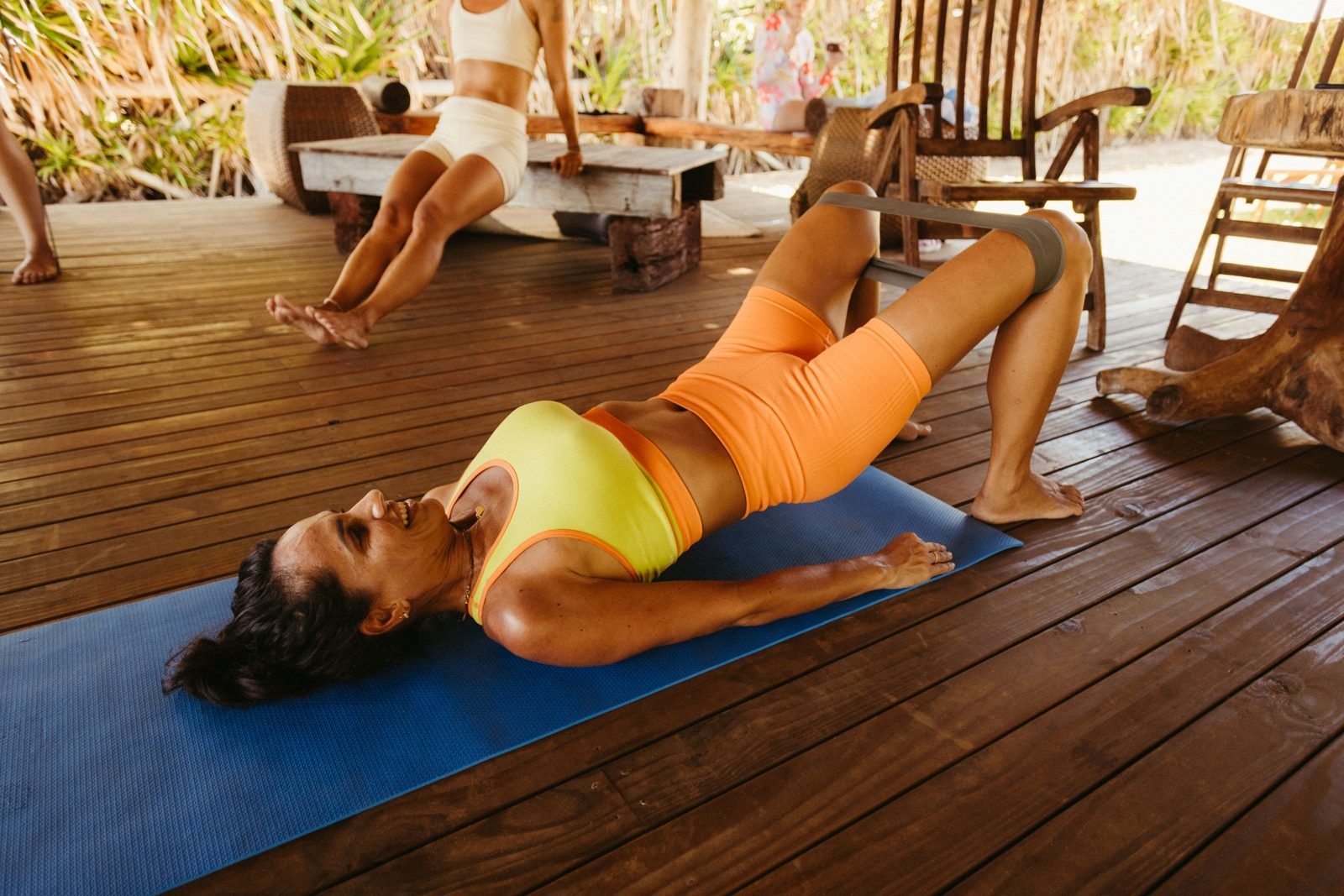
Here’s a sample session we’d give a client who has access to dumbbells and a resistance band. It runs about 35 minutes including warm-up.
| Exercise | Sets | Reps | Rest |
|---|---|---|---|
| Band lateral walks | 3 | 15 steps each direction | 30 sec |
| Barbell or dumbbell hip thrust | 4 | 8-12 | 90 sec |
| Bulgarian split squat | 3 | 10 per leg | 60 sec |
| Side-lying leg raise | 3 | 15 per side | 30 sec |
| Romanian deadlift | 3 | 10-12 | 75 sec |
| Clamshell (banded) | 2 | 20 per side | 30 sec |
Start with the band walks as an activation set, not a max-effort exercise. The heavier compound lifts (hip thrust, split squat, RDL) should be where you push closest to failure. Save the isolation moves for the end when your stabilizers are already warm.
Can You Do Hip Workouts at Home, or Do You Need a Gym?
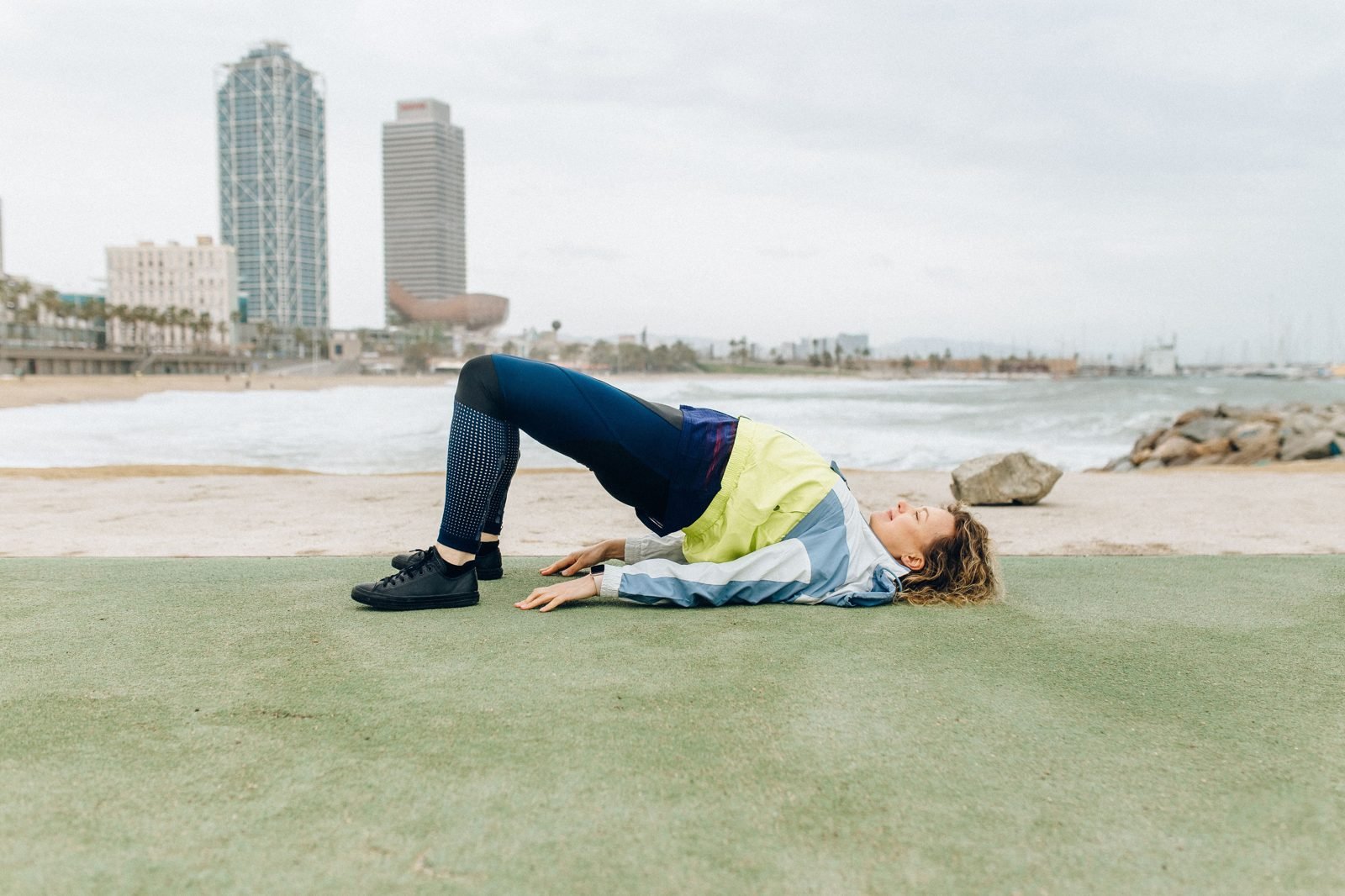
You can absolutely build effective hip workouts at home, and for most beginners we actually prefer starting there. A mini resistance band, a set of adjustable dumbbells, and your own bodyweight cover almost every exercise on the list above. Band lateral walks, clamshells, glute bridges, single-leg RDLs, and fire hydrants all work fine in a living room.
Where home training falls short is progressive overload on the big lifts. A barbell hip thrust with 60kg on it builds strength faster than a banded glute bridge ever will. If your goal is visible shape change and not just activation, you’ll eventually want access to heavier resistance, whether that’s a gym or a solid home setup with heavier dumbbells and a hip thrust pad.
Either way, consistency matters more than equipment. Three home sessions a week beats one perfect gym session you keep skipping.
Can a Hip Fat Workout Actually Burn Fat From Your Hips?
No, and we’d rather tell you that upfront than let you waste months on it. “Hip fat workout” gets searched a lot because people assume that training a specific area burns fat from that area. It doesn’t work that way. Spot reduction isn’t real. Your body decides where it pulls fat from based on genetics and overall energy balance, not on which muscle you just trained.
What hip exercises actually do is build and strengthen the muscle underneath the fat layer. That’s genuinely valuable. Stronger glutes and hip stabilizers improve how your hips look, how you move, and how much weight you can lift elsewhere. But if the goal is losing fat around your hips specifically, that comes from a calorie deficit through nutrition, plus enough total training volume across your whole body to preserve muscle while you lose weight. Hip exercises are part of that bigger picture, not a shortcut around it.
We’d rather set that expectation early than have a client get frustrated three months into hip circuits wondering why the fat hasn’t “moved.”
How Often Should You Train Your Hips?
Two to three sessions a week is the sweet spot for most people. The glutes and hip stabilizers recover fairly quickly compared to something like the lower back, so you can train them more frequently than you might think, as long as you’re not going to failure every single time.
If hip training is your main focus, structure it as two heavier strength days (hip thrust, split squats, RDLs) and one lighter activation day (bands, bodyweight isolation work). If it’s just one piece of a broader program, folding hip-specific accessory work into your existing leg days two or three times a week is enough to see change over 8 to 12 weeks.
We see a lot of clients try to train hips daily thinking more frequency equals faster results, and it usually just leads to nagging hip flexor tightness without any extra progress. The muscle needs recovery time to actually adapt.
What Mistakes Ruin Hip Workout Results?
A few patterns show up again and again with people who feel stuck:
- Only doing bodyweight reps forever. Clamshells and band walks are great activation tools, but they’re not enough stimulus on their own to build noticeable strength or shape long-term. You need to add resistance over time.
- Skipping the side hip muscles. Most people only train hip extension (squats, thrusts) and ignore abduction entirely, which leaves the outer hip underdeveloped and can contribute to knee tracking issues.
- Chasing burn instead of progressive overload. A workout that leaves you sore isn’t automatically a productive one. Tracking weight, reps, and sets over time is what actually drives change.
- Ignoring hip flexor mobility. If you sit for eight hours a day, tight hip flexors will limit how well your glutes fire during exercise. A few minutes of hip flexor stretching before training pays off.
- Expecting fat loss from hip exercises alone. As covered above, this one trips up more people than any other mistake on this list.
If you’re not sure whether your current routine has these gaps, working with a coach who can watch your form and adjust load week to week removes a lot of the guesswork. That’s exactly what our 1-on-1 personal training programs are built around, tailored hip and glute programming based on your actual movement patterns, not a generic template.
Do Hip Workouts Look Different for Women?
The exercises themselves are largely the same, but the programming emphasis often shifts. A lot of women come to us specifically wanting more shape and strength in the glutes and hips, which usually means prioritizing heavier hip thrusts, RDLs, and lateral work over pure mobility drills. We’ve laid out a more detailed approach in our glute workouts for women guide, including how to structure volume across a week.
Frequently Asked Questions
What are hip workouts?
Hip workouts are exercise routines that target the muscles around the hip joint, including the glutes, hip abductors, hip flexors, and adductors. They combine strength moves like hip thrusts and split squats with mobility and stability work to build strength, shape, and better movement quality.
How do you do hip workouts?
Pick two to three compound exercises like hip thrusts, split squats, or Romanian deadlifts, and pair them with one or two lateral or isolation moves like band walks or clamshells. Train two to three times a week, progressively adding weight or reps, and always warm up the hip flexors first.
What are the benefits of hip workouts?
Hip workouts build glute and hip stabilizer strength, improve balance and knee tracking, reduce lower back strain, and support better performance in squats, running, and daily movement. They also improve the shape and firmness of the glutes and outer hips over time with consistent training.
Can beginners do hip workouts at home without equipment?
Yes. Bodyweight glute bridges, clamshells, fire hydrants, and side-lying leg raises are all effective starting points. They won’t build significant strength forever without added resistance, but they’re a solid way to learn the movement patterns and activate the right muscles before adding weight.
How long does it take to see results from hip workouts?
Most people notice improved strength and muscle activation within 2 to 3 weeks, and visible shape changes typically show up around 8 to 12 weeks with consistent training two to three times a week and adequate nutrition to support muscle growth.