Geriatric nutrition is the practice of matching what an older adult eats to how their body actually works after 60 — and the biggest myth to unlearn is that seniors need less food as they age. In most cases, they need more protein, not less, along with more calcium, more vitamin D, and closer attention to fluids, even as appetite naturally shrinks. Whether you’re managing your own meals later in life or watching a parent eat less at every meal, understanding these shifts is the first step toward catching problems before they become falls, fractures, or hospital stays.
This guide covers what changes physiologically with age, why appetite drops even as nutrient needs rise, and practical ways to close that gap.
Why do older adults need more protein, not less?
It seems counterintuitive: smaller appetites, less activity, so surely less protein is needed? The opposite is true. Starting in a person’s 30s and 40s, the body gradually loses muscle mass and strength — a process called sarcopenia — and that loss accelerates after age 60. Older muscles also become less efficient at using dietary protein to build and repair tissue, a phenomenon researchers call “anabolic resistance.” A 75-year-old needs a larger protein dose per meal than a 35-year-old just to trigger the same amount of muscle protein synthesis.
The standard U.S. Recommended Dietary Allowance (RDA) of 0.8 grams of protein per kilogram of body weight per day was set as the minimum to prevent deficiency — not the optimal amount for healthy aging. Research on older adults, including those with diagnosed sarcopenia, points to a higher target: roughly 1.0 to 1.2 grams per kilogram of body weight per day for generally healthy seniors, with some studies on sarcopenic older adults estimating recommended intakes closer to 1.5 g/kg/day to meaningfully preserve muscle mass. For a 150-pound (68 kg) adult, that’s a jump from about 55 grams a day under the old RDA to 68–80+ grams a day.
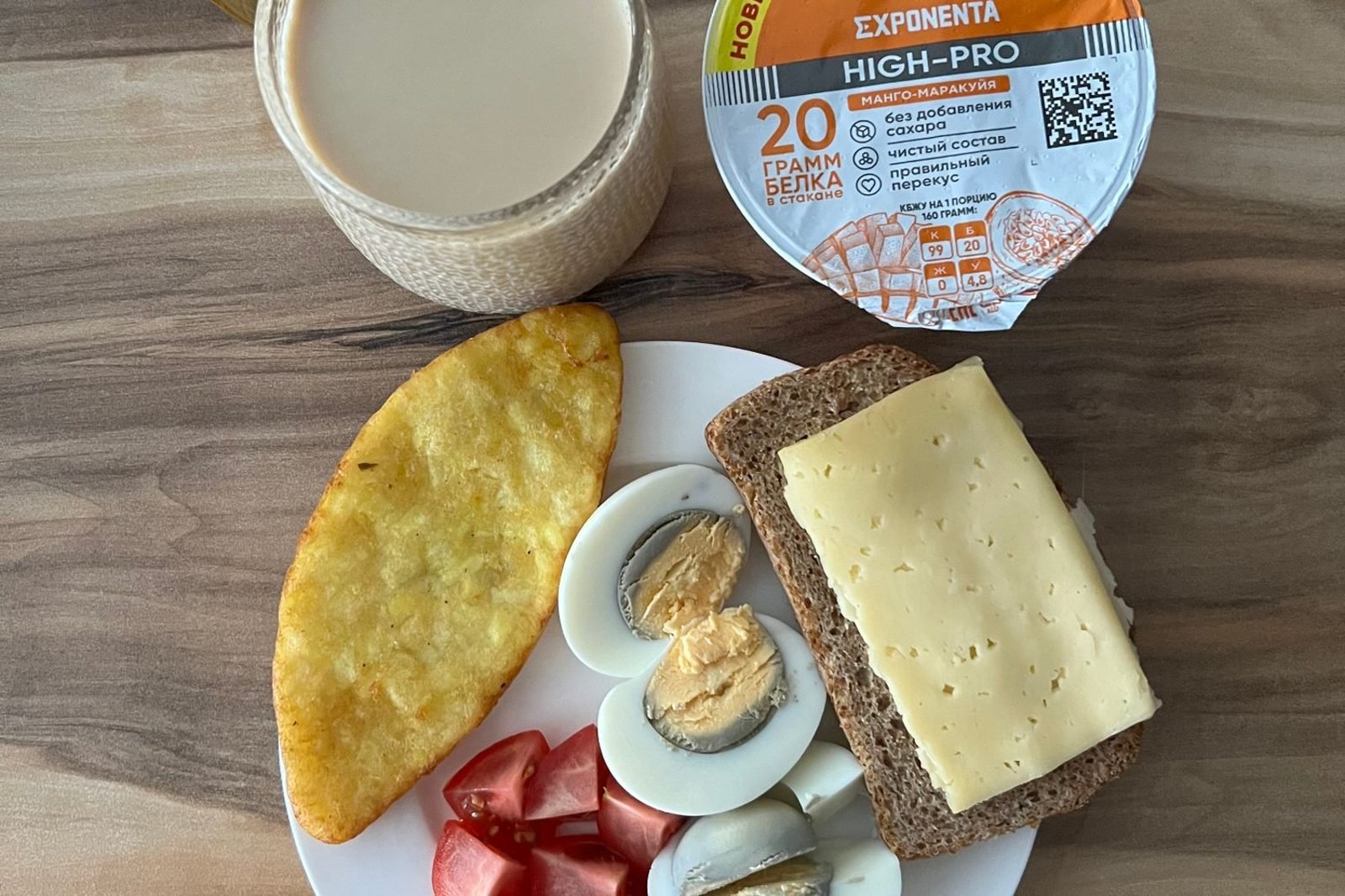
Spreading protein across three meals — rather than loading it at dinner, a common pattern in older adults — appears to help the body use it more effectively. Good sources include eggs, Greek yogurt, fish, poultry, tofu, beans, and cottage cheese. For more, see our guide on protein and nutrition.
Why does appetite decline with age?
Appetite loss in older adults — sometimes called “anorexia of aging” — is common enough that it affects an estimated 25% of people living independently and up to 85% of nursing home residents. It’s rarely one single cause; usually several factors compound at once:
- Blunted taste and smell. Fewer taste buds and a weaker sense of smell make food less interesting, reducing the drive to eat.
- Hormonal shifts. Ghrelin, the hunger hormone, tends to decline with age, while the fullness signal from leptin becomes less responsive — so people feel “full” sooner and longer.
- Slower digestion. Food moves through the stomach more slowly in older age, extending the feeling of fullness after eating.
- Dental problems. Missing teeth or poorly fitting dentures make chewing meat and vegetables uncomfortable, so people quietly shift toward soft, lower-nutrient options.
- Depression and social isolation. Eating alone and low mood are strongly linked to reduced food intake — meals are as much a social ritual as a biological need.
- Chronic conditions and medications. Illness, pain, and certain medications can dull taste or suppress appetite directly.
The consequence isn’t just a smaller waistline — under-eating in older adults is linked to muscle loss, weaker immune function, slower wound healing, higher fall risk, and cognitive decline. If a parent is skipping meals or losing weight without trying, raise it with their doctor rather than assuming it’s normal aging. Our article on nutrition for elderly adults covers warning signs worth tracking.
How does the body’s ability to absorb nutrients change with age?
Eating the right foods is only half the equation — the aging digestive system also gets less efficient at absorbing certain nutrients, even when intake looks adequate on paper.
Vitamin B12
Vitamin B12 absorption is one of the most well-documented age-related changes. Roughly 10–15% of adults over 60 have measurable B12 deficiency, and the leading cause isn’t diet — it’s atrophic gastritis, a condition that reduces stomach acid production. Since B12 must be separated from protein in food by stomach acid before it can be absorbed, this “food-bound malabsorption” accounts for a large share of B12 deficiency cases in older adults. People with this type of malabsorption can often still absorb the free (crystalline) form of B12 found in fortified foods and supplements normally, which is why fortified cereals or a B12 supplement are often recommended over relying on meat and dairy alone. Any suspected deficiency should be evaluated by a doctor, since B12 status is checked with a blood test, not guesswork.
Calcium and vitamin D
Skin becomes less efficient at synthesizing vitamin D from sunlight with age, and the kidneys become less able to convert it to its active form — at the same time calcium absorption in the gut declines. This one-two effect is a major driver of the bone density loss behind osteoporosis and fracture risk. Current guidance calls for at least 800 IU (20 mcg) of vitamin D daily for adults over 70, and 1,200 mg of calcium daily for women 51+ and men 71+ (versus 1,000 mg for men 51–70) — notably higher than requirements earlier in adulthood. Dairy, fortified plant milks, canned fish with bones, and leafy greens are useful food sources, though many older adults need a supplement to close the gap; that’s a conversation for a doctor or dietitian, especially alongside existing health conditions. See our guides on calcium nutrition and vitamin nutrition.

Why are older adults more prone to dehydration?
Hydration risk is one of the most underappreciated parts of geriatric nutrition because it doesn’t show up as a diet issue — it shows up as confusion, a fall, or a urinary tract infection. Several age-related changes stack up against older adults:
- Blunted thirst signal. The body requires a greater degree of fluid loss before it triggers thirst, meaning an older adult can already be meaningfully dehydrated before feeling like drinking anything.
- Reduced kidney concentrating ability. Aging kidneys are less able to conserve water and concentrate urine, so more fluid is lost through normal urination.
- Lower total body water. Muscle holds more water than fat, so as muscle mass declines with sarcopenia, the body’s fluid reserve shrinks too.
- Practical barriers. Mobility issues, fear of incontinence, or reduced ability to prepare drinks independently all limit fluid intake, regardless of thirst.
Because thirst is an unreliable warning sign, the better strategy is proactive, scheduled fluid intake rather than “drink when thirsty.” Watery foods — soups, melon, cucumber, yogurt — count toward hydration too and are often easier to get into someone with a small appetite than a full glass of water. Dark urine, dry mouth, dizziness, or new confusion are worth flagging to a doctor promptly, particularly for anyone managing a chronic condition.
What are practical ways to improve nutrition in an older adult who eats less?
When appetite is small, every bite needs to count more. These strategies focus on nutrient density rather than volume:
- Fortify familiar foods. Stir powdered milk, nut butter, or unflavored protein powder into oatmeal, mashed potatoes, or soup to boost calories and protein without increasing portion size.
- Serve the biggest meal earlier. Appetite is often strongest in the morning, so a substantial breakfast can matter more than a large dinner.
- Offer smaller, more frequent meals. Five or six small meals or snacks a day can be easier to manage than three large ones, and each is another chance to deliver protein and calcium.
- Make food easy to eat. Softer textures, smaller cut sizes, and addressing dental issues can remove a hidden barrier to eating enough.
- Bring back the social element. Eating with others — family, a senior center, a phone call during meals — reliably increases intake compared to eating alone.
- Use flavor to counter taste decline. Herbs, citrus, and spices can make food more appealing when taste buds are less sensitive, often more effectively than added salt or sugar.
- Track weight, not just meals. Unintentional weight loss above 5% of body weight over 6–12 months is a recognized red flag that warrants medical evaluation.
These changes work best as a longer-term pattern rather than a single overhaul — small, consistent adjustments add up more than trying to fix everything in one meal. Our guide to nutrition in old age goes deeper into building a sustainable weekly pattern, and if you’re managing nutrition across generations in one household, our piece on child nutrition covers the other end of the age spectrum.

Frequently Asked Questions
Is it normal for appetite to decrease with age?
Some decline is common due to hormonal and sensory changes, but a significant or sudden drop in appetite isn’t something to dismiss. It can signal depression, medication side effects, dental pain, or an underlying illness. If appetite loss is paired with weight loss, fatigue, or mood changes, a doctor visit is worth scheduling to rule out treatable causes.
How much protein should a healthy 70-year-old eat daily?
Many researchers suggest 1.0–1.2 grams of protein per kilogram of body weight per day for healthy older adults, higher than the general adult RDA of 0.8 g/kg. For a 150-pound person, that’s roughly 68–80 grams daily, ideally spread across meals. A doctor or dietitian can personalize this based on kidney function and other health factors.
Can older adults get enough vitamin D from sunlight alone?
It’s less reliable than in younger adults because aging skin synthesizes vitamin D from sunlight less efficiently. Combined with more time spent indoors, many older adults fall short on vitamin D from sun exposure alone and benefit from fortified foods or a supplement, ideally guided by a blood test and a healthcare provider’s recommendation.
What are early warning signs of dehydration in an older adult?
Because thirst is a poor early indicator in seniors, watch instead for dark urine, dry mouth or lips, fatigue, dizziness, or sudden confusion. Confusion in particular can be mistaken for normal aging or cognitive decline when it’s actually a dehydration symptom, so it deserves prompt attention rather than being waited out.
Should every older adult take a multivitamin?
Not automatically — needs vary based on diet quality, health conditions, and medications. Rather than starting supplements independently, discuss specific gaps (like B12, vitamin D, or calcium) with a doctor or registered dietitian, who can recommend targeted options based on bloodwork.
Getting personalized guidance
General patterns are a useful starting point, but every older adult’s needs differ based on medical history, mobility, appetite, and any conditions they’re managing. If you’re trying to figure out the right protein target, close a specific nutrient gap, or build an eating plan that actually fits a smaller appetite, an online nutritionist consultation can help — whether you’re planning for your own aging years or supporting a parent or loved one through theirs.