If your elderly parent is eating less, avoiding certain foods, or losing weight, the fastest way to help is usually the simplest: adjust texture so chewing isn’t a chore, build meals around company rather than isolation, and put fluids in easy reach throughout the day rather than waiting for thirst. These three levers — texture, socialization, and hydration — account for a large share of the appetite and intake problems caregivers see in aging parents, and none of them require a medical degree to address. This guide covers practical, doable changes you can make this week, along with the signs that mean it’s time to loop in a doctor or registered dietitian.
Caring for an aging parent’s nutrition is different from managing your own diet — you’re often troubleshooting from the outside, noticing that Mom left half her plate untouched or that Dad seems to be living on toast. This article focuses on the caregiver’s side of that problem: what you can actually do, today, to help someone eat better.
Why do elderly parents stop eating enough?
Appetite loss in older adults is rarely about willpower — it’s usually a stack of small, compounding barriers: dulled taste and smell, medications that suppress appetite or cause nausea, difficulty chewing or swallowing, depression or loneliness, mobility issues that make cooking harder, and slower gastric emptying that makes people feel full faster. No single factor seems like much, but together they can quietly cut someone’s intake by a third or more over a few months.
The caregiver’s job isn’t to diagnose the cause — it’s to notice the pattern: are they eating less at meals, skipping meals entirely, avoiding certain textures, or eating alone more than before? Each points toward a different fix, which is why a one-size-fits-all “just eat more” pep talk rarely works. If you want to understand the clinical side of why appetite and nutrient absorption change with age, FitStrot’s guide to geriatric nutrition covers that in more depth.
How can I make food easier to chew and swallow?
Dental problems, ill-fitting dentures, and reduced chewing strength are among the most fixable barriers to eating well. Research on aging and oral function has found that average tongue pressure and saliva production in older adults run at roughly 61% and about half, respectively, of the levels seen in younger adults — part of why many seniors naturally start avoiding tougher, drier foods before anyone notices a formal chewing problem. Older adults also face a notably higher choking risk than younger people, which is exactly why texture matters, not just taste.
You don’t need a clinical “pureed diet” to make a real difference. Try these adjustments first:
- Go mechanically soft before you go pureed. Chop, mince, mash, or slow-cook meats and vegetables until they’re fork-tender. A braised chicken thigh or a well-cooked stew often solves the problem without changing the meal into baby food.
- Add moisture. Gravies, sauces, broths, and melted butter make dry foods like meatloaf, rice, or bread much easier to move and swallow.
- Rethink rather than remove. If steak is off the table, ground beef, slow-braised short ribs, fish, eggs, or Greek yogurt deliver similar protein without the chewing demand — important for preserving muscle in later life.
- Watch for signs beyond “picky eating.” Coughing during meals, a wet or gurgly voice afterward, pocketing food in the cheek, or consistently avoiding meat and raw vegetables can signal a swallowing issue that needs a speech-language pathologist’s evaluation, not just softer food.
- Get the dental basics checked. Ill-fitting dentures, cavities, or mouth pain are common and treatable — a dental visit can sometimes resolve an “appetite problem” that was really a pain problem.

How do I encourage an elderly parent to eat more?
Small, structural changes to the eating routine tend to work better than urging someone to “just finish your plate.” Consider these approaches:
- Keep meal times consistent. A predictable schedule — breakfast, lunch, dinner, plus one or two snacks — helps regulate hunger cues that often blunt with age.
- Shrink the meal, not the nutrition. Five or six smaller meals and snacks throughout the day are often easier to manage than three large plates, especially for someone who feels full quickly.
- Turn up the flavor. Taste and smell naturally decline with age, so a dish that seems well-seasoned to you may taste bland to your parent. Herbs, citrus, garlic, and spices (rather than just salt) can make food noticeably more appealing.
- Offer favorites often. This isn’t the time to push new foods aggressively — lean into dishes they’ve always enjoyed, and introduce variety gradually.
- Keep a simple log. Tracking what was eaten, how much, and any patterns gives you and their doctor something concrete to work from instead of a vague “they’re not eating well.”
- Encourage light movement. A short walk before a meal can genuinely help stimulate appetite, if mobility allows.
Certain nutrients are worth watching specifically because low intake is common in this age group — calcium for bone health, and magnesium, which supports muscle and nerve function and is easy to under-consume on a smaller, less varied diet. FitStrot’s guides to calcium nutrition and magnesium nutrition break down food sources that don’t require large portions to be effective.
Why does eating alone hurt an elderly parent’s nutrition?
This is one of the most under-recognized drivers of poor nutrition in older adults. Research shows people who eat alone tend to eat less, choose less varied food, and consume fewer fruits and vegetables than those who share meals regularly. Nationally representative data suggests roughly one in four community-dwelling older adults is socially isolated, and isolation and loneliness function as independent risk factors for lower calorie intake and malnutrition — separate from any physical health issue.
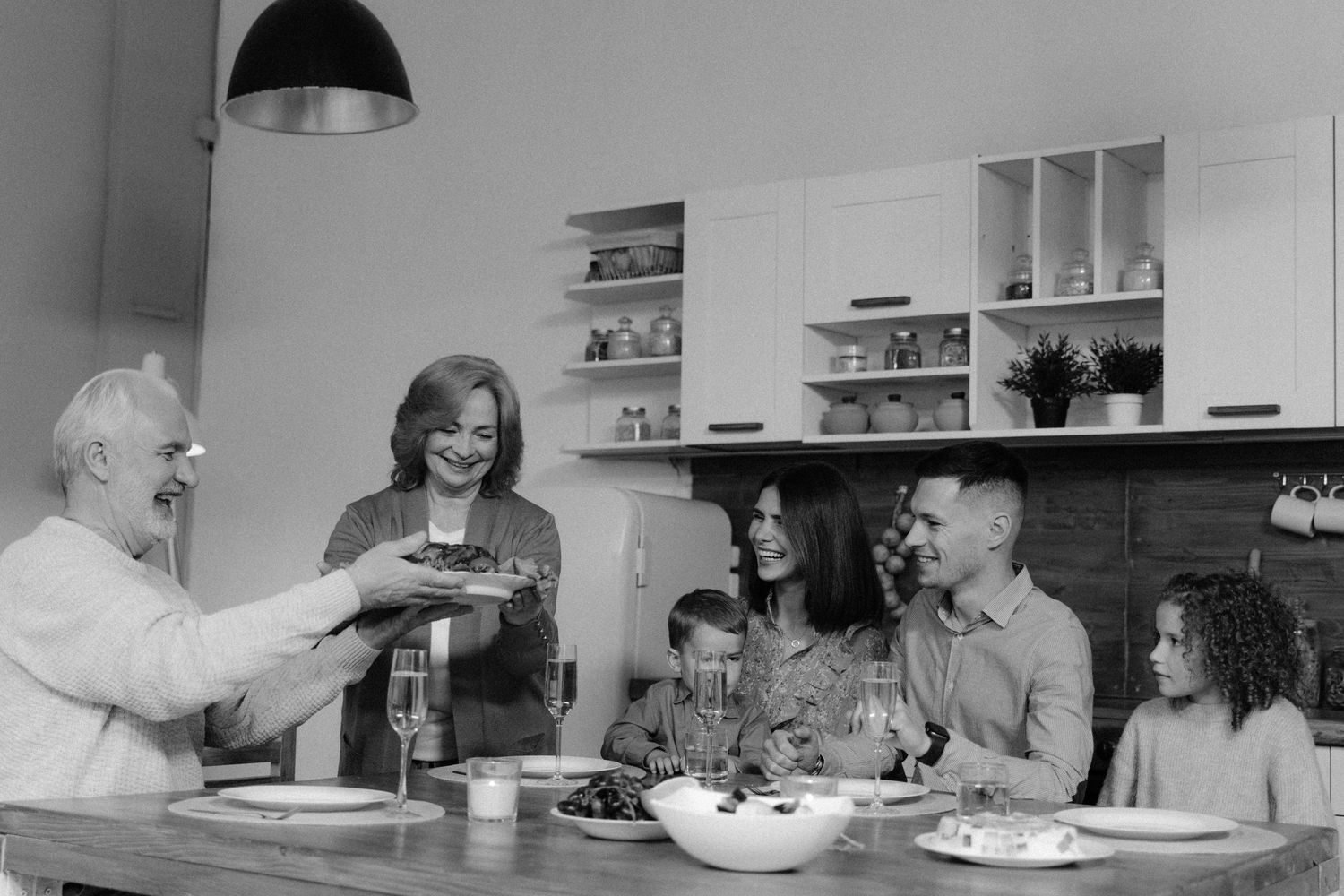
The mechanism is straightforward: meals are social events for most of adult life, built around family dinners or gatherings. When that structure disappears — after a spouse dies or mobility limits outings — the meal itself often shrinks along with the company. Someone who would happily eat a full dinner across the table from a partner may settle for cereal or toast when eating alone becomes the default. Practical ways to rebuild social eating include:
- Schedule regular shared meals, even if it’s just a weekly video call at dinnertime, or one sit-down meal together per week.
- Look into congregate meal programs at local senior centers, which combine food with company.
- Ask about home-delivered meal services. Programs like Meals on Wheels are associated with reduced nutritional risk and, in some studies, reduced loneliness — often because of the accompanying wellness check and human contact, not just the food itself.
- Involve neighbors or a companion service for at least one meal a day if you can’t be there in person.
If your parent’s daily structure is already fairly isolated, treat this as seriously as any other nutrition gap — it often explains a drop in intake that texture or flavor fixes alone won’t solve. FitStrot’s broader look at nutrition in old age covers how to build a daily eating routine that holds up even on days no one else is around.
How much water does an elderly parent actually need, and how do I remind them?
Older adults are less likely to notice thirst due to age-related changes in how the body signals dehydration, which means waiting for your parent to say they’re thirsty is not a reliable strategy. The National Institute on Aging recommends making fluid intake a regular habit built into the day, rather than something triggered by thirst.
Watch for early signs of dehydration, which can be easy to dismiss as “just getting older”: dry mouth or cracked lips, dark yellow urine, fatigue, dizziness, headaches, muscle cramps, and constipation. Left unaddressed, these can progress to confusion, weakness, and a rapid heart rate. Caregiver-friendly ways to build hydration into the day:
- Leave a filled water glass or bottle within arm’s reach, refreshed at set points during the day rather than left to run dry.
- Attach drinking to existing habits — a glass of water with every medication dose, or before and after each meal.
- Offer variety. Herbal tea, diluted juice, milk, and water-rich foods like soup, melon, and cucumber all count toward fluid intake if plain water isn’t appealing.
- Set a simple visual reminder, like a marked pitcher or phone alarm, especially for a parent with memory issues who may genuinely forget they haven’t had anything to drink.
If your parent is on a fluid restriction for heart failure or kidney disease, hydration targets should come from their doctor, not general guidelines.
What are the warning signs that mean it’s time to call a doctor or dietitian?
Some appetite dips are temporary. Others signal something that needs professional attention. Contact a healthcare provider if you notice:
- Unintentional weight loss — generally more than 5% of body weight over 6-12 months is considered clinically significant
- Consistent avoidance of entire food groups (meat, vegetables) due to chewing difficulty
- Coughing, throat-clearing, or a wet voice during or after eating
- Skipping multiple meals per week, or going long stretches without fluids
- New confusion, dizziness, or fatigue that could point to dehydration or a nutrient deficiency
- Visible depression or withdrawal coinciding with reduced eating
A registered dietitian can build a plan tailored to specific medical conditions, medications, and swallowing ability — something a general checklist can’t fully replace. A geriatrician or primary care provider can also rule out underlying medical causes, from thyroid issues to medication side effects, that a change in diet alone won’t fix. For a deeper look at the age-related biology behind muscle loss, slower absorption, and appetite changes, see FitStrot’s guide to geriatric nutrition.

FAQ
What foods are easiest for elderly parents with chewing problems?
Slow-cooked or braised meats, ground meat, fish, scrambled eggs, oatmeal, mashed vegetables, yogurt, and soups tend to work well. Adding broth, gravy, or sauce to drier foods also makes them easier to chew and swallow without switching to a fully pureed diet.
How can I tell if my parent is dehydrated?
Look for dry mouth, cracked lips, dark yellow urine, fatigue, dizziness, headaches, and constipation. In older adults, confusion or unusual weakness can also be signs, since thirst signals weaken with age. If symptoms are more than mild, contact their doctor the same day.
Does eating alone really affect how much an elderly person eats?
Yes. Research consistently links eating alone with reduced intake, less variety, and lower consumption of fruits and vegetables in older adults. Loneliness and social isolation are independent risk factors for malnutrition, separate from any physical illness.
Should I switch my parent to a pureed diet if they’re having trouble chewing?
Not necessarily as a first step. Many people do well with mechanically softened food — chopped, mashed, or slow-cooked until fork-tender — before pureeing becomes necessary. A speech-language pathologist or dietitian can assess whether it’s actually needed.
Are nutritional drinks or shakes a good substitute for meals?
They can be a useful supplement, especially for someone eating very little, but they shouldn’t fully replace whole food long-term. Discuss with a doctor or dietitian how to use them alongside meals rather than instead of them.
Every family’s situation looks different, and changes to texture, hydration, or medical status are worth reviewing with a professional who knows your parent’s full health picture. If you’d like personalized guidance on building an eating plan that actually works for your loved one, consider booking an online nutritionist consultation — a practical next step for caregivers who want a clear, doable plan rather than more general advice.