A gluten-free diet is medically necessary for three groups only: people with celiac disease, non-celiac gluten sensitivity (NCGS), or a diagnosed wheat allergy. If you don’t fall into one of these categories, going gluten-free is not automatically “healthier” — and switching out regular bread, pasta, and flour for packaged gluten-free versions can actually lower the fiber, iron, and B-vitamin content of your diet. This guide is for people who have a real medical reason to start, and it walks through how to transition without falling into the most common beginner traps.
Who actually needs a gluten-free diet?
Gluten-related disorders fall into three distinct categories, and together they affect roughly 5% of the general population, according to research published in the National Institutes of Health’s PMC database. Knowing which one applies to you (ideally confirmed by a doctor, not a symptom checklist) changes how strict you need to be.
Celiac disease
Celiac disease is an autoimmune condition where eating gluten damages the lining of the small intestine, leading to malabsorption of nutrients. The Celiac Disease Foundation estimates celiac disease affects about 1 in 100 people worldwide, yet an estimated 80% of cases in the U.S. remain undiagnosed. For this group, a gluten-free diet isn’t a lifestyle choice — it’s the only available medical treatment, followed strictly and for life, even without obvious symptoms after eating gluten.
Non-celiac gluten sensitivity (NCGS)
NCGS is diagnosed when someone has real, reproducible symptoms after eating gluten — bloating, abdominal pain, fatigue, headaches, or brain fog — but tests negative for both celiac disease and wheat allergy. It’s a genuine clinical entity, though researchers are still refining exactly what triggers it (gluten itself, or other wheat components like FODMAPs). If you suspect NCGS, get celiac disease ruled out first through blood tests before cutting gluten, since those tests become inaccurate once you’ve already stopped eating it.
Wheat allergy
This is a true IgE-mediated food allergy — the immune system reacts to wheat proteins, sometimes within minutes, with symptoms ranging from hives to, in severe cases, anaphylaxis. People with wheat allergy need to avoid wheat but may tolerate gluten from other sources like barley or rye, a different restriction than celiac disease or NCGS.
Is gluten-free actually healthier for everyone else?
No — and this is the single biggest myth around this diet. If you don’t have celiac disease, NCGS, or a wheat allergy, there is no evidence that removing gluten improves your health, and it may work against you. A 2019 review in the Journal of Nutrition and Metabolism concluded that a gluten-free diet is “not an appropriate choice without a medical diagnosis,” largely because commercial gluten-free products tend to be lower in fiber and B vitamins and higher in sugar and refined starch than the whole-grain foods they replace.
Whole wheat, barley, and rye are meaningful sources of fiber, thiamin, riboflavin, niacin, iron, and folate in a typical diet. When people without a medical need cut gluten and swap in processed gluten-free bread, crackers, and pasta, they often lose those nutrients without gaining anything back — while frequently paying more per item. Gluten itself isn’t fattening or inflammatory for the general population; the “gluten-free equals healthy” association mostly comes from marketing, not physiology. If weight loss or general wellness is your goal, a registered dietitian can point you toward changes with actual evidence behind them.
How do you start transitioning to gluten-free eating?
Once a doctor has confirmed you need to go gluten-free, the transition works best in stages rather than an overnight overhaul of your kitchen.
- Get confirmed testing before you cut gluten. If celiac disease is even a possibility, do the blood test (and possibly biopsy) while still eating gluten normally — removing it early can produce a false negative.
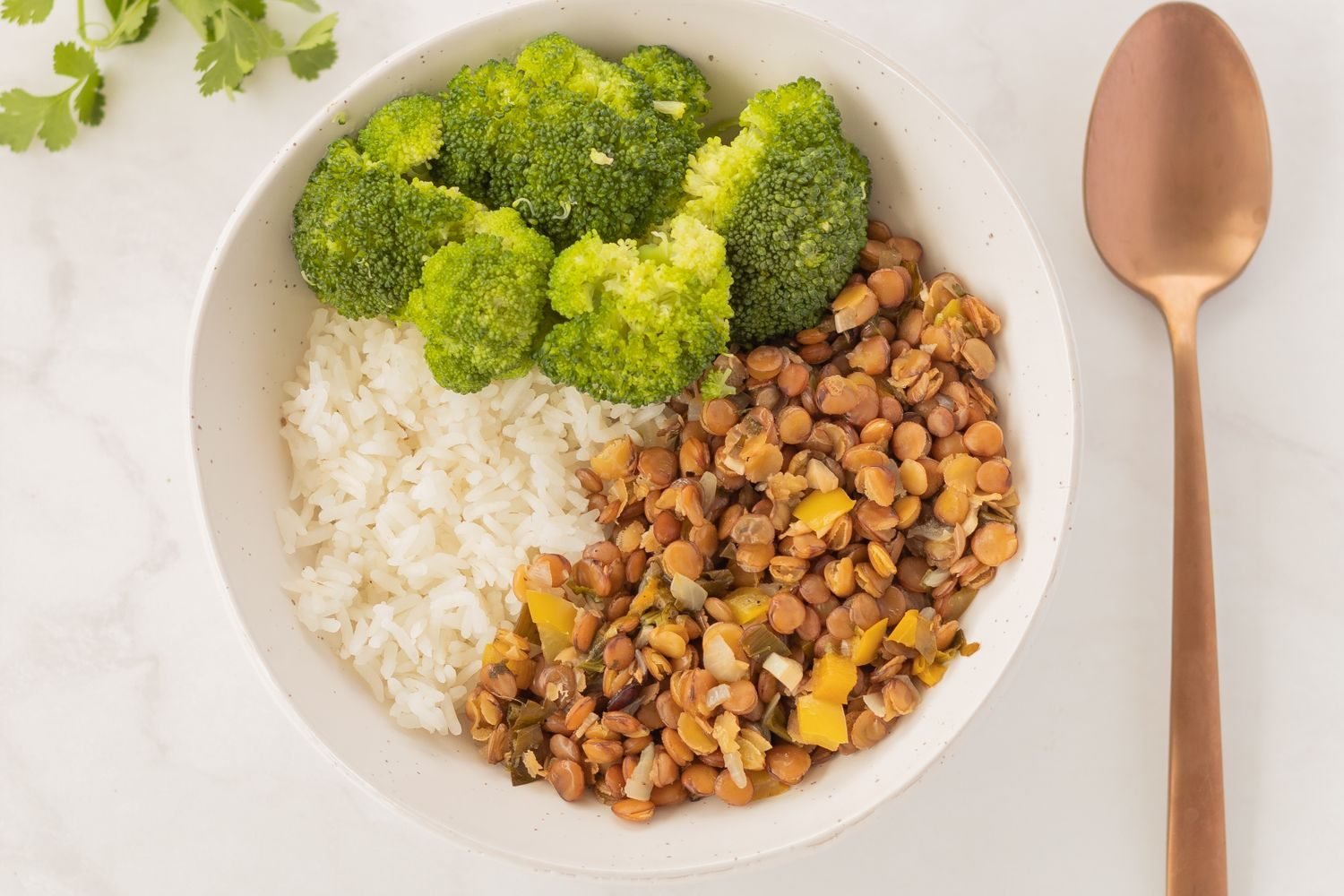
- Start with naturally gluten-free whole foods. Build meals around foods that were never made with gluten in the first place: rice, potatoes, lentils, chickpeas, most dals, fruits, vegetables, eggs, plain dairy, fish, and meat. This is a far more nutrient-dense starting point than jumping straight to packaged substitutes.
- Learn your safe grains and flours. Quinoa, buckwheat (kuttu), amaranth (rajgira), rice, millets like jowar and bajra, and certified gluten-free oats are naturally gluten-free. A closer look at which flours work best for cooking and baking can save a lot of trial and error.
- Clear out obvious cross-contamination risks at home. Shared toasters, cutting boards, and even a butter tub that’s been double-dipped with a bread knife can carry enough gluten to trigger symptoms in celiac disease.
- Plan your first two weeks of meals before you shop. Having a rough plan prevents the common trap of defaulting to whatever gluten-free packaged product is easiest to grab.

How do you read labels for hidden gluten?
Hidden gluten is where most beginners get caught out, because it shows up in products that don’t look like obvious wheat foods.
- Check the ingredient list every time, not just once. Manufacturers reformulate products, so a brand that was gluten-free last year may not be now.
- Watch for wheat, barley, rye, malt, and their derivatives. Malt vinegar, malt extract, and barley malt are common sneaky sources in cereals, sauces, and beverages.
- Be cautious with soy sauce, bouillon cubes, and asafoetida (hing). Standard hing is often cut with wheat flour as a filler — look for labels marked gluten-free.
- Watch for “may contain traces of wheat” warnings. These matter far more for celiac disease and wheat allergy, since even small cross-contact amounts can trigger a reaction.
- Look for a certified gluten-free seal where possible. Certification means the product has been tested below a defined threshold, which plain label claims don’t always guarantee.
- Don’t assume “healthy” packaging means gluten-free. Granola bars, protein powders, ice cream, and spice blends can contain wheat-based thickeners or coatings.
For a practical shopping reference organized by food category, a dedicated gluten-free foods list is worth keeping on your phone for your first few grocery runs.
What mistakes do beginners make on a gluten-free diet?
Most of the friction in the first few months isn’t about avoiding gluten — it’s about what people replace it with.
Relying too heavily on processed substitutes
This is the mistake worth repeating: gluten-free breads, cookies, pastas, and snacks are convenient, but many are made from refined rice starch, tapioca starch, or corn starch with little fiber or protein. A review in Nutrients found gluten-free product reformulation has improved in recent years, but many packaged options still lag behind their whole-grain counterparts on fiber and come with more added sugar to improve taste and texture. Treat these products as occasional convenience items, not the foundation of your diet.
Not tracking fiber, iron, and B vitamins
Because wheat-based foods are a major source of iron, folate, and B vitamins in many diets, cutting them out can create gaps if you’re not deliberate about replacing them. Lentils, beans, leafy greens, nuts, seeds, and iron-rich foods like eggs and lean meat help close this gap. If you have celiac disease, your doctor may also check for deficiencies at diagnosis and periodically afterward, since intestinal damage itself can cause malabsorption independent of diet.
Assuming “gluten-free” means “diet food”
Gluten-free cookies and chips are still cookies and chips. Portion sizes and overall diet quality still matter.
Skipping cross-contamination precautions
For celiac disease and wheat allergy specifically, trace amounts matter. Frying gluten-free items in oil previously used for battered foods, or using a shared cutting board, can be enough to cause a reaction even if the food itself was gluten-free.
Going it alone without guidance
A newly diagnosed condition plus a full dietary overhaul is a lot to manage solo. Working with a professional in the first few months — through an online nutritionist consultation — helps you build a meal plan that covers your nutrient needs while you’re still learning which brands are safe.
What does a sample first-week gluten-free meal plan look like?
The goal in week one isn’t perfection — it’s building a rotation of meals you know are safe so you’re not troubleshooting every meal from scratch.
| Meal | Gluten-Free Options |
|---|---|
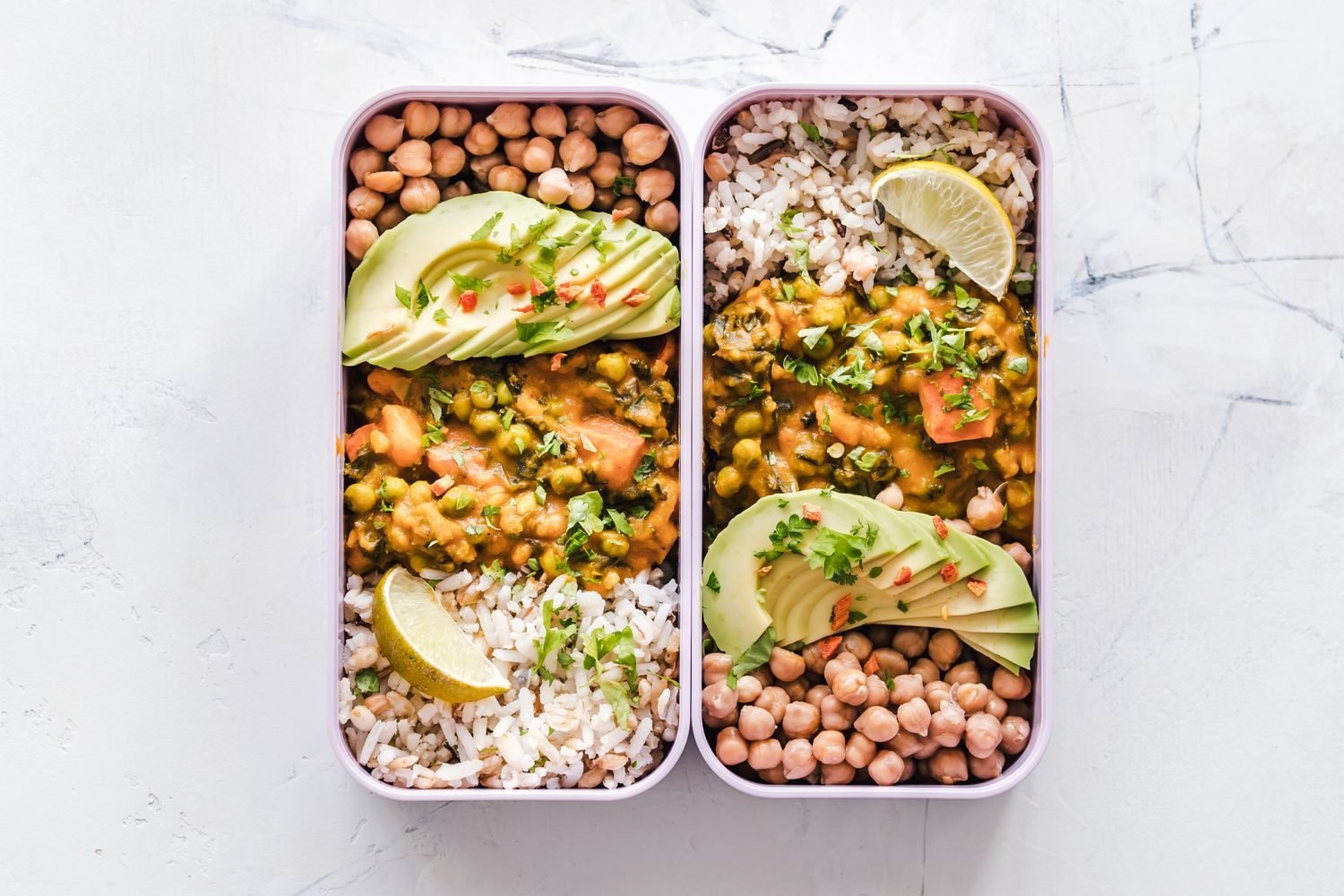
| Breakfast | Vegetable poha with certified gluten-free flattened rice, besan (chickpea flour) chilla, eggs with sautéed vegetables, or a smoothie with fruit, yogurt, and gluten-free oats |
| Lunch | Rice or quinoa with dal, a vegetable sabzi, and curd; or a large salad with grilled chicken or paneer and a rice-based side |
| Dinner | Grilled fish or tofu with roasted vegetables and a millet-based roti (jowar or bajra, confirmed gluten-free); or khichdi with rice and moong dal |
| Snacks | Roasted chana, fruit, nuts, plain yogurt, or rice cakes with peanut butter |
Notice how few of these rely on packaged gluten-free substitutes — that’s intentional. Building your plate around naturally gluten-free whole foods first, and treating specialty products as an occasional add-on, is the most reliable way to avoid the fiber and micronutrient gaps that trip up so many beginners.
How long does it take to feel better after going gluten-free?
For people with celiac disease, many notice digestive symptoms improving within a few weeks, though full intestinal healing can take months to a couple of years, especially in adults. For NCGS, symptom relief is often faster — sometimes within days — once gluten is fully removed. Patience matters: occasional accidental exposure is common while you’re still learning to read labels, and a single slip doesn’t undo your progress. Understanding the basics of how digestion works makes it easier to understand why symptoms fluctuate during the adjustment period.
Frequently asked questions
Do I need to be tested before going gluten-free, or can I just try it?
If celiac disease is a possibility, get tested first. Cutting gluten before testing can produce a false-negative result, since the blood tests and biopsy rely on active gluten exposure. Talk to a doctor before eliminating gluten if you have digestive symptoms you haven’t had evaluated.
Can I follow a gluten-free diet just to lose weight?
There’s no research showing gluten itself causes weight gain, so going gluten-free isn’t a reliable weight-loss strategy on its own. Weight loss on a gluten-free diet usually comes from cutting processed foods generally, not from removing gluten specifically — and packaged gluten-free substitutes can be just as calorie-dense as their wheat-based counterparts.
Are oats gluten-free?
Oats are naturally gluten-free, but they’re frequently cross-contaminated with wheat during growing or processing. Look specifically for oats labeled “certified gluten-free” if you have celiac disease or wheat allergy, since regular oats often aren’t safe for you even though the grain itself doesn’t contain gluten.
What’s the difference between celiac disease and a wheat allergy?
Celiac disease is an autoimmune reaction to gluten that damages the intestine over time, even without immediate symptoms. A wheat allergy is an immune (IgE) reaction to wheat proteins specifically, which can cause fast-onset symptoms like hives or swelling and, in some cases, requires avoiding only wheat rather than all gluten sources.
Will a gluten-free diet leave me deficient in nutrients?
It can, particularly in fiber, iron, folate, and B vitamins, if it leans heavily on processed gluten-free substitutes instead of naturally gluten-free whole foods like legumes, vegetables, and unrefined grains such as quinoa and millets. Building meals around whole foods first significantly reduces this risk.
How strict do I need to be about cross-contamination?
For celiac disease and wheat allergy, quite strict — even small trace amounts can trigger an immune reaction or allergic response. For NCGS, sensitivity varies by person, and some can tolerate minor cross-contact better than others, though it’s still worth minimizing where practical.
Starting a gluten-free diet is a significant adjustment, and getting the nutritional balance right in the first few months makes a real difference to how you feel. If you’d like a plan built around your specific diagnosis, tastes, and daily routine, an online nutritionist consultation can help you get there without the trial and error.