The main function of carbohydrates in nutrition is to supply the body’s cells, especially the brain, with readily usable energy in the form of glucose. Beyond fueling cells directly, carbohydrates get stored as glycogen in your liver and muscles for later use, spare protein from being broken down for fuel, and — in the case of fiber — support digestion and gut health without being absorbed at all. Understanding what carbohydrates actually do, rather than just how they’re classified, explains why cutting them out entirely changes how your body runs.
What is the main function of carbohydrates in the body?
Carbohydrates exist primarily to be converted into glucose, the molecule your cells use to produce ATP — the energy currency that powers everything from muscle contraction to nerve signaling. When you eat carbohydrate-containing foods, digestive enzymes break most of them down into glucose, which enters the bloodstream and gets delivered to tissues throughout the body.
Every cell can use glucose for energy, but some tissues depend on it more than others. Red blood cells rely on glucose almost exclusively because they lack mitochondria, the structures needed to burn fat for fuel. Muscle, the kidneys, and other organs flexibly switch between glucose and fat depending on demand. This flexibility is part of why carbohydrate function differs from protein or fat function — carbs are the body’s fast-access fuel, built for tissues that need energy on demand. For a deeper look at how much of each nutrient the body needs, see our guide on the nutritional value of carbohydrates.
Why does the brain need glucose to function?
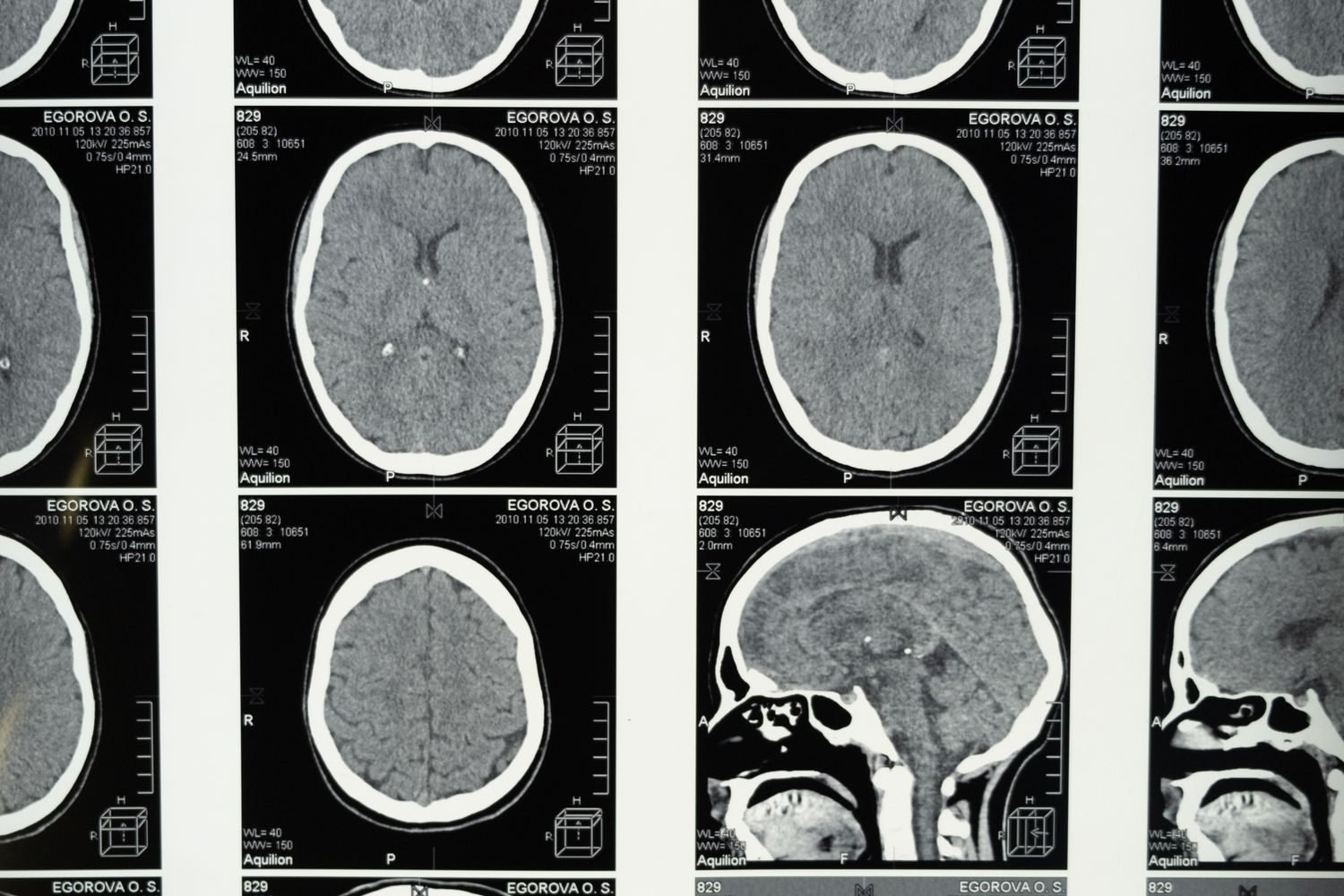
The brain is the single biggest consumer of glucose in the body. Despite making up only about 2% of body weight, the brain uses roughly half of all the glucose the body burns, and it consumes approximately 120 grams of glucose per day under normal conditions, according to research summarized in NIH’s Neurochemistry resource. That’s a striking share for one organ, reflecting how energy-hungry neurons are — they fire constantly, and each signal requires ATP to reset ion gradients across cell membranes.
Under typical eating patterns, glucose is essentially the brain’s default and near-exclusive fuel. Brain tissue has very limited capacity to store energy locally, so it depends on a continuous supply from the bloodstream. When blood glucose drops too low, cognitive function suffers quickly — concentration slips, mood shifts, and in more severe cases, confusion or dizziness can set in. This is why carbohydrate intake affects mental sharpness and mood so directly; the connection isn’t anecdotal, it’s a matter of fuel supply to the organ that runs the whole show.
What happens if the brain doesn’t get enough glucose?
The body has backup systems. The liver can manufacture glucose from non-carbohydrate sources through gluconeogenesis, and after a few days without carbohydrates, the brain can adapt to run partly on ketone bodies instead. But under normal day-to-day eating, glucose remains the brain’s primary and preferred fuel, and stable blood sugar is central to consistent mental performance.
How does the body store carbohydrates for later use?
Not all the glucose you eat gets used immediately. Extra glucose is packaged into a storage molecule called glycogen, which is essentially thousands of glucose units chained together for compact storage. Glycogen is kept primarily in two places: the liver and skeletal muscle.
The two stores serve very different jobs:
- Liver glycogen acts as a buffer for blood sugar. The liver can hold roughly 350 grams of glycogen in an average adult and releases glucose back into the bloodstream between meals, overnight, and during light activity to keep blood sugar stable for the whole body, including the brain.
- Muscle glycogen is more selfish by design. An average adult stores around 90 grams of glycogen in skeletal muscle, but unlike liver glycogen, muscle cells lack the enzyme needed to release that glucose into the bloodstream. It stays local — used only by the muscle fiber that stored it, mainly during exercise.
This is why muscle glycogen is such a central topic in sports nutrition: during prolonged moderate-to-high-intensity exercise, muscle glycogen can supply more than half of total energy needs. Once those stores run low, endurance and power output tend to drop — the physiological basis for pre-event carb loading in endurance sports.
What is the protein-sparing effect of carbohydrates?
One of the more underappreciated functions of carbohydrates is protecting muscle tissue. When carbohydrate and glycogen stores are adequate, the body preferentially burns glucose and fat for energy, leaving dietary and muscle protein alone to do its actual job: building and repairing tissue, supporting enzymes, and maintaining the immune system.
When carbohydrate intake drops too low, that changes. The brain and a few other glucose-dependent tissues still need a steady supply, so the body turns to gluconeogenesis, manufacturing glucose from amino acids — many of which come from breaking down muscle protein. To fully fuel the brain’s roughly 110–120 grams of daily glucose needs through gluconeogenesis alone would theoretically require breaking down something in the range of 160–200 grams of protein per day, a substantial amount of lean tissue. This is the mechanism behind the “protein-sparing” role of carbohydrates: adequate carb intake reduces how much protein the body needs to sacrifice for fuel. It’s a big reason athletes trying to preserve muscle mass while cutting calories watch carbohydrate timing, not just protein intake. For the bigger-picture math, our piece on nutrition and calories covers how the three macronutrients interact within a daily energy budget.
What happens to the body during carbohydrate restriction?
When carbohydrate intake is low for an extended period — typically after a couple of days of very restricted intake — the body shifts its fuel strategy. Liver and muscle glycogen stores deplete, blood glucose from food becomes scarce, and the liver begins converting fat into molecules called ketone bodies as an alternative fuel source. This metabolic state is known as ketosis.
Ketone bodies are notable because they’re one of the few fuels besides glucose that can cross the blood-brain barrier in meaningful amounts. During prolonged fasting or sustained carbohydrate restriction, research indicates ketone bodies can supply up to 60% of the brain’s energy needs, easing the burden on gluconeogenesis and reducing how much muscle protein needs to be broken down for fuel. This is the physiological logic some very-low-carbohydrate approaches rely on for preserving lean mass during weight loss.
It’s worth stating plainly: this describes what happens metabolically, not an endorsement or a warning about low-carb diets specifically. Some people do well eating fewer carbohydrates and relying more on ketosis; others feel and perform better with steadier carbohydrate intake supporting glycogen stores. Whether carbohydrate restriction fits a given goal depends on activity level, health status, and personal response — worth discussing with a professional rather than deciding from general rules. If you’re weighing how much carbohydrate your body actually needs, an online nutritionist consultation can help translate the physiology into a plan suited to you.
Does everyone respond to low-carb eating the same way?
No. Factors like muscle mass, training volume, insulin sensitivity, and even genetics affect how efficiently someone shifts into and utilizes ketosis. Endurance athletes with high glycogen demands often notice performance drops on very low carbohydrate intakes, while others adapt without much disruption to daily function.
What role does fiber play that other carbohydrates don’t?
Fiber is technically a carbohydrate, but it behaves nothing like sugar or starch once it reaches your gut. Human digestive enzymes can’t break most fiber down, so instead of being absorbed as glucose, fiber travels largely intact into the large intestine, where it performs a different set of functions entirely.
Once in the colon, fiber is fermented by resident gut bacteria, producing short-chain fatty acids such as acetate, propionate, and butyrate. These aren’t just fermentation byproducts — they serve as a primary fuel source for the cells lining the colon and help maintain the gut barrier and a balanced microbial community. Fiber also adds bulk to stool and can slow the absorption of glucose from other carbohydrates eaten in the same meal, moderating post-meal blood sugar spikes.
Because fiber isn’t broken down into usable glucose the way starches and sugars are, it doesn’t contribute to blood sugar or glycogen storage the same way. Its function is almost entirely about gut health, digestion, and the downstream effects of a healthy microbiome. For a full breakdown of fiber types and how much to aim for, see our dedicated guide to fiber nutrition.

How do carbohydrate functions differ from carbohydrate types?
It’s easy to conflate what carbohydrates are with what they do, but they answer different questions. Classification sorts carbohydrates by chemical structure — simple sugars, starches, and fiber — and explains how quickly each is digested. Function is about the job each of those forms does once inside the body: fueling cells, refilling glycogen, sparing protein, or feeding gut bacteria.
Both pieces matter together. A fast-digesting sugar and a slow-digesting starch can both become glucose and serve the same energy function, but the speed at which they do so affects blood sugar response and how quickly glycogen gets replenished. If you want the structural side — exactly how monosaccharides, disaccharides, and polysaccharides differ — our companion article on the classification of carbohydrates in nutrition covers that in detail.
Frequently Asked Questions
Do carbohydrates serve any function besides providing energy?
Yes. Beyond fueling cells, carbohydrates are stored as glycogen for use between meals and during exercise, they spare protein from being broken down for energy, and fiber specifically supports digestion, gut bacteria, and stool regularity — functions unrelated to direct energy supply.
Can the body function without any dietary carbohydrates?
The body can adapt to very low carbohydrate intake by relying on gluconeogenesis and ketone bodies for fuel, including for the brain. It’s a functional adaptation, not a preference-free state — some tissues and activities are more efficient with adequate glycogen available.
Why do athletes talk about glycogen so much?
Muscle glycogen can supply more than half of the energy used during sustained moderate-to-high-intensity exercise. When stores run low, performance and endurance typically decline, which is why glycogen management is central to training and competition nutrition.
Is fiber’s function different from sugar or starch?
Yes. Sugar and starch are digested into glucose for energy and glycogen storage. Fiber largely resists digestion and instead ferments in the colon, feeding gut bacteria and producing compounds that support intestinal health, without directly contributing glucose to the bloodstream.
What does the protein-sparing effect actually mean day to day?
It means that when you eat enough carbohydrate to meet your energy needs, your body doesn’t need to break down muscle protein for fuel. This matters most for people trying to preserve lean mass while in a calorie deficit or during heavy training.
Carbohydrate needs vary by activity level, goals, and individual metabolic response, so general numbers only go so far. If you want a nutrition plan built around how your body actually uses carbohydrates for energy, storage, and recovery, an online nutritionist consultation can help you get specific.