Yes, you can take whey protein without working out. Whey is just a food source, a fast, convenient way to get protein into your diet, and your body doesn’t check your gym attendance before absorbing amino acids. That said, it won’t build muscle by itself. If you’re sedentary and already hitting your protein target through meals, an extra scoop mostly adds calories you don’t need. It genuinely helps people who fall short on protein day to day: busy professionals skipping meals, older adults losing muscle mass, or anyone recovering from illness or surgery. For everyone else, whole food usually does the job just as well.
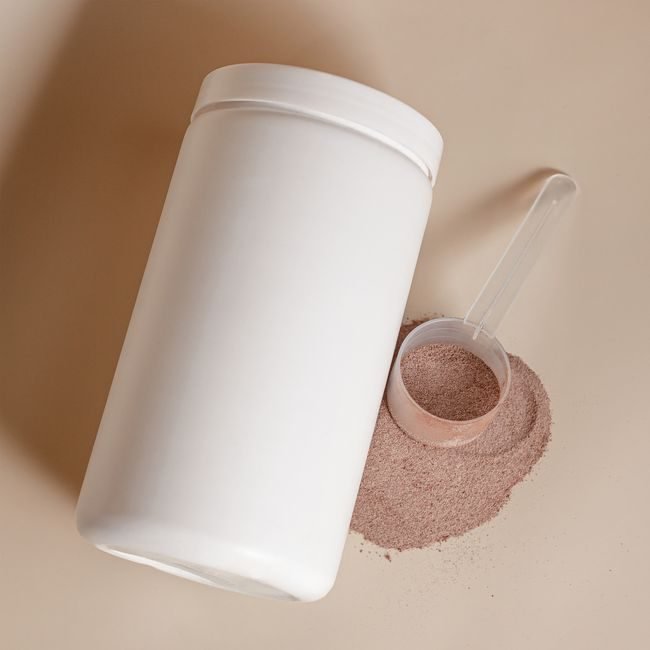
Is It Okay to Take Whey Protein Without Working Out?
We get this question constantly, often phrased as “can we take whey protein without workout” or “can I take protein powder without working out.” The short answer is that it’s completely fine from a safety standpoint. Whey protein is derived from milk during cheese production. It’s food, not medicine, and there’s nothing in it that requires you to be mid training block to consume safely.
What changes without exercise is the purpose it serves. Protein without a training stimulus won’t build muscle. Your body needs a reason to use those amino acids for repair and growth, and that reason is mechanical tension from resistance training. Without it, whey just becomes another source of dietary protein, similar to eating an extra egg or a bit more paneer with lunch. It’s not wasted, but it’s not doing anything special either.
What Does Whey Protein Actually Do in Your Body?
Whey is a complete protein, meaning it has all nine essential amino acids your body can’t make on its own. Once digested, those amino acids get used for things like repairing tissue, supporting immune function, making enzymes and hormones, and yes, building muscle when there’s a training stimulus present.
What whey doesn’t do is burn fat on its own, boost your metabolism in any meaningful way, or work as some kind of standalone supplement magic. It’s protein powder. The “powder” part just makes it quick to mix and drink, which is honestly the whole appeal. No cooking, no chewing, twenty grams of protein in under a minute.
Who Actually Benefits From Whey Protein Supplementation?
Some people get real, practical value from adding whey to their day even without a structured workout plan:
- People who fall short on protein through food alone. Vegetarians relying heavily on dal and roti, people skipping breakfast, or anyone whose diet leans carb heavy often land well under their protein target.
- Older adults. Muscle mass declines with age regardless of activity level, and higher protein intake helps slow that loss.
- People recovering from illness, surgery, or injury. Protein needs go up during recovery, and appetite often goes down, so a shake can fill the gap.
- Anyone with a genuinely busy schedule. A shake beats skipping a meal entirely.
We see this a lot with new clients who’ve never touched a weight but have been drinking a protein shake every morning for years out of habit. It’s not hurting them, but it’s also not doing what they assumed it was doing. Once we get them into a structured beginner workout plan, that same shake finally starts contributing to actual muscle growth instead of just sitting in their daily calorie count.
How Much Protein Do You Actually Need Each Day?
General guidance for sedentary adults is roughly 0.8 to 1 gram of protein per kilogram of bodyweight daily, just to maintain basic tissue repair and health. That number climbs for anyone following a structured muscle workout plan, commonly cited in the range of 1.6 to 2.2 grams per kilogram, since muscle repair demand goes up significantly.
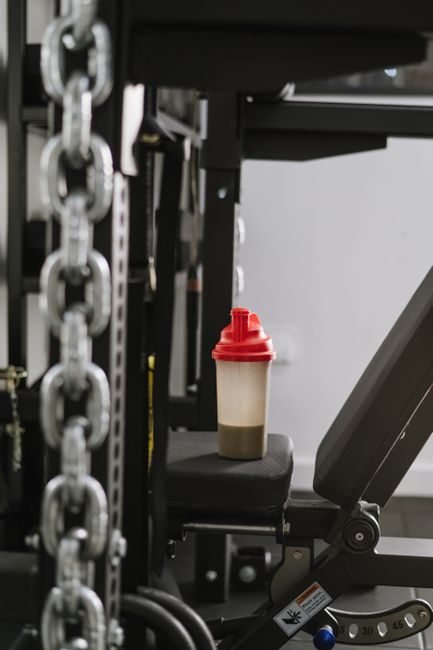
| Activity Level | Approx. Protein Need (g/kg bodyweight) | Does Whey Protein Help? |
|---|---|---|
| Sedentary, no exercise | 0.8 – 1.0 | Only if diet is already protein deficient |
| Lightly active (walking, daily chores) | 1.0 – 1.2 | Useful as a convenient top-up, not essential |
| Strength training 2-3x/week | 1.4 – 1.6 | Genuinely helpful for muscle repair and growth |
| Strength training 4-6x/week | 1.6 – 2.2 | Highly useful, hard to hit target with food alone |
| Cutting/fat loss phase | 1.8 – 2.4 | Helps preserve muscle while eating less overall |
If you’re in the sedentary or lightly active columns and already eating enough protein through meals, adding whey on top just means extra calories with no additional benefit. Track your food for a few days before assuming you need a supplement at all.
Whey Protein vs Whole Food Protein: Which Should You Choose?
Whey isn’t superior to food protein, it’s just faster and more convenient. Here’s how they actually compare.
| Factor | Whey Protein | Whole Food (eggs, dal, paneer, chicken) |
|---|---|---|
| Speed of prep | Under a minute | 10-30 minutes typically |
| Digestion | Fast, absorbed quickly | Slower, more sustained release |
| Satiety (fullness) | Low to moderate | High, keeps hunger away longer |
| Micronutrients | Minimal beyond protein | Comes with fiber, vitamins, minerals |
| Cost per gram of protein | Moderate to low | Varies, often higher for meat sources |
| Best use case | Filling gaps, post workout, on the go | Everyday primary protein source |
Our general take with clients is to treat whole food as the foundation and whey as the backup plan for the days meals don’t line up. Neither one is wrong, they just serve different purposes.
Can I Take Whey Protein Before a Workout, and Does Timing Matter Without Exercise?
Whey protein before workout is a common question, and it’s fine to have a shake beforehand if that suits your schedule better than a full meal. It won’t hurt performance and gives you amino acids in circulation while you train. That said, protein alone before training isn’t the same as a proper pre-workout meal, which should include carbs for energy too, not just protein.
If you’re not working out at all, timing becomes almost irrelevant. Your body doesn’t care whether you drink your shake at 7am or 7pm when there’s no training session to fuel or repair from. Total daily protein intake matters far more than the clock. This is one area where people overthink things that don’t actually matter much outside a training context.
Should You Take Protein Before or After a Workout?
When you are training, the honest answer is that both work, and the difference between them is smaller than supplement marketing suggests. What matters most is getting adequate protein somewhere in the hours surrounding your session, not hitting some exact 30-minute window. If you trained fasted or on an empty stomach, having protein afterward helps kickstart recovery. If you prefer eating before you train, that works too, as long as total daily intake is on track.
For actual post-training recovery, we’d rather see clients build a solid after workout food habit that combines protein with carbs, rather than obsessing over the exact minute they drink a shake. Real food after training also helps with muscle glycogen replenishment in a way protein powder alone doesn’t.
Can I Take Creatine as a Pre Workout Instead?
This question comes up alongside protein a lot, and it deserves a separate answer because creatine works completely differently. Creatine isn’t a protein source at all, it’s a compound your body uses to regenerate ATP, your muscles’ quick energy currency, which helps with strength and power output during short, intense efforts.
You can technically take creatine before training, but timing doesn’t matter much here either since creatine works by saturating your muscle stores over days and weeks of consistent use, not from a single pre-workout dose. Taking it daily, whether before or after training, works just as well as timing it precisely beforehand. If you’re exploring pre-workout supplements generally, know that creatine and caffeine-based pre-workouts serve different goals: one builds up over time for strength and power, the other gives a short-term energy and focus boost for that specific session. As for how much pre workout should i take, stick to the labeled serving size on caffeine-based products and start on the lower end if you’re new to them, since sensitivity varies a lot person to person.
What Common Mistakes Do People Make With Protein Supplementation?
- Assuming more protein equals more muscle. Beyond your target range, extra protein doesn’t build extra muscle. Muscle growth needs a training stimulus, protein just supports it.
- Using whey to replace meals instead of supplementing them. A shake shouldn’t be your only source of nutrition for the day. You lose out on fiber, micronutrients, and satiety.
- Not tracking actual intake. Most people either overestimate or underestimate how much protein they’re already eating. Guessing leads to unnecessary supplementing or genuine shortfalls.
- Buying pre-workout blends for the protein content. Pre-workout formulas are built around caffeine and stimulants, not protein. Don’t confuse the two categories.
- Ignoring training altogether. If the goal is building muscle or getting stronger, no amount of protein powder replaces actual resistance training.
If your real goal is building muscle or getting stronger rather than just topping up your diet, protein powder is only ever going to be a supporting player. The training program is what does the heavy lifting, literally. That’s where working with a coach who can build a plan around your actual body and schedule makes the difference between guessing and progressing. Our 1-on-1 personal training programs are built exactly for that, pairing the right training stimulus with nutrition guidance that actually fits your life instead of a generic template.
Frequently Asked Questions
Can I take whey protein without working out?
Yes. Whey is a food source, not a supplement that requires exercise to be safe. Without training, it simply adds to your daily protein intake rather than building muscle. It’s most useful if your diet already falls short on protein.
Can I take protein powder without working out?
Yes, protein powder is fine to use without a workout routine. It behaves like any other protein-rich food. It can help older adults, busy people, or those recovering from illness meet their daily protein needs, but it won’t build muscle without training.
Can I take whey protein before a workout?
Yes, having whey before training is safe and can work well if a full meal isn’t practical. For better energy during your session, pair it with some carbs rather than relying on protein alone, since carbs fuel performance more directly than protein does.
Should I take protein before or after a workout?
Both timings work. What matters most is total daily protein intake, not the exact window around your workout. After training, pairing protein with carbs supports recovery well, but a slightly earlier or later shake won’t make or break your results.
Can I take creatine as a pre workout?
You can, but creatine works through daily consistency rather than pre-workout timing. It builds up in your muscles over days and weeks, so taking it before training isn’t required, daily use at any time of day gets you the same strength and power benefits.