Good after workout food is a mix of protein and fast-digesting carbs eaten within 30 to 60 minutes of finishing your session, think a whey shake with a banana, or paneer bhurji with two rotis. The protein helps repair the muscle fibres you just broke down, and the carbs refill the glycogen your body burned through. At FitStrot, we build this timing into every client’s plan because the food choices around a workout matter almost as much as the workout itself. Get this window right consistently and you recover faster, feel less sore, and actually see the muscle or fat loss results you’re training for.
Why Does What You Eat Around a Workout Actually Matter?
Training breaks your muscles down. Food is what rebuilds them. If you skip proper workout food before and after your sessions, you’re leaving a big part of the results on the table, no matter how hard you push in the gym.
Pre workout food gives you the fuel to lift heavier, run longer, or push through that last set without your energy crashing halfway through. After workout food does the repair work, it stops muscle breakdown and starts the recovery process so you’re ready to train again in a day or two instead of feeling wrecked for a week. Both matter. Most people only think about one half of this equation, usually the post-workout shake, and completely ignore what they ate two hours before they even walked into the gym.
What Should You Eat Before a Workout?
The best food before workout sessions is high in quick-digesting carbs, moderate in protein, and low in fat and fibre. Fat and fibre slow digestion down, which is exactly what you don’t want sitting in your stomach while you’re doing squats or sprints. Your goal with a pre-workout meal is simple: give your muscles glycogen to burn without weighing your gut down.
If you’re eating a full meal 2 to 3 hours before training, good options include:
- Roti or rice with dal and a small portion of paneer or chicken
- Poha with peanuts and a boiled egg on the side
- Oats with milk and a banana
- Curd rice with a handful of sprouts
These give you a steady mix of carbs and protein without loading you up on fat that’ll still be digesting when you’re mid-workout.
What’s the Best Pre-Workout Food for Energy When You’re Short on Time?
If you’re training within 30 to 45 minutes, you don’t want a full meal in your stomach. This is where a quick, easily digestible snack works better than anything heavy. Some of our go-to options for energy food before workout sessions:
- A banana, plain or with a small spoon of peanut butter
- A slice or two of toast with honey
- Dates, 3 to 4 pieces, for a fast glucose hit
- A glass of coconut water with a pinch of salt
If you’d rather sip something than chew, a homemade pre workout drink made with things like lemon, honey, and a touch of sea salt does the job without any of the artificial stimulants you’d get from a packaged product. And if you’re someone who trains early morning on an empty stomach and needs a bit more of a kick, it’s worth reading up on pre-workout supplements to understand what’s actually useful versus what’s just marketing.
What Should You Eat After a Workout?
The best food after workout combines protein with carbs, and the ratio matters less than people think. What matters more is that you’re getting both, and you’re not waiting three or four hours to eat. Some of the best post workout food combinations we recommend to clients:
- Whey protein shake with a banana
- Paneer bhurji with two rotis
- Grilled chicken breast with rice and a bowl of dal
- Boiled eggs with a slice of toast
- Greek yogurt or curd with fruit and a spoon of oats
- Sprouts salad with a boiled egg or a small piece of paneer
Notice these are all things you can find in a regular Indian kitchen. You don’t need imported superfoods or an expensive supplement stack to nail your post-workout food, you need a plate that has protein and carbs on it, eaten soon after you finish.
How Soon After Training Should You Eat?
Aim to eat within 45 minutes to an hour of finishing your session. This isn’t some rigid rule where missing it by ten minutes ruins your gains, your muscles stay receptive to nutrients for a few hours after training, not just a narrow five-minute window. But sooner is still better, especially if your next meal is far away or you trained fasted.
We see this most clearly with clients who train in the evening and then go straight into a long commute without eating anything. They show up to their next session more sore, more fatigued, and slower to add weight on the bar compared to clients who get a shake or a proper meal in within the hour. The gap between finishing your workout and actually eating is where a lot of progress quietly leaks away.
Sample Pre and Post Workout Food Table
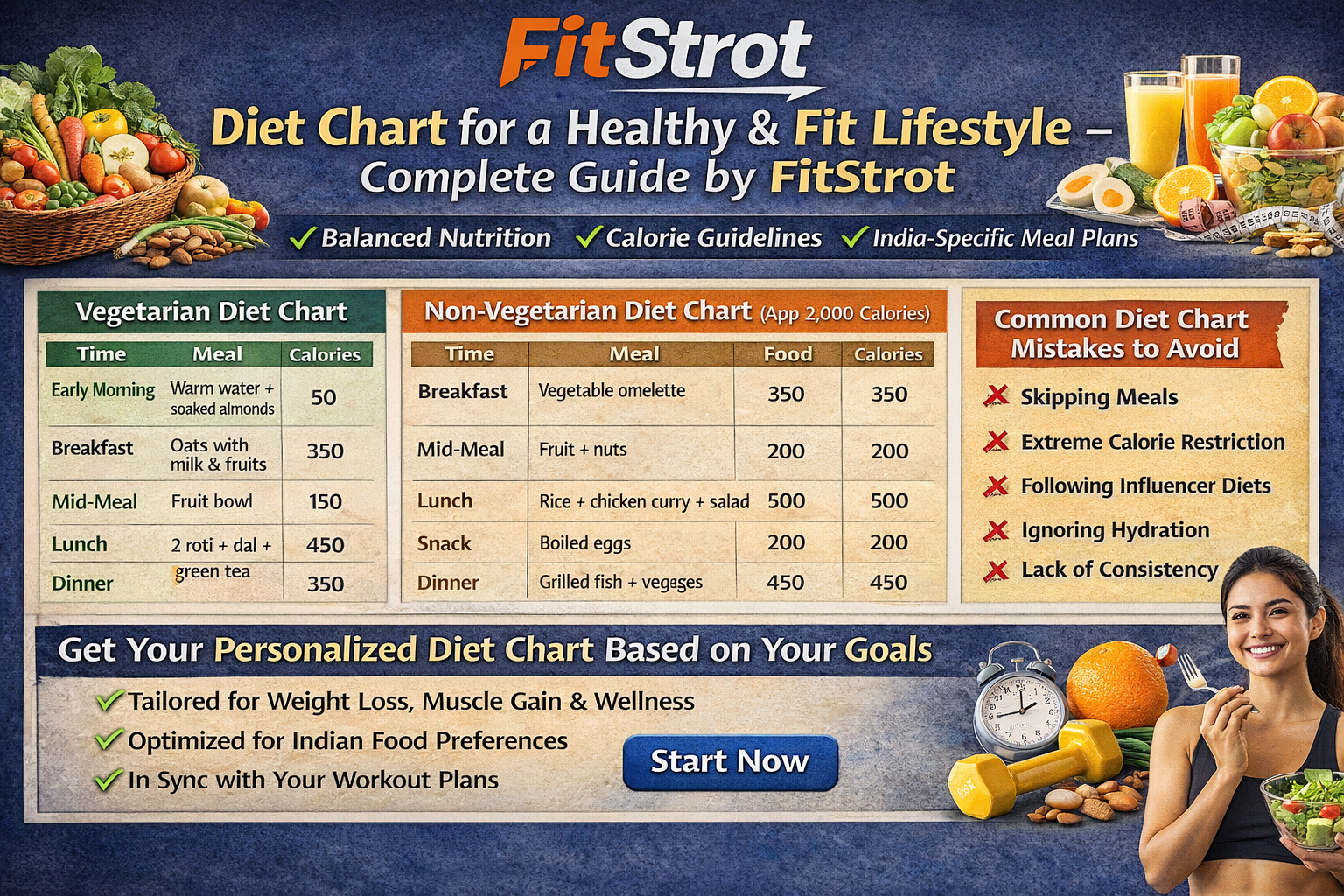
Here’s a simple table we use with clients to plan their workout food around training times.
| Timing | Food Option | Macro Focus | Why It Works |
|---|---|---|---|
| 2 to 3 hours before workout | Roti, dal, small portion of paneer or chicken | Balanced carbs + protein | Fully digested by training time, steady energy release |
| 30 to 45 minutes before workout | Banana or 3 to 4 dates, or a homemade pre workout drink | Fast carbs, minimal fat/fibre | Quick glucose for energy without GI discomfort |
| Within 30 to 45 minutes after workout | Whey shake with a banana, or paneer bhurji with roti | Protein + fast carbs | Kickstarts muscle repair, refills glycogen |
| 1 to 2 hours after workout (main meal) | Chicken or paneer, rice or roti, dal, sabzi | Complete protein + complex carbs + micronutrients | Sustains recovery through the rest of the day |
What Mistakes Do People Make With Workout Food?
The most common one is training on a completely empty stomach and then also skipping food after, usually because someone’s rushing to work or just doesn’t feel hungry right after a hard session. That’s the worst combination, no fuel going in, no repair coming out.
The second mistake is eating a heavy, fat-loaded meal right before training, like fried food or a big serving of paneer butter masala, and then wondering why they feel sluggish or nauseous 20 minutes into their workout. Fat is fine in your diet, just not sitting in your stomach right before you lift or run.
The third is relying entirely on supplements and forgetting real food works just as well, often better, because it comes with fibre, micronutrients, and satiety that a shake alone doesn’t give you. A shake is convenient, not mandatory.
How Should You Personalize Your Workout Food Plan?
Your ideal food before workout and after workout depends on your goals, your training time, your digestion, and honestly, what you actually enjoy eating enough to stick with. Someone training for fat loss at 6 AM needs a different approach than someone doing an evening strength session after a full day of meals. This is exactly the kind of detail that generic diet plans miss and that a coach who’s watching your actual training and recovery can adjust in real time.
If you want this mapped out properly for your body, your schedule, and your goals instead of guessing with generic advice, FitStrot’s 1-on-1 personal training includes nutrition timing built around your actual sessions, not a one-size-fits-all sheet.
Frequently Asked Questions About After Workout Food
What is good after workout food?
Good after workout food combines protein and carbs, like a whey shake with a banana, or paneer bhurji with roti. Eggs, curd, chicken, and dal are also solid protein sources. The carbs refill glycogen while the protein repairs muscle tissue broken down during training.
How do you do after workout food?
Eat a mix of protein and carbs within 45 minutes to an hour of finishing your workout. Keep it simple: a shake, boiled eggs, or a small meal with rice or roti and dal works well. Don’t wait several hours or skip eating altogether after training.
What are the benefits of after workout food?
Eating right after a workout speeds up muscle repair, refills energy stores, and reduces soreness the next day. It also keeps your metabolism steady and prevents the fatigue and irritability that come from training hard and then leaving your body without fuel for hours.