Yes, eggs make a genuinely good pre-workout food, and we recommend them to a lot of our clients at FitStrot. They give you complete protein, a small dose of fat for sustained energy, and almost no digestive baggage if you eat them early enough before training. They’re not a magic bullet, but for most recreational lifters, two or three whole eggs 60-90 minutes before a session beat a lot of what’s sold in flashy tubs at the supplement store. If you’re wondering whether “eggs as pre workout” actually works, the short answer is: it works well, as long as you time it right and don’t overdo the fat content.
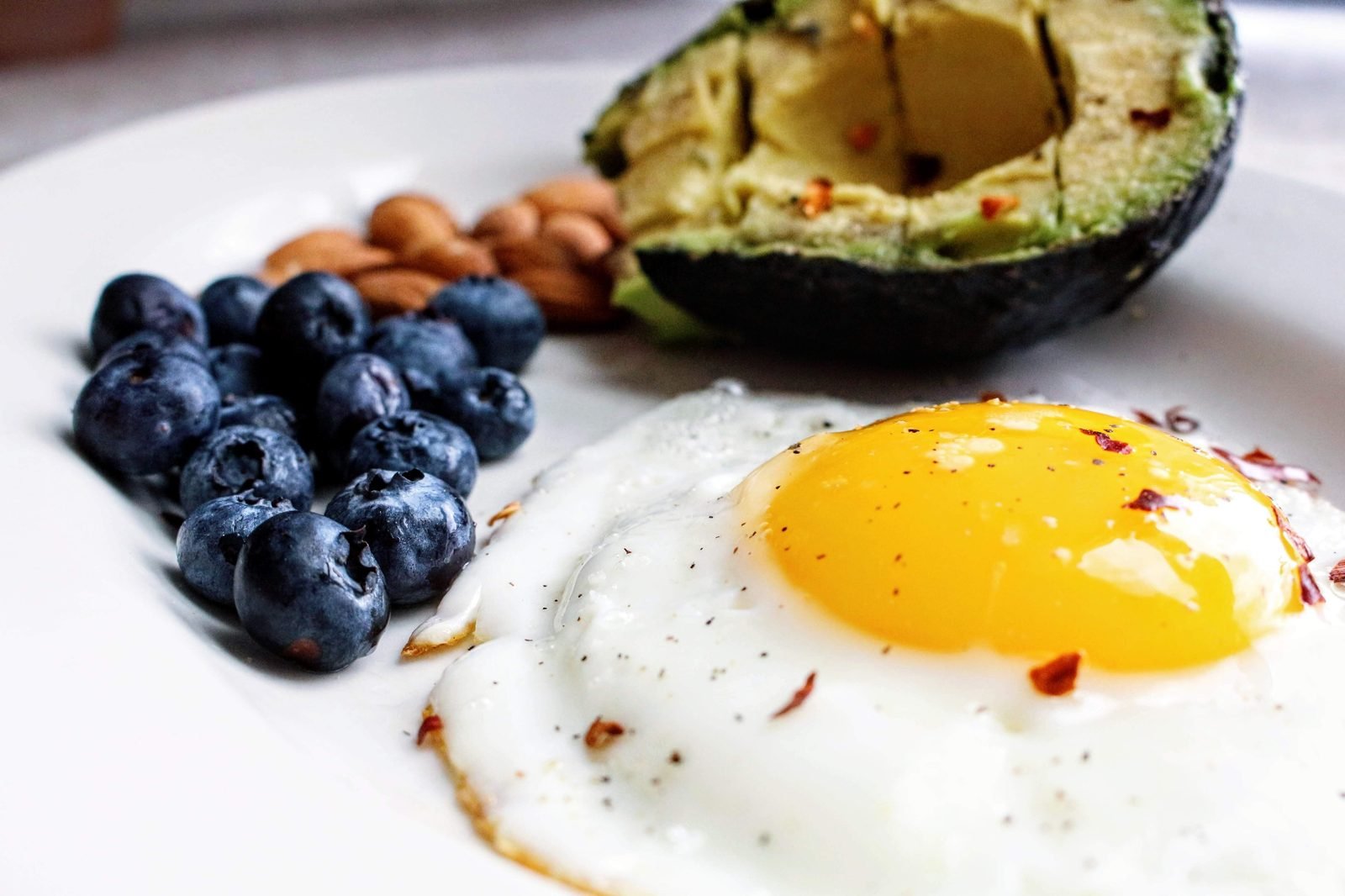
Are eggs a good pre-workout food and why?
Eggs give you roughly 6 grams of protein and under a gram of carbs per egg, along with B vitamins and choline that support focus during training. The protein helps reduce muscle breakdown during your session, and the fat content (mostly in the yolk) means you get slow-releasing energy instead of a sugar spike and crash. Eggs pre workout also tend to sit well in most people’s stomachs, which matters more than any nutrition label once you’re mid-set.
What eggs don’t give you is a big carbohydrate hit. If your session is short and strength-focused, that’s fine. If you’re doing an hour of high-intensity cardio or a long lifting session, you’ll want to pair eggs with a carb source like toast, fruit, or oats to fuel the muscles properly. Eggs alone as a pre-workout meal work best for lifters training under 45-60 minutes. If you’re still working out when exactly to eat before training in general, our guide on the best time to take pre-workout breaks down the timing principles that apply beyond just eggs.
How long before training should you eat eggs?
We tell clients to eat eggs 60 to 90 minutes before training. This gives your stomach enough time to move most of the protein and fat out of the way so you’re not training on a heavy stomach. If you eat eggs less than 30 minutes before a workout, you’ll likely feel sluggish or slightly nauseous once your heart rate climbs, especially if you cooked them in a lot of oil or butter.
If you only have 20-30 minutes before training, skip whole eggs and go with something that digests faster, like a banana or a small glass of milk. Save the eggs for when you have a proper window. This single timing rule solves most of the “eggs made me feel heavy during my workout” complaints we hear, and it heads off the kind of pre-workout side effects that come from eating too close to training.
Eggs vs oats vs peanut butter as pre-workout options
These three whole foods come up constantly when people ask us what to eat before training, and each does something slightly different. Oats pre workout are the best carb source of the three: they release glucose slowly, which keeps energy steady through a longer session. Oatmeal pre workout also works well for people who train early morning and need something gentle on an empty stomach.
Peanut butter pre workout is calorie-dense and full of healthy fats, but it digests slowly. Eat it too close to training and you’ll feel it sitting in your stomach through your first few sets. It works best mixed into oats or spread thin on toast rather than eaten by the spoonful right before a workout.
Eggs sit in the middle. They’re not as fast-digesting as a banana, not as slow as peanut butter, and they bring protein to the table in a way oats and peanut butter don’t match as efficiently. For most people, combining two of these (like eggs and oats, or oats with a thin layer of peanut butter) gives a more complete pre-workout meal than relying on just one.
How do eggs, oats, and peanut butter compare as pre-workout food?
Here’s how the three stack up on the things that actually matter before a training session.
| Food (typical serving) | Protein | Carbs | Digestion speed | Best timing before training |
|---|---|---|---|---|
| 2 whole eggs | ~12g | ~1g | Moderate | 60-90 minutes |
| 1 cup cooked oats | ~6g | ~27g | Slow, steady release | 60-120 minutes |
| 2 tbsp peanut butter | ~7g | ~6g | Slow | 90-120 minutes (or paired with a carb, not alone) |
If you’re short on time, eggs give you the most protein per minute of digestion. If your session is long, oats give you the longest fuel supply. Peanut butter is best used as an add-on, not a standalone pre-workout meal. For a fuller breakdown of how to structure this around your training schedule, our guide on the pre-workout meal covers portion sizes and meal timing in more detail.
Is pre-workout supplementation actually necessary?
Is pre workout necessary? For most recreational lifters, no. If you’re training three to five times a week for general fitness, strength, or physique goals, a whole-food meal like eggs and oats will cover your energy needs just fine. Commercial pre-workout supplements are built around caffeine, beta-alanine, and citrulline, ingredients that can genuinely help performance, but they’re solving a problem most casual gym-goers don’t have.
We see a lot of clients who assume they need a scoop of pre-workout powder to have a good session, when what they actually need is to eat something an hour before training and get to bed on time. Once we fix meal timing and sleep, the “I have no energy in the gym” complaint usually disappears without any supplement involved.
That’s not to say pre-workout supplements have no place. If you understand pre workout contents and want the extra caffeine kick for early morning sessions or competition prep, that’s a personal choice. Just don’t treat it as a requirement for a good workout. If you want to understand what’s actually in these products before deciding, our piece on pre-workout supplements breaks down the common ingredients and what they actually do.
What do athletes with higher training demands need differently?
Pre workout for athletes training at high volume or competing regularly is a different conversation. If you’re doing two-a-days, endurance events, or heavy competition prep, whole food alone might not cut it on timing grounds. You often don’t have 90 minutes to digest eggs between sessions, and your carbohydrate needs are considerably higher than a casual lifter’s, similar to what we cover in our guide to fueling cardio workouts properly.
In these cases, a combination approach makes sense: a whole-food meal several hours out, followed by something faster-digesting (fruit, a small carb-based snack, or yes, a measured pre-workout supplement) closer to the session. Athletes also tend to benefit more from the performance-specific ingredients in commercial pre-workouts, since the extra caffeine or citrulline is addressing a real, measurable training demand rather than just replacing a skipped meal.
How do you build a simple whole-food pre-workout habit?
Consistency beats perfection here. Pick one or two go-to combinations and stick with them instead of experimenting every day:
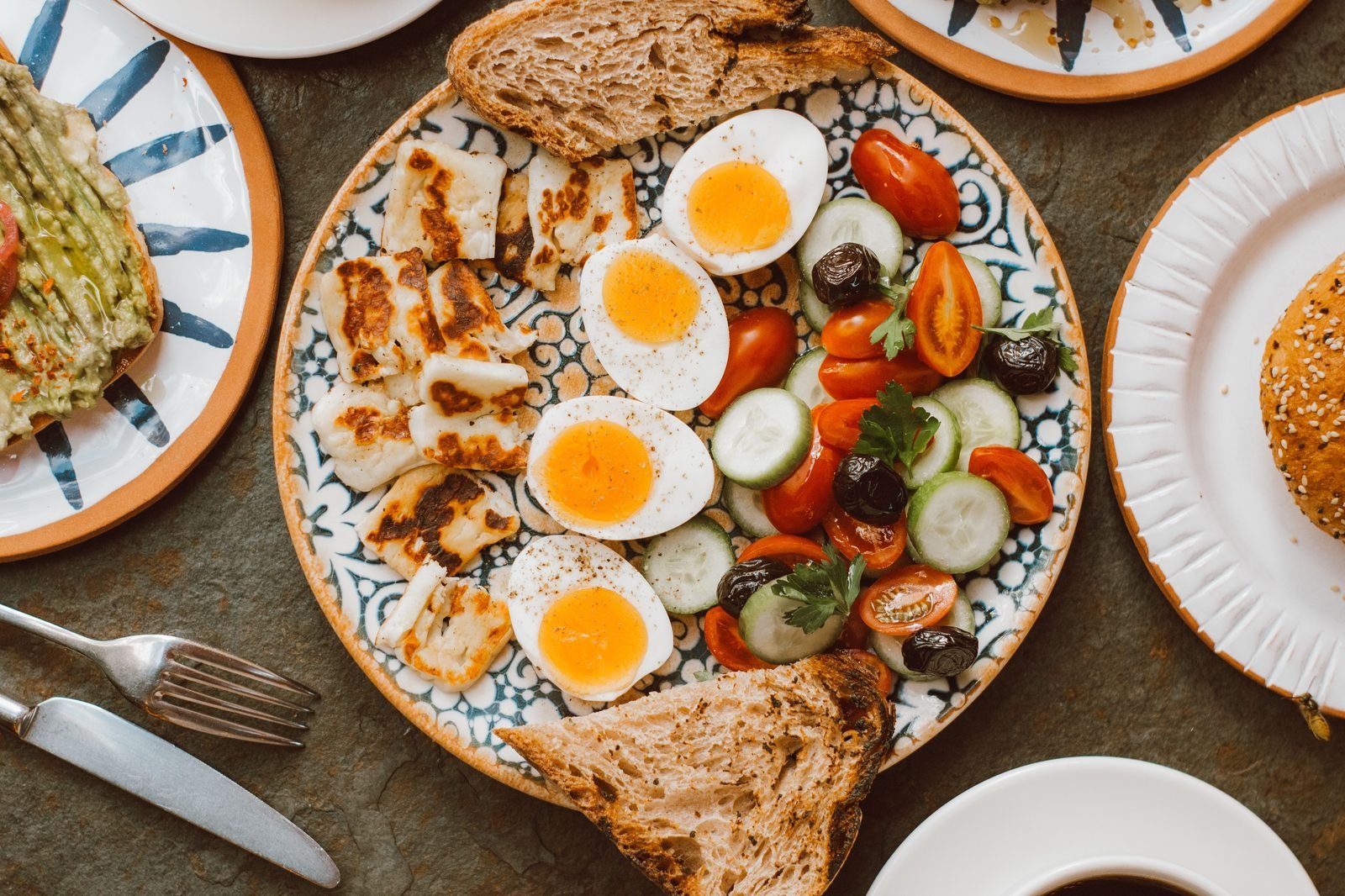
- Two whole eggs plus a slice of toast, eaten 60-90 minutes before training.
- A small bowl of oats with a spoon of peanut butter mixed in, eaten 60-120 minutes out.
- A banana or a handful of dates if you’re training within 30 minutes and need something fast.
Keep portions moderate. Overeating before a session is just as likely to hurt performance as undereating. And don’t forget the other side of the equation: what you eat after training matters as much as what you eat before it. Our guide on after workout food walks through how to recover properly once the session’s done.
If you’re still figuring out what works for your body, this is exactly the kind of detail a coach can help dial in faster than trial and error. Our 1-on-1 personal training programs at FitStrot include nutrition guidance built around your actual schedule, not a generic meal plan.
Frequently Asked Questions
Are eggs good as a pre workout food?
Yes. Eggs provide complete protein and slow-releasing fat that support energy and reduce muscle breakdown during training. They work best eaten 60-90 minutes before a session and are ideal for shorter, strength-focused workouts rather than long endurance sessions needing more carbs.
Is pre workout necessary?
No, not for most people. Recreational lifters training a few times a week generally do fine on whole foods like eggs, oats, or a banana. Commercial pre-workout supplements can help with focus and endurance, but they’re optional, not essential, for a productive training session.
How do you do eggs as a pre workout food?
Eat two to three whole eggs, cooked simply (boiled or lightly fried), about 60-90 minutes before training. Pair them with a slice of toast or fruit if your session is long or intense. Avoid heavy oil or butter, which slows digestion and can leave you feeling sluggish.
What are the benefits of eggs as pre workout?
Eggs deliver complete protein, healthy fats, and B vitamins without a big carb load. They digest at a moderate pace, giving steady energy without a sugar crash. They’re also affordable, easy to prepare, and gentle on most people’s stomachs when timed correctly before training.