A good pre workout meal is a mix of easily digestible carbohydrates with a moderate amount of protein, eaten one to three hours before you train. Carbs top up your muscle and liver glycogen so you have fuel for the session. Protein keeps your muscles supplied with amino acids without sitting heavy in your stomach. What you want to avoid is a meal loaded with fat or fibre, because both slow digestion down and that’s exactly what causes the bloated, sluggish feeling people blame on “not being in the mood to train.” Get the timing and the mix right, and your workouts simply feel easier.
Why does your pre workout meal actually matter?
Your body runs on glycogen during resistance training and moderate to high intensity cardio. If your glycogen stores are low, you fatigue faster, your strength output drops, and your form usually goes with it. Training on an empty stomach isn’t inherently dangerous for most healthy adults, but it caps how hard you can push, especially in a session past 30 to 40 minutes.
We see this constantly with clients who skip breakfast and then wonder why their 6 PM session feels like wading through sand. It’s rarely a strength problem. It’s a fuel problem. Once we adjust what they eat two to three hours before training, the same person is hitting the same weights with noticeably less effort.
What should a pre workout meal actually contain?
Three things matter here: carbs, protein, and what you leave out.
Carbohydrates for fuel
Carbs are your main energy source during training. Go for options that digest at a moderate pace, rice, roti, oats, bananas, or poha. These top up glycogen without spiking and crashing your blood sugar mid-set.
A moderate amount of protein
You don’t need a huge protein hit before training. A small to moderate serving, paneer, eggs, dal, or a scoop of whey, is enough to keep your body in an amino-acid-positive state through the session. Save the bigger protein dose for after you train.
Low fat, low fibre
This is the part most people get wrong. Fat and fibre both slow gastric emptying. A meal loaded with ghee, fried food, or a huge salad sitting in your stomach while you’re trying to squat is a recipe for cramps, reflux, and that heavy feeling that makes you want to cut the session short. Save the fibre-rich vegetables and healthy fats for meals further away from your workout.
What are some good pre workout meal ideas for Indian kitchens?
You don’t need imported supplements or fancy ingredients to eat well before training. Most Indian breakfast and snack staples already fit the bill once you get the portions right. Here’s a sample table our clients actually use.
| Meal | Timing before training | Why it works |
|---|---|---|
| 2 idlis with a light sambar (skip the coconut chutney) | 2 to 3 hours | Fermented rice and lentil batter digests easily, gives steady carbs without heavy fat |
| Poha with peanuts and a squeeze of lemon | 2 to 3 hours | Light on the stomach, quick-digesting carbs, small protein and fat hit from peanuts |
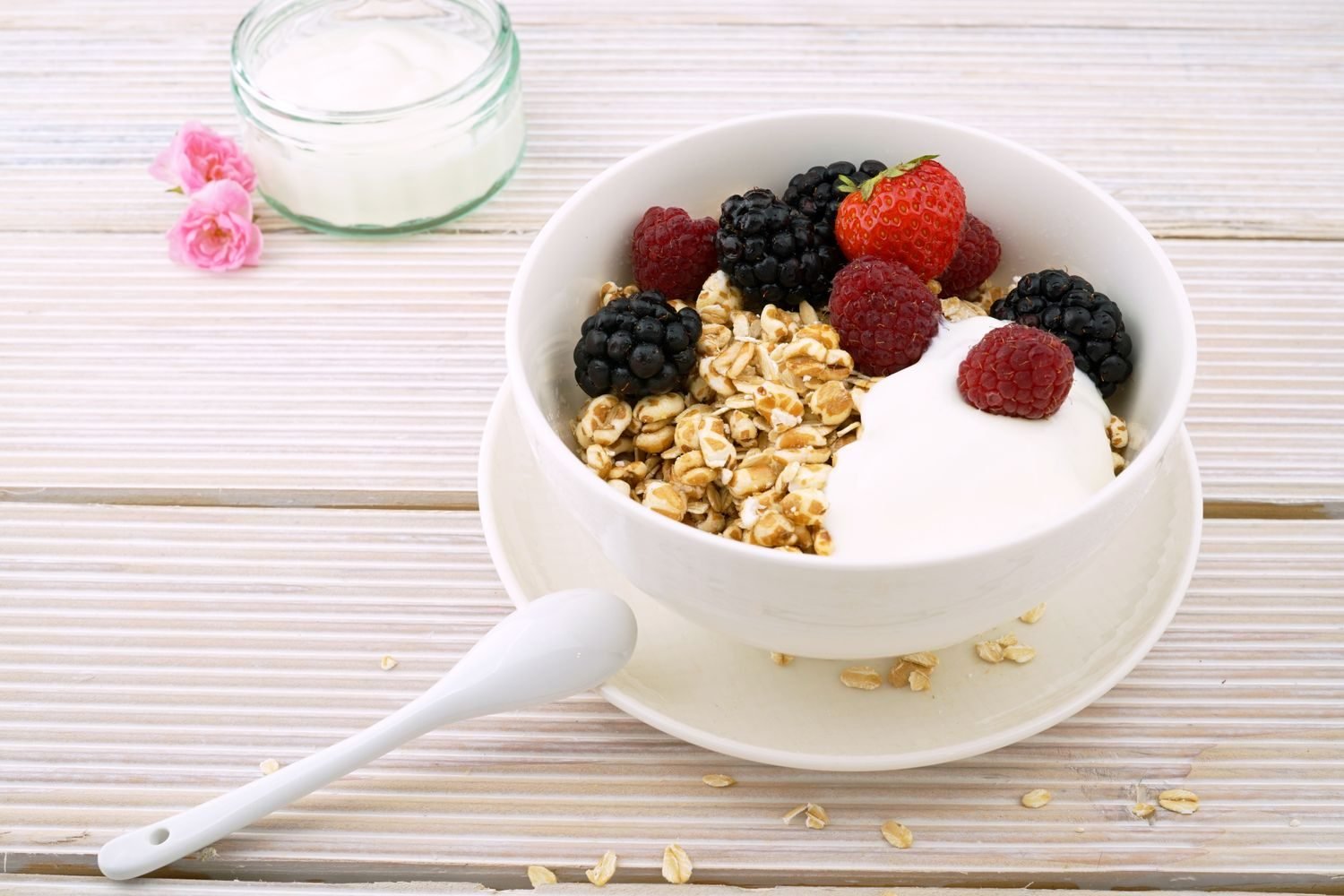
| Small bowl of oats made with milk, half a banana on top | 1.5 to 2 hours | Balanced carbs and protein, easy to scale portion up or down |
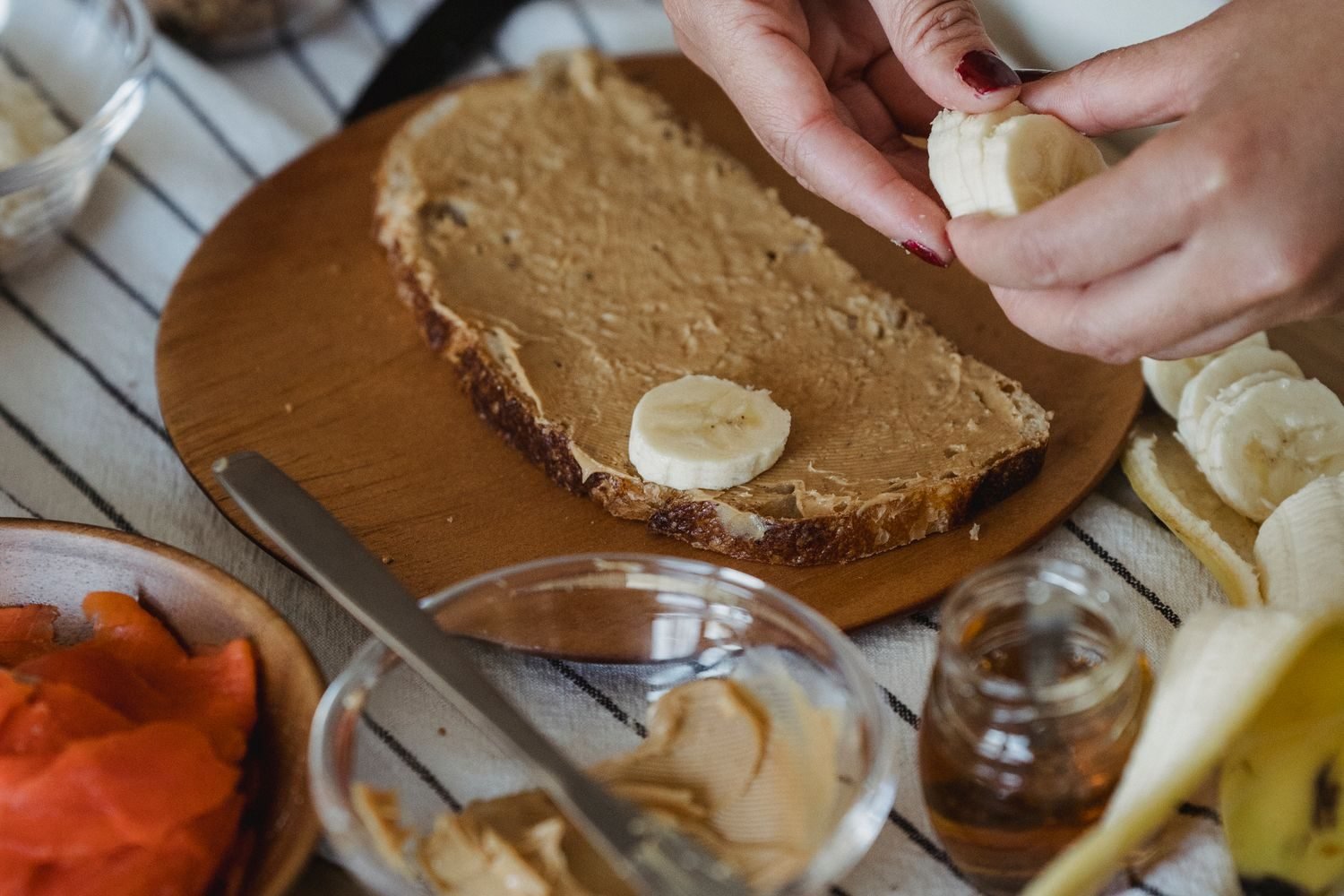
| Banana with a spoon of peanut butter | 30 to 45 minutes | Fast-digesting, low fibre load in this quantity, good last-minute snack |
Notice none of these are complicated. That’s the point. A pre workout meal doesn’t need to be engineered, it needs to be consistent and easy on your gut.
When should you actually eat before training?
Timing depends on the size of the meal, not the clock on the wall.
- 2 to 3 hours before training: This is where your main meal goes. A full plate with rice or roti, a moderate protein source, and light vegetables. This window gives your stomach enough time to digest fully before you start moving weight.
- 30 to 60 minutes before training: If you didn’t get a full meal in earlier, or you train early morning and can’t stomach a big breakfast, keep it small. A banana, a slice of toast with honey, or a small glass of milk works. Anything heavier this close to training and you’ll feel it in your first few sets.
- Less than 30 minutes before: Stick to liquids or something tiny, like a few dates or a small fruit. This isn’t the time for a full meal, your body simply won’t process it fast enough.
If you train first thing in the morning and genuinely can’t eat that early, you’re not doomed. A small carb source like a banana or even black coffee can get you through a lighter session. Just know your top-end performance in longer or heavier sessions will likely take a small hit compared to training fuelled properly.
Does pre workout meal timing change if you’re bulking?
Yes, and this is where a lot of people leave gains on the table. If you’re in a muscle-building phase, your total daily intake matters most, but meal timing around training still plays a real role in how much volume you can actually complete in a session, which in turn drives the muscle growth you’re chasing. A poorly timed or poorly composed pre workout meal means fewer productive reps, and fewer productive reps over months adds up to a visibly slower bulk. If you’re following a structured bulking workout plan, nutrition timing isn’t a side detail, it’s part of what makes the plan work.
Should you rely on pre workout supplements instead of food?
Supplements have a place, but they’re not a replacement for a proper meal. A stimulant-based product might make you feel more alert going into a session, but it doesn’t refill glycogen the way real carbohydrates do. If you’re curious about where pre workout supplements genuinely help versus where they’re just marketing, it’s worth understanding the difference before you spend money on one. Our general stance with clients is simple, get the food right first. Supplements are for filling small gaps, not for replacing the basics.
What should you eat after your workout?
Once you finish training, the priority flips. Now you want a bigger protein dose to support muscle repair, along with carbs to replace what you burned. This is also where fibre and fat can come back into the picture since digestion speed matters far less once the session is over. We’ve written a full breakdown of what to eat and when in our guide to after workout food if you want the complete picture on both ends of your training window.
Frequently asked questions
What is a pre workout meal?
A pre workout meal is food eaten before training, usually one to three hours prior, designed to top up energy stores and support performance. It typically combines easily digestible carbohydrates with a moderate amount of protein while keeping fat and fibre low, since both slow digestion and can cause discomfort during exercise.
What is a post workout meal?
A post workout meal is what you eat after training to support recovery. It usually includes a larger protein portion to repair muscle tissue along with carbohydrates to replenish glycogen. Unlike a pre workout meal, fat and fibre aren’t a concern here since digestion speed no longer affects your performance in the gym.
How do you plan a pre workout meal properly?
Match meal size to timing. Eat a full meal with carbs and moderate protein two to three hours before training. If you need something closer to your session, keep it small, a banana or a slice of toast works well within 30 to 60 minutes. Always keep fat and fibre low to avoid stomach discomfort mid-workout.
What are the real benefits of eating a pre workout meal?
Eating before training tops up glycogen, which directly improves strength output and endurance during your session. It also reduces fatigue, helps you maintain better form under fatigue, and prevents the lightheaded or shaky feeling that comes from training on an empty stomach, particularly in sessions longer than 30 minutes.
Can you train effectively without eating beforehand?
For short, low-intensity sessions, yes, most healthy people manage fine. But for resistance training or anything past 30 to 40 minutes, an empty stomach usually means reduced strength and earlier fatigue. If you must train fasted, keep the session lighter and prioritise a proper meal as soon as you finish.
Getting your nutrition timing right is coachable
Most people don’t need a complicated nutrition plan, they need someone checking whether their pre workout meal actually matches their training schedule and goals. That’s a big part of what we work on with clients inside FitStrot’s 1-on-1 personal training programme, built around your actual routine, not a generic template. If your energy keeps crashing mid-session, it’s worth getting a second pair of eyes on what and when you’re eating.