A 7-day high-protein meal plan for weight loss works by pairing a modest calorie deficit (usually 300-500 calories below maintenance) with 1.2-1.6 grams of protein per kilogram of body weight, spread across three to four meals a day. This combination does two jobs at once: it keeps you fuller for longer so the deficit feels sustainable, and it protects your muscle mass so the weight you lose is mostly fat, not lean tissue. Below is a full 7-day chart with both vegetarian and non-vegetarian options, the numbers behind why protein matters so much during a cut, and how to adapt it to your own calorie target.
Why does protein matter more than other nutrients during weight loss?
When you’re eating less than you burn, your body doesn’t discriminate between fat and muscle unless you give it a reason to hold onto the muscle. That reason is protein. Research on calorie-restricted diets consistently shows that intakes of 1.2-1.6 g/kg/day, compared to a standard 0.8 g/kg/day, help preserve lean mass and improve body composition during weight loss across young, middle-aged, and older adults. Some studies go further, suggesting protein intake below 1.0 g/kg/day is associated with a higher risk of muscle loss, while intake above roughly 1.3 g/kg/day tends to support muscle retention or even modest gains, even while calories are restricted.
There’s also a metabolic bonus. Protein has a thermic effect of food (TEF) of roughly 20-30%, meaning your body burns 20-30% of the calories in protein just digesting and processing it. Compare that to 5-10% for carbohydrates and 0-3% for fat. On a 2,000-calorie day, that difference adds up to a meaningful number of calories spent purely on digestion — working in your favor while you’re already in a deficit. For a deeper look at how protein functions in the body beyond weight loss, see our guide on the nutritional value of protein.
What is “protein leverage” and why does it help you stick to a diet?
The protein leverage hypothesis, first proposed by researchers Simpson and Raubenheimer, suggests that humans have a built-in appetite specifically for protein — and that we keep eating until that protein target is met, even if it means overeating carbohydrates and fat along the way. A controlled study testing this idea found that when protein was diluted from 15% to 10% of total diet composition, participants involuntarily increased total energy intake by roughly 12%, largely by snacking more on savory foods between meals.
Flip that around, and it becomes a practical weight-loss tool: if a meal is deliberately built around a solid protein source, you tend to reach satisfaction (“I’ve had enough protein”) sooner, and total calorie intake naturally drops without you having to white-knuckle your way through hunger. Separately, a systematic review of high-protein preload studies found that 11 of 14 trials showed a high-protein first course significantly increased subjective fullness compared to carbohydrate or fat preloads. That’s protein leverage in action — and it’s the entire logic behind the meal plan below. If you want the broader calorie-and-macro framework this plan sits inside, our nutrition diet chart for weight loss covers it in more detail.
How much protein and how many calories should this plan target?
There’s no single number that fits everyone, but here’s a workable starting framework:
- Calorie deficit: 300-500 calories below your maintenance level. A steeper deficit is not automatically better — it tends to backfire through increased hunger and lower adherence over a week or a month.
- Protein target: 1.2-1.6 g/kg of body weight per day for most people; those doing regular strength training can lean toward 1.6-2.0 g/kg to better protect muscle under a deficit.
- Distribution: Spreading protein across 3-4 meals (roughly 25-40 g per meal) appears to support satiety and muscle protein synthesis better than loading it all into one meal.
- Fiber and vegetables: Non-negotiable. Fiber slows digestion, adds volume without many calories, and complements protein’s satiety effect rather than competing with it.
Example: a 65 kg (143 lb) woman with a sedentary-to-moderately-active lifestyle might target roughly 1,500-1,600 calories a day with 85-100 g of protein. A 78 kg (172 lb) man doing regular workouts might target 1,900-2,100 calories with 125-155 g of protein. Adjust the portions in the chart below up or down to hit your personal numbers — the meal structure and protein-first logic stay the same. For a deeper dive into building your calorie target from scratch, read nutrition for weight loss.
What does a 7-day high-protein weight loss meal plan look like?
This chart mixes vegetarian and non-vegetarian options so you can swap freely based on preference. Each day totals roughly 1,500-1,700 calories with 90-130 g of protein — adjust portion sizes to match your own target from the section above. If you’d prefer an entirely vegetarian version of this structure, our 7-day vegetarian weight loss meal plan covers that in full.
| Day | Breakfast | Lunch | Snack | Dinner |
|---|---|---|---|---|
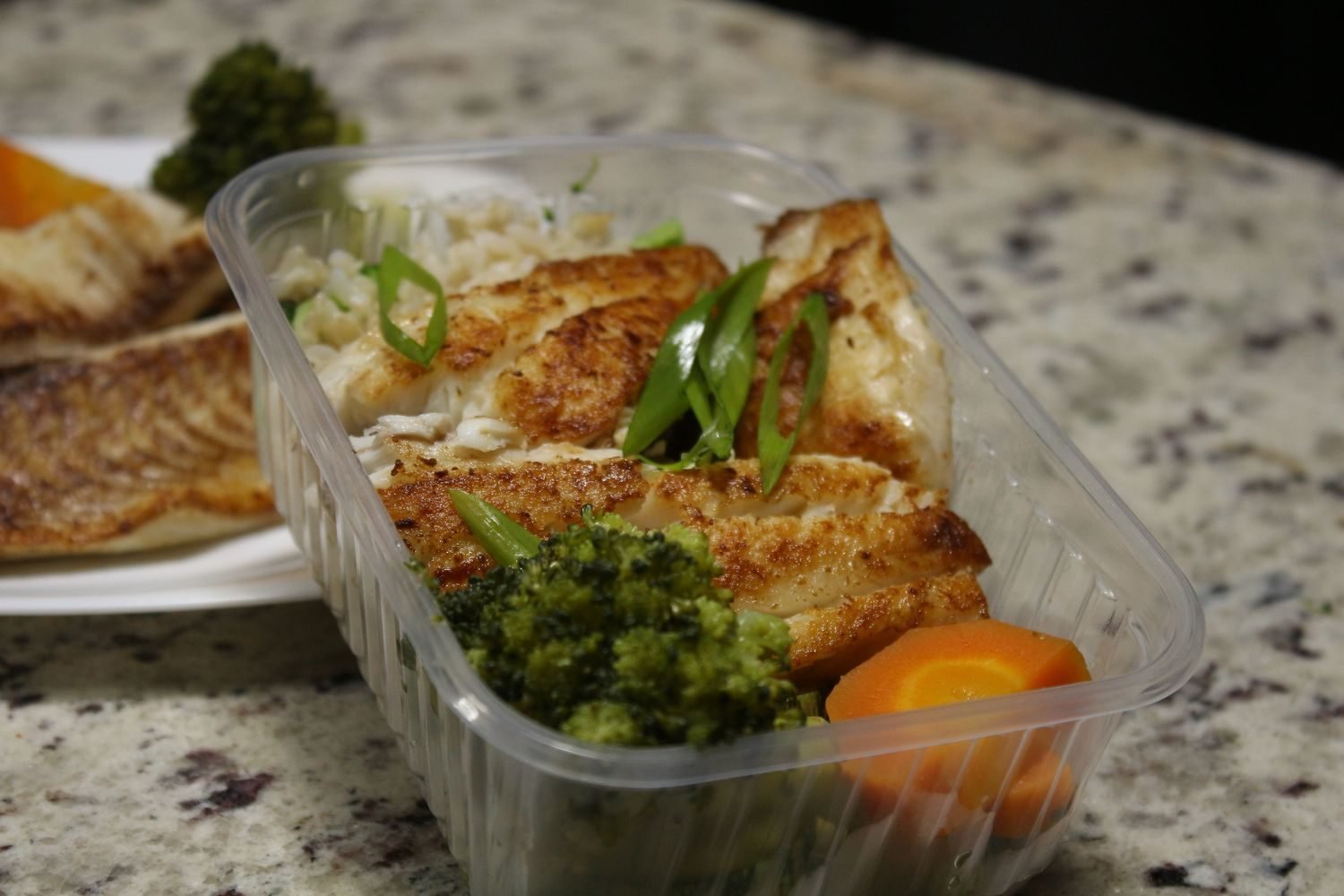
| Monday | 3-egg veggie omelette + 1 slice whole wheat toast | Grilled chicken breast (150g), quinoa (½ cup), sautéed spinach | Greek yogurt (150g) + handful almonds | Baked fish (150g), steamed broccoli, small sweet potato |
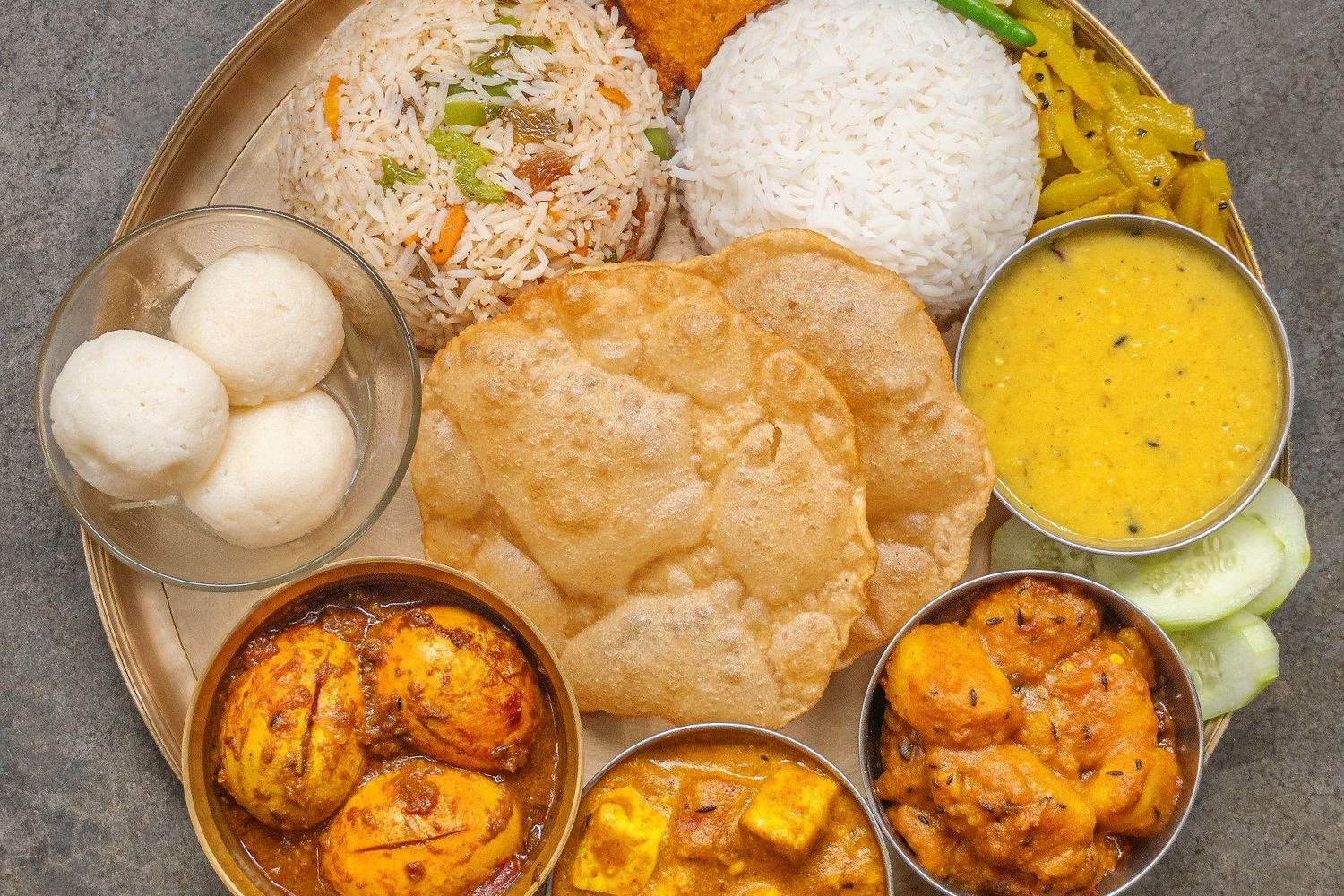
| Tuesday | Moong dal chilla (2) with mint chutney | Rajma (1 cup) with brown rice (½ cup), cucumber salad | Roasted chana (30g) | Paneer tikka (150g), sautéed bell peppers, 1 roti |
| Wednesday | Protein smoothie: whey/soy protein, banana, spinach, milk | Grilled chicken salad with chickpeas, olive oil dressing | Boiled eggs (2) | Lentil soup (1.5 cups) with mixed vegetables, 1 roti |
| Thursday | Besan (chickpea flour) chilla (2) with tomato chutney | Turkey or chicken keema with peas, cauliflower rice | Cottage cheese (100g) + cherry tomatoes | Grilled tofu or paneer (150g), stir-fried vegetables |
| Friday | Greek yogurt bowl with chia seeds, berries, walnuts | Fish curry (150g fish) with brown rice (½ cup) | Protein shake or buttermilk with roasted flax | Egg bhurji (3 eggs) with sautéed onions and 1 roti |
| Saturday | Sprouted moong salad with peanuts and lemon | Grilled chicken (150g) or soy chunks curry, quinoa | Handful mixed nuts | Baked salmon or rajma, roasted vegetables |
| Sunday | Vegetable and paneer stuffed paratha (1, minimal oil) + yogurt | Chicken or chickpea stir-fry with mixed vegetables, ½ cup rice | Buttermilk + roasted makhana | Dal (1 cup) with sautéed greens, 1 roti |

Which protein sources work best for vegetarians vs non-vegetarians?
Protein quality (how complete the amino acid profile is) and protein density (grams per 100 calories) both matter when you’re trying to hit a target inside a calorie deficit.
High-protein non-vegetarian options
- Chicken breast (skinless): ~31g protein per 100g, very calorie-efficient
- Eggs: ~6g protein per egg, complete amino acid profile, budget-friendly
- Fish (rohu, salmon, tilapia): ~20-25g protein per 100g plus beneficial fats in oily fish
- Turkey mince: Lean, versatile for keema-style dishes
High-protein vegetarian options
- Paneer: ~18g protein per 100g, though watch total fat if it’s a large daily portion
- Lentils and dals (moong, masoor, toor): ~9g protein per 100g cooked, plus fiber
- Chickpeas and rajma: ~19g protein per 100g dry weight, filling and inexpensive
- Greek yogurt: ~10g protein per 100g, doubles as a probiotic source
- Tofu and soy chunks: ~17-52g protein per 100g depending on processing, complete protein
If you’re building meals almost entirely around plant sources, our high-protein Indian diet plan has a longer list of vegetarian combinations that add up to a complete amino acid profile across the day.
How do you make this plan sustainable beyond one week?
A single week is a template, not a finish line. A few practical habits make the difference between a plan that works for seven days and one that works for three months:
- Batch-cook your protein base. Grill a large batch of chicken or bake a tray of paneer/tofu on Sunday, then reassign it across different meals through the week with different vegetables and spices.
- Don’t skip carbs entirely. Small portions of rice, roti, or quinoa help with training performance and make the plan easier to sustain than a very-low-carb approach.
- Reassess protein needs if your weight changes significantly. Your target in grams should shift as your body weight shifts — recalculate every 4-6 weeks rather than fixing a number for months.
- Track adherence, not perfection. Research on longer high-protein diet trials (six months or more) shows the weight-loss advantage over standard-protein diets becomes more consistent over time — meaning the payoff compounds if you can stick with it past the first few weeks.
Frequently Asked Questions
Can I follow a high-protein meal plan if I’m vegetarian?
Yes. Combine dals, legumes, paneer, tofu, Greek yogurt, and soy chunks to reach 1.2-1.6 g/kg of body weight daily. Vegetarian sources often need slightly larger portions to match the protein density of meat or fish, so plan servings accordingly and rotate sources for variety — see our 7-day vegetarian weight loss meal plan for a fully plant-based version.
Will eating this much protein make me lose muscle instead of fat?
It’s the opposite — adequate protein intake during a calorie deficit is specifically what protects muscle mass. Studies show intake below 1.0 g/kg/day raises the risk of muscle loss, while 1.2-1.6 g/kg/day (or higher with strength training) supports muscle retention even while you’re losing weight.
How much weight can I realistically lose in 7 days on this plan?
With a 300-500 calorie daily deficit, expect roughly 0.3-0.5 kg (0.7-1 lb) of actual fat loss in a week; some early water-weight drop can make the scale move faster initially. Consistent, moderate loss is more sustainable and more likely to stay off than rapid loss.
Do I need protein supplements to hit these targets?
Not necessarily. Whole foods like eggs, dal, paneer, chicken, and yogurt can cover most people’s needs. A protein shake is a convenient option if you’re short on time or find it hard to hit your gram target through meals alone, but it’s a tool, not a requirement.
Can I repeat this 7-day plan every week?
Yes, though rotating vegetables, spices, and protein sources every couple of weeks helps with both nutrient variety and long-term adherence. If progress stalls after several weeks, it’s worth reassessing your calorie target rather than cutting calories further on the same structure.
This 7-day structure works well alongside strength training or general activity, but it’s not the only way to structure a protein-forward week — pairing it with the broader principles in our nutrition diet chart for weight loss can help you fine-tune portions once you’ve tried the plan for a few cycles.
Every body responds differently to a calorie deficit, and factors like activity level, medical history, and food preferences all affect the right numbers for you. For a plan built around your specific targets, consider booking an online nutritionist consultation.