Good nutrition for weight loss comes down to three levers: eating slightly fewer calories than you burn, prioritizing protein and fiber so you stay full, and building habits you can actually keep up for months, not days. The CDC and NIH both point to a loss of 1 to 2 pounds a week, driven by a daily deficit of roughly 500 to 1,000 calories, as the pace most likely to stick. Crash diets and extreme restriction tend to backfire — they trigger muscle loss, nutrient gaps, and rebound weight gain. This guide breaks down the actual mechanics of a sustainable nutrition plan for weight loss, including how big a deficit should be, what to eat for satiety, and the mistakes that quietly stall progress.
What Does “Nutrition for Weight Loss” Actually Mean?
At its core, nutrition for weight loss means adjusting what and how much you eat so your body consistently burns more energy than it takes in, while still getting enough protein, fiber, vitamins, and minerals to function well. It is not one diet or one food list — it is a framework. A pound of body fat represents roughly 3,500 stored calories, so a daily deficit of 500 calories translates to about a pound lost per week, according to CDC guidance and NIH obesity treatment guidelines. That number is an estimate, not a guarantee, because individual metabolism, activity level, sleep, and hormones all influence the rate.
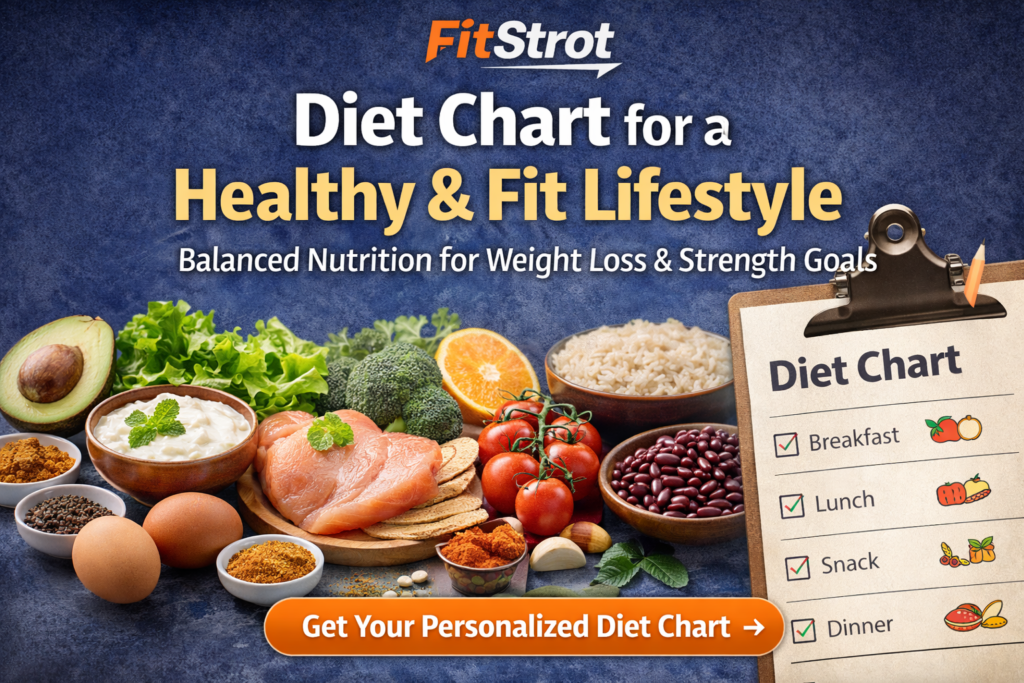
The practical takeaway is that weight loss nutrition works best as a moderate, layered adjustment: trim calories somewhat, shift the composition of your plate toward protein and fiber, and keep the plan flexible enough to survive a birthday dinner or a busy week. For a more structured breakdown of what a week of meals can look like, a nutrition diet chart for weight loss can help translate these principles into an actual schedule.
How Big Should Your Calorie Deficit Be?
Most clinical guidance lands in the same range: a deficit of 500 to 1,000 calories per day supports a loss of about 1 to 2 pounds per week, which Mayo Clinic and CDC both describe as a safe, sustainable pace. Going much lower than that — say, cutting 1,500+ calories a day — tends to cause fatigue, muscle loss, and a slower metabolism over time rather than faster fat loss. The body responds to steep restriction by holding onto energy stores more tightly, which is part of why so many crash diets stall after a couple of weeks.
A useful way to find your number is to start from your current maintenance calories (what you eat to stay at your current weight) and subtract 15-20% rather than picking an arbitrary low target. From there, track your weight weekly, not daily, since day-to-day fluctuations from water and sodium can be misleading. If you want a deeper look at how calories, activity, and weight loss interact, the nutrition and calories guide walks through the math in more detail, and pairing that with your BMI and nutrition profile gives a fuller picture of where to start.
What Is the Best Nutrition for Weight Loss?
The best nutrition for weight loss centers on two nutrients that most people under-eat: protein and fiber. Protein takes more energy to digest than carbohydrate or fat, and it keeps you feeling fuller for longer, which makes it easier to stay within a calorie deficit without constant hunger. Fiber works alongside it — one clinical review found that an extra 14 grams of fiber per day was linked to about a 10% drop in calorie intake and close to 2 kg of weight loss over roughly 3.8 months, according to Harvard Health’s summary of the research.
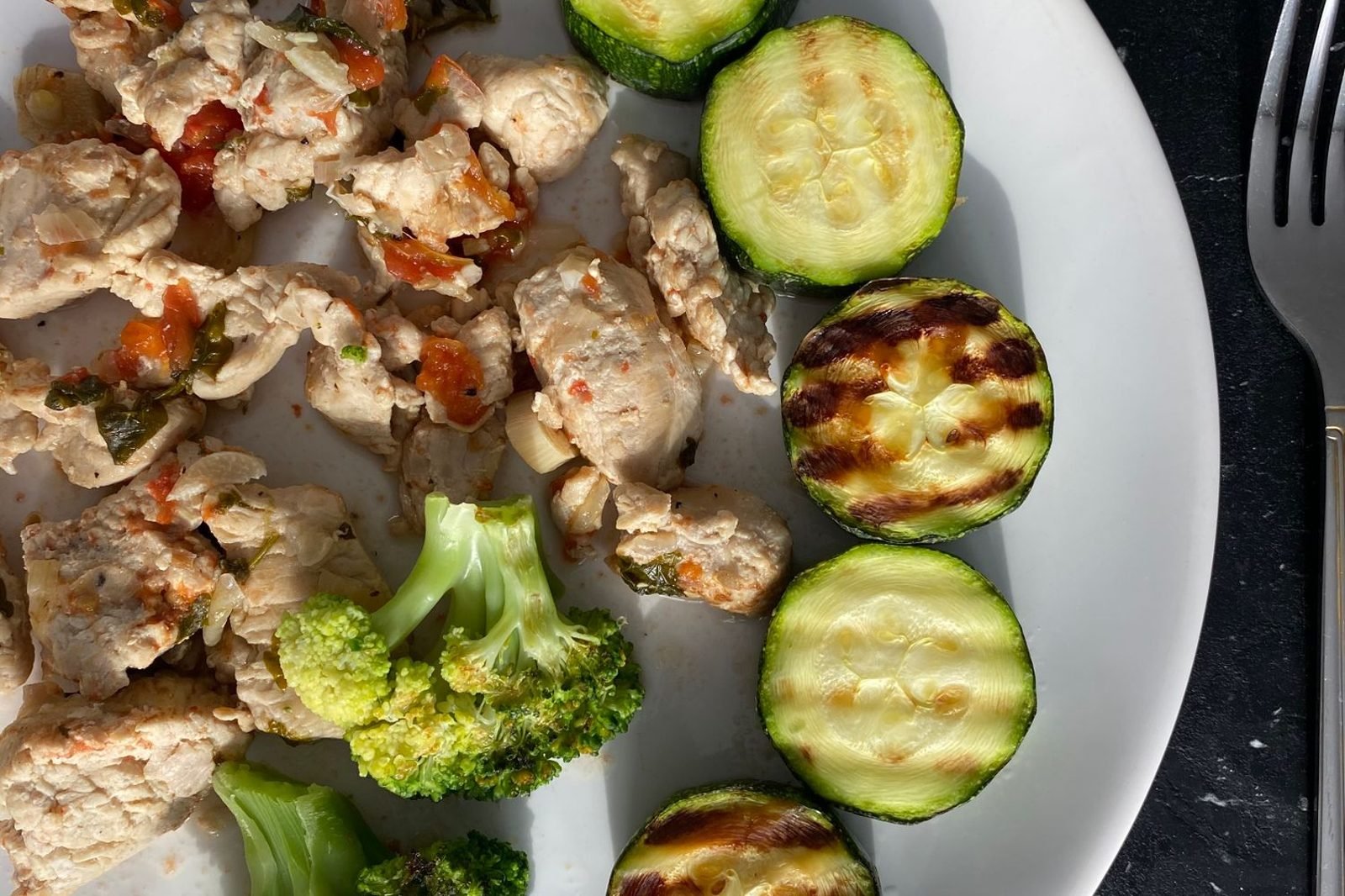
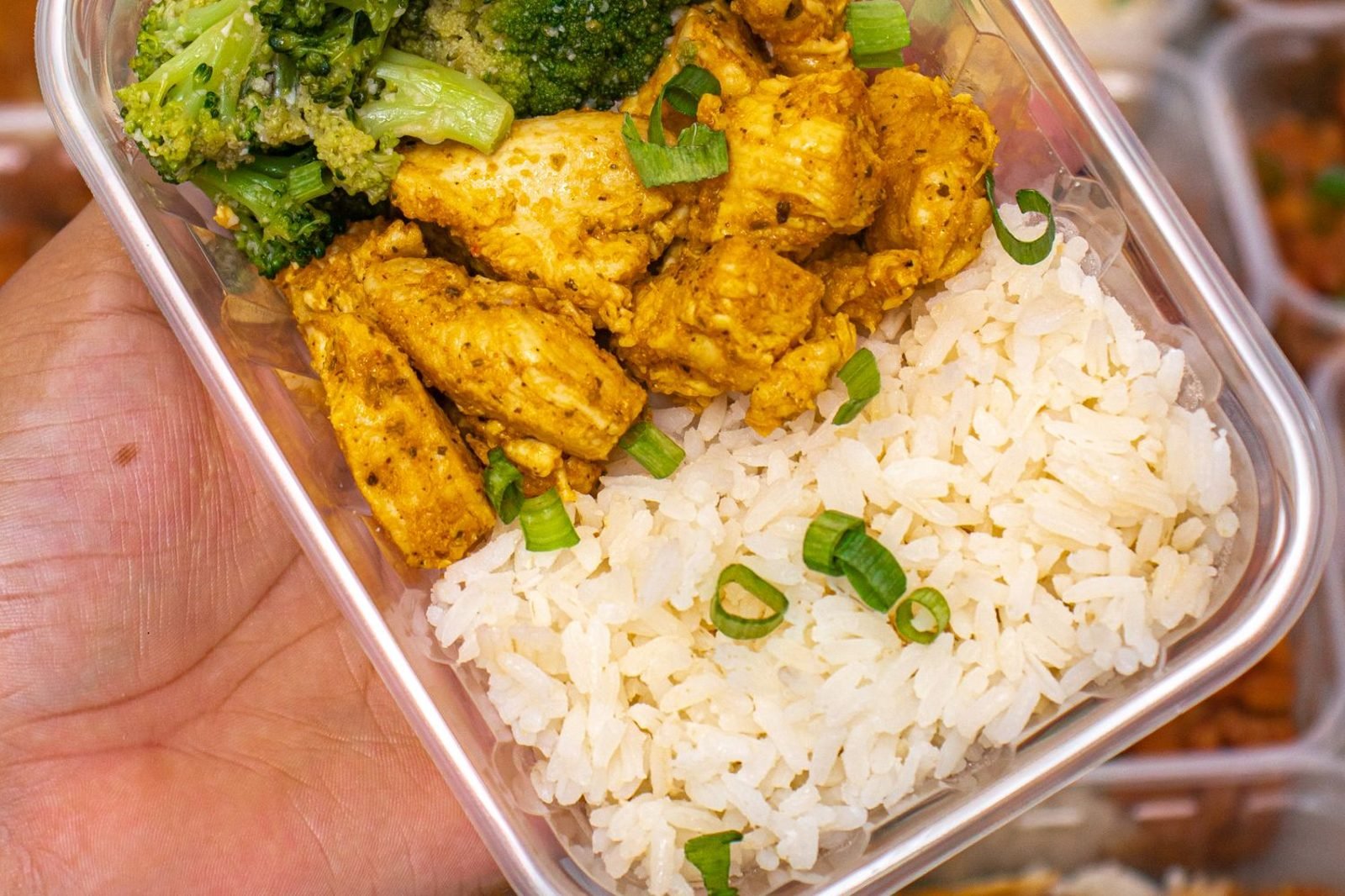
A simple plate-building approach reflects this: at most meals, include a source of lean protein (chicken, fish, eggs, tofu, legumes), a fiber-rich carbohydrate (vegetables, beans, whole grains), and a small amount of healthy fat. The fiber creates fullness early in the meal, the protein extends that fullness for hours afterward, and the fat helps regulate the hunger hormones that tell your brain to stop eating. For specifics on hitting your protein targets without overdoing portions, see protein and nutrition, and for fiber-rich food ideas, fiber nutrition covers practical swaps like choosing whole fruit over juice or adding lentils to a grain bowl.
Sample Building Blocks for a Meal
- Protein (roughly a palm-sized portion): grilled chicken breast, salmon, Greek yogurt, eggs, tofu, or lentils
- Fiber-rich carbs: broccoli, leafy greens, berries, beans, oats, or sweet potato with the skin on
- Healthy fats (small amount): olive oil, avocado, nuts, or seeds
- Hydration: water or unsweetened tea, since thirst is often mistaken for hunger
What About Weight Loss Nutrition Powders and Products?
Protein powders and meal-replacement shakes are common weight loss nutrition products, and they can be a convenient way to hit a protein target when a full meal isn’t practical — after a workout, during a busy workday, or as a quick breakfast. They are a tool, not a requirement: a shake with 20-30 grams of protein and minimal added sugar can support satiety in the same way whole-food protein does, but it doesn’t outperform real food nutritionally, and it shouldn’t fully replace vegetables, fiber, and variety in the diet. If you choose a powder or shake, check the label for added sugars and keep portions in line with your overall calorie target rather than treating it as a free extra. Whole foods should still make up the majority of a nutrition plan for weight loss, with powders filling occasional gaps rather than anchoring the whole approach.

What Mistakes Slow Down Weight Loss Progress?
A few patterns show up again and again in people who feel stuck despite “trying everything.” Recognizing them is often the fastest way to get results moving again.
- Skipping meals to save calories: Most people who skip meals, especially breakfast, end up eating more later in the day, and irregular eating patterns make hunger harder to manage overall.
- Cutting calories too aggressively: Severe restriction can push the body into a defensive state where it conserves energy, and it often leads to muscle loss alongside fat loss, which is not the goal.
- Underestimating portions and drinks: Cooking oils, dressings, sauces, and beverages like juice or sweetened coffee add up quickly and are easy to miss when estimating intake.
- Ignoring protein and fiber: A calorie deficit built mostly from refined carbs and low-protein foods leaves people hungrier, which makes the plan harder to sustain past a couple of weeks.
- Expecting linear progress: Weight fluctuates day to day from water retention, sodium, and hormones; weekly averages are a far more reliable signal than daily weigh-ins.
Many of these mistakes stem from treating weight loss as a short sprint instead of a sustained shift in eating patterns. A closer look at how overall nutritional balance for weight loss works can help reframe the approach around consistency rather than intensity, and combining that with attention to nutrition and fat loss specifically — as opposed to just scale weight — helps preserve muscle while losing fat.
How Does a Nutrition Plan for Weight Loss Come Together Day to Day?
A workable nutrition plan for weight loss usually has three components: a calorie target based on a moderate deficit, a protein and fiber floor at each meal, and enough flexibility to handle real life. Rather than following a rigid meal-by-meal script, most people do better setting a rough calorie range, planning protein and vegetables first, and filling in the rest with foods they actually enjoy. This also naturally supports fat loss around the midsection, which responds to the same combination of calorie balance, protein intake, and regular movement — for more on that specific goal, see how to reduce visceral belly fat.
Some people also look at herbal or supplement-based approaches to support their plan. These can play a minor supporting role for some individuals, but they work best alongside — never instead of — the calorie and nutrient basics covered here; the guide on herbal nutrition for weight loss covers what the evidence actually supports. For the bigger picture on how diet and nutrition fit together as a lifestyle rather than a temporary fix, diet and nutrition is a useful next read.
Frequently Asked Questions
How many calories should I cut for weight loss?
Most guidance, including from the CDC and NIH, suggests a daily deficit of 500 to 1,000 calories, which supports losing about 1 to 2 pounds per week. Cutting more than that isn’t necessarily faster or safer — it often leads to muscle loss, fatigue, and a harder time sticking with the plan long term.
How much protein do I need to lose weight?
There’s no single universal number, but many nutrition guidelines suggest spreading protein across meals so each one includes a palm-sized portion — roughly 20-30 grams. This supports satiety and helps preserve muscle mass while you’re in a calorie deficit, which keeps your metabolism more stable.
Is a nutrition weight loss powder necessary?
No. Protein powders and meal-replacement shakes are optional conveniences, not requirements. They can help you hit a protein target quickly, but whole foods should remain the foundation of any nutrition plan for weight loss, since they also supply fiber and micronutrients that most powders lack.
Why has my weight loss stalled even though I’m eating less?
Common causes include underestimating portions, hidden calories in drinks and sauces, insufficient protein or fiber leading to overeating later, and normal week-to-week water weight fluctuations. Reviewing your food log for accuracy and checking your weekly average weight, rather than daily numbers, usually clarifies what’s happening.
Can I lose weight without counting calories?
Yes, many people lose weight successfully by building meals around protein, vegetables, and fiber-rich carbs without precise tracking, since these foods naturally create fullness at a lower calorie load. Tracking can help initially to build awareness, but it isn’t the only path to a sustainable deficit.
How fast is it realistic to lose weight?
A pace of 1 to 2 pounds per week is considered safe and sustainable by the CDC and Mayo Clinic. Faster loss usually reflects water weight rather than fat, and people who lose weight gradually are more likely to keep it off compared to those who lose it quickly through extreme restriction.
If you want a nutrition plan for weight loss built around your specific calorie needs, food preferences, and schedule, an online nutritionist consultation with the FitStrot team can help you turn these principles into a plan you can actually follow.