A practical 7-day meal plan for fatty liver leans on the same handful of principles every day: three plant-forward meals built around whole grains, legumes, and vegetables; fish or lean poultry a few times a week instead of red meat; olive oil as the main added fat; and desserts, sugary drinks, and refined flour kept to a minimum. You don’t need to memorize a research paper to eat this way — you need a chart you can actually follow on a Tuesday. That’s what this article gives you: a full week of Indian vegetarian and non-vegetarian meals, built on Mediterranean-diet principles, that you can shop for once and repeat.
If you want the evidence behind why this pattern helps — how much weight loss actually reduces liver fat, what the Mediterranean diet research shows, and where sugar and coffee fit in — that’s covered in detail in our guide to the best diet for fatty liver reversal. This piece skips most of that background and goes straight to the day-by-day plan.
What does a fatty liver diet actually look like day to day?
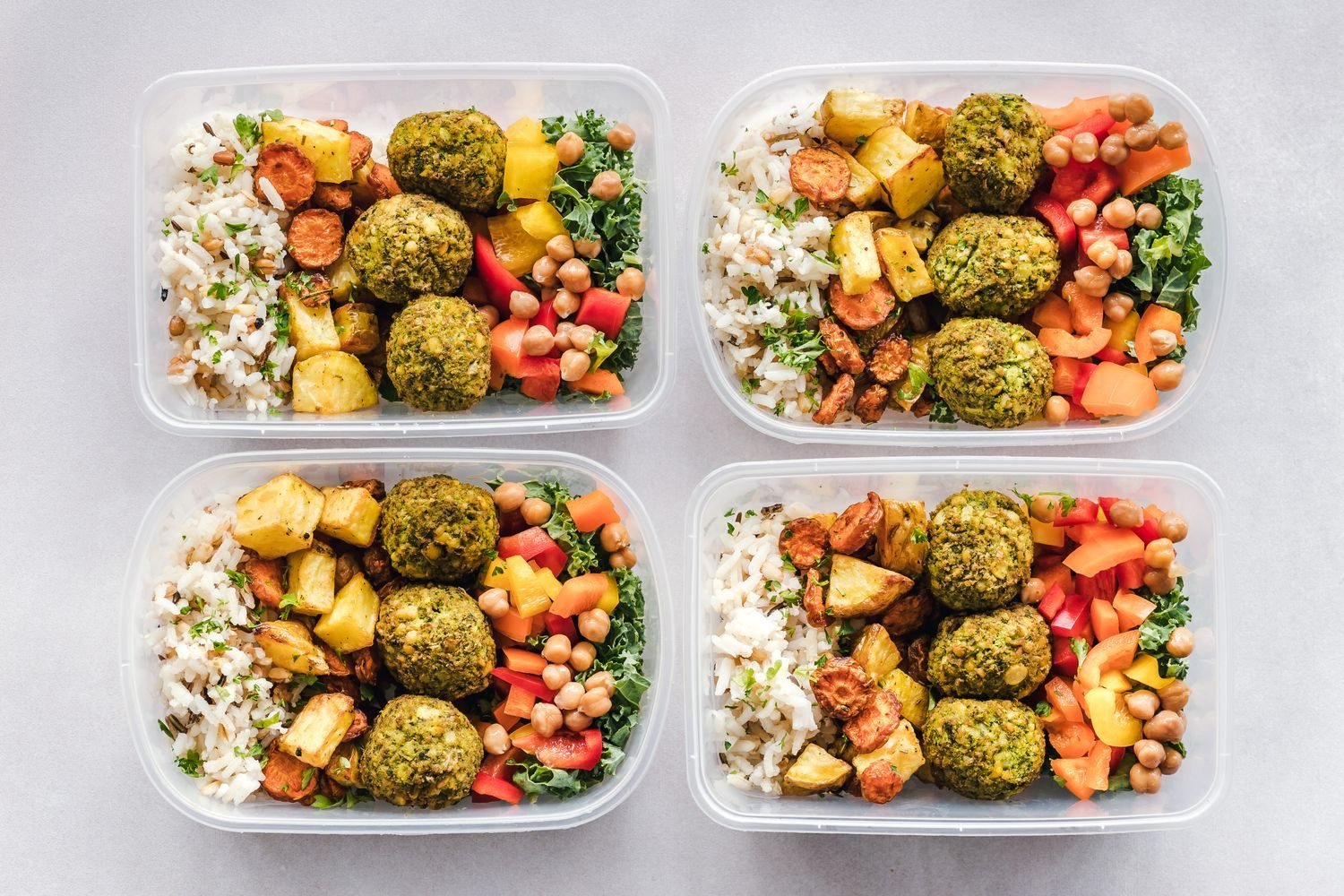
Most days on this plan follow the same rhythm: a fiber-and-protein breakfast, a lunch built around a whole grain plus a legume or vegetable curry, a light evening snack, and a dinner that’s lighter than lunch. Non-vegetarian days swap in fish, egg, or chicken two to three times through the week — roughly matching what the Mediterranean pattern used in NAFLD research recommends, where fatty fish appears a couple of times weekly and red meat is kept occasional rather than routine.
A few running rules make the whole week easier to plan:
- Cook with olive oil or mustard oil in modest quantities instead of deep-frying or using large amounts of ghee.
- Keep added sugar low — that means less sugar in tea/coffee, no sweetened packaged juices, and desserts limited to fruit most days.
- Favor whole grains over refined ones — brown rice, whole wheat roti, millets (jowar, bajra, ragi) instead of white rice and maida-based items.
- Include a legume or pulse most days — dal, rajma, chana, or moong are inexpensive, filling, and rich in the fiber that steadies blood sugar after meals.
- Drink water or unsweetened tea/coffee between meals rather than juice or soda.
These same principles are the backbone of most sensible eating patterns, not just liver-specific ones — if you’re also watching your weight, our nutrition for weight loss guide covers the calorie and portion side of this in more depth.
What should breakfast, lunch, and dinner include on a fatty liver diet?
Rather than rigid recipes, think of each meal slot as a template you can rotate ingredients through:
Breakfast
Aim for a mix of protein and fiber that keeps you full past 11 a.m. — vegetable poha or upma made with minimal oil, moong dal cheela, besan chilla, oats porridge with nuts, or eggs with whole wheat toast all work. Skip the sugary cereal and the white-bread-and-jam routine.
Lunch
This is usually the largest meal: one whole grain (roti, brown rice, or millet), one dal or legume dish, one vegetable sabzi, and a side of salad or curd. If you eat non-veg, this is a good slot for grilled fish or chicken a couple of times a week in place of the dal.
Evening snack
Keep it small and plant-based — a handful of roasted chana, a fruit, sprouts, or buttermilk. This is the slot where biscuits and namkeen usually sneak in, so planning it ahead matters.
Dinner
Lighter than lunch, ideally eaten a couple of hours before bed. A vegetable-based soup or curry with one roti, a small bowl of dal-rice, or grilled fish with sautéed vegetables are all reasonable choices.
7-day fatty liver meal plan (Indian vegetarian and non-vegetarian)
The chart below gives one full week. Vegetarian options are listed first in each cell; where a non-veg swap fits naturally, it’s added after a slash. Portion sizes will vary by your height, weight, and activity level, so treat this as a structure to adapt rather than a fixed prescription.
| Day | Breakfast | Lunch | Evening Snack | Dinner |
|---|---|---|---|---|
| Day 1 | Vegetable poha with peanuts, green tea | Brown rice, moong dal, lauki sabzi, cucumber salad | Roasted chana, buttermilk | 2 multigrain rotis, palak sabzi, small bowl curd |
| Day 2 | Oats porridge with chopped almonds and apple | Whole wheat roti, rajma curry, bhindi sabzi, salad | 1 seasonal fruit | Grilled fish (or grilled paneer) with sautéed vegetables |
| Day 3 | Besan chilla with mint chutney, herbal tea | Millet (jowar) roti, chana dal, mixed vegetable sabzi, curd | Sprouts chaat (no chutney sugar) | Vegetable soup, 1 roti, sautéed broccoli and beans |
| Day 4 | Moong dal cheela with tomato chutney | Brown rice, sambar, beetroot poriyal, salad | Handful of walnuts and a banana | Grilled chicken breast (or tofu) with steamed vegetables |
| Day 5 | Vegetable upma with minimal oil, black coffee | Whole wheat roti, dal makhani (light on cream), karela sabzi | Roasted makhana | Khichdi (moong dal + brown rice) with a side of curd |
| Day 6 | 2 boiled eggs (or moong sprouts) with whole wheat toast | Ragi roti, rajma or chole, cucumber-tomato salad | 1 seasonal fruit | Fish curry (or paneer bhurji) with a small bowl of brown rice |
| Day 7 | Vegetable dalia with a few cashews | Brown rice, mixed dal, lauki-chana sabzi, salad | Buttermilk with roasted cumin | Grilled vegetable and paneer skewers, 1 roti |
How do I make this plan work with an Indian vegetarian kitchen?
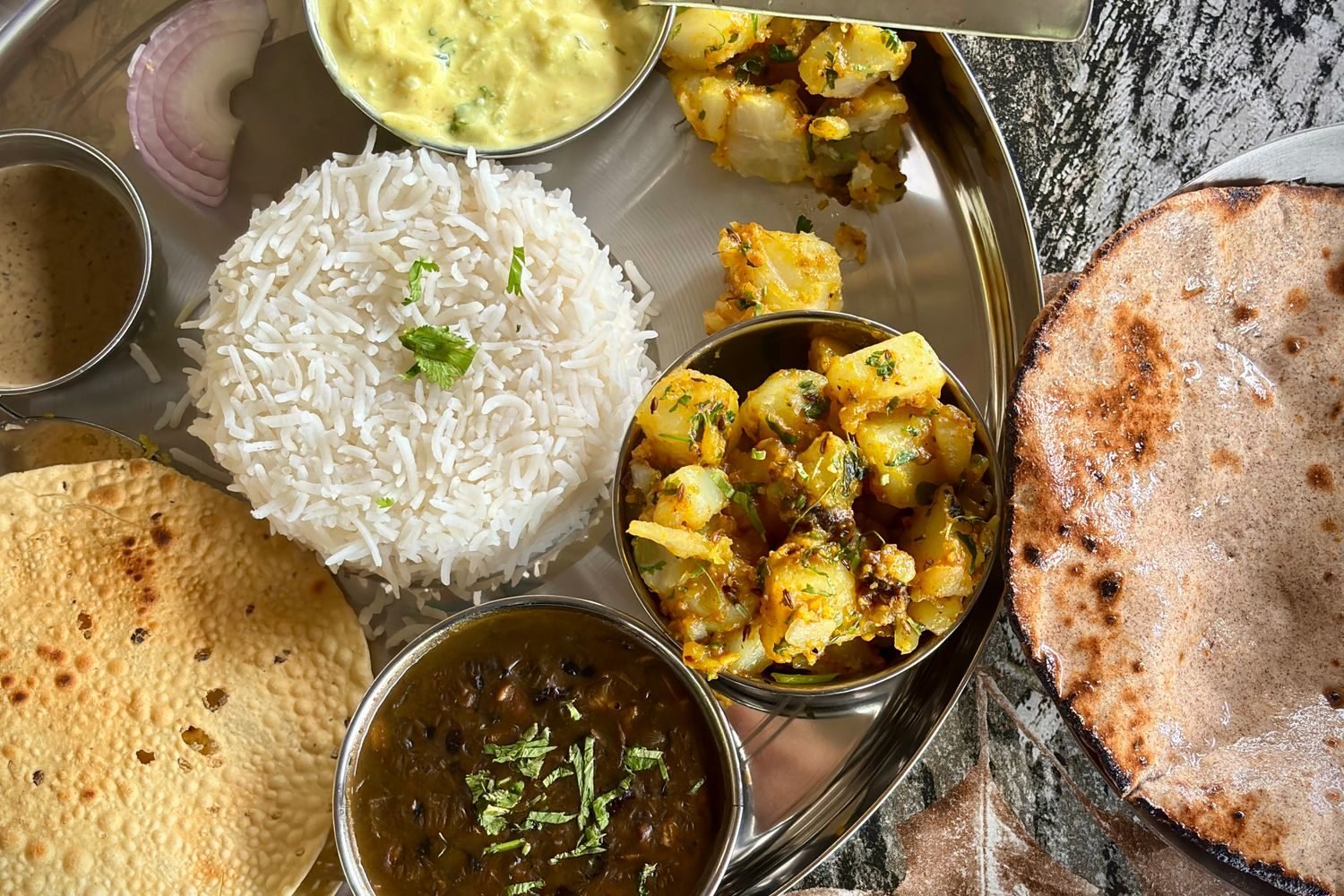
Most Indian vegetarian kitchens are already halfway to a Mediterranean-style pattern — dal, sabzi, and roti is structurally similar to the legumes, vegetables, and whole grains researchers describe in NAFLD studies. The adjustments that matter most: swap refined flour (maida) for whole wheat or millet flour, treat deep-fried snacks like pakoras and samosas as occasional rather than daily, measure oil in spoonfuls instead of pouring freely, and add a fruit or salad to meals that currently skip it. Curd and buttermilk are useful staples — protein and probiotics without added sugar, as long as you skip the sweetened, flavored versions.
Eating out often? Pick tandoori or grilled preparations over fried ones, ask for less oil, and choose dal or sabzi over paneer-in-heavy-gravy dishes when you can.
How do I adapt this plan if I eat non-vegetarian?
The chart above already builds in two to three non-veg swaps through the week — fish on Day 2 or Day 6, chicken on Day 4 — roughly mirroring how the Mediterranean pattern uses fish as a regular protein and keeps red meat occasional. If you eat non-veg most days, a workable approach is to replace the lunchtime dal with fish, egg, or chicken three to four times a week while keeping the vegetable sabzi, salad, and whole grain the same, and to treat red meat (mutton, beef) as an occasional dish rather than a daily one. Frying and heavy gravies are where non-veg meals usually pick up excess saturated fat, so grilling, baking, or a lighter curry base fits the pattern better than a rich makhani-style sauce.
What should I avoid while following this meal plan?
A few items are worth actively limiting rather than just “eating less of”:
- Sugary drinks and packaged juices — these add sugar quickly without any fiber to slow it down. If you’re curious how sugar intake connects to broader cardiometabolic markers, see does sugar raise cholesterol.
- Deep-fried snacks — samosas, pakoras, and chips eaten daily add up fast in oil and refined flour.
- White bread, maida-based items, and sugary breakfast cereals — these behave like sugar in the body due to their low fiber content.
- Excess red and processed meat — sausages, salami, and frequent mutton dishes are best kept occasional.
- Alcohol — even for non-alcoholic fatty liver disease, alcohol adds extra strain on a liver that’s already working harder than it should.
None of this needs to be perfect from day one. Most people find it easier to fix one meal slot at a time — breakfast this week, evening snacks next — rather than overhauling everything at once.
How does this connect to overall heart and metabolic health?
Fatty liver rarely shows up alone — it’s commonly linked with insulin resistance, high triglycerides, and cardiovascular risk factors. That’s part of why the same eating pattern that supports liver health also tends to support heart health; whole grains, legumes, olive oil, and reduced added sugar are core to both. If you want a broader plan that covers heart-focused eating alongside this, our heart-healthy diet plan is a useful companion. And for a wider look at how everyday nutrition choices affect liver function beyond just this 7-day structure, see liver nutrition.
Frequently Asked Questions
Can this 7-day meal plan reverse fatty liver on its own?
Diet is one of the most important tools for managing fatty liver, but “reversal” depends on many factors including weight, activity level, and how far the condition has progressed. This plan supports the process; it isn’t a guaranteed cure. Long-term consistency and medical follow-up matter more than any single week of eating.
Do I need to follow this exact chart every week?
No. Treat it as a template you can rotate ingredients within — swap millets for rice, change which vegetable sabzi you make, or move the fish day around your schedule. What matters is repeating the overall pattern (whole grains, legumes, vegetables, limited fried food and sugar), not the exact dishes.
Is fruit allowed on a fatty liver diet?
Yes, whole fruit is encouraged as part of this pattern because it comes with fiber that slows sugar absorption. The concern is mainly with fruit juice, which removes the fiber and delivers sugar much faster, and with added sugar in general.
How much weight should I expect to lose following this plan?
This article doesn’t estimate weight-loss numbers because that depends on your starting point, calorie intake, and activity level. For the research on how much weight loss is generally associated with liver fat reduction, see our best diet for fatty liver reversal guide.
Should I see a doctor before starting this meal plan?
Yes, especially if you’ve been diagnosed with fatty liver disease or have related conditions like diabetes or high cholesterol. A doctor or hepatologist can confirm your diagnosis and stage, and a dietitian can help tailor portions and macros to your specific labs and goals rather than a generic chart.
Can I follow this plan if I have diabetes as well?
The general structure — whole grains, legumes, vegetables, limited added sugar — is broadly compatible with diabetes management, but portion sizes and specific food choices should be personalized. Loop in your doctor or a dietitian before making changes, particularly if you’re on glucose-lowering medication.
A 7-day plan is really just a starting rhythm — the real value comes from repeating it, adjusting it to your taste and schedule, and checking in with a professional along the way. If you’d like a plan built around your specific reports, preferences, and lifestyle rather than a generic chart, an online nutritionist consultation is a good next step.