A practical nutrition diet chart for weight loss breaks your day into five or six fixed eating windows — breakfast, mid-morning snack, lunch, evening snack, and dinner — each built around a protein source, a fiber source, and a controlled portion of carbohydrate. For most adults aiming to lose weight sustainably, this works out to roughly 1,500-1,800 kcal a day with 90-130g of protein, spread so no single meal leaves you starving before the next one. Below is a full sample day, with swaps and portion cues, so you can build your own chart instead of just reading theory.
This is the “give me the actual plan” version of weight-loss nutrition. For the underlying science — why a calorie deficit works, how protein and fiber affect hunger, and the mistakes that stall progress — see our companion piece on nutrition for weight loss. Here, we’re building the chart itself.
How many calories should your diet chart target?
Your target depends on your current weight, activity level, and how much of a deficit you can sustain without feeling depleted. The National Institutes of Health notes that adult calorie needs generally range from about 1,600-2,400 kcal/day for women and 2,000-3,000 kcal/day for men, with sedentary people at the lower end. To lose weight, guidance points to a deficit of roughly 300-500 kcal below maintenance, which typically produces about 0.5 kg (1 lb) of fat loss per week.
India’s National Institute of Nutrition (NIN) estimates that an average adult needs 2,200-2,300 kcal/day for maintenance, though this varies with body size and occupation. Applying a 500-700 kcal deficit to that baseline is how you land in the 1,500-1,800 kcal range used below. Smaller-framed or largely sedentary women should stay closer to 1,500 kcal; taller, more active men can use 1,800 kcal with slightly larger portions. For a deeper breakdown of calculating your personal number, see our guide on nutrition and calories.
Quick self-check before you start
- Sedentary (desk job, little exercise): aim for the lower end, around 1,500 kcal.
- Moderately active (walks 30-45 min most days, light training): 1,600-1,700 kcal works well.
- Active (structured workouts 4-5 days/week): 1,700-1,800 kcal, with protein pushed toward the higher end of the range.
What does a full-day 1,500-1,800 kcal diet chart look like?
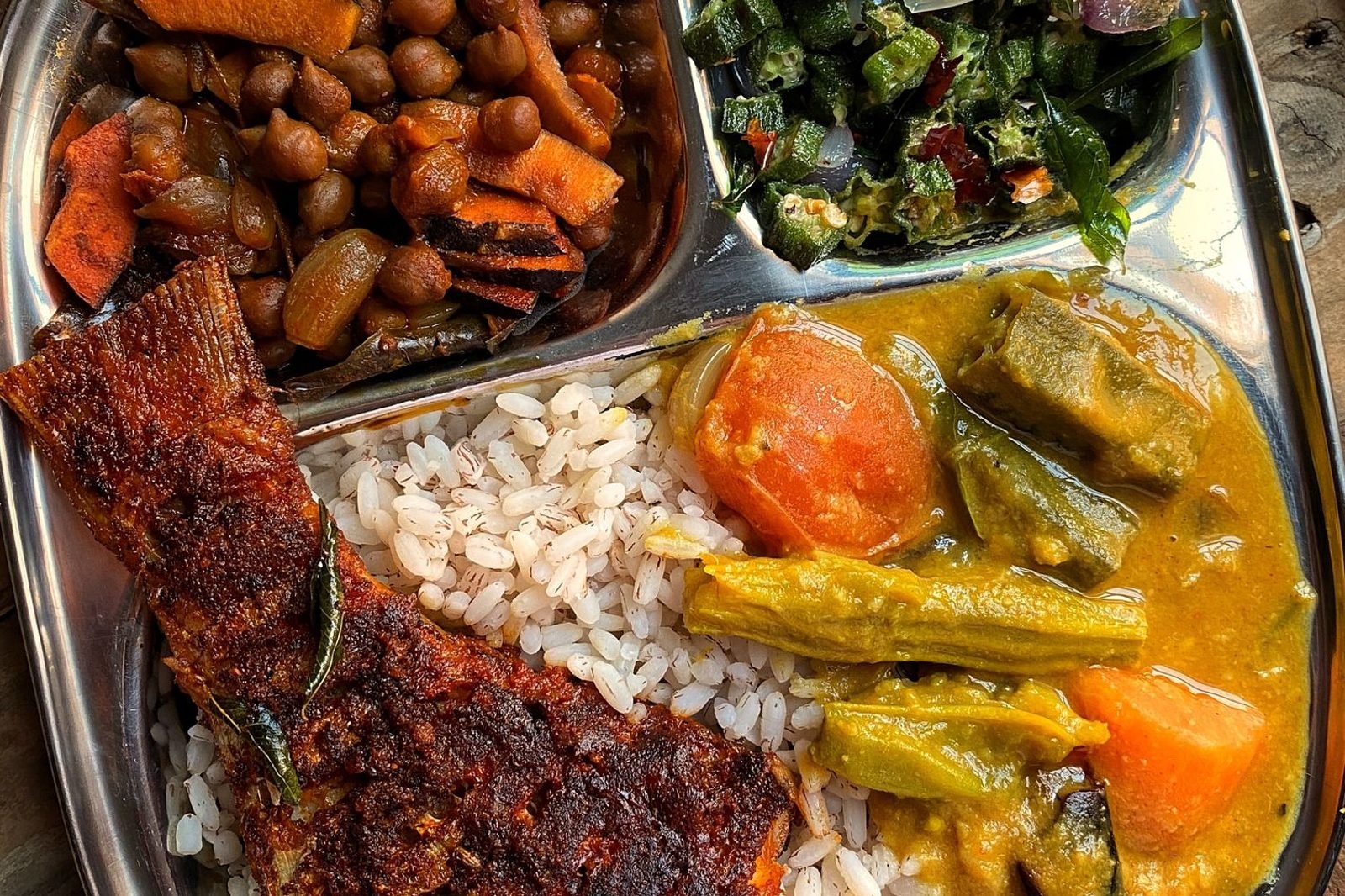
Below is a sample day built around common Indian foods, using the ICMR-NIN 2020 dietary guidelines as a reference — including around 400g of vegetables and fruit daily, visible fat under roughly 20g, and salt below 5g. Adjust portions within each meal to hit your specific target; the structure stays the same whether you’re at 1,500 or 1,800 kcal.
| Meal | Sample foods | Approx. calories | Approx. protein |
|---|---|---|---|
| Early morning (optional) | 1 glass warm water + soaked almonds (5-6) or 1 tsp soaked chia seeds | 60-80 kcal | 2-3g |
| Breakfast | 2 vegetable-stuffed besan/moong dal chillas OR 2 egg whites + 1 whole egg omelette with vegetables + 1 slice whole wheat toast | 300-350 kcal | 18-22g |
| Mid-morning snack | 1 medium fruit (apple, guava, or orange) + a small handful of roasted chana or 5-6 walnuts | 150-180 kcal | 5-6g |
| Lunch | 1-2 multigrain rotis (or ¾ cup brown rice) + 1 cup dal or 100g grilled paneer/chicken/fish + 1 cup mixed vegetable sabzi + 1 cup salad + ½ cup curd | 450-500 kcal | 28-32g |
| Evening snack | 1 cup sprouts chaat OR roasted makhana (20g) with green tea/black coffee | 120-150 kcal | 6-8g |
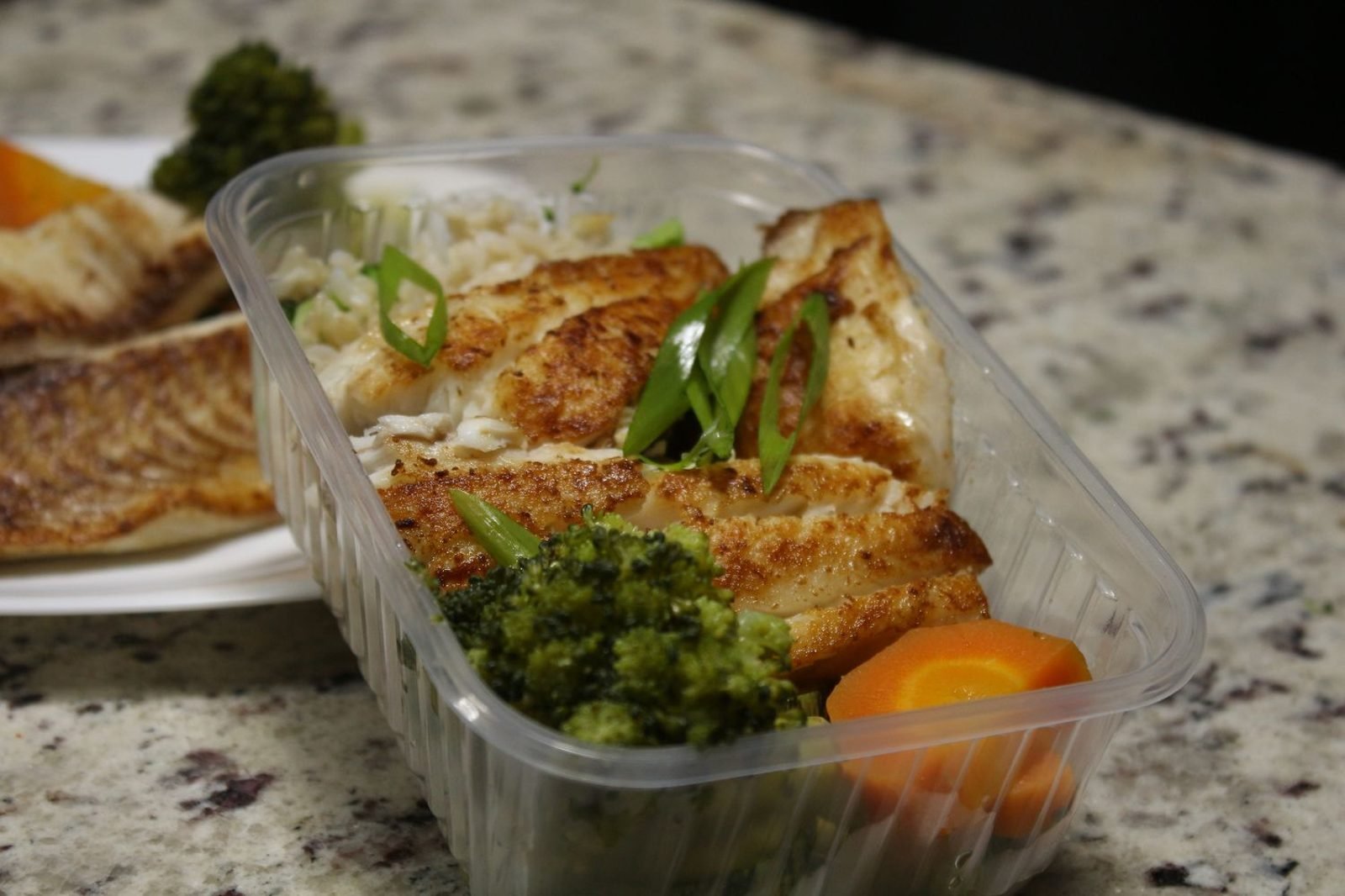
| Dinner | 1 roti or ½ cup quinoa/millet + 100-120g grilled fish/chicken/tofu or 1 cup dal + 1.5 cups sautéed vegetables + cucumber salad | 350-400 kcal | 25-30g |
| Post-dinner (optional) | Herbal tea or warm turmeric milk (low-fat) | 40-60 kcal | 2-3g |
Daily total: approximately 1,470-1,720 kcal and 86-104g protein, sitting inside the 1,500-1,800 kcal deficit range for most moderately active adults. To reach 1,800 kcal, add one extra roti at lunch or dinner, a tablespoon of nuts, or 30-40g more paneer/chicken/fish per meal — this also pushes protein toward the 110-130g range suited to more active people.
How much protein and fiber should each meal have?
The ICMR-NIN 2020 guidelines set the RDA for protein at 0.83g per kg body weight per day for a sedentary adult, which works out to about 50g/day for a 60kg adult. But that’s a baseline for general health, not weight loss. In a calorie deficit, protein needs to run higher to protect muscle mass — most coaching guidance places this between 1.2-1.6g per kg for people doing regular moderate exercise, which is why the chart above lands closer to 90-100g rather than the bare RDA minimum.
Practically, every main meal should carry 20-30g of protein from dal, paneer, eggs, curd, chicken, or fish, with smaller amounts (5-8g) worked into snacks through nuts, seeds, or sprouts. Fiber matters just as much for appetite control — a cup of dal, a bowl of mixed vegetable sabzi, and a side salad at lunch alone can deliver 8-10g of fiber, which slows digestion and keeps you fuller between meals. For more on protein sources and targets, see our guide on protein and nutrition.
Why whole grains and millets matter in the chart
Swapping white rice or maida-based items for whole wheat, brown rice, jowar, or bajra isn’t just an old habit — these have a lower glycemic index and higher fiber content, meaning slower digestion and steadier energy rather than a spike-and-crash pattern. This is why the sample chart above leans on multigrain rotis and millets rather than refined-flour options.
How do you control portions without weighing every meal?
You don’t need a kitchen scale forever, but using one for the first two weeks while you build a mental library of correct portions is genuinely useful. After that, visual cues work almost as well. Mayo Clinic’s portion-control guidance suggests using familiar objects as size references: a fruit serving is roughly the size of a tennis ball (about 60 kcal), and a cooked vegetable serving is about the size of a baseball, or half a cup (about 25 kcal). Research reviewed by Mayo Clinic also found that a portion-control plate combined with basic dietary counseling meaningfully improved weight-loss outcomes compared to no structured portion guidance at all.
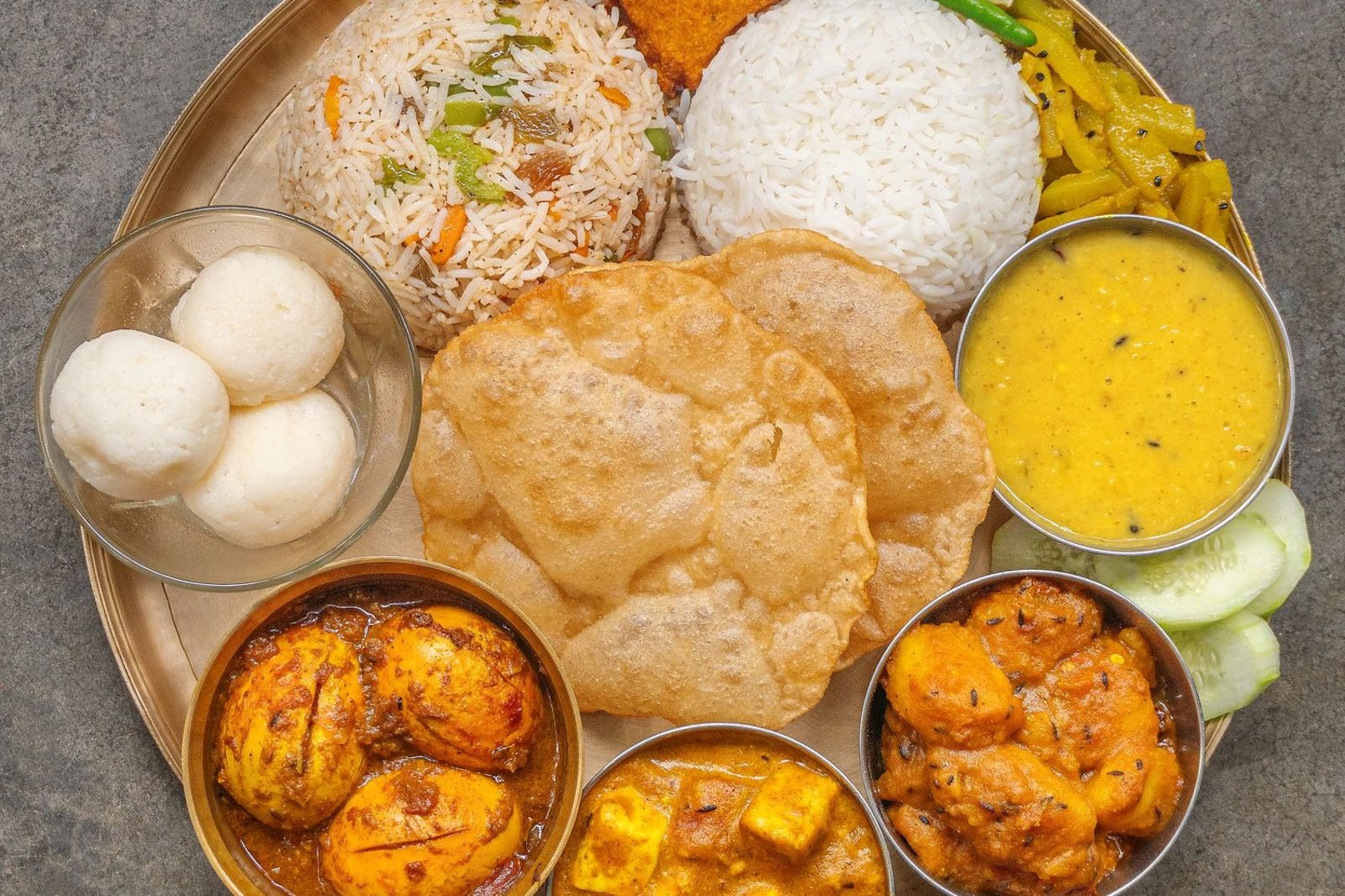
Applied to an Indian thali, this translates simply:
- Grains (rice/roti): about the size of your clenched fist, roughly ¾-1 cup cooked.
- Protein (dal/paneer/chicken/fish): about the size of your palm, roughly 100-120g cooked weight.
- Vegetables: two open cupped handfuls — this should be the largest portion on your plate.
- Fats (ghee/oil): no more than 1 teaspoon per meal, keeping total visible fat under the NIN-recommended 20g/day.
This fist-palm-handful method removes the need for constant calorie counting once you’ve calibrated it against your chart for a week or two. For the bigger picture on getting your macros right across a full day, see our piece on nutritional balance for weight loss.
How do you adjust the chart for vegetarian, non-vegetarian, or eating-out days?
The meal structure — protein, fiber, controlled carb, at every sitting — stays fixed even when the specific foods change. Here’s how to adapt it:
Vegetarian version
Replace chicken/fish/egg with paneer (100g ≈ 18g protein), tofu (100g ≈ 8g protein, very low calorie), or a double portion of dal/rajma/chana (1.5 cups ≈ 20-24g protein). Add a daily glass of milk or bowl of curd to help close the protein gap, since plant proteins alone often run 10-15% short of animal sources unless you deliberately combine lentils with grains.
Non-vegetarian version
Stick to grilled, steamed, or curry-based (not deep-fried) chicken breast, fish, or egg whites. A 100g grilled chicken breast delivers about 165 kcal and 31g protein — one of the most efficient options on the chart for hitting protein targets without excess calories.
Eating-out or travel days
Order one protein-forward dish (grilled tikka, dal, egg curry) and one vegetable side, skip the naan or fried starters, and ask for rice/roti on the side so you control the portion yourself. One indulgent meal doesn’t undo the week — what matters is returning to the chart at the next meal, not the next Monday.
How do you know if the chart is actually working?
Weight loss isn’t linear, so judge the chart over two-to-three-week windows rather than day to day. A realistic, sustainable pace is 0.3-0.5 kg per week — faster loss often means muscle and water, not just fat, and it’s harder to maintain. Track three things alongside the scale: waist circumference (a more stable fat-loss indicator than body weight alone), energy levels through the day, and whether you’re consistently hitting your protein target. If two weeks pass with no movement despite following the chart, the fix is usually a small recalibration — dropping 100-150 kcal or adding 15-20 minutes of daily walking — rather than a complete overhaul. Our article on BMI and nutrition explains how to use BMI alongside these markers to set a realistic target range.
It’s also worth understanding what’s happening physiologically as the chart works — the link between a structured deficit and actual fat loss, versus muscle or water loss, is explained in our guide to nutrition and fat loss. And if you want to round out the chart with natural appetite or metabolism support, without crash diets or unproven supplements, our piece on herbal nutrition for weight loss covers what’s actually backed by evidence.
Frequently asked questions
Can I follow this diet chart if I’m vegetarian?
Yes. Replace non-vegetarian proteins with paneer, tofu, double portions of dal or rajma, and add a daily glass of milk or curd. You may need slightly larger portions of plant protein to match the same gram targets, since they’re generally less protein-dense than meat, fish, or eggs.
How long should I follow a 1,500-1,800 kcal diet chart?
Follow it until you’re within 2-3 kg of your goal weight, then reassess your calorie needs since a lighter body burns fewer calories at rest. Most people can sustain this range for 3-6 months safely, with periodic breaks at maintenance calories to avoid metabolic fatigue.
What if I’m still hungry between meals on this chart?
Add more fibrous vegetables and protein to your snacks rather than more carbs — a cup of vegetable soup, extra salad, or roasted chana adds volume and satiety with minimal calories. Persistent hunger despite following the chart may mean your deficit is too aggressive for your activity level.
Do I need to cut rice and roti completely to lose weight?
No. The chart above includes grains at every main meal — the goal is portion control, roughly a fist-sized serving, not elimination. Removing entire food groups usually backfires by making the plan harder to sustain and increasing the chances of overeating later.
Can I customize this chart for weight loss with PCOS or thyroid issues?
The same structure works, but calorie and macro targets often need individual adjustment since conditions like PCOS and hypothyroidism can affect metabolic rate and hunger signals. It’s best to personalize the base chart with a professional rather than using the generic version unmodified.
Is it okay to skip the early morning or post-dinner items in the chart?
Yes, both are optional and mainly help some people manage hunger or sleep quality. If you’re not hungry first thing or don’t want a bedtime drink, skipping them simply lowers your total intake slightly — just make sure your three main meals still meet your protein target.
A chart gives you the structure, but the right calorie target, protein split, and food swaps for your body, schedule, and medical history still need individual calibration. If you’d like a plan built specifically around your goals, an online nutritionist consultation with FitStrot can turn this framework into a day-by-day plan that actually fits your life.