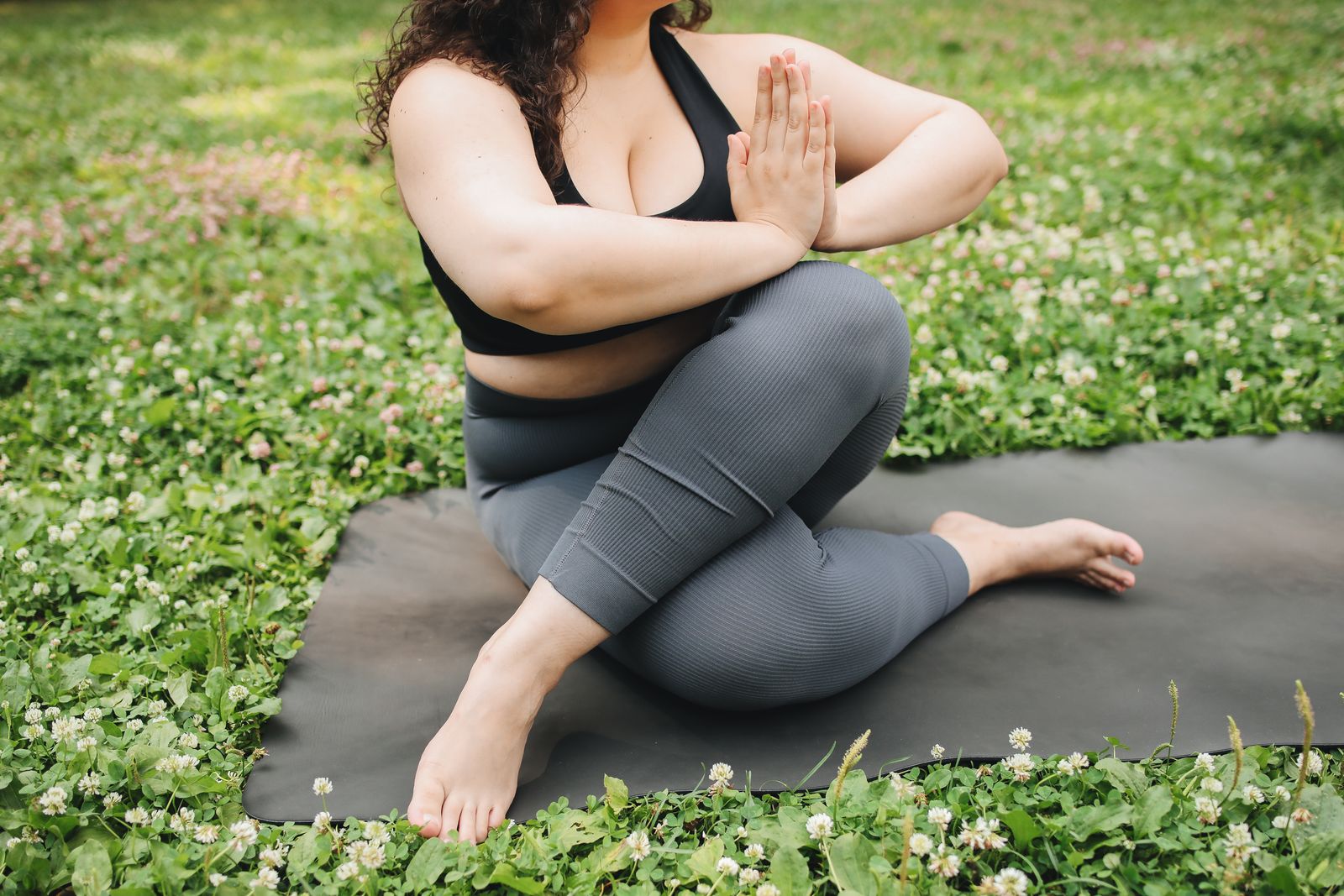
Yoga for obesity works by combining gentle-to-moderate physical postures (asanas), controlled breathing (pranayama), and mindfulness practices that together support fat metabolism, muscle tone, stress-hormone regulation, and long-term adherence to healthier habits. It is not a substitute for medical care or a calorie-aware diet, but as a low-impact, joint-friendly movement practice it helps people who are overweight or obese build strength and mobility safely, reduce the cortisol-driven stress eating that often derails other weight-loss plans, and stay consistent long enough for real change to show up on the scale and in daily energy levels.
What Does “Yoga for Obesity” Actually Mean?
Yoga for obesity is not a single style or a 20-minute fix. It refers to a structured approach that adapts standard asanas, sequencing, and pacing to suit a heavier body, limited joint mobility, or lower baseline cardiovascular fitness. Where a general yoga for weight loss routine might assume a reasonably flexible practitioner, obesity-specific yoga starts from modified poses, uses props like chairs, blocks, and walls for support, and layers in breathwork that lowers stress hormones known to promote abdominal fat storage. The goal in the first few weeks is rarely dramatic fat loss; it is building the strength, balance, and habit of showing up on the mat, which is what makes sustained fat loss possible later.
Can Yoga Alone Help You Lose Weight if You Are Obese?
Yoga alone is unlikely to produce large-scale fat loss the way a calorie deficit combined with cardiovascular exercise does, and no reputable program claims otherwise. What it reliably does is improve the conditions that make weight loss achievable: better sleep, lower resting stress levels, improved insulin sensitivity from regular movement, increased body awareness that reduces mindless eating, and enough muscle activation to raise daily energy expenditure. Most clinicians recommend pairing a structured asana practice with dietary changes and, where appropriate, other forms of exercise such as walking or swimming, rather than treating yoga as a stand-alone weight-loss tool.
How Does Yoga Affect the Body’s Weight-Related Systems?
Several mechanisms are commonly cited when researchers and clinicians discuss yoga in the context of obesity management. Sustained asana practice increases muscular endurance and core strength, which improves posture and daily movement efficiency. Pranayama and relaxation techniques are associated with lower cortisol output, and chronically elevated cortisol is linked to increased visceral fat storage. Regular practice also tends to improve sleep quality, and poor sleep is independently associated with weight gain through disrupted hunger hormones like ghrelin and leptin. None of this replaces the basic energy-balance principle behind weight loss, but it addresses the stress, sleep, and mindset factors that often sabotage otherwise sound diet and exercise plans.
Which Yoga Asanas Are Best for Obesity?
Yoga asanas for obesity are chosen for their ability to build strength and mobility without straining the knees, lower back, or wrists under extra body weight. A well-sequenced beginner routine typically includes:
- Tadasana (Mountain Pose) – establishes alignment and body awareness before more demanding poses.
- Vrikshasana (Tree Pose, wall-supported) – builds balance and leg strength with minimal joint load.
- Setu Bandhasana (Bridge Pose) – strengthens the glutes and lower back while decompressing the spine.
- Bhujangasana (Cobra Pose) – gently opens the chest and strengthens the back without deep forward folding.
- Marjaryasana-Bitilasana (Cat-Cow) – warms up the spine and is safe for almost every body type.
- Trikonasana (Triangle Pose, modified with a block) – works the obliques and hip mobility.
- Supta Baddha Konasana (Reclined Bound Angle) – a restorative pose that supports hip opening and downshifts the nervous system.
Standing balance poses and deep forward folds are usually introduced later, once core strength and hamstring flexibility have improved. A qualified instructor in online yoga classes can adjust each pose in real time based on how it feels for your specific body.
What Is the Ayush TV “Yoga for Obesity” Program?
Ayush TV, a channel affiliated with India’s Ministry of AYUSH, has aired segments and episodes specifically titled “Yoga for Obesity” as part of its broader “Yoga for Life” programming. These segments typically walk viewers through beginner-friendly asana sequences aimed at people managing excess weight, often alongside guidance on diet and daily routine from Ayurvedic and yoga practitioners. They are a useful free starting point for understanding sequencing and pose modification, though a televised or recorded session cannot correct your individual form the way a live instructor can, which is why many people use such content for inspiration and then move to guided, feedback-based classes for actual practice.

How Should a Beginner With Obesity Start a Yoga Practice?
Starting slowly is not a compromise; it is the strategy that produces long-term adherence. Begin with two to three sessions per week of 20 to 30 minutes, focusing entirely on floor-based and chair-supported poses before attempting standing balance work. Use a thicker mat or a folded blanket to protect the knees, keep a wall or sturdy chair nearby for support, and prioritize breath control over depth of stretch. It typically takes four to six weeks of consistent practice before strength gains make previously difficult poses feel manageable, so the early phase should be judged on consistency and how you feel afterward, not on how the pose looks. A short beginner yoga guide alongside a live instructor is the safest way to build this foundation.
What Role Does Breathing (Pranayama) Play in Weight Management?
Pranayama, or controlled breathing, is often underestimated in weight-management contexts because it doesn’t burn many calories directly. Its value lies in nervous-system regulation. Techniques such as Bhramari (humming bee breath), Nadi Shodhana (alternate nostril breathing), and Kapalabhati (a more vigorous cleansing breath, approached cautiously by beginners) are associated with reduced perceived stress and improved focus. Since chronic stress is linked to elevated cortisol and increased cravings for high-calorie comfort food, a daily pranayama practice of even five to ten minutes can indirectly support better eating decisions. For those exploring the topic further, our guide to pranayama breathing techniques covers pacing and precautions in more depth.
How Does Yoga for Obesity Compare to Yoga for Bloating or Digestive Issues?
Obesity and digestive discomfort often overlap, since excess visceral fat can slow digestion and contribute to bloating, but the two conditions call for slightly different sequencing priorities. A program built around yoga for bloating emphasizes twists and gentle compression poses that stimulate peristalsis, such as Ardha Matsyendrasana (seated spinal twist) and Pawanmuktasana (wind-relieving pose). A weight-management-focused sequence borrows some of these same poses but places more emphasis on sustained muscular engagement, longer holds, and standing work to build endurance. Many practitioners benefit from combining both approaches: digestive-focused poses in the morning, strength-building sequences later in the day.
Can Yoga Help With Emotional Eating and Stress-Related Weight Gain?
Yoga’s mindfulness component is one of its most practical tools for people whose weight gain is linked to stress or emotional eating. The practice of pausing to notice bodily sensation, a skill built directly through asana and breathwork, transfers to noticing hunger cues versus emotional triggers off the mat. Meditation and body-scan techniques taught in many yoga classes also build a short pause between an urge and an action, which is often enough to interrupt an automatic reach for food. This is one reason yoga is frequently recommended alongside, rather than instead of, structured nutrition counseling for obesity management. Readers interested in this connection may find our piece on yoga for stress relief useful as a companion practice.
Is Yoga Safe for People With a High BMI or Joint Pain?
Yoga is generally considered safe for people with a high BMI when poses are properly modified, but a few precautions matter. Anyone with existing knee, hip, or lower-back issues should avoid deep unsupported forward folds and high-impact transitions early on, and should use props liberally. People with high blood pressure, which is more common in obesity, should approach inverted poses and vigorous breathing techniques like Kapalabhati cautiously and ideally under instructor supervision. As with any new exercise program, a conversation with a physician before starting is sensible, especially if there are existing cardiovascular or joint conditions. Our overview of yoga for joint pain covers modifications in more detail for anyone managing these concerns alongside weight goals.
How Long Does It Take to See Results From Yoga for Obesity?
Most people notice improved energy, better sleep, and reduced stress within two to three weeks of consistent practice, three to four sessions a week. Visible changes in body composition tend to take longer, generally eight to twelve weeks, and are far more dependent on overall diet and total activity level than on yoga alone. Strength and flexibility gains, such as being able to hold a pose longer or go deeper into a stretch, are usually the first measurable markers of progress and a more reliable short-term indicator than the scale. Tracking energy levels, sleep quality, and how clothes fit tends to be more motivating early on than a strict focus on weight alone.
What Type of Yoga Is Best Suited for Obesity Management?
Not all yoga styles are equally appropriate for someone managing obesity. Restorative and Hatha styles are the most forgiving starting points because they emphasize slow, held poses with ample modification. Once a base level of strength and confidence is built, styles like Vinyasa yoga introduce more continuous movement and cardiovascular demand, which can support further calorie expenditure. Power yoga and faster-paced Ashtanga yoga sequences are generally better suited to a later stage of the journey, once joint stability and stamina have improved. Reviewing the broader landscape of types of yoga can help in choosing a natural progression path rather than jumping to an advanced style too soon.
How Does Yoga for Obesity Fit Alongside Other Fitness Options?
Yoga works best as one component of a broader weight-management plan rather than a stand-alone solution. Many people combine a few weekly yoga sessions with low-impact cardio like walking or swimming, and some add strength-focused classes such as online Zumba classes for variety and higher calorie burn on alternate days. The point of yoga in this mix is recovery-friendly strength building and stress management, which supports rather than competes with the more calorie-intensive parts of a fitness routine. For anyone building a personalized weekly plan, working with a trainer through 1-on-1 personal training can help balance yoga, cardio, and strength work appropriately.
What Mistakes Should Beginners With Obesity Avoid in Yoga?
The most common mistake is attempting advanced poses too early, particularly deep forward folds, unsupported backbends, or vigorous vinyasa flows before building a strength base. A second common error is holding the breath during effort instead of maintaining steady inhalation and exhalation, which increases blood pressure and reduces the calming benefit of the practice. Skipping warm-up poses like Cat-Cow before deeper stretches raises injury risk, especially in the lower back. Finally, comparing your practice to more flexible practitioners in a group class can be discouraging and is simply not a useful measure of progress; consistency and how a pose feels in your own body are far more reliable indicators of whether the practice is working.
How Can a Structured or Gated Yoga Program Help More Than Free Videos?
Free videos, including well-produced ones like the Ayush TV “Yoga for Obesity” segments, are a reasonable introduction, but they cannot adapt to your specific limitations, correct your form, or track your progress over weeks and months. A structured program with live or guided instruction typically includes a starting assessment of mobility and any joint restrictions, a progressive sequence that adds difficulty only once a previous stage is mastered, and direct feedback on alignment that prevents the small form errors that lead to strain injuries. This structured, accountable approach is generally what separates people who stick with yoga for months from those who try a few videos and stop within weeks.
Questions People Ask About Yoga for Obesity
Does yoga burn as many calories as running or cycling?
No. Most yoga styles, apart from fast-paced Vinyasa or Power Yoga, burn fewer calories per session than running or cycling. Yoga’s contribution to weight management comes more from stress reduction, muscle toning, improved sleep, and better body awareness than from high calorie expenditure, which is why it works best alongside cardio rather than replacing it entirely.
Can yoga reduce belly fat specifically?
Yoga cannot spot-reduce fat from any single area, including the belly, since fat loss occurs across the whole body based on overall calorie balance. However, core-engaging poses build underlying muscle tone, and stress-reducing breathwork may help lower cortisol-linked visceral fat storage over time when combined with diet and activity changes.
Is it safe to do yoga if I have never exercised before and am significantly overweight?
Yes, with modifications. Beginner-friendly, prop-supported sequences are specifically designed for exactly this situation. Starting with chair-supported or floor-based poses, avoiding deep unsupported stretches, and checking with a physician first if you have joint pain or cardiovascular conditions makes yoga one of the safer entry points into regular exercise.
How many times a week should I practice yoga for weight management?
Three to four sessions of 20 to 40 minutes per week is a reasonable starting frequency for most beginners managing obesity. This allows enough recovery time between sessions while building the consistency needed to see strength, sleep, and stress-related benefits within the first month.
Should I do yoga before or after meals?
Most instructors recommend practicing on an empty stomach or at least two to three hours after a full meal, since twists, forward folds, and inversions are more comfortable and effective without a full digestive load. A light snack an hour before a session is generally fine if energy levels are low.
Can yoga replace medication or medical treatment for obesity?
No. Yoga is a supportive lifestyle practice, not a medical treatment, and should not replace medication, dietary supervision, or other care prescribed by a physician for obesity or related conditions. It works best as a complementary practice alongside professional medical guidance.
Try This for Yourself
The fastest way to find out whether yoga fits into your own weight-management plan is to practice it with real-time guidance instead of guessing at form from a video. Book an online yoga class with FitStrot and get a sequence built around your current mobility, pace, and goals, with an instructor adjusting each pose as you go.
Related reading: Yoga for Weight Loss, Yoga for Bloating, Beginner Yoga Guide, Yoga for Stress Relief, and explore FitStrot’s online yoga classes to get started today.