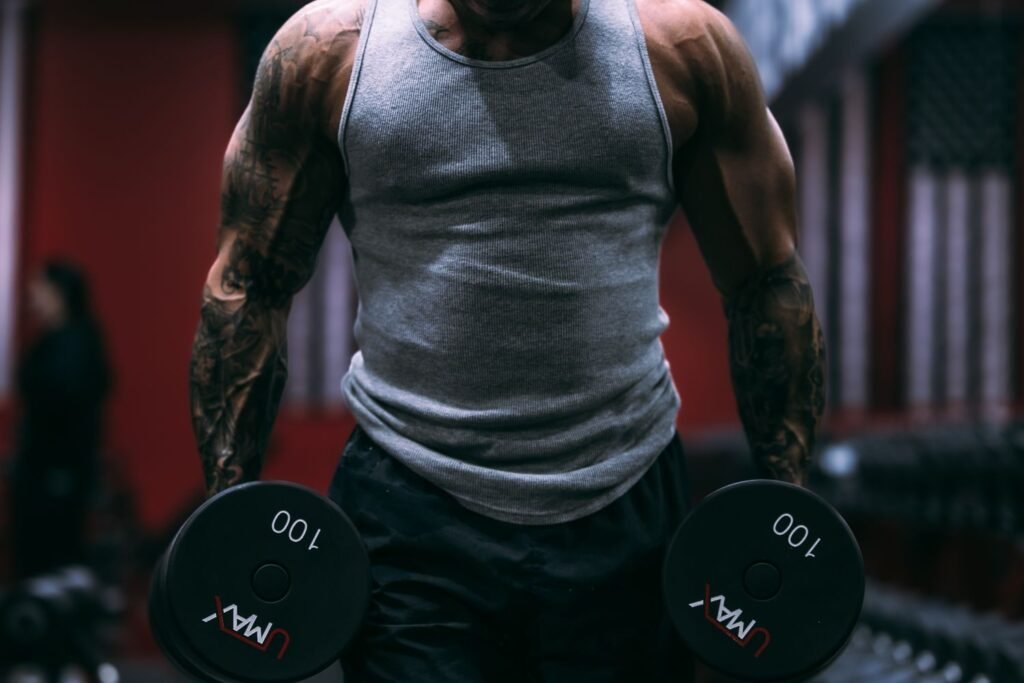
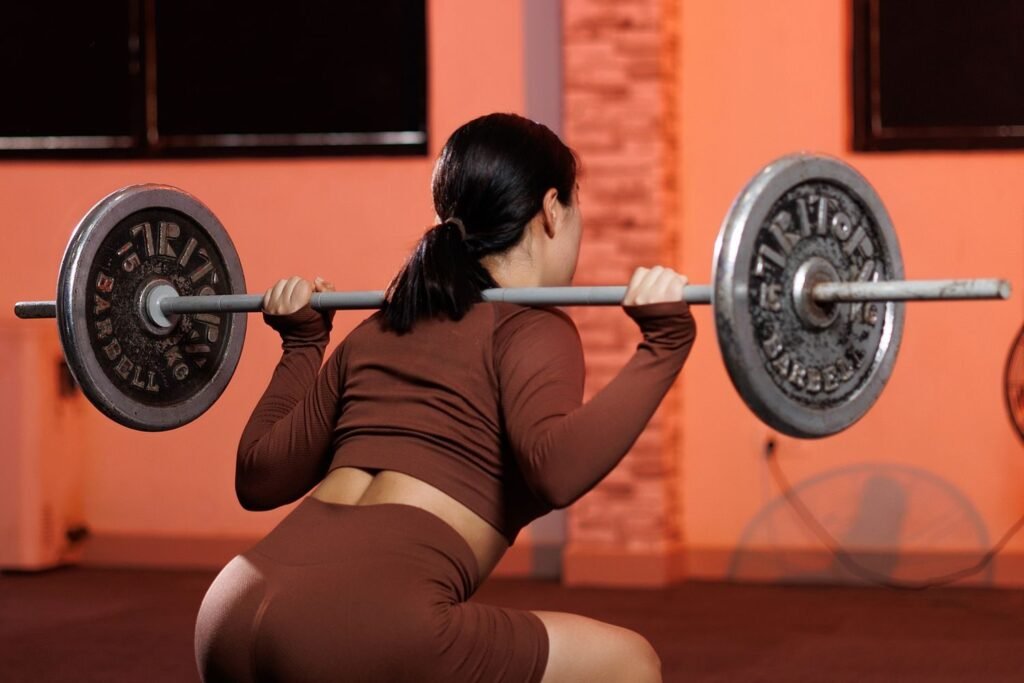
Workouts for women are just workouts, built on the same principles that work for anyone: progressive overload, compound lifts, adequate training volume, and consistency. There’s no separate rulebook for female bodies. What can genuinely differ is emphasis, some women want more glute and lower-body development, some want to train around their cycle, some are training for a sport or a wedding date. The muscle and strength you build follows the same rules either way. This article breaks down what actually matters, clears up the bulk myth, and gives you a real sample workout to start with.
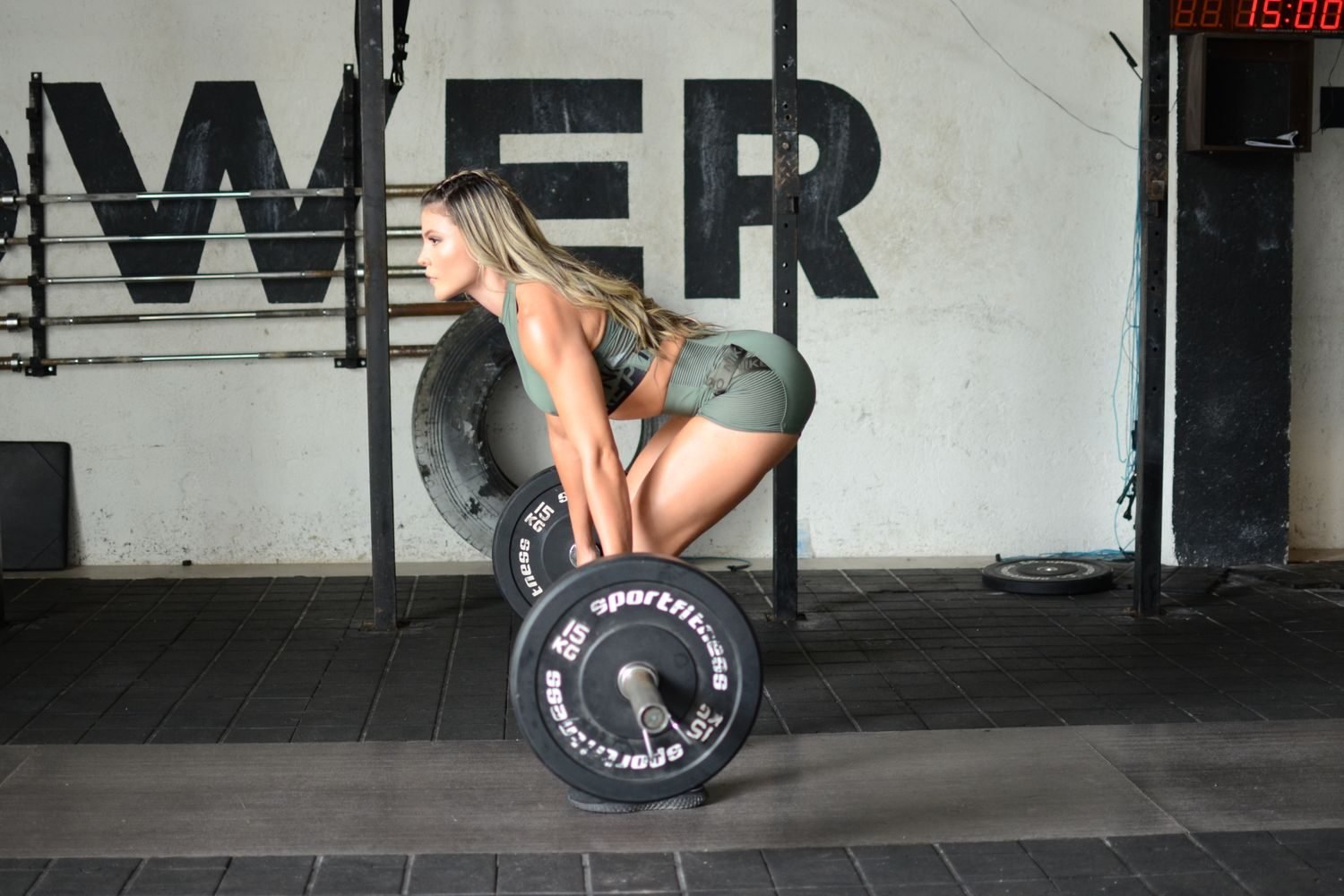
Do women need a different workout than men?
No, not fundamentally. A squat works the same muscles the same way regardless of who’s doing it. Progressive overload, the process of gradually adding weight, reps, or sets over time, is what builds strength and muscle in every trainee. Compound lifts like squats, deadlifts, presses, and rows should form the backbone of any serious program, male or female. Training volume (how many hard sets you do per muscle group per week) needs to be high enough to drive adaptation, and the research on that doesn’t split by sex.
Where the gym industry gets it wrong is packaging “workouts for women” as a separate, lighter category, usually resistance bands, high-rep toning circuits, and cardio. That approach undersells what women’s bodies are capable of. If you want to build strength, muscle, or a leaner physique, you need real resistance training with weights that challenge you, not a workout that avoids the barbell because you’re a woman.
Will lifting weights make you bulky?
Honestly, no, not without deliberate, sustained effort. Building significant muscle bulk requires a large testosterone surplus, and women naturally have roughly 10 to 20 times less circulating testosterone than men. That single hormonal difference is why women who lift heavy for years typically end up toned and strong rather than bulky. The visible “bulk” you see in competitive female bodybuilders comes from years of specific high-volume training, a calorie surplus, and often assistance, not from three strength sessions a week.
What actually happens when women lift heavy weights consistently is fat loss, better muscle definition, stronger bones, and a metabolism that works harder at rest. If you’re worried lifting will make you look “too big,” the honest answer is that it takes a lot more than showing up to the squat rack a few times a week. We see this fear come up constantly with new clients, and it usually disappears within a few weeks of actually training, once they see their body getting leaner and more defined, not bigger.
Where do women’s training needs genuinely differ?
There are a few real differences worth naming, without turning them into stereotypes.
- Lower body and glute preference. Many women want more glute, hip, and hamstring development for both aesthetic and functional reasons, and that’s a completely valid training goal. It doesn’t mean skipping upper body work, but it does mean your program can lean into hip thrusts, Romanian deadlifts, and split squats a bit more than a generic template would. If that’s your priority, our glutes workout guide goes deeper into building a dedicated lower-body plan.
- Menstrual cycle awareness. Energy, strength, and recovery can shift across the cycle for some women. Many feel strongest in the follicular phase (roughly the two weeks after your period ends) and prefer to scale back intensity slightly during the luteal phase or on heavy flow days. This isn’t universal and some women notice no difference at all, but it’s worth tracking your own patterns instead of assuming you must “push through” every session at the same intensity.
- Bone density and pelvic floor considerations. Resistance training is one of the best tools for building bone density, which matters more for women given higher osteoporosis risk later in life. Postpartum women also often need pelvic floor and core rehab work built into their programming before loading heavy again.
None of these differences change the core training principles. They just shape emphasis and pacing.
How do you build a workout for women that actually works?
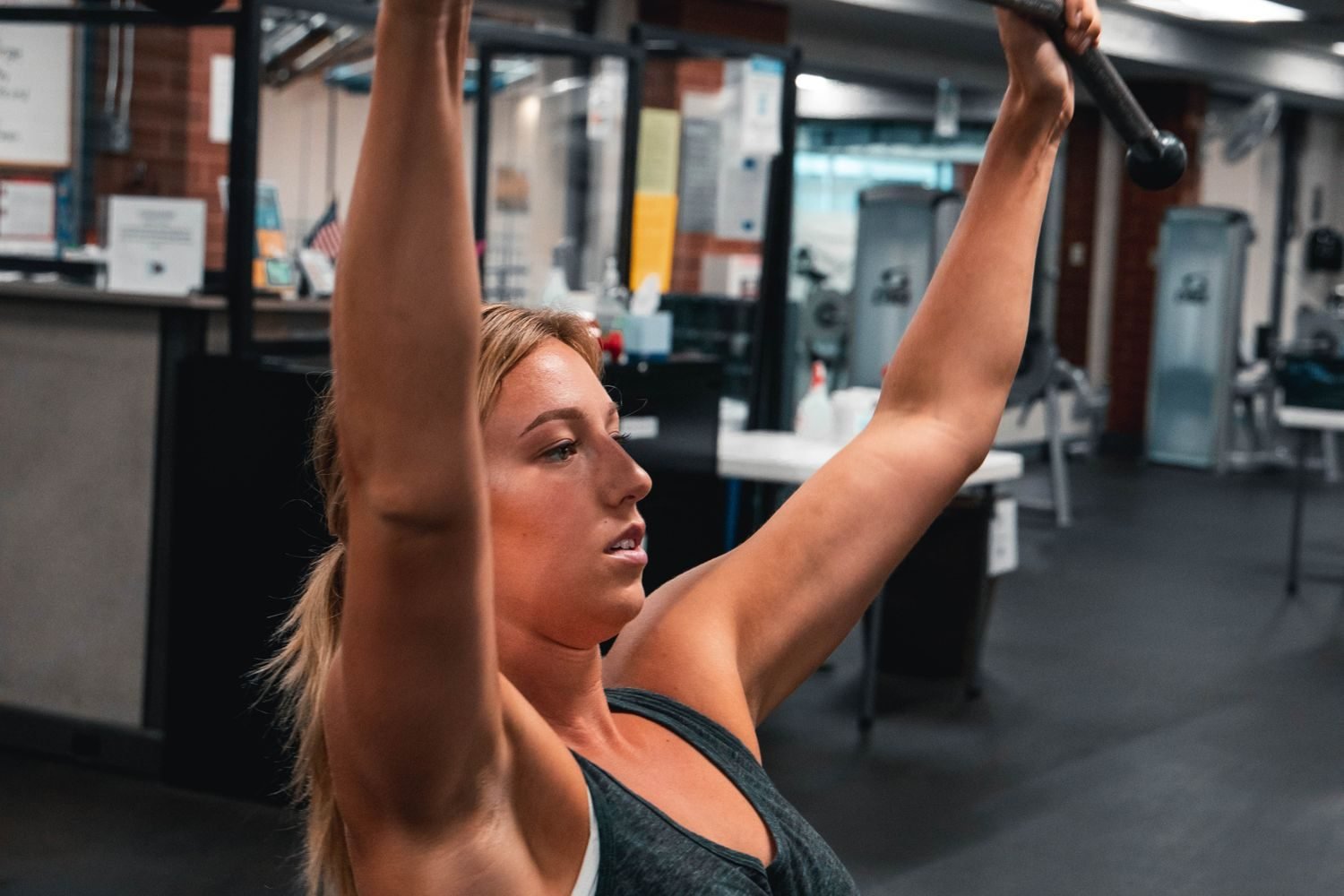
Start with a full-body or upper/lower split, hit each major muscle group two to three times a week, and progress your loads over time. Skip the idea that women need separate “toning” exercises, a bicep curl builds the same bicep regardless of who’s holding the dumbbell. Below is a real full-body strength session you can run three times a week with a day of rest between sessions.
| Exercise | Sets | Reps | Rest |
|---|---|---|---|
| Barbell Back Squat | 4 | 6-8 | 2 min |
| Romanian Deadlift | 3 | 8-10 | 90 sec |
| Flat Dumbbell Bench Press | 3 | 8-10 | 90 sec |
| Bent-Over Barbell Row | 3 | 8-10 | 90 sec |
| Walking Lunges | 3 | 10 per leg | 60 sec |
| Standing Overhead Press | 3 | 8-10 | 90 sec |
| Hanging Knee Raise | 3 | 12-15 | 60 sec |
| Plank | 3 | 30-45 sec hold | 45 sec |
Run this on Monday, Wednesday, and Friday, and add five percent load or one to two reps whenever you complete all sets cleanly. That’s progressive overload in practice, and it’s the single biggest driver of results, far more than which specific exercises you pick. If your focus is more on core and midsection work between strength days, our stomach workouts for women guide covers that in detail.
How many days a week should women strength train?
Three to four sessions a week is the sweet spot for most women balancing a job, family, or studies alongside training. Two sessions a week can maintain what you’ve built but won’t drive much new progress. Five or six sessions works for more advanced lifters, but it needs careful volume management so you don’t end up overtrained and under-recovered. Recovery, sleep, and protein intake matter just as much as the sessions themselves, a workout only produces results once your body has time to repair and adapt.
What should beginners actually do first?
If you’re new to structured training, spend the first four to six weeks learning the core movement patterns, squat, hinge, push, pull, and carry, with lighter loads and full attention on form. Bodyweight or light dumbbell versions of the exercises above work fine for this phase. Rushing straight to heavy barbell work without this foundation is where most injuries and bad habits start. If you’d rather follow a structured plan on your phone while you build this base, our workout for women app guide walks through how to use one properly, and our workout for girls guide is a solid starting point for younger beginners.
FAQs about workouts for women
What are workouts for women?
Workouts for women are strength and conditioning routines built for female trainees, using the same principles as any effective program: progressive overload, compound lifts, and adequate volume. They can include full-body strength sessions, glute-focused lower-body work, core training, or cardio, adjusted to individual goals rather than a separate set of rules based on gender.
How do you do workouts for women properly?
Pick a full-body or split routine, train each muscle group two to three times weekly, and add weight or reps as sessions get easier. Prioritize compound lifts like squats and deadlifts over isolation moves. Track your cycle if it affects your energy, rest adequately between sessions, and eat enough protein to support recovery and muscle growth.
What are the benefits of workouts for women?
Regular strength training builds muscle, improves bone density, boosts metabolism, and lowers injury risk in daily life and sport. It also improves mood, sleep, and energy levels. Contrary to common fear, it does not cause bulk without deliberate effort, most women who lift consistently end up leaner, stronger, and more defined, not bigger.
Can women follow the same workout program as men?
Yes, the underlying principles, progressive overload, compound lifts, sufficient volume, apply equally to both. Programs can differ in emphasis, more glute and lower-body focus, cycle-aware pacing, or postpartum adjustments, but a woman and a man doing the same squat program will get comparable strength gains relative to their starting point and effort.
Do women need to train differently around their menstrual cycle?
Not strictly, but many women notice more strength and energy in the two weeks after their period and prefer lighter intensity during the luteal phase or heavy flow days. This varies a lot person to person. Tracking your own energy and performance across a few cycles is the best way to know if adjusting matters for you.
Building a workout that actually fits your goals, schedule, and recovery takes more than a template pulled off the internet. If you want a program built around your body, your training history, and real progressive overload instead of generic advice, FitStrot’s 1-on-1 personal training pairs you with a coach who adjusts your plan every week based on how you’re actually responding.