A good workout for women app is one that adapts to your fitness level, tracks your progress over time, and gives you clear form guidance instead of just a list of exercises. At FitStrot, we talk to women every week who’ve tried three or four apps before they ever book a coaching call, and the pattern is always the same: the apps that stick are the ones that feel personal, not the ones with the flashiest interface. This article looks at what actually matters when you’re picking one, where the category as a whole falls short, and when it’s worth pairing an app with a real coach.
Why Are So Many Women Turning to Fitness Apps Right Now?
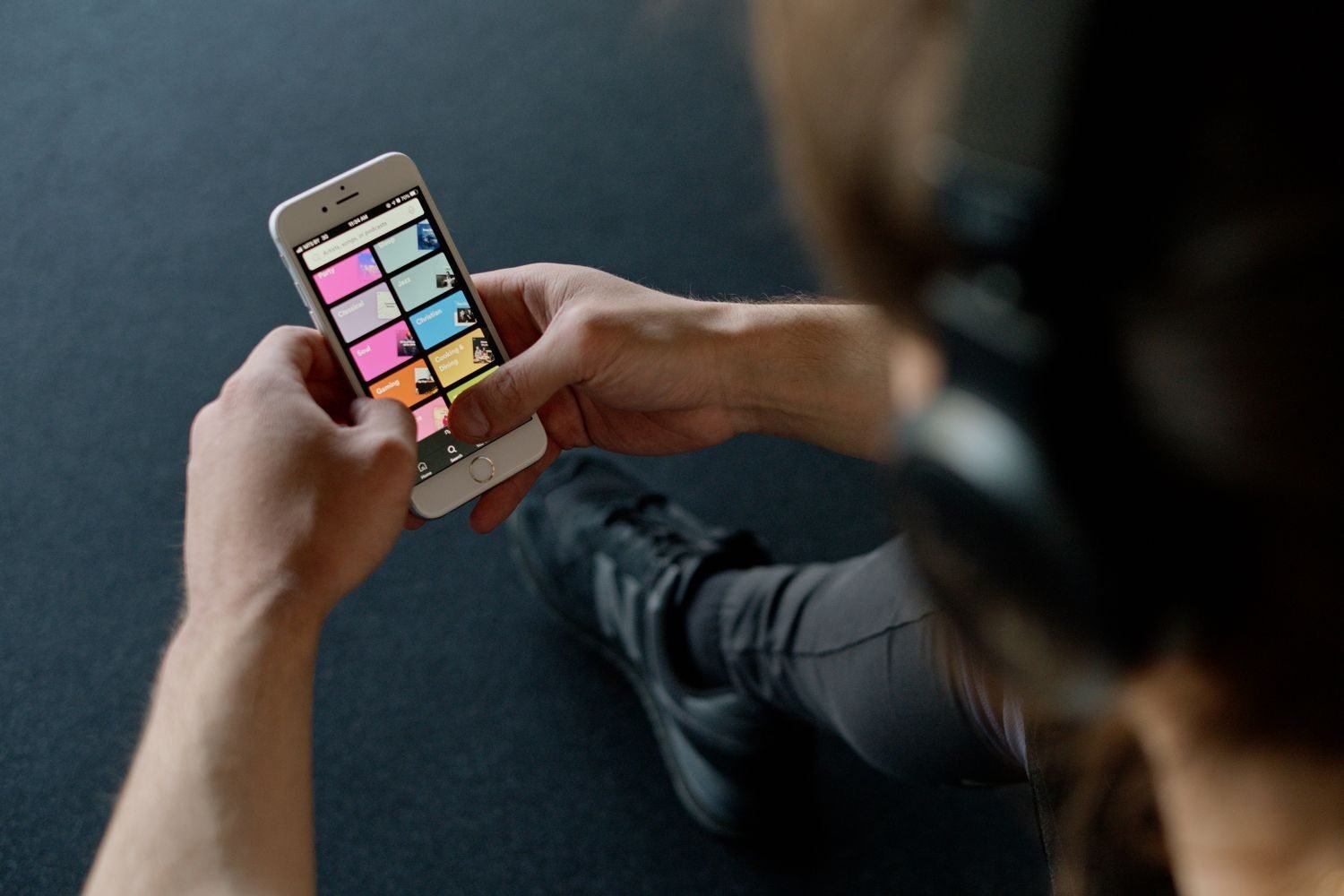
Convenience is the honest answer. Gyms have fixed hours, trainers cost money upfront, and a lot of women in India are juggling work, family, and commute time that leaves little room for a 6 pm class. An app sits on your phone and asks nothing of your schedule except a few minutes to open it. That’s a real advantage, and we’re not going to pretend otherwise.
The other driver is privacy. Some women feel more comfortable following a workout on their own terms before they’re ready to train in front of someone else, whether that’s a gym floor or a video call with a coach. Apps lower that barrier to entry. They’re a reasonable first step for a lot of people, and we tell our own clients this too, before they come to us.
What Should a Workout for Women App Actually Do?
Strip away the marketing and a workout app has three real jobs: show you what to do, help you do it correctly, and keep a record of what you did. That’s it. Everything else, streaks, badges, community feeds, is there to keep you opening the app, which matters for habit-building but doesn’t move the needle on results by itself.
The apps worth using tend to get the basics right first. They ask about your current fitness level before throwing a program at you. They let you log weights, reps, and how a session felt, not just whether you “completed” it. And they explain why an exercise is in the plan, not just that it is. If an app skips straight to a workout without asking anything about you, that’s usually a sign it’s built for engagement, not for actual training.
If you want to understand the actual training philosophy that should sit underneath any program, whether app-guided or coach-led, we cover that separately in our piece on female workout structure and programming. This article is deliberately about the tools, not the training theory itself.
Which Features Actually Matter When You’re Choosing One?
Most app store listings look similar on the surface. Once you get past the screenshots, a few features separate the useful ones from the noise.
- Progress tracking that goes beyond a calendar streak. You want to see weight lifted, reps completed, and how your numbers change over weeks, not just a checkmark for showing up.
- Form guidance with actual visual reference. Video demonstrations or clear cueing matter more than text instructions, especially for movements like squats and deadlifts where small errors compound.
- Personalization based on equipment and time available. A plan built for a full gym is useless if you’re training in a 200 sq ft apartment with two dumbbells.
- Realistic goal-setting. Apps that promise visible results in two weeks are optimizing for downloads, not for your actual physiology.
- Injury and limitation input. Even a basic questionnaire about knee pain or a previous injury shows the app is trying to filter its recommendations, not just push a generic template.
None of these features are exotic. What separates a decent app from a mediocre one is usually whether it actually uses the information you give it, or just collects it and shows you the same plan as everyone else.
What Are the Different Types of Workout Apps for Women?
Broadly, they fall into three categories, and they’re not interchangeable.
Tracking apps are built around logging. You bring your own workout knowledge, and the app records sets, reps, weights, and progress charts. These suit women who already know how to train and want a structured way to see improvement over months.
Guided video apps walk you through a session in real time, often with a trainer on screen demonstrating each move. These work well for beginners who need to see correct form rather than read about it, though the guidance is still generic. The app on your screen has no idea if your shoulder is tight today.
Community-based apps lean on group challenges, leaderboards, and social accountability to keep you consistent. They’re genuinely effective for motivation, particularly for people who respond well to social pressure, but the training content itself is often secondary to the community features.
Most people end up wanting a mix of all three: tracking to see progress, video to learn form, and some form of accountability to stay consistent. Few single apps do all three equally well.
Workout App vs a Human Coach: What’s the Real Difference?
This is the comparison that actually matters, so we’ve laid it out plainly rather than dancing around it.
| What You Need | Workout App | Human Coach |
|---|---|---|
| A structured plan to follow | Yes, usually template-based | Yes, built around your specific goals |
| Form correction | Pre-recorded video demos | Live feedback on your actual movement |
| Adjusting for an injury | Limited, based on generic filters | Real-time modification for you specifically |
| Handling a plateau | Rarely detects it, keeps repeating the cycle | Notices the stall and changes the approach |
| Adapting to a schedule change | Fixed plan regardless of your week | Reworks the session around your day |
| Accountability | Notifications and streaks | A person who actually checks in |
| Cost | Low, often a monthly subscription | Higher, but scaled to individual attention |
Neither side of this table is wrong. An app is a fine tool for a woman who’s consistent, injury-free, and disciplined about logging her own progress. A coach earns their cost when things stop being simple, which for most people happens sooner than they expect.
How Do You Use a Workout for Women App?
Start by entering your current fitness level and goals honestly, not aspirationally. Follow the suggested program consistently for at least four weeks before judging results. Log every session, including weights and how you felt, since that data is what tells the app (and you) whether to progress or hold steady. Use the video guidance for form, and revisit it when a movement feels off.
What Are the Benefits of Using a Workout App for Women?
Apps make training accessible when a gym or trainer isn’t practical, they cost far less than in-person coaching, and they build a habit loop through reminders and tracking. They also give you a workout structure immediately, without needing to research exercise selection yourself. For many women, that’s enough to get consistent movement into a busy week.
Where Do Workout Apps Genuinely Fall Short?
Here’s the part most app marketing won’t tell you. An app can’t feel that your lower back is compensating during a deadlift. It can’t tell that you slept four hours last night and probably shouldn’t be hitting a personal record today. It can’t reroute your entire week when your kid gets sick and your gym time disappears. It gives you the same plan regardless of what’s actually happening in your body and your life.
We see this constantly with women who come to us after months on a generic app: strength plateaus that never got addressed because nothing in the app flagged them, or old workarounds for a knee issue that just needed one proper correction from someone watching them move. The app wasn’t broken. It just couldn’t see what a person could.
Plateaus are the clearest example. Apps are built to repeat a progression model, adding a bit of weight or a rep every week or two. When your body stops responding that way, which happens to almost everyone eventually, the app usually keeps issuing the same instructions because it has no way to recognize that the current approach has stopped working.
When Does It Make Sense to Move Beyond an App?
If you’ve been consistent for a couple of months and your progress has flattened, that’s usually the first sign an app alone isn’t enough. Same goes for nagging pain that doesn’t resolve, or a schedule that keeps breaking your routine because the plan won’t bend. None of that means the app failed you. It means you’ve reached the point where personalization has to go deeper than a questionnaire can capture.
This is where 1-on-1 coaching earns its place. Apps are a fine starting point, and plenty of women use them well for months before ever needing anything more. But a real coach adjusts your session on the day, in response to how you’re actually feeling, your actual injury history, and your actual week, in ways no app is built to do. If you’re at that point, FitStrot’s 1-on-1 personal training is built around exactly this kind of individual adjustment rather than a fixed template.
For broader programming ideas that pair well with any app or coach, our guide to workouts for women is a useful next read, and if core training is your specific focus, we’ve also written a dedicated piece on stomach workouts for women.
Frequently Asked Questions
What is a good workout for women app?
A good one asks about your fitness level and goals before assigning a plan, tracks real progress like weights and reps rather than just streaks, and includes clear video or visual form guidance. It should also let you adjust for available equipment and time, not just push the same template to everyone who downloads it.
How do you use a workout for women app?
Set your goals and fitness level honestly when you first sign up, then follow the assigned program consistently for several weeks before judging it. Log each session’s weights, reps, and how you felt, use the built-in video guidance to check your form, and adjust settings whenever your schedule or equipment changes.
What are the benefits of using a workout app for women?
Apps make structured training accessible without needing a gym membership or a trainer’s schedule, they’re far cheaper than in-person coaching, and they build consistency through reminders and progress tracking. They also give you a workout to follow immediately, which removes the guesswork of programming your own sessions from scratch.