The best stomach workouts for women combine anti-rotation and anti-extension core moves like planks, dead bugs, bicycle crunches, leg raises, and Russian twists, done consistently two to four times a week alongside full-body strength training. But here’s the part most articles skip: no ab exercise burns fat off your belly specifically. A visibly flat stomach comes down to your body fat percentage and how strong your core muscles are underneath it, not which crunch variation you picked.
Why Doesn’t Spot Reduction Work?
We need to get this out of the way first because it shapes everything else in this article. Spot reduction, the idea that doing hundreds of crunches will melt fat specifically off your stomach, doesn’t hold up. Your body decides where it stores and releases fat based on genetics, hormones, and overall energy balance, not on which muscle group you just trained. You can do a thousand crunches a week and still not see your abs if there’s a layer of fat sitting over them.
That doesn’t mean ab exercises are pointless. Far from it. Training your core builds the muscle that gives your midsection shape and function once body fat comes down, and it does a lot of work you can’t see in the mirror, like stabilizing your spine and supporting your posture. The honest answer is that a flat stomach is really two separate projects running at once: reducing overall body fat through diet and activity, and building a strong, well-developed core through targeted training. You need both. Our piece on the female workout approach covers how to structure that training side in more depth.
What Are the Best Core Exercises for Women?
At FitStrot, we build core programs around a mix of movement patterns rather than just stacking crunch variations, because your core does more than flex your spine forward. It also resists rotation, resists extension, and stabilizes you while your limbs move. Here are the exercises we come back to again and again with our clients.
- Planks
- Dead bugs
- Bicycle crunches
- Leg raises
- Russian twists
Planks
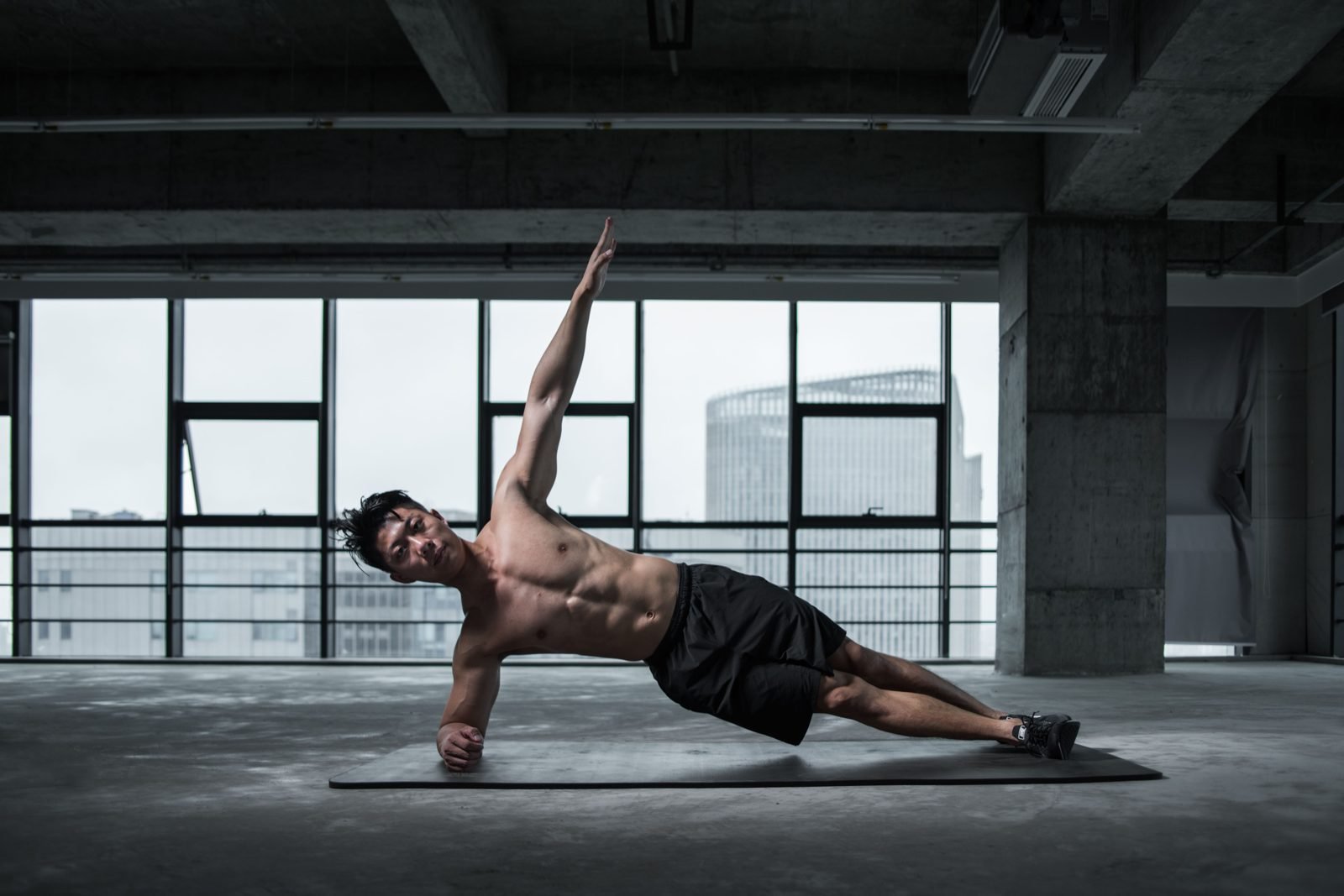
The plank trains your core to resist extension, meaning it keeps your lower back from sagging while your abs stay switched on. Hold a forearm plank with your body in a straight line from shoulders to heels, ribs pulled down, glutes squeezed. Start with 20 to 30 second holds and build from there. Quality beats duration every time.
Dead Bugs
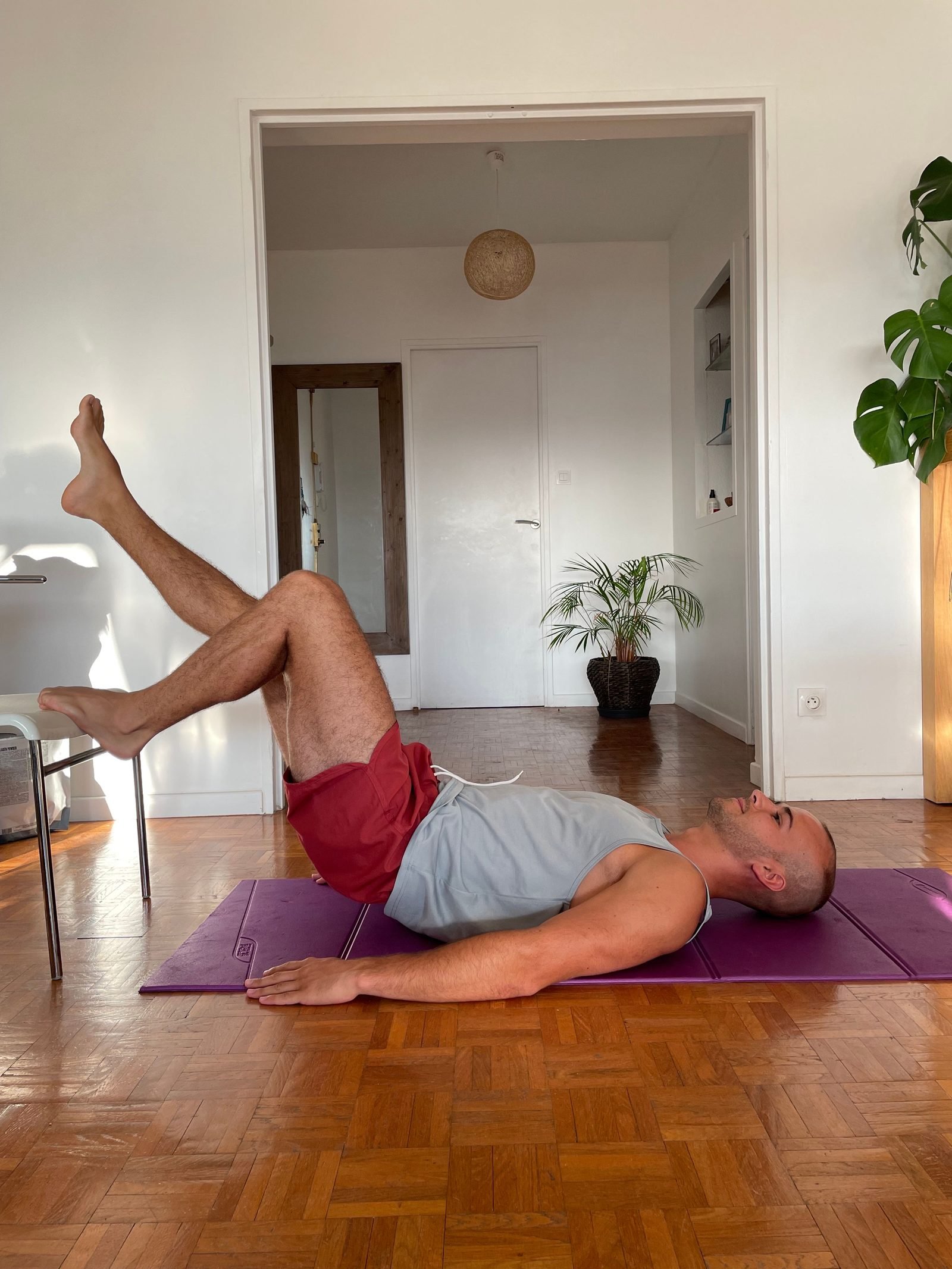
Dead bugs are one of the most underrated stomach exercises for women because they teach your core to stay braced while your arms and legs move independently, which is exactly what happens during real-life activity. Lie on your back, arms reaching up, knees bent at 90 degrees. Slowly lower one arm and the opposite leg toward the floor while keeping your lower back pressed into the mat, then return and switch sides.
Bicycle Crunches
Bicycle crunches hit the rectus abdominis and the obliques together, which makes them efficient for building visible core strength once fat loss is on track. Lie on your back, hands behind your head, and bring opposite elbow to opposite knee in a slow, controlled pedaling motion. Avoid yanking on your neck. Let your abs do the work, not your hands.
Leg Raises
Leg raises target the lower portion of your rectus abdominis and your hip flexors. Lie flat, legs straight, and lift them toward the ceiling while keeping your lower back flat against the floor. If your back arches off the ground, bend your knees slightly or reduce the range of motion until your core strength catches up.
Russian Twists
Russian twists build rotational strength through your obliques, which matters for everyday movements like swinging a racket, turning to grab something, or carrying a child on one hip. Sit with knees bent, lean back slightly, and rotate your torso side to side, tapping the floor or a light weight on each side. Keep the movement controlled rather than fast and flailing.
How Do You Structure a Stomach Workout Routine?
A flat stomach workout for women works best as a short, focused block rather than an endless list of exercises done at random. We usually program 15 to 20 minutes of core work, two to four times a week, layered on top of strength training and some form of cardio for the fat loss side of the equation. Here’s a sample session we’ve used with clients who want to build core strength and definition.
| Exercise | Sets | Reps / Time | Rest |
|---|---|---|---|
| Plank | 3 | 30-45 seconds | 30 seconds |
| Dead Bug | 3 | 10 reps per side | 30 seconds |
| Bicycle Crunches | 3 | 15 reps per side | 30 seconds |
| Leg Raises | 3 | 12 reps | 30 seconds |
| Russian Twists | 3 | 20 reps total | 30 seconds |
Run through this as a circuit, resting briefly between exercises rather than between full rounds, and you’ll get your heart rate up while training your core, which helps a bit with overall calorie expenditure too. Add this to your existing training split rather than replacing your strength sessions. If you’re not sure where core work fits into a broader weekly plan, our guide on workouts for women breaks down how to balance strength, cardio, and recovery across the week.
How Does Core Strength Affect Your Posture and Lower Back?
This is the part of core training that has nothing to do with aesthetics and everything to do with how you feel day to day. Your core isn’t just your abs. It includes your obliques, lower back muscles, and deep stabilizers that wrap around your spine like a natural weight belt. When these muscles are weak, your lower back often ends up compensating during everyday movements like bending, lifting, or even sitting for long stretches.
We see a lot of women come to us with lower back tightness or discomfort that traces straight back to a weak or underused core, not an injury. Once we build up core strength through consistent training, that back tightness tends to ease up noticeably within a few weeks, simply because the spine has proper support again. Strong core muscles also pull your pelvis into a more neutral position, which improves posture and can reduce that lower back arch that makes your stomach look like it’s pushing forward even when body fat is low.
Does Diet Actually Matter More Than Ab Exercises?
Yes, and we’d rather tell you that plainly than let you spend months disappointed. Visible abs are a function of body fat percentage first and muscle development second. You could have a genuinely strong, well-trained core and still not see definition if your body fat is sitting above the range where abdominal muscles become visible, which varies from person to person but is generally lower for this specific area than for most other muscle groups.
Diet is where most of that body fat conversation gets decided. A consistent calorie deficit, adequate protein to protect muscle while you lose fat, and reasonable consistency over weeks and months will do more for how your stomach looks than any ab circuit on its own. That’s not a reason to skip core training. It’s a reason to stop expecting crunches to substitute for a sustainable eating pattern. The two work together: diet reveals the muscle, training builds it.
How Can Personal Training Help With Your Stomach and Core Goals?
A lot of women land on generic ab workouts pulled from random videos, do them inconsistently, and wonder why nothing changes. What actually moves the needle is a structured plan that accounts for your current fitness level, your schedule, your nutrition habits, and how your body responds over time. That’s the gap a coach fills. We build individualized programs that combine core-specific work with full-body strength training and practical nutrition guidance, adjusting as you progress rather than handing you a static plan and hoping for the best.
If you’re training on your own right now, the workout for women app guide walks through tools that can help you stay consistent between sessions. But if you want someone actually watching your form, adjusting your plan, and keeping you accountable week to week, that’s where working with a coach directly makes the difference. You can check out FitStrot’s 1-on-1 personal training service to see how we build a plan around your specific body, goals, and schedule.
Frequently Asked Questions
What are good stomach workouts for women?
Good stomach workouts combine different movement types: planks and dead bugs for stability, bicycle crunches and leg raises for direct ab strength, and Russian twists for rotational control. Together these train your core from multiple angles rather than repeating one motion. Pair them with full-body strength training and a solid diet for real results.
How do you do stomach workouts for women?
Start with a warm-up, then move through core exercises in a circuit format, resting 20 to 30 seconds between movements. Focus on controlled form over speed or rep count, especially with moves like leg raises where a swinging back usually means the exercise has broken down. Train your core two to four times weekly alongside strength and cardio work.
What are the benefits of stomach workouts for women?
Stomach workouts build core strength that supports your spine, improves posture, and reduces lower back strain from everyday movement. They also improve balance and stability for other lifts and sports. While they won’t spot-reduce belly fat on their own, they build the muscle definition that becomes visible once your body fat percentage drops through diet and consistent training.