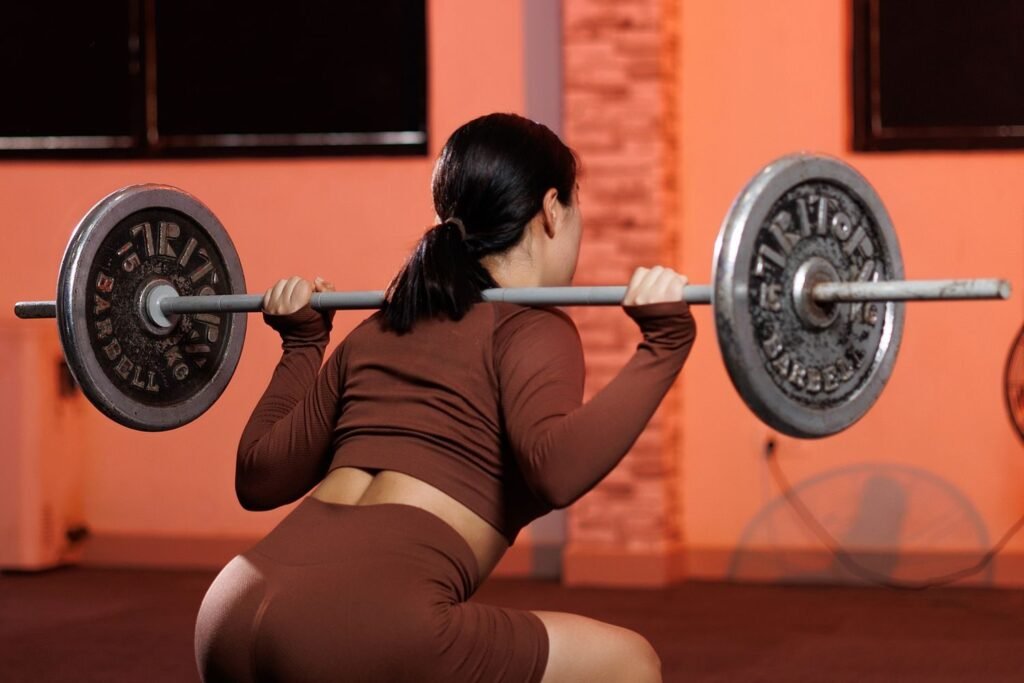
A push pull legs workout is a training split that organizes your gym week around movement patterns instead of individual body parts. Push day covers everything where you press weight away from your body (chest, shoulders, triceps). Pull day covers everything where you pull weight toward your body (back, biceps). Leg day covers your entire lower body (quads, hamstrings, glutes, calves). Most lifters run it either 3 days a week as a beginner introduction or 6 days a week, cycling through the three sessions twice, for faster muscle growth.
We put a large chunk of our online coaching clients onto some version of PPL within their first few months, especially once they’ve outgrown a basic full-body routine. It’s not because it’s trendy. It’s because it lets you hit each muscle group hard, recover it properly, and still train frequently enough to keep progressing. Here’s exactly how we structure it, and where it tends to go wrong.
What Is a Push Pull Legs Workout, Exactly?
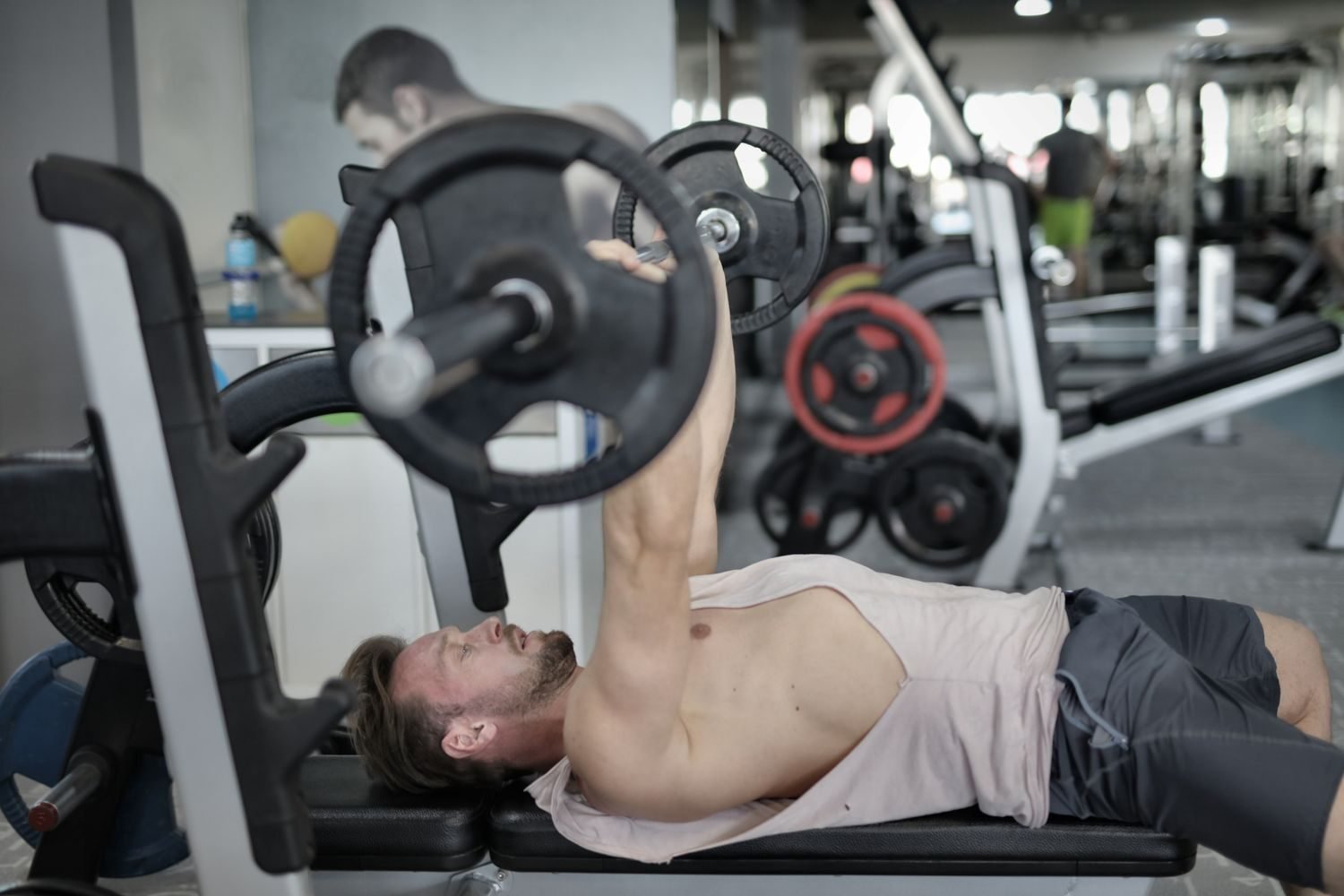
Push pull legs (PPL) is a three-way split built around how muscles function together during compound lifts. Your chest, shoulders, and triceps all work in pushing motions like the bench press and overhead press, so they get trained on the same day. Your back and biceps both work in pulling motions like rows and pull-ups, so they share a day. Your legs, being a completely separate system, get their own dedicated session covering quads, hamstrings, glutes, and calves.
The logic is simple: muscles that work together get trained together, and muscles that don’t overlap get their own recovery windows. That’s different from a “bro split” where you might train chest on Monday and shoulders on Thursday even though your triceps got hammered doing both.
How Do You Structure a Push Pull Legs Split?
You have two realistic options depending on your training age and how many days you can actually commit to the gym. Beginners do better on three days a week. Anyone with six months or more of consistent training under their belt usually benefits more from running the cycle twice in a week.
3-Day Push Pull Legs Split (Beginners)
| Day | Focus |
|---|---|
| Monday | Push |
| Tuesday | Rest or light cardio |
| Wednesday | Pull |
| Thursday | Rest or light cardio |
| Friday | Legs |
| Saturday–Sunday | Rest |
This version trains each muscle group once a week. It’s forgiving on recovery and works well if you’re new to structured lifting, juggling a demanding job, or coming back after time off. If leg day is the session you tend to shortchange, our leg workouts at the gym guide is worth reading before you start, since proper form matters more than intensity in week one.
6-Day Push Pull Legs Split (Intermediate/Advanced)
| Day | Focus |
|---|---|
| Monday | Push |
| Tuesday | Pull |
| Wednesday | Legs |
| Thursday | Push |
| Friday | Pull |
| Saturday | Legs |
| Sunday | Rest |
Running the cycle twice means each muscle group gets trained twice a week instead of once, with the volume split across two sessions rather than crammed into one. A widely cited systematic review and meta-analysis by Schoenfeld, Ogborn, and Krieger (2016), published in Sports Medicine, found that training a muscle group twice a week produced better hypertrophy outcomes than training it once a week when total volume was similar. That’s the entire case for the 6-day version in one sentence: same or similar weekly work, spread across more frequent sessions, tends to grow more muscle than doing it all in one brutal session.
We don’t put every client on the 6-day version, though. If your sleep is inconsistent or your week is already stretched thin, a 4-day push/pull/legs/rest rotation or the straight 3-day split will get you further than a 6-day plan you abandon after two weeks.
What Exercises Go on Each Day?
Push Day (Chest, Shoulders, Triceps)
| Exercise | Sets | Reps |
|---|---|---|
| Barbell or Dumbbell Bench Press | 4 | 6-10 |
| Overhead Shoulder Press | 3 | 8-12 |
| Incline Dumbbell Press | 3 | 10-12 |
| Lateral Raise | 3 | 12-15 |
| Triceps Pushdown or Dips | 3 | 10-15 |
Pull Day (Back, Biceps)
| Exercise | Sets | Reps |
|---|---|---|
| Deadlift or Barbell Row | 4 | 5-8 |
| Pull-Up or Lat Pulldown | 3 | 8-12 |
| Seated Cable Row | 3 | 10-12 |
| Face Pull | 3 | 12-15 |
| Barbell or Dumbbell Curl | 3 | 10-12 |
Leg Day (Quads, Hamstrings, Glutes, Calves)
| Exercise | Sets | Reps |
|---|---|---|
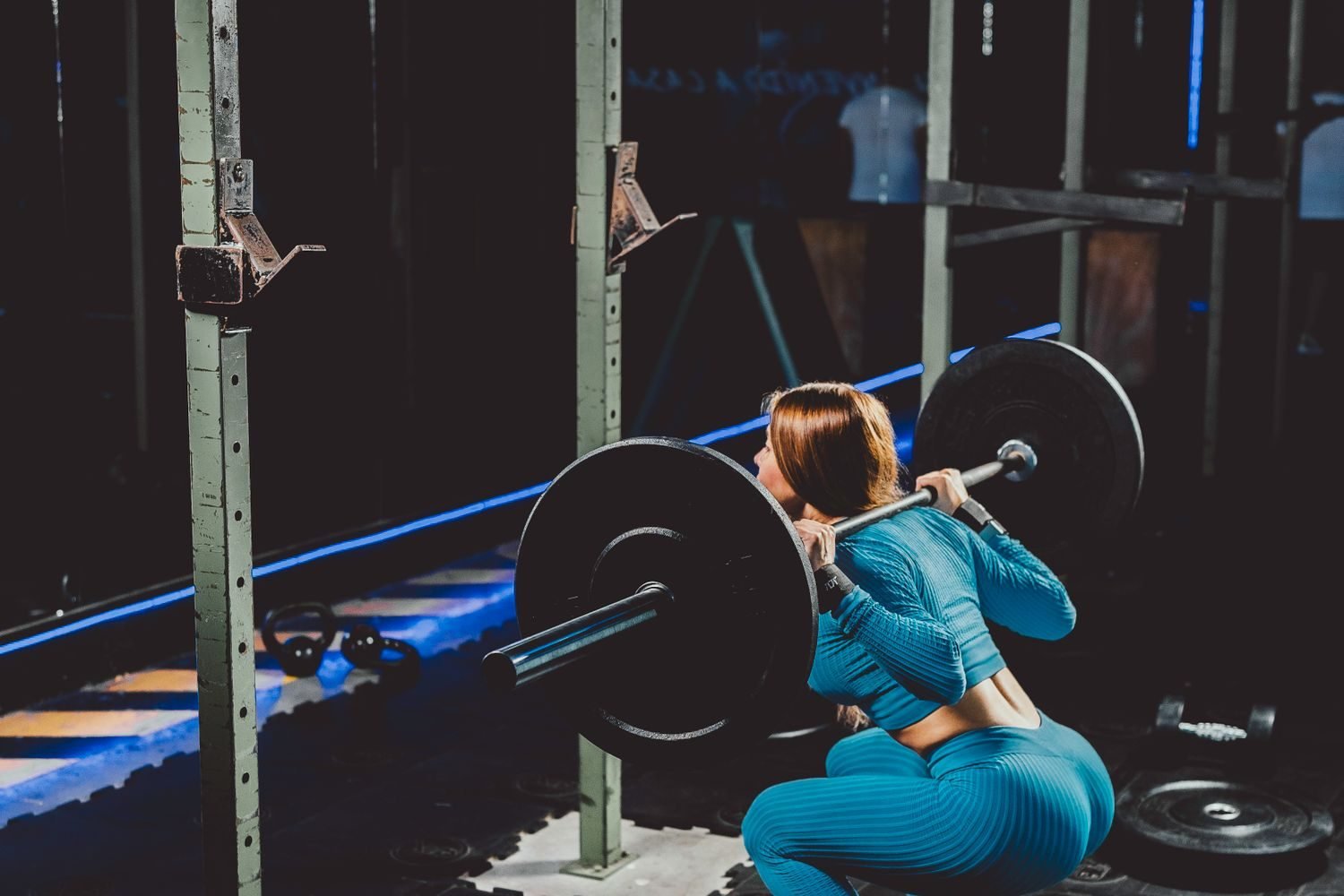
| Barbell Back Squat | 4 | 6-10 |
| Romanian Deadlift | 3 | 8-12 |
| Leg Press or Walking Lunge | 3 | 10-12 |
| Leg Curl | 3 | 10-12 |
| Standing Calf Raise | 4 | 12-15 |
Leg day gets skipped or shortened more than any other session, and it shows up later as an obvious upper/lower imbalance. We’ve also put together a separate resource on leg workouts for women at the gym, since the goals and emphasis often differ enough to warrant its own plan.
What Are the Benefits of a Push Pull Legs Workout?
The biggest benefit is training frequency without overlap. Because push, pull, and legs don’t share muscle groups, you can train hard on consecutive days without one session interfering with the next day’s recovery. That’s a real advantage over splits that scatter overlapping muscles across the week.
It’s also easy to scale. A beginner runs it three days a week and gets a clean, low-complexity introduction to structured training. Someone chasing serious hypertrophy runs it six days a week and gets near-optimal frequency per muscle group. Same split, two very different training ages, both served well.
The other underrated benefit is mental. Knowing “today is push day” removes decision fatigue. You walk in with a clear job to do instead of standing at the rack wondering what to train.
Who Should Avoid a 6-Day Push Pull Legs Split?
Anyone new to lifting, anyone with a job or life schedule that makes six gym days unrealistic, and anyone who hasn’t built a base of general conditioning yet. We see this constantly with new online coaching clients: they see a 6-day PPL split on social media, jump straight into it, and burn out or get hurt within three weeks because their joints and connective tissue weren’t ready for that volume. If gym access rather than time is your constraint, our leg workouts for men at home guide covers how to train legs effectively without a squat rack.
Recovery capacity matters as much as the program itself. A few factors determine whether six sessions a week will build you up or grind you down:
- Sleep — the primary window where muscle repair and growth actually happen.
- Protein intake — without enough daily protein, added training volume won’t convert into muscle.
- Stress levels — chronic stress raises cortisol and blunts recovery between sessions.
- Training age — more experienced lifters generally recover faster from higher training frequency.
If any of those are shaky, the 3-day or 4-day version will get you better long-term results than a 6-day split you can’t sustain.
If you want to see how PPL fits alongside other splits like upper/lower or full-body training, our gym workout plan guide covers the fuller picture of structuring a week around your goals and schedule.
How Long Should You Run a PPL Split Before Changing It?
Run it for at least 8 to 12 weeks before judging it. Muscle growth and strength gains from any well-designed program take time to show up, and switching splits every few weeks is one of the most common reasons people don’t progress. Track your lifts. If your weights or reps are climbing on most exercises, the plan is working, even if the mirror hasn’t caught up yet.
Deload every 6 to 8 weeks if you’re running the 6-day version, especially once your working weights start climbing. A lighter week isn’t lost progress. It’s what lets you keep pushing without your joints or nervous system breaking down first.
Should You Build Your Own PPL Plan or Get One Built For You?
A generic PPL template off the internet will get a beginner most of the way there. Where we see people plateau is in the details a template can’t account for: how much volume you can actually recover from, which exercises suit your joints and limb lengths, how your split should shift as life gets busier or your goals change from muscle gain to fat loss.
That’s the gap our 1-on-1 personal training program is built to close. It’s a 12-week coaching plan with a workout program built around your body and schedule, direct WhatsApp support, and video-based form correction so your push, pull, and leg days are actually building the muscle you’re training for instead of just accumulating fatigue.
FAQ
What is a push pull legs workout?
A push pull legs workout is a training split that groups exercises by movement pattern. Push day trains chest, shoulders, and triceps. Pull day trains back and biceps. Leg day trains quads, hamstrings, glutes, and calves. It can be run three days a week for beginners or six days a week, cycling twice, for more advanced lifters.
How do you do a push pull legs workout correctly?
Pick a frequency you can realistically sustain, either 3 or 6 days a week. Train each session with a mix of compound lifts and isolation work, keep 1-2 reps in reserve on most sets, and progress weight or reps over time. Rest at least one day between repeated sessions if you’re newer to training.
What are the benefits of a push pull legs workout?
PPL lets you train frequently without overlapping fatigued muscle groups, since push, pull, and leg days don’t share the same tissue. It scales cleanly from beginner to advanced, supports higher weekly training frequency per muscle group, and gives your week a simple, repeatable structure that removes guesswork from each session.
Can beginners do a 6-day push pull legs split?
Most beginners are better served by the 3-day version first. Six days a week demands recovery capacity, joint readiness, and consistency that usually takes a few months of training to build. Jumping straight into 6-day PPL as a beginner is a common reason people burn out or get injured early.
Does push pull legs build muscle faster than other splits?
PPL isn’t inherently faster than a well-run upper/lower or full-body split matched for volume. What it does well is make higher training frequency practical, which research on resistance training frequency links to better hypertrophy outcomes when weekly volume is comparable. The split that works best is the one you can train hard and stay consistent with.