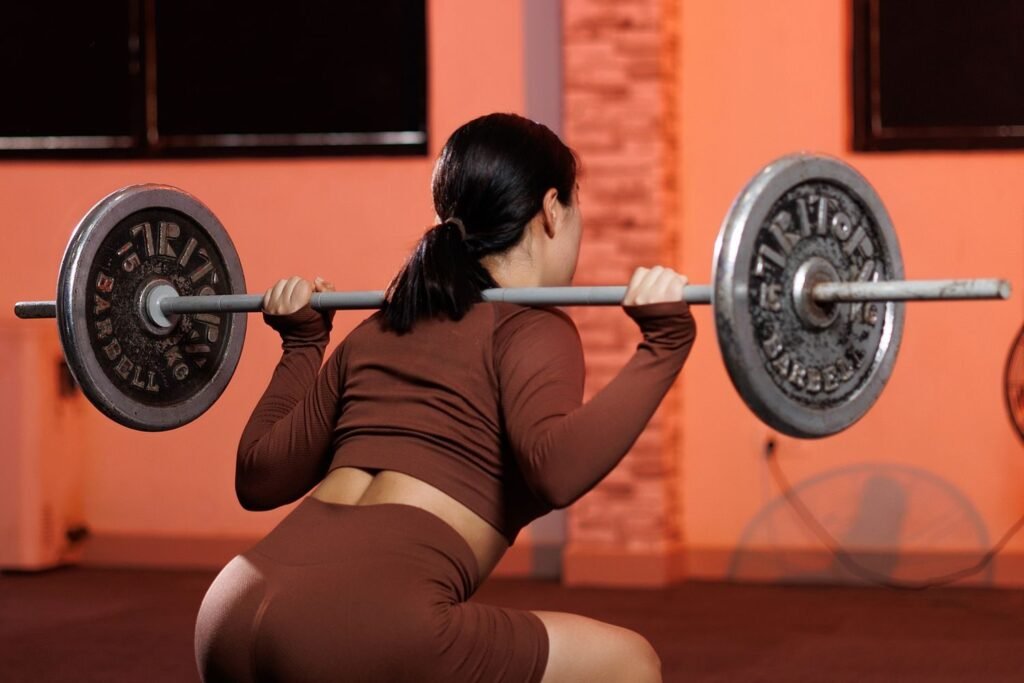
A chest gym workout chart is a simple reference table that lays out every exercise you need for a complete chest session, along with the equipment, sets, reps and coaching notes for each one. A proper chart covers all three regions of the chest, upper, middle and lower, so you’re not just hammering flat bench week after week while the rest of the muscle lags behind. Print it, pin it near your bench, and use it as your session guide until the movements and numbers become second nature.
What Should a Complete Chest Workout Chart Include?
A good chart does more than list exercise names. It tells you which part of the chest each move targets, what equipment you need, how many sets and reps to do, and a coaching cue that keeps your form honest. Without that last column, most lifters just go through the motions and wonder why their chest isn’t changing shape. We built the chart below to work as both a beginner’s starting point and a reference sheet for anyone who wants a structured chest day. For a broader look at how chest training fits into your weekly split, our chest workouts guide covers programming in more depth.
The Complete Chest Gym Workout Chart
Here is the full chart, upper chest first, then middle, then lower. Run through it in order for a complete session, or pull individual rows to plug into your own split.
| Exercise | Target Area | Equipment | Sets | Reps | Notes |
|---|---|---|---|---|---|
| Incline Barbell Bench Press | Upper chest, front delts | Barbell, incline bench | 4 | 6-8 | Set the bench to 15-30 degrees. Go higher and it turns into a shoulder press. |
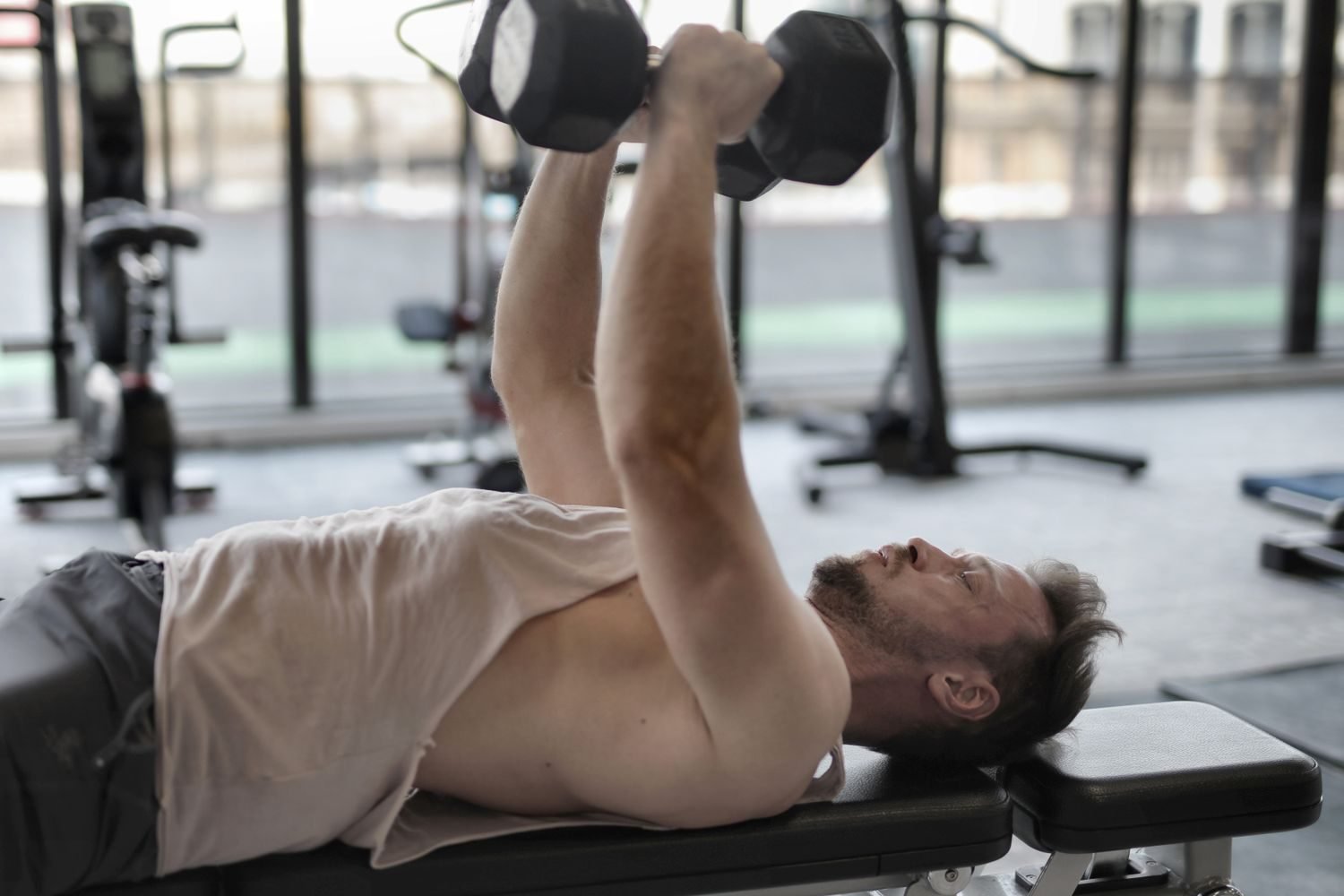
| Incline Dumbbell Press | Upper chest | Dumbbells, incline bench | 3 | 8-10 | Each arm moves on its own path, which is useful if one side is weaker than the other. |
| Low-to-High Cable Fly | Upper chest | Cable machine | 3 | 12-15 | Set pulleys low, squeeze hard at the top, and keep a slight bend in the elbow throughout. |
| Incline Dumbbell Fly | Upper and inner chest | Dumbbells, incline bench | 3 | 10-12 | Stretch under control on the way down. Don’t drop the weights, and press back up in a wide arc. |
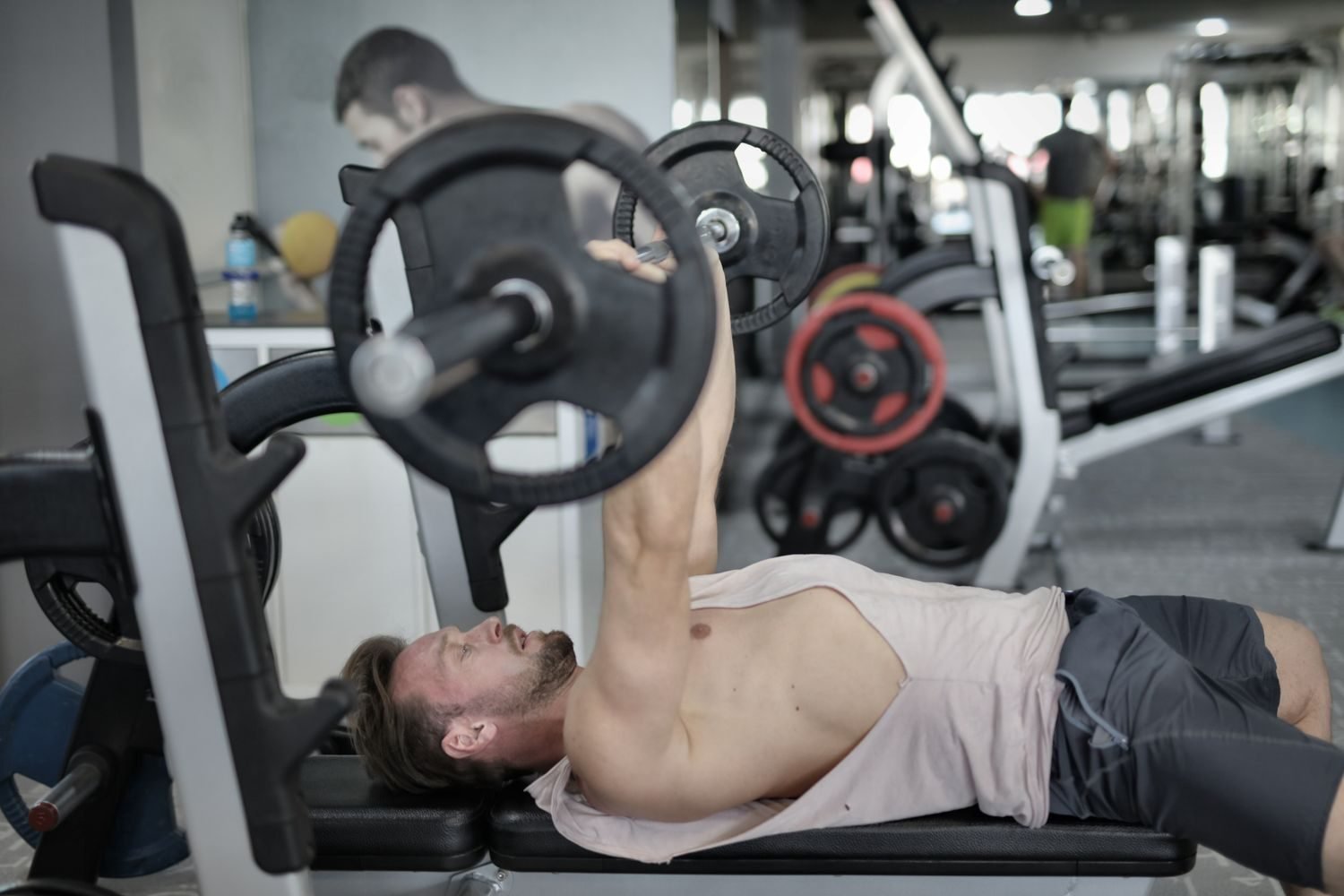
| Flat Barbell Bench Press | Middle chest, triceps, front delts | Barbell, flat bench | 4 | 6-8 | The main mass builder for the chest. Keep feet planted and a natural arch in your lower back. |
| Flat Dumbbell Press | Middle chest | Dumbbells, flat bench | 3 | 8-10 | Gives a deeper stretch than the barbell version. Rotate your palms slightly inward at the top. |
| Flat Dumbbell Fly | Middle chest | Dumbbells, flat bench | 3 | 12-15 | Go light here. This move is about stretch and squeeze, not moving heavy weight. |
| Machine Chest Press | Middle chest | Chest press machine | 3 | 10-12 | A solid finisher once your stabiliser muscles are fatigued from free weight pressing. |
| Push-Ups | Middle chest, core, triceps | Bodyweight | 3 | To failure | Great as a warm-up or finisher. Add a plate on your back once bodyweight reps get too easy. |
| Decline Barbell Bench Press | Lower chest | Barbell, decline bench | 3 | 8-10 | Keep the bar path short and controlled. Lower chest gets little direct work anywhere else. |
| Decline Dumbbell Press | Lower chest | Dumbbells, decline bench | 3 | 10-12 | Control the descent. Dumbbells add a bit more range of motion than the barbell version. |
| Chest Dips | Lower chest, triceps | Dip bars | 3 | 8-12 | Lean your torso forward and flare your elbows out to bias the chest over the triceps. |
| High-to-Low Cable Fly | Lower chest | Cable machine | 3 | 12-15 | Pull down and across your body. Stop the hands just above hip height, not below it. |
How Do You Train Upper Chest Effectively?
Upper chest is the region most lifters neglect, and it shows. Keep your incline bench between 15 and 30 degrees for every pressing movement. Anything steeper shifts the load onto your front delts, which defeats the purpose. Start your session with incline pressing while you’re fresh, since this is usually the weaker, harder-to-build area for most people.
How Do You Train Middle Chest Effectively?
Flat pressing builds the bulk of your chest mass, and it deserves a heavy compound movement early in your session. Follow it with a dumbbell variation for range of motion, then a fly or machine movement to finish the muscle off. Middle chest responds well to straightforward, progressive overload. You don’t need anything fancy here, just consistent effort on the basics.
How Do You Train Lower Chest Effectively?
Decline presses and dips do most of the work for lower chest. Dips are especially underused because people treat them purely as a triceps move. Lean forward and let your elbows flare, and you’ll feel your lower chest take over. High-to-low cable flys are a good finisher because they let you isolate the region without any shoulder involvement.
How Many Sets and Reps Should You Do for Chest Growth?
For most lifters, 12 to 18 total working sets per week across all three chest regions is a solid range. Heavy compound lifts like the barbell bench press work best in the 6 to 8 rep range for strength and size. Fly variations and machine work respond better to higher reps, usually 12 to 15, since the goal there is muscle tension and stretch rather than raw load.
We see lifters chase their flat bench number for years and wonder why their chest still looks flat and square from the side. Add angles, control your tempo, and actually feel the muscle work instead of just moving weight, and that changes fast.
How Often Should You Train Chest Each Week?
Twice a week works best for most people, hitting chest with roughly 48 to 72 hours of recovery between sessions. If you’re pairing chest with another muscle group on the same day, our chest and bicep workout guide has a full session layout you can follow. Training chest just once a week usually isn’t enough volume to drive real growth unless you’re already advanced and recovering slowly.
What Mistakes Ruin Chest Development?
These are the mistakes we see wreck chest development most often. Fix them and your results will move faster than adding more weight ever will.
- Only training flat bench. It builds middle chest and leaves the rest behind.
- Bouncing the bar off your chest. Reduces tension and increases injury risk for no benefit.
- Flaring elbows out to 90 degrees on presses. Puts unnecessary stress on the shoulder joint.
- Skipping the mind-muscle connection on fly movements. Turns them into sloppy, momentum-driven reps that do little for the chest itself.
FAQs About Chest Gym Workout Charts
What is a chest gym workout chart?
It’s a reference table listing chest exercises alongside their target area, equipment, sets, reps and coaching notes. A good chart covers upper, middle and lower chest so you train the whole muscle, not just the parts that show up first on flat bench day.
How do you use a chest gym workout chart?
Pick 4 to 6 exercises per session, one from each chest region, and follow the sets and reps listed. Start with compound lifts like incline or flat bench press while you’re fresh, then move to fly or machine variations. Rest 60 to 90 seconds between sets for isolation work.
What are the benefits of using a chest gym workout chart?
It removes guesswork. You know exactly what to lift, how much, and why, which keeps sessions efficient and prevents you from repeating the same one or two exercises every week. A chart also makes it easy to track progress over time since the structure stays consistent.
How many chest exercises should be on your workout chart?
Four to six exercises per session is plenty. Cover at least one movement each for upper, middle and lower chest, then add a compound lift and an isolation movement. More than six usually means your form breaks down before the session ends.
Can beginners use this chest workout chart?
Yes. Start with dumbbell variations instead of barbell if you’re new to pressing, since dumbbells are more forgiving on shoulder positioning. Use the lower end of the rep ranges listed and focus on form before adding weight. The chart’s structure works at any experience level.
A chart gets you organised, but a coach gets you results faster and keeps you safe as the weights climb. If you want a personal trainer who builds and adjusts your chest program week to week based on how your body responds, FitStrot’s 1-on-1 personal training service is built exactly for that.