A workout retreat is a short, immersive fitness program, usually 3 to 10 days, held at a dedicated location such as a hill resort, beach town, or wellness campus, where participants train multiple times a day alongside structured meals, recovery sessions, and a community of people working toward similar goals. It’s designed to give you a hard reset: away from your regular routine, phone notifications, and daily excuses, with coaches guiding every session. The catch is that a retreat is intense but temporary. What you do in the weeks after it ends usually decides whether it actually changes anything.

What does a workout retreat actually involve?
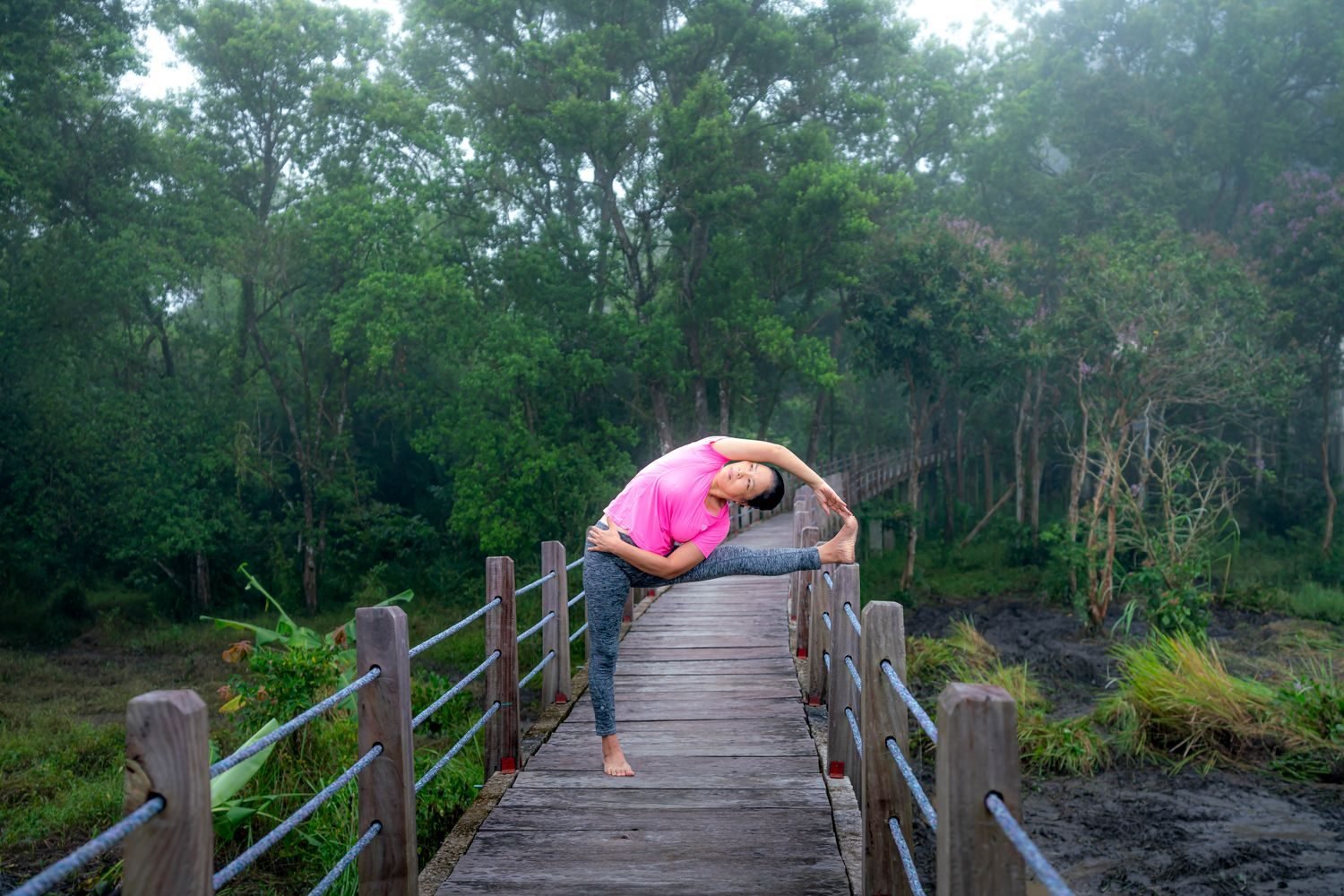
Most retreats follow a similar shape even if the theme changes (strength camps, yoga and mobility retreats, weight loss bootcamps, or hybrid wellness weeks). You’ll typically get two structured training sessions a day, morning and evening, built around strength work, conditioning, mobility, or a mix of all three. Meals are planned and served on-site, so nutrition stops being a guessing game for the duration of the stay. There’s usually a wellness layer too: breathwork, sleep coaching, cold exposure, or guided walks in nature.
| Retreat Type | Focus | Typical Duration | Best For |
|---|---|---|---|
| Strength camps | Structured strength and conditioning sessions, often twice a day | 3-7 days | Lifters wanting to break a plateau or clean up technique |
| Yoga and mobility retreats | Flexibility, breathwork, and recovery-focused movement | 5-10 days | Anyone dealing with stiffness, stress, or needing an active recovery reset |
| Weight-loss bootcamps | High-volume conditioning paired with planned, calorie-controlled meals | 7-10 days | People who need a jumpstart after falling off training for months |
| Hybrid wellness weeks | A mix of strength, mobility, sleep coaching, and cold exposure | 5-14 days | Anyone chasing an all-round reset rather than one specific goal |
The setting matters more than people expect. Training in a quiet, green environment away from your usual gym removes a lot of the friction that normally derails a workout, like traffic, meetings, and decision fatigue over what to eat. Group energy also plays a role. Sweating through a hard session with strangers who become training partners by day three creates accountability that’s hard to replicate alone at home.
Who is a workout retreat actually good for?
A retreat isn’t the right tool for everyone, and it helps to be honest about that upfront. It works best for three kinds of people.
- Anyone who’s stuck. If you’ve been consistent on paper but your body and motivation have plateaued, a few days of unfamiliar training stimulus and total focus can break that loop.
- People who need a jumpstart. Maybe you’ve fallen off training for months and the idea of walking back into a gym solo feels harder than it should. A retreat gives you a structured, guided way back in.
- Anyone chasing an intensive learning experience. Someone who wants to actually understand form, breathing, mobility work, or nutrition basics from coaches in real time, rather than piecing it together from videos.
It’s a poor fit if you’re looking for a long-term fix in a short-term package. Five days of great training can’t undo years of an inconsistent routine, and it was never meant to.
How do you do a workout retreat the right way?
Getting value out of a retreat has less to do with which one you pick and more to do with how you show up and what you do afterward.
Before you go
Get a basic health check if you have any existing joint, heart, or blood pressure concerns. Retreats push volume and intensity quickly, and your body needs to be cleared for that. Set one or two specific goals too, whether that’s building a habit, learning proper squat and deadlift form, or simply proving to yourself you can finish something hard.
While you’re there
Show up to every session, but don’t try to be a hero in week one. The biggest mistake we see people make in any intensive program, retreat or otherwise, is treating day one like the finale. Pace yourself, ask the coaches questions, and pay attention to how your body responds to volume it isn’t used to. Sleep and hydration matter as much as the workouts themselves.
After you leave
This is the part most people skip, and it’s the part that decides whether the retreat was worth it. Write down what worked: which exercises, which routines, which habits felt sustainable. Then build a plan to keep even 30 to 40 percent of that structure going once you’re back to your normal week, your normal kitchen, and your normal schedule.
What are the real benefits of a workout retreat?
Done right, a retreat gives you three things that are genuinely hard to get any other way. A reset for your motivation, because stepping outside your routine resets your relationship with training. A crash course in proper technique, because a few days of hands-on coaching corrects habits that would otherwise take months to fix through occasional gym sessions. And a taste of what full commitment feels like, structured meals, planned training, real recovery, which most people never experience even once in their regular life.
What a retreat doesn’t give you is permanence. The fitness gains, the habit changes, and the mental clarity you build over five intense days fade fast once you’re back to old patterns without a plan. That’s not a flaw in the retreat model. It’s just the nature of any short, intensive experience.
What happens after the retreat ends?
This is where most people lose everything they just built. You come home motivated, maybe a few kilos lighter, definitely stronger in your form, and then work picks back up, the kitchen looks nothing like the retreat’s meal plan, and within three weeks the momentum is gone. This isn’t a willpower problem. It’s a structure problem. A retreat hands you structure for a week and then removes it completely the moment you land back home.
The fix is having a plan for that transition before you even leave the retreat, not after. That usually means one of two things: a system that keeps you accountable daily, or a coach who adapts your retreat learnings into a routine that fits your actual life, your actual gym access, and your actual schedule. If you want to understand what sustainable, everyday training looks like once the retreat high wears off, our breakdown of online workouts covers how a longer-term routine differs from a short, intensive program like a retreat, and why consistency usually beats intensity over a full year.
Retreat or ongoing coaching: which one do you actually need?
Think of it this way. A retreat is a sprint. It’s excellent at breaking plateaus, teaching form fast, and giving you a burst of motivation in a controlled environment. Ongoing coaching is the marathon that makes the sprint mean something. One without the other usually falls short: a retreat with no follow-up fades in weeks, and coaching with no periodic reset can get stale.
If you’ve already done a retreat, or you’re planning one, the smartest move is lining up a follow-through plan before the intensity fades. That could be a structured accountability tool between coaching sessions, like a workout challenge app, to keep you consistent day to day, or it could be a dedicated coach who takes what you learned on the retreat and builds it into a program you can actually sustain at home or in your regular gym.
FAQs about workout retreats
What is a workout retreat?
A workout retreat is a short, intensive fitness program, typically 3 to 10 days, held at a dedicated location away from your normal routine. It combines multiple daily training sessions with planned nutrition, recovery, and often a group setting, giving you a focused reset that’s hard to recreate in everyday life.
How do you do a workout retreat properly?
Get cleared for higher training volume if you have any health concerns, set one or two clear goals before you go, pace yourself instead of maxing out on day one, and pay close attention to what routines feel sustainable. Most importantly, plan how you’ll continue that structure once you’re back home.
What are the benefits of a workout retreat?
Retreats reset motivation, correct exercise form through hands-on coaching, and give you a real experience of full commitment: structured training, planned meals, and proper recovery. The gains are genuine but short-lived unless you follow up with a sustainable plan once the retreat ends.
How long does a typical workout retreat last?
Most workout retreats run between 3 and 10 days, though some wellness-focused ones extend to two or three weeks. Shorter retreats work well as a reset or motivation boost, while longer ones lean more toward habit building and deeper skill development in training and nutrition.
Is a workout retreat worth it if I can’t stay consistent afterward?
It’s still worth it for the experience and learning, but the fitness gains will fade without follow-up. The real value comes from pairing the retreat with an ongoing plan, whether that’s ongoing coaching, an accountability app, or a simple routine you build using what you learned during those days.
A workout retreat can be a genuinely powerful reset, but resets don’t build long-term fitness on their own. If you want the momentum from an intensive experience to actually turn into lasting results, pairing it with a coach who builds a program around your real life makes the difference. Explore FitStrot’s 1-on-1 personal training to keep that progress going long after the retreat ends.