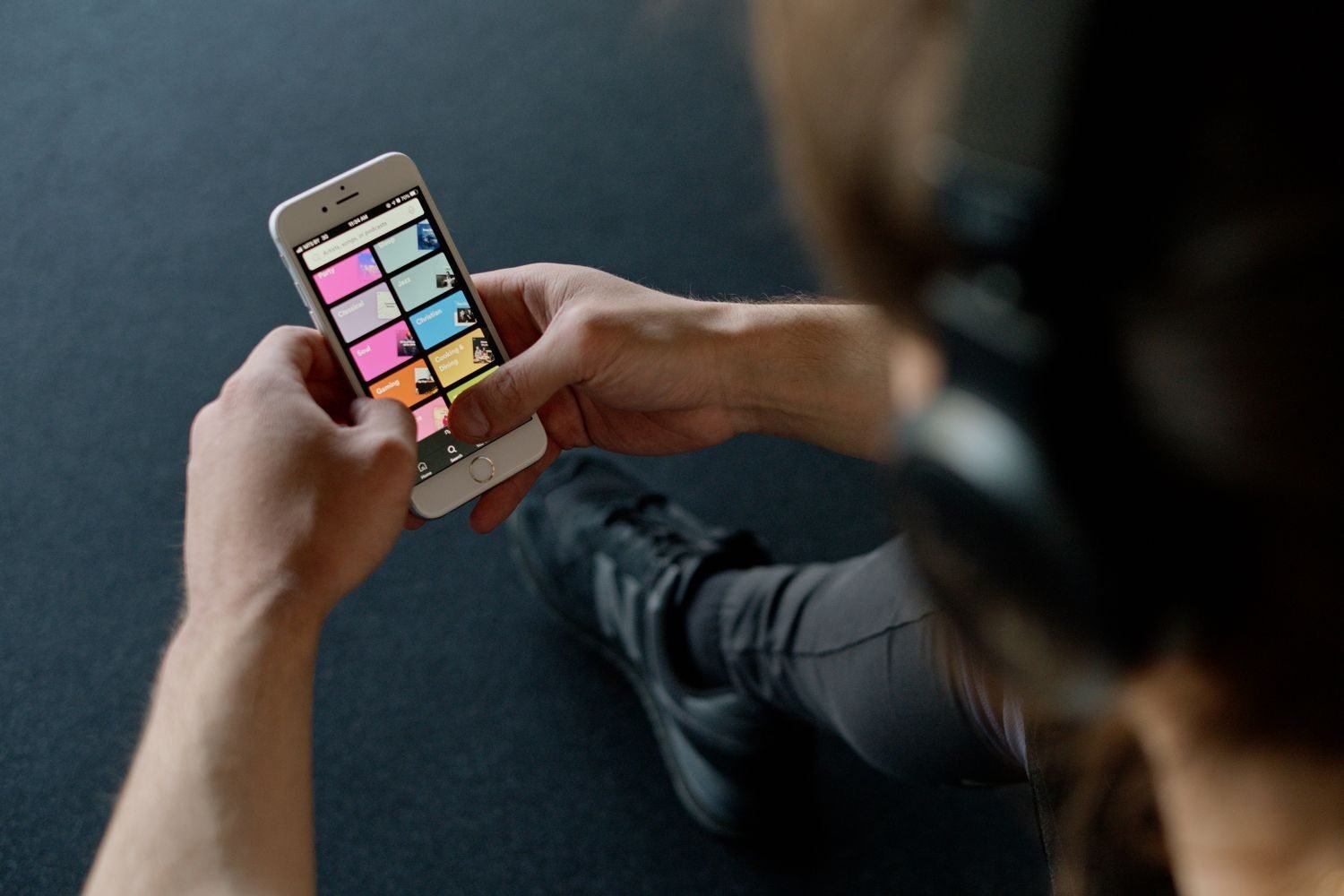
A workout challenge app is a mobile or web tool that turns fitness goals into structured, time-bound challenges, usually 30, 60, or 90 days, with daily tasks, streaks, badges, and sometimes a leaderboard to keep you accountable. It’s built to solve the motivation problem: showing up consistently. Most combine elements of a workout planner app, a workout timer app, and a workout log app into one interface, so you get a plan, a clock, and a record of what you did, all in one place. They’re genuinely useful for building a habit. What they can’t do is watch how you move, adjust your program when you’re exhausted, or catch the small technique errors that turn into injuries over months, the things structured online workouts with a real coach are built to handle.
What Exactly Is a Workout Challenge App?
At its core, a workout challenge app gives you a pre-set structure and a reason to check in every day. You pick a challenge (say, a 30-day squat challenge or a full-body strength streak), the app assigns you daily workouts, and you tick them off. Most apps layer in gamification: streak counters, points, badges, sometimes social feeds where you compare progress with other users. The psychology is straightforward and it works, at least for a while. Humans respond to visible progress and small wins, and a challenge app is designed around exactly that loop.
The catch is that the “challenge” is generic by design. It has to work for thousands of different bodies, fitness levels, and injury histories at once, so it’s built around averages, not you specifically.
What Are the Different Types of Workout Apps?
“Workout app” is a broad label that covers a few distinct tools, and it helps to know which one you actually need.
- Challenge apps focus on short, structured programs with a defined start and end date, built for motivation and habit formation.
- Workout planner apps help you build or follow a longer-term training split, organizing sessions by week or month rather than a single sprint.
- Workout timer apps are stripped down to interval timing, rest periods, and rounds, useful for circuit training or HIIT sessions where pacing matters more than programming.
- Workout log apps exist mainly to record sets, reps, and weights over time, so you can see whether you’re actually getting stronger.
Some tools try to do all four at once. In our experience, the ones that do everything usually do each piece adequately rather than any one piece well. A dedicated timer app is almost always better at timing intervals than a challenge app with a timer feature bolted on.
What Do Workout Challenge Apps Actually Do Well?
Give credit where it’s due. Apps solve real problems, and dismissing them outright would be dishonest.
They’re excellent at accountability through visibility. A streak you don’t want to break is a surprisingly strong motivator, and gamified badges tap into the same reward system that keeps people playing mobile games. For someone who has never trained consistently before, that structure alone can be the difference between quitting in week two and building a real habit.
They’re also good at removing decision fatigue. When you open the app and it tells you exactly what to do today, you don’t have to think about programming, you just do the workout. Paired with a workout log app function, you get a simple record of consistency that’s motivating on its own, even before results show up physically.
And they’re cheap and available at 5am or midnight, no scheduling required. That accessibility matters, especially for beginners who are still figuring out whether training is something they’ll stick with.
Where Do Workout Challenge Apps Fall Short?
Here’s where the honesty has to kick in, because this is the part most app marketing glosses over.
A challenge app cannot see you. It doesn’t know that your left knee caves in slightly on every squat, or that your shoulder has been nagging you for two weeks, or that you slept four hours last night and probably shouldn’t be doing the max-effort session it assigned you. It runs on a script written for a hypothetical average user, not the person actually doing the reps.
We see this pattern often with clients who come to us after months on a challenge app: they’ve followed the program faithfully, hit every streak, and still plateaued or picked up a nagging ache, because the app kept pushing volume up on a fixed schedule regardless of how their body was actually recovering.
Real-time form correction is the other big gap. A timer beeping at you to switch exercises tells you nothing about whether your deadlift is loading your spine safely. Generic programming also doesn’t account for old injuries, mobility restrictions, or the fact that your recovery this week looks nothing like it did last week because of stress, travel, or poor sleep. Apps optimize for engagement metrics. They aren’t built to optimize for your joints.
App vs Coach: Where Each One Wins
| What’s Needed | Workout Challenge App | 1-on-1 Human Coach |
|---|---|---|
| Daily accountability and streaks | Strong, built for this | Good, but relies on scheduled check-ins |
| Real-time form correction | Not possible | Core strength of live coaching |
| Adjusting to fatigue or poor sleep | Rare, mostly fixed schedules | Adjusted session by session |
| Cost | Low, often free or a few dollars a month | Higher, reflects personalized attention |
| Programming around injuries | Generic at best | Built around your specific history |
| Motivation through gamification | Strong, badges and streaks | Motivation through relationship and results |
| Tracking sets, reps, and weight over time | Good, especially with log features | Good, tracked and interpreted by the coach |
Who Do Workout Challenge Apps Work Best For?
Apps make the most sense for people at specific points in their fitness journey, not everyone equally.
If you’re brand new to structured exercise and just need to build the habit of showing up, a challenge app is a low-risk, low-cost place to start. If you already train under a coach and want a workout timer app for your circuit days, or a workout log app to track numbers between sessions, apps are a solid complement, not a replacement. Experienced lifters with good body awareness can also use a workout planner app to organize training on their own, because they already know what a rep should feel like and can self-correct.
Where apps struggle is with anyone carrying an injury, anyone training for a specific event or body composition goal on a deadline, or anyone who has tried the app route before and stalled out. That’s usually the point where guesswork stops being good enough.
How Can You Combine an App With Real Coaching?
The two aren’t mutually exclusive, and we tell our own clients this directly. Use a timer app for interval work. Use a log app to keep your own record of lifts between sessions. Use a planner app to sketch out what a rest week might look like. None of that replaces the judgment a coach brings to reading your movement and adjusting your plan week to week.
This is exactly the gap that online workouts with a real coach are built to close. You still get structure and a schedule, the same things a challenge app promises, but a person is watching your form on video, reading how you’re recovering, and changing the plan when something isn’t working instead of waiting for you to hit week four of a fixed program that was never built around your body in the first place.
Some clients also like combining structured online coaching with something more intensive, like a workout retreat, to reset habits and build momentum before going back to regular weekly training. An app can’t offer that kind of immersive, hands-on reset. A coach can.
What Mistakes Do People Make Relying Only on an App?
The most common mistake is treating “I completed the challenge” as the same thing as “I got the result I wanted.” Finishing a 30-day streak feels good, but it doesn’t automatically mean you got stronger, leaner, or more mobile in any meaningful way. The app measured adherence, not outcome.
The second mistake is ignoring pain signals because the app doesn’t ask about them. If day 22 of the challenge calls for jump squats and your knee has been sore since day 15, the app has no way of knowing that and will assign the workout anyway. People push through because skipping a day breaks the streak, and that’s how minor issues turn into real setbacks.
The third mistake is staying on a generic program long after it’s stopped being challenging. Progress requires the plan to change as you change. A fixed 60-day challenge doesn’t know you’ve gotten stronger by day 45 unless it happens to be built that way, and most aren’t.
So Is a Workout Challenge App Worth It?
Yes, for what it’s designed to do. It’s a reasonable entry point, a decent accountability tool, and genuinely helpful for tracking basic consistency. It’s not a substitute for a coach who can see your form, understand your history, and adjust your training around how you’re actually recovering, not how the calendar says you should be.
If you’ve run the challenge apps, built the streaks, and you’re ready for a plan that actually adapts to you, that’s the conversation we have every day. You can look at our 1-on-1 personal training program and see how it’s structured around your body, your schedule, and your goals, not a generic 30-day template.
Frequently Asked Questions
What is a workout challenge app?
It’s a fitness app that structures a fixed-length program, usually 30 to 90 days, into daily workouts with tracking, streaks, and badges to build motivation. It’s designed for accountability and habit formation, not personalized programming around your specific body or injury history.
How do you use a workout challenge app?
You typically pick a challenge based on your goal, complete the assigned daily workout, and log it to keep your streak alive. Most apps send reminders and show progress visually. Getting real value from one means also paying attention to how your body actually feels, since the app won’t ask.
What are the benefits of a workout challenge app?
The main benefits are low cost, constant availability, and built-in motivation through streaks and gamification. They’re especially useful for beginners who need structure to build a consistent habit, and they can work well alongside a real coach for tracking sets or timing intervals between sessions.
Can a workout challenge app replace a personal trainer?
Not fully. An app can hand you a schedule, but it can’t watch your form, catch a movement compensation, or change your plan because you slept badly or you’re favoring a sore joint. A coach adjusts to you session by session, which is something a fixed program can’t do.
Should beginners start with an app or a coach?
Either can work as a starting point, but beginners often get more long-term value from at least a few sessions with a coach first. Learning correct form early prevents bad habits that are harder to unlearn later, and a coach can then hand off simpler maintenance work to an app if that fits your budget.