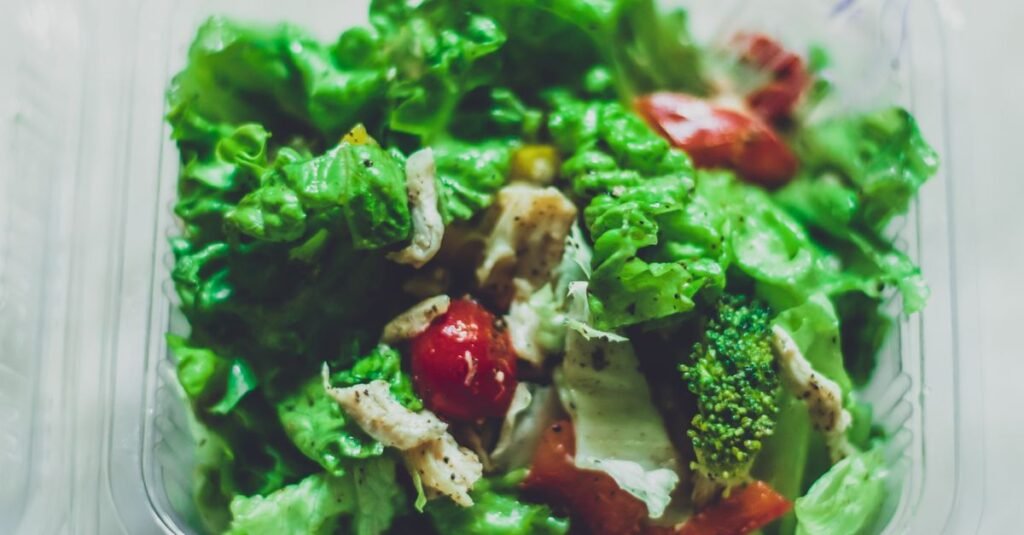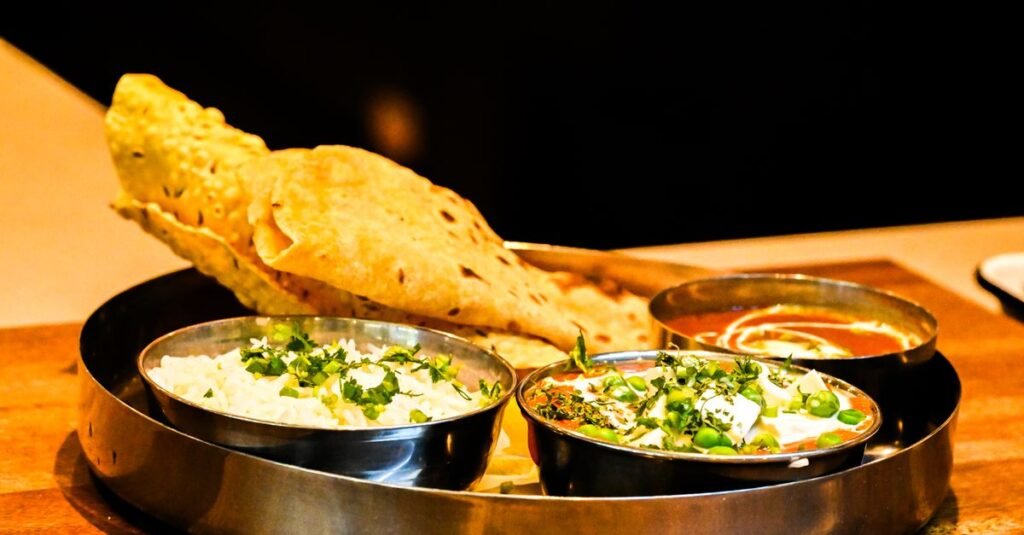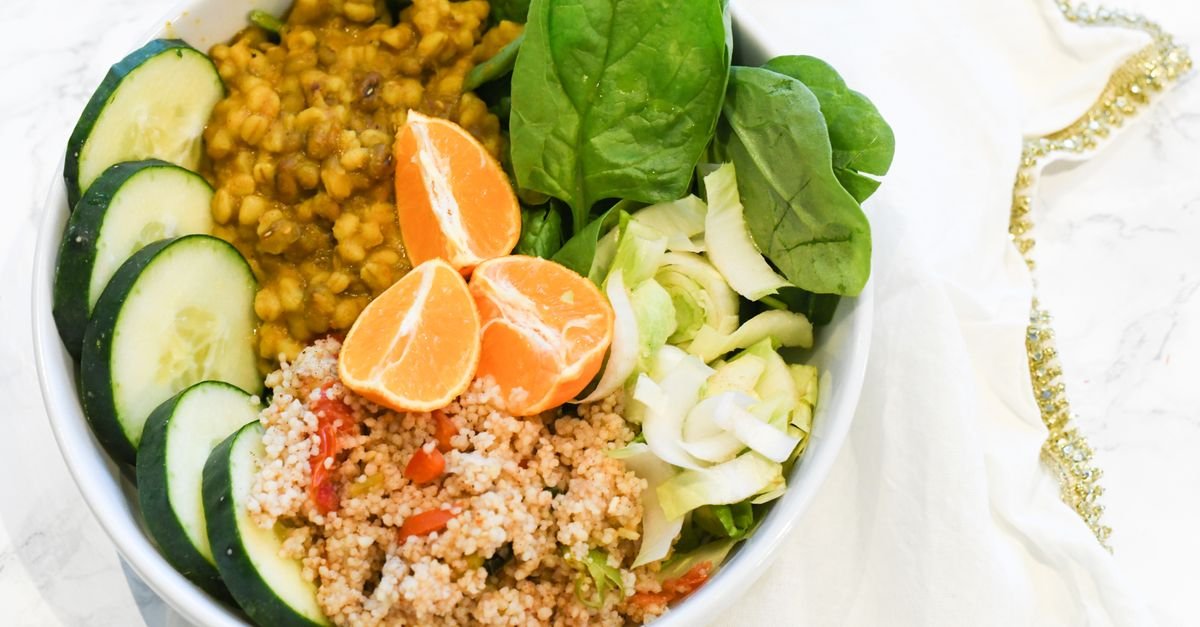
Vegan weight loss has a reputation problem — either it’s framed as effortless because “plants are healthy,” or as impossible without dairy and eggs for protein. Neither is accurate. A vegan diet can absolutely support consistent weight loss, but it needs more intentional planning around protein and a couple of specific micronutrients than an omnivorous diet does.
I’m Yash Pathak, founder and lead trainer at FitStrot. I’ve coached several clients through vegan weight loss, and the plans that succeed share the same backbone: protein-first meal planning, smart use of legumes and soy, and attention to the nutrients that are easy to miss.
The Protein Question, Answered Practically
This is the first thing every vegan client asks about, and reasonably so — protein is more calorie-dense to source from plants than from animal products, which means portions need to be larger and more deliberate.
Reliable vegan protein sources: lentils and dal (all varieties), chickpeas and rajma, tofu and tempeh, soy chunks, edamame, seitan (if you tolerate gluten), quinoa, and a combination of nuts, seeds, and legumes eaten together across the day. No single plant food provides a complete amino acid profile the way animal protein does, but combining sources (rice + dal, for example) across meals covers this easily.
Sample Day Structure
Breakfast: Tofu bhurji with vegetables, or oats made with almond or soy milk and a spoon of nut butter. Mid-morning: A handful of mixed nuts and seeds. Lunch: Rice or millet, a generous bowl of dal or chana, sautéed vegetables. Evening: Roasted chickpeas or a protein smoothie with plant-based protein powder. Dinner: Tofu or tempeh stir-fry with vegetables, kept lighter than lunch.
Nutrients to Watch
Vitamin B12: Not naturally present in plant foods in meaningful amounts — supplementation is generally necessary for anyone fully vegan long-term.
Iron: Present in lentils, chickpeas, and leafy greens, but plant-based (non-heme) iron absorbs less efficiently. Pairing iron-rich foods with vitamin C (citrus, tomatoes) improves absorption.
Omega-3s: Flaxseed, chia seeds, and walnuts provide plant-based omega-3s, though conversion efficiency in the body is lower than from fish — an algae-based supplement is worth considering if this is a long-term diet.
Calcium: Fortified plant milks, tofu made with calcium sulphate, and leafy greens like kale help cover this without dairy.
Why Whole-Food Vegan Beats “Vegan Junk Food”
A diet can be 100% vegan and still be poorly suited to weight loss — vegan doesn’t automatically mean low-calorie or nutrient-dense. Processed vegan snacks, fried foods, and refined carbohydrates fit the label but work against a calorie deficit the same way any processed food does. The plans that work lean on whole foods: legumes, vegetables, whole grains, nuts, and seeds, with processed vegan products used occasionally rather than as a daily base.
Building This Around Your Life
A vegan diet plan needs more customisation than most, simply because protein and micronutrient targets vary more by individual — someone training regularly needs a meaningfully higher protein intake than someone who isn’t. If you’re exploring other structured approaches, our diet plan for weight loss guide and diet chart for weight loss for female in 1 month cover adjacent frameworks worth comparing, along with our Kerala diet for weight loss guide for a regional plant-forward approach.
This is exactly the kind of plan an online weight loss trainer is built to personalise — calculating your actual protein and calorie targets, accounting for supplementation needs, and adjusting the plan as you go rather than leaving you to guess.
Getting Enough B12 and Protein on a Vegan Diet
Vegan weight loss diets need two specific areas of attention beyond general calorie and protein planning: vitamin B12, which isn’t reliably present in plant foods and typically requires fortified foods or supplementation, and protein completeness, since most individual plant proteins are missing one or more essential amino acids. Combining legumes with grains (dal with rice, hummus with whole wheat pita) creates a complete amino acid profile across the meal, even when no single food does on its own.
Tofu, tempeh, and soy chunks are useful specifically because they’re complete proteins individually, making them a reliable anchor for meals when you want simplicity. A practical day: tofu bhurji or besan chilla for breakfast, a rajma or chana-based lunch with rice, roasted soy chunks or a lentil-based snack in the afternoon, and a tofu or mixed-dal dinner with vegetables — spreading protein sources across the day rather than concentrating them in one meal.
Myths That Slow Down Vegan Weight Loss
The biggest myth I run into is that going vegan is automatically a weight-loss strategy. It isn’t. A diet built around fried snacks, refined flour, sugary plant-based desserts, and vegan junk food substitutes can carry just as many calories as any non-vegetarian diet — sometimes more, because “vegan” gets read as “healthy” and portions stop being watched. Oreo biscuits, vegan cheese, and most packaged plant-based snacks are still processed food; the label doesn’t change the calorie math.
A second myth is that vegan diets are automatically protein-deficient and therefore bad for fat loss. Protein is genuinely harder to hit on a vegan diet than an omnivorous one, but harder isn’t impossible — legumes, tofu, tempeh, seitan, and soy milk can get most people to a reasonable protein target without any animal product, it just takes more deliberate planning than throwing a boiled egg on the plate.
The third myth is that all plant fats are automatically heart-healthy in any quantity. Coconut oil, cashews, and peanut butter are common in vegan Indian cooking and they’re fine foods, but they’re calorie-dense, and I’ve seen clients unknowingly eat 400-500 extra calories a day from “healthy” nut butter and coconut-based curries while wondering why the scale isn’t moving.
Building a Vegan Kitchen That Makes This Sustainable
Most vegan diets fail not from lack of willpower but from lack of prep. If tofu, soy chunks, or sprouted moong aren’t already in the fridge, a tired evening defaults to maggi or plain rice with pickle, and protein for the day quietly disappears. I ask clients to keep three things stocked at all times: a cooked legume (rajma, chole, or lentils, made in batches every three to four days), a soy product (tofu or soya chunks), and a quick-prep grain (quinoa, brown rice, or millets cooked ahead).
Batch cooking dal or chole once every few days, and freezing portions if needed, removes the single biggest obstacle to consistency, which is decision fatigue at 8 pm after a long day. The same goes for chutneys and dressings — a simple peanut or tahini-based dressing made once and kept in the fridge turns a boring bowl of vegetables into something you’ll actually want to eat again the next day.
The other habit worth building is reading labels on plant-milk and plant-yoghurt alternatives, since sugar content varies enormously between brands sold in Indian supermarkets. An unsweetened soy or almond milk and a plain, unsweetened plant yoghurt should be the default choice, with the flavoured versions treated as an occasional dessert rather than a daily staple.
Can You Build Strength on a Vegan Diet While Losing Fat?
This comes up constantly with clients who train or want to start: “Won’t I lose muscle along with fat if I’m vegan and in a calorie deficit?” The short answer is no, not if the protein and training are both handled correctly, but it does require more precision than an omnivore diet does, because your margin for error on protein intake is thinner. Muscle is preserved primarily by two things during fat loss: sufficient protein spread across the day, and a stimulus, meaning resistance training, that tells your body the muscle is still needed. Diet alone, vegan or not, isn’t what preserves muscle; diet plus training does.
The protein target for someone actively strength training while in a deficit is higher than the general recommendation for sedentary weight loss, typically in the range of 1.6 to 2 grams per kilogram of body weight. On a vegan diet, hitting that consistently means treating protein as a planning problem, not an afterthought. A 70 kg client aiming for 120 grams of protein a day needs roughly three to four solid protein-anchored meals: a tofu or soy chunk bhurji with a side of sprouts at breakfast, a large bowl of rajma or chole with rice at lunch, a protein shake or a handful of roasted chana between meals, and a dinner built around moong dal chilla or tofu stir-fry. Skip the planning and it’s very easy to land at 60 or 70 grams instead, which is where muscle loss during a deficit becomes a real risk.
Leucine content matters more than people realise here. Leucine is the specific amino acid that triggers muscle protein synthesis, and animal proteins are naturally higher in it per gram than most plant proteins. This doesn’t mean vegan muscle building is impossible, it means you need slightly larger portions of plant protein to trigger the same response, and soy-based proteins, being a relatively complete source with a decent leucine profile, deserve a bigger place on a vegan lifter’s plate than they typically get. Tofu, tempeh, and soy chunks aren’t just protein filler, they’re doing specific biochemical work that dals alone don’t do as efficiently.
The training side matters just as much as the diet side. Two to three sessions of resistance training a week, whether with weights, resistance bands, or bodyweight work, is what actually signals your body to hold onto muscle while you’re losing fat. Clients who go vegan, cut calories, but skip resistance training entirely tend to lose weight that’s a mix of fat and muscle, which shows up as a smaller number on the scale but a softer, less toned appearance. Combine the two correctly, adequate plant protein spread through the day plus consistent resistance training, and a vegan diet supports strength and fat loss at the same time, just with less room for improvisation than a diet that includes eggs or dairy.
Frequently Asked Questions
How does a vegan diet plan for weight loss work?
It works through a calorie deficit built on whole, plant-based foods — with protein intentionally prioritised through legumes, soy, and combined plant sources to preserve muscle and manage hunger.
Is a vegan diet plan for weight loss safe?
Yes, when protein, B12, iron, and omega-3 needs are actively managed, typically with a B12 supplement. Poorly planned vegan diets that skip these considerations can lead to deficiencies over time.
How long does a vegan diet plan for weight loss take to show results?
Most people notice initial changes within 2-3 weeks, with visible results typically by week 6-8, assuming protein intake and calorie deficit are both being tracked.
Can beginners try a vegan diet plan for weight loss?
Yes, though it has a slightly steeper learning curve than vegetarian or omnivorous diets — mainly around protein planning and grocery adjustments. Most people adapt within 2-3 weeks.
Ready for a Vegan Plan Built Around Your Numbers?
Generic vegan diet advice skips the protein and micronutrient math. A FitStrot online weight loss trainer calculates it for you, builds a realistic meal structure, and adjusts it as your body responds.