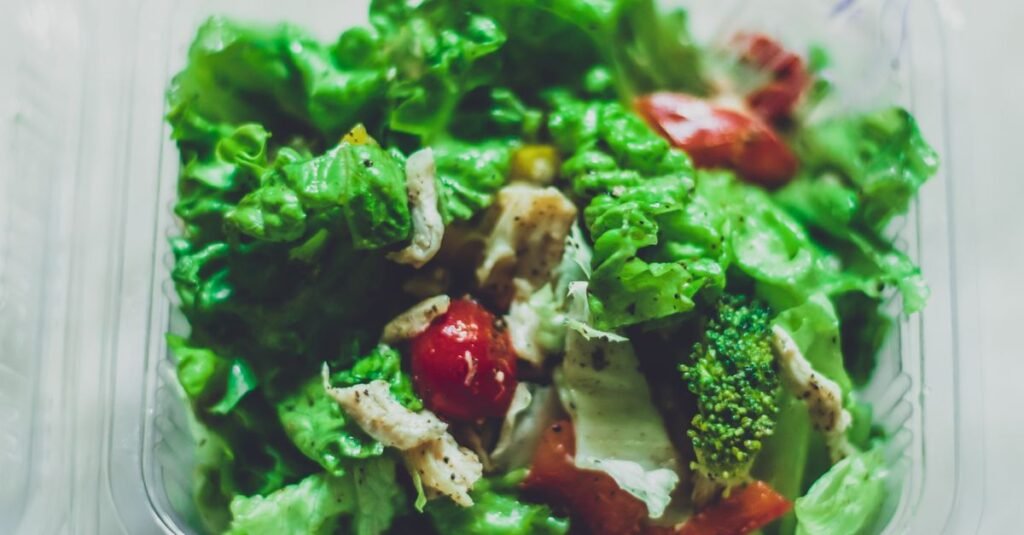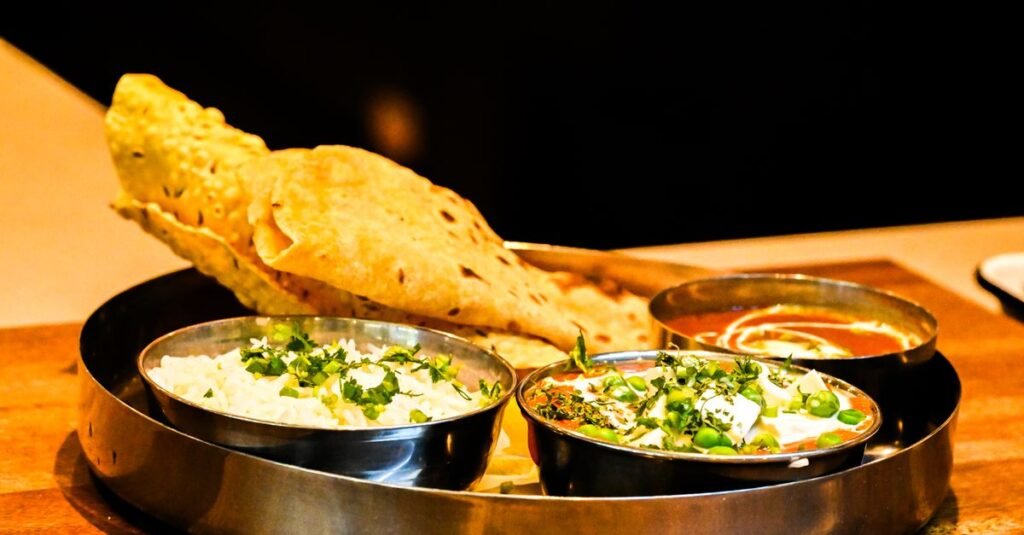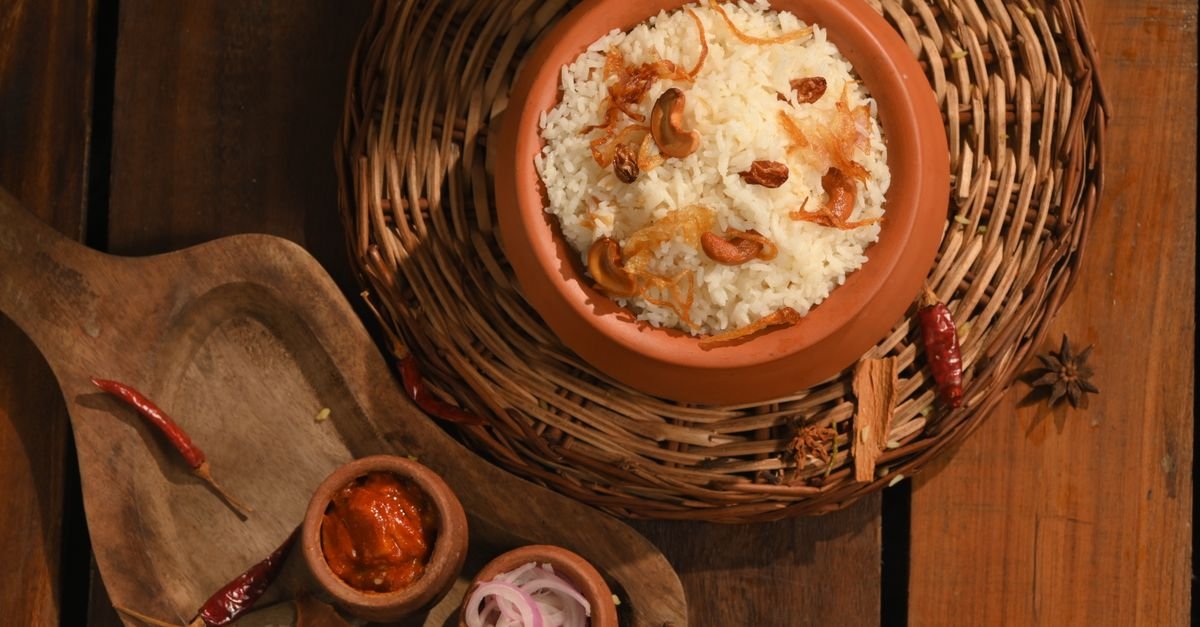
A Kerala diet for weight loss works by keeping rice portioned rather than eliminated, leaning on the region’s naturally protein-rich staples — fish, curd, and legumes — and using coconut in moderation rather than cutting it out entirely. Kerala cuisine has more built-in weight-loss advantages than it gets credit for; the fix is usually portion and preparation, not a complete overhaul.
I’m Yash Pathak, founder and lead trainer at FitStrot. I’ve adapted this framework for several Kerala-based and Malayali clients, and the plans that work respect the cuisine rather than replacing it with generic “diet food.”
What Kerala Cuisine Already Gets Right
Fish is a regular protein source in most Kerala households, and fish is lean, high-protein, and rich in omega-3s — genuinely one of the better protein sources for weight loss. Curry leaves, ginger, and turmeric, used daily in Kerala cooking, have mild digestive and anti-inflammatory benefits. And vegetables (thoran, mezhukkupuratti-style preparations) are a real part of most meals already, not an afterthought.
The two things that typically need adjusting: rice portions, since Kerala meals are traditionally rice-forward, and coconut oil and coconut-based gravies, which add up in calories quickly when used generously.
Restructuring the Kerala Plate for Weight Loss
Rice: Instead of eliminating rice, portion it — roughly one cup cooked rice per meal instead of two, and consider red rice (matta rice) over polished white rice for more fibre.
Fish and protein: Keep fish as a daily staple where possible — grilled or curry-style rather than deep-fried. Add dal or legumes on days without fish to diversify protein sources.
Coconut: Use coconut in moderation rather than cutting it entirely — a tablespoon of grated coconut or a thin coconut milk gravy rather than a thick, oil-heavy one.
Vegetables: Increase the proportion of thoran and vegetable stir-fries relative to rice on the plate — aim for vegetables to take up close to half the plate.
A Sample Day
Breakfast: Idli or appam with a light vegetable stew (avoid excessive coconut milk), or a moong dal-based option for extra protein. Lunch: Portioned rice, fish curry or a dal-based curry, a thoran or vegetable stir-fry, and buttermilk (moru). Evening: Fruit or roasted nuts. Dinner: Lighter than lunch — grilled fish or a vegetable-and-dal combination, with a smaller rice portion or none at all.
Foods That Support the Goal
Fish (especially oily varieties like sardines and mackerel, common in Kerala), curd and buttermilk for digestion, banana (in moderation, as a fibre-rich fruit rather than a dessert substitute), and jackfruit and other regional vegetables that are naturally low-calorie and high-fibre.
What to Watch
Banana chips and other fried snacks, excessive use of coconut oil in daily cooking, and sweetened payasam or desserts eaten frequently rather than occasionally. None of these need to disappear completely — the shift is in frequency and portion, not elimination.
How This Compares to Other Regional Approaches
If your household mixes cuisines or you’re looking for a broader Indian framework, our Indian diet for weight loss guide covers the wider principles this Kerala-specific version is built on, and our Indian vegetarian meal plan is useful if fish isn’t part of your diet.
Why a Regional Plan Still Needs Personal Calibration
Even within Kerala cuisine, the right calorie and protein targets vary by person — your activity level, current weight, and goals determine how much rice, fish, and coconut fit your specific plan. An online weight loss trainer builds on this regional framework but calculates the actual portions and targets for your body, then adjusts as you progress.
What Makes Kerala Cuisine Naturally Diet-Friendly (and Where to Adjust)
Kerala’s traditional diet already leans on fish, vegetables, and legumes, which is a strong foundation — the main adjustments for weight loss involve coconut and oil quantity, both used generously in traditional preparations. Reducing (not eliminating) coconut milk in curries, using coconut oil in measured spoons rather than pouring freely, and choosing steamed or lightly sautéed preparations over deep-fried ones (banana chips, for instance) preserves the flavor profile while meaningfully reducing calorie density.
Fish curry, a Kerala staple, is genuinely excellent for a weight-loss diet when the gravy isn’t overloaded with coconut milk — a tomato and spice-based base with a smaller coconut milk portion keeps the dish recognizable while fitting better into a calorie-conscious plan. Red rice, traditional to the region, also has a slightly higher fibre content than polished white rice, worth favoring where possible.
The Coconut Oil Question: Separating Fact From Local Belief
No conversation about Kerala food and weight loss avoids this question for long: is coconut oil the villain or is it fine? The honest answer sits between the extremes you’ll hear from either side. Coconut oil is roughly 90% saturated fat, and gram for gram it carries the same nine calories per gram as any other oil, so the idea that it’s calorie-free or automatically fat-burning isn’t accurate. At the same time, it isn’t the metabolic poison it’s sometimes made out to be either. It contains a meaningful share of medium-chain triglycerides, which the body processes somewhat differently from long-chain fats, but the practical effect of this on weight loss is modest, not dramatic, and it doesn’t override a calorie surplus.
What actually matters is quantity and what it’s replacing. Traditional Kerala cooking uses coconut oil generously, often two to three tablespoons in a single fish curry or thoran for a family serving, and that adds up fast across a day of multiple dishes. I don’t ask Kerala clients to abandon coconut oil, it carries flavor and cultural identity that a switch to sunflower or groundnut oil doesn’t replace well, and forcing that switch usually backfires. Instead, I ask them to measure it, cap total daily cooking oil including coconut oil at three to four teaspoons, and lean on coconut milk and grated coconut in smaller quantities for garnishing rather than as a base for every gravy.
Where I do ask people to be more careful is with deep-fried snacks cooked in coconut oil, banana chips, parippu vada, and unnakaya being the common culprits. These aren’t a coconut oil problem specifically, any oil used for deep frying at that volume adds up the same way, but because coconut oil is so central to Kerala snacking culture, it’s worth naming directly. A handful of banana chips can carry 300 to 400 calories, more than a full meal of rice, fish curry, and thoran cooked with a measured hand.
Navigating Onam, Christmas Feasts and Kerala’s Festival Calendar
Kerala’s festival calendar is dense with elaborate, celebratory eating, and Onam sadya is probably the single hardest meal in Indian cuisine to navigate for anyone trying to manage weight, purely because of how many dishes arrive on one banana leaf. A traditional sadya can have twenty or more items, several of them payasam variants alone. I don’t ask clients to skip sadya, that’s neither realistic nor necessary once a year, but I do coach a few specific habits around it. Fill more than half the leaf with the vegetable-based items, thoran, avial, and kaalan, before adding the rice and sambar, because these are eaten first traditionally and set the tone for the meal.
Payasam is where most of the excess calories hide, and sadya often includes two or three types. Rather than avoiding it entirely, which feels like missing the point of the occasion, take a small bowl of the one you genuinely love rather than tasting all three. The same logic applies to Christmas in Kerala’s Christian households, where plum cake, wine, and elaborate non-vegetarian spreads run for days rather than a single meal. Treat the main celebration day as the indulgence and keep the days around it, both before and after, close to your normal eating pattern rather than letting an entire week slide.
What I’ve found works best is not trying to control festival eating through willpower in the moment, which rarely holds up against a sadya leaf in front of you, but through what happens the rest of the week. If your baseline eating and activity stay consistent for the six other days, one genuinely indulgent festival meal barely registers on the scale two weeks later. It’s the pattern of treating every week as a small festival that actually stalls progress in Kerala, not the two or three real festivals on the calendar.
Where Fish and Other Non-Vegetarian Kerala Staples Fit Into This Plan
Kerala’s food culture isn’t vegetarian by default the way a lot of North Indian regional diets are, and I’d be doing this plan a disservice if I only talked about rice, coconut, and vegetable stews. Fish, in particular, shows up on the Kerala table more often than in almost any other Indian state, and it happens to be one of the best tools you have for this goal, not something to work around.
Sourced properly, fish like mathi (sardine), aiyla (mackerel), and choora (tuna) are lean, high in protein, and rich in omega-3 fats that support fat loss indirectly by improving insulin sensitivity and reducing inflammation. A plain meen curry made with kudampuli, a few spoons of coconut milk instead of a thick coconut-heavy gravy, and a side of steamed vegetables gives you a genuinely well-balanced weight-loss meal without feeling like diet food. The problem isn’t the fish — it’s when it’s fried in a thick rava coating with generous oil, which is how a lot of Kerala fish fry is traditionally made. Ask for it shallow-fried with minimal oil, or better, grilled or pan-seared with just a light spice rub, and you keep the protein without the extra 150 to 200 calories the frying adds per piece.
Chicken and duck curries follow a similar pattern — the protein itself is fine, the issue is almost always the amount of coconut, oil, and the second or third round of gravy people pour over rice. I tell clients to treat coconut-based non-veg curries the way you’d treat a rich dal: eat the meat pieces freely, but be deliberate about how much of the gravy you’re using to flavour your rice. One or two spoons is enough to season a plate; four or five spoons turns a lean protein meal into a calorie-dense one without adding any more fullness.
Beef, which is more commonly eaten in Kerala than in most of India, deserves a specific mention because it carries an unfair reputation in general weight-loss advice that doesn’t hold up under real Kerala cooking. A beef ularthiyathu made with modest oil and heavy on shallots, curry leaves, and coconut slivers is a reasonably lean protein dish in practical terms — the coconut slivers add some fat, but nowhere near what a deep-fried snack would. What actually causes trouble is beef fry cooked with a thick reduced gravy and a lot of added coconut oil for that glossy finish, which is common at restaurants and weddings, less common in home cooking done for daily meals.
My broader point is that a Kerala weight-loss plan built entirely around vegetables and rice misses one of the region’s biggest natural advantages. Fish especially gives you a protein source that’s abundant, affordable, and traditional here in a way that chicken breast or paneer, which I recommend constantly in other regional plans, simply isn’t for most Kerala households. Lean into it, cook it the way your grandmother likely did before the deep-fried versions became restaurant standard, and it becomes one of the easiest parts of this plan to sustain long term.
Frequently Asked Questions
How does a Kerala diet for weight loss work?
It works by portioning rice rather than eliminating it, using fish and legumes as primary protein sources, and moderating coconut use — creating a calorie deficit while keeping the cuisine largely intact.
Is a Kerala diet for weight loss safe?
Yes, when it maintains adequate protein through fish and dal and doesn’t eliminate rice entirely, which is an important energy source in this traditional diet.
How long does a Kerala diet for weight loss take to show results?
Most people notice initial changes within 2-3 weeks, with visible results typically by week 6-8, when rice portioning and increased vegetable intake are followed consistently.
Can beginners follow a Kerala diet for weight loss?
Yes — since it works within the existing cuisine rather than replacing it, the adjustment is mainly about portions and preparation methods rather than learning new foods.
Ready for a Plan Built Around Kerala Cuisine and Your Goals?
A FitStrot online weight loss trainer builds a plan that respects your regional food preferences while calculating the exact portions and protein targets your body needs.