A one-month diet chart for female weight loss should target a moderate calorie deficit (300-500 calories below maintenance), 1.4-1.8g protein per kg body weight, and consistent meal timing — producing a realistic 2-4kg of total weight loss over the 30 days. Women’s calorie and hormonal considerations differ enough from generic charts that a female-specific structure genuinely changes outcomes.
I’m Yash Pathak, founder and lead trainer at FitStrot. This chart accounts for the calorie and hormonal patterns that generic, one-size-fits-all diet charts typically ignore.
Why Female-Specific Adjustments Matter
Women generally have a lower resting metabolic rate than men at the same weight, due to differences in average muscle mass and hormonal factors, meaning maintenance calories and appropriate deficits are typically lower. Hormonal fluctuations across the menstrual cycle also affect hunger, water retention, and energy — a chart that accounts for this (rather than expecting identical results week to week) tends to be more sustainable and less frustrating.
The 4-Week Structure
Week 1: Focus on establishing the calorie deficit and protein target consistently. Expect 1-1.5kg loss, partly water weight, as sodium and processed food intake typically drop when starting a structured chart.
Week 2: Continue the same structure; this is often when pre-menstrual water retention or cravings appear for many women — normal, and not a sign the chart isn’t working. Adjusting expectations here (rather than the diet itself) usually helps more than any food change.
Week 3: Real fat loss becomes the primary driver of any further weight change, typically 0.5-1kg. This week often feels slower than week one, which is expected as initial water weight has already been lost.
Week 4: Consolidate consistent habits; another 0.5-1.5kg is a realistic range, bringing the month’s total to roughly 2-4kg for most women following the chart closely.
Daily Chart Structure
Breakfast: A protein-forward option — moong dal chilla, eggs, or sprouts with curd (aim for 15-20g protein).
Mid-morning: Fruit or a small handful of nuts if there’s a longer gap before lunch.
Lunch: One roti or a small portion of rice, dal or a protein source, a generous portion of vegetables, and salad or curd.
Evening: Roasted chana, buttermilk, or a boiled egg — protein or fibre-focused to avoid a pre-dinner energy dip.
Dinner: Lighter than lunch, more protein and vegetables, less carbohydrate, finished 2-3 hours before sleeping.
A Full Day of Meals, With Two Options Each
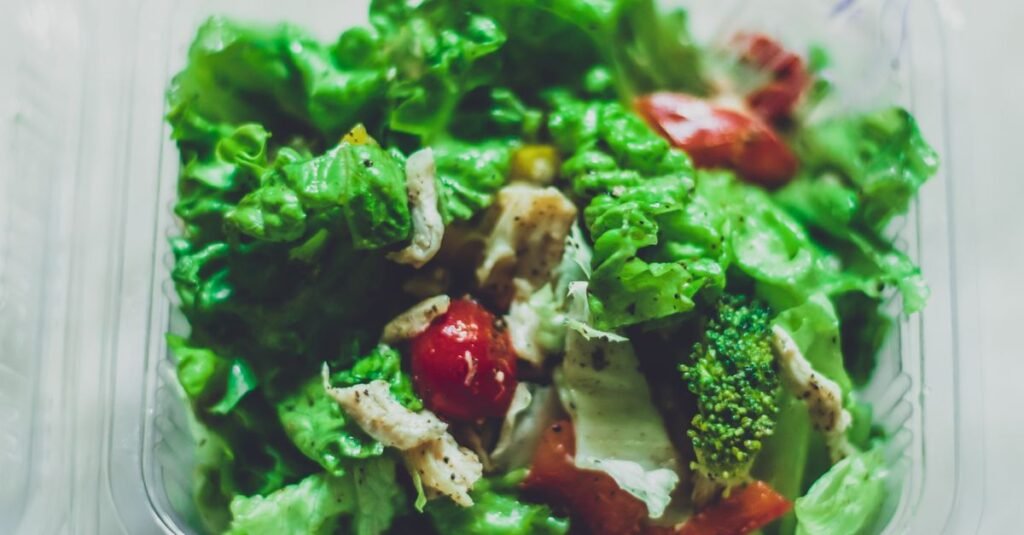
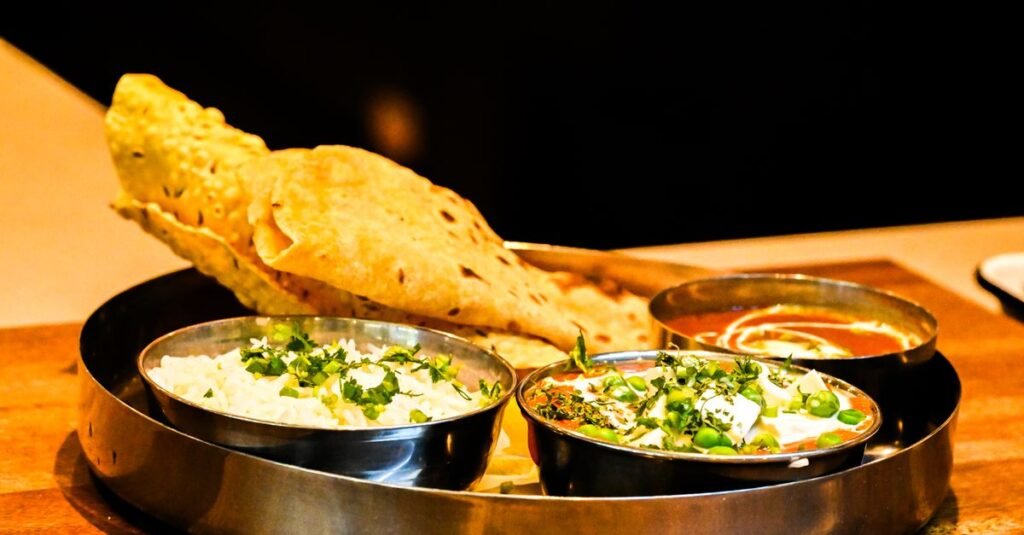
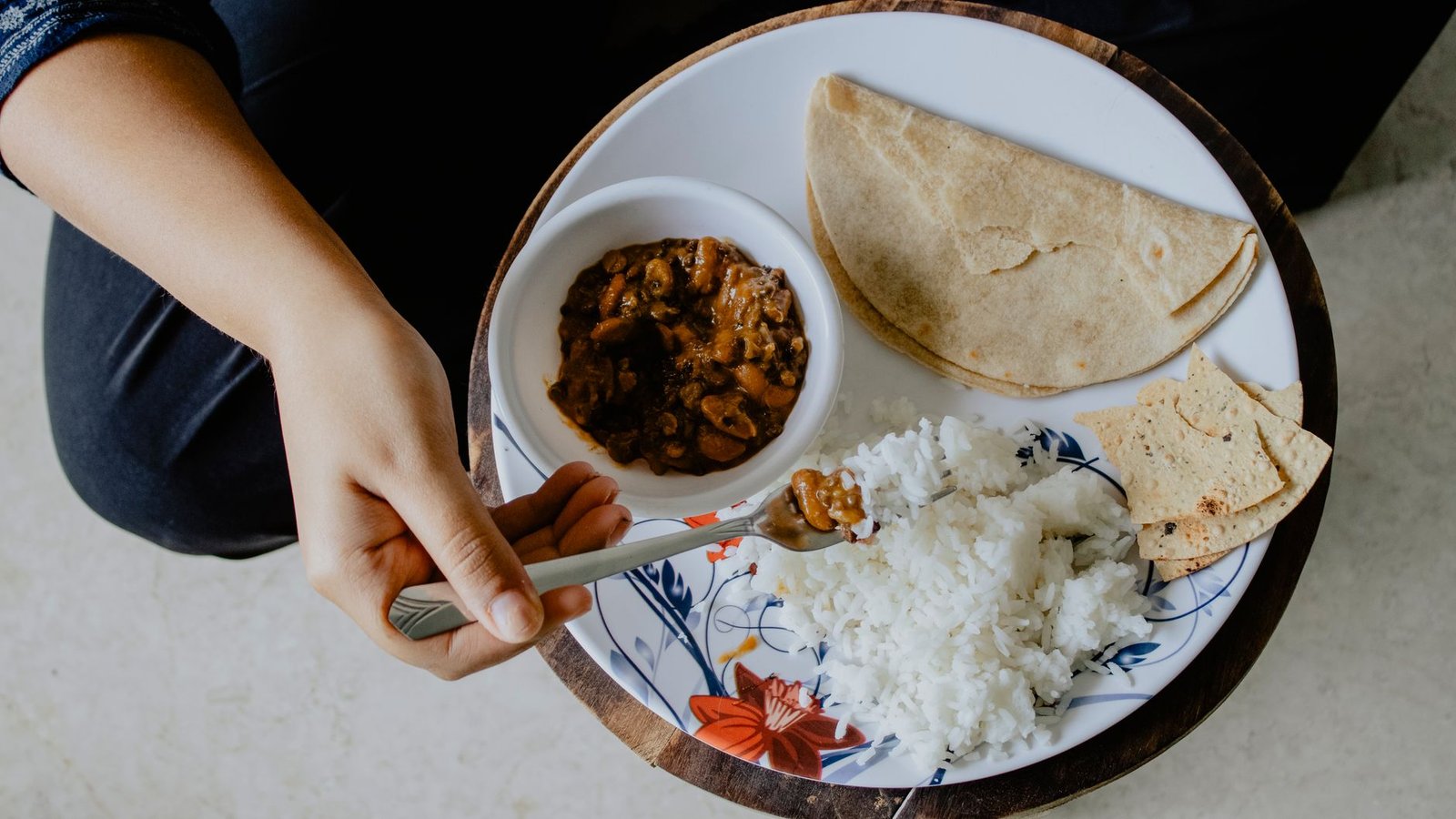
Here is what a day on this chart actually looks like on a plate. Protein figures are approximate household estimates for typical portions, and they will shift with how much oil, ghee and portion size your kitchen runs on.
| Meal | Option 1 | Option 2 | Approx protein |
|---|---|---|---|
| Early morning | Warm water, 5-6 soaked almonds | Green tea, 1 walnut | 2-3 g |
| Breakfast | 2 moong dal chilla with mint chutney | Vegetable poha with peanuts and 1 boiled egg or 100 g curd | 12-16 g |
| Mid-morning | 1 bowl curd or buttermilk | 1 seasonal fruit with 6-8 roasted chana | 5-8 g |
| Lunch | 2 roti, 1 katori dal, sabzi, salad, small bowl curd | 1 cup rice, 1 katori rajma, sabzi, salad | 18-22 g |
| Evening | Tea without sugar, roasted chana or sprouts chaat | 1 cup milk or a small paneer cube snack | 8-12 g |
| Dinner | 1-2 roti, paneer or soya sabzi, large portion of vegetables | Dal khichdi with extra vegetables and a bowl of curd | 16-20 g |
| Optional post-dinner | Small cup of milk if hungry | Herbal tea | 0-6 g |
Add these up and a typical day lands somewhere around 60-80 g of protein, which is a reasonable landing zone for most women in the weight range this chart is written for. If your total sits well below that, the easiest fixes are adding curd at one more meal and making one dal serving bigger rather than adding an extra snack. Two options per meal exist so you can rotate without thinking, not so you can eat both.
Calorie and Protein Targets
While individual needs vary by height, current weight, and activity level, a general starting range for many women is 1,400-1,700 calories daily for weight loss, with 70-110g of protein depending on body weight — these are starting points to refine based on how your body responds, not fixed numbers.
Adjusting for Your Cycle
Some women find cravings and hunger increase in the days before menstruation — building in slightly more flexibility during this window (rather than fighting it with strict restriction) tends to support better adherence over the full month than treating every day identically.
What Tends to Change Across the Cycle, and What to Do About It
These patterns are typical rather than universal, and your own tracking over a month or two will always beat a general table. Cycles differ, and conditions like PCOS change the picture further.
| Phase (typical days) | Common appetite and energy pattern | Sensible adjustment |
|---|---|---|
| Menstrual, days 1-5 | Lower energy, possible cramping, iron losses | Keep calories steady rather than cutting further; prioritise iron-rich foods and gentler training |
| Follicular, days 6-13 | Energy and mood usually at their best, appetite steady | The easiest window for adherence and harder training sessions |
| Ovulation, around days 14-16 | Energy generally high, appetite often stable | No real change needed; keep going as normal |
| Early luteal, days 17-22 | Appetite starts creeping up, slight fluid retention possible | Increase protein and fibre at meals; hold portions steady rather than free-eating |
| Late luteal or premenstrual, days 23-28 | Strongest cravings, bloating, scale often up 1-2 kg from water alone | Plan a small, satisfying sweet rather than resisting until you overeat; judge progress by weekly average, not that day’s reading |
The most useful line in this table is the last one: the premenstrual scale rise is water, not fat, and it clears within a few days of the period starting. Women abandon perfectly good charts in that window every month. If your cycle is irregular or absent, that is worth raising with your doctor rather than working around.
What Derails Female-Specific Charts Most Often
Comparing progress to a partner or friend following a different chart, since calorie needs and rates of loss genuinely differ by individual. Under-eating in an attempt to lose faster, which often backfires through increased hunger and eventual overeating. And ignoring strength training, which supports both metabolic rate and the muscle definition many women want alongside weight loss. Our weight loss diet plan for women guide covers these principles in more depth, and our PCOD diet chart for weight loss guide is relevant if a hormonal condition is part of your situation.
Why a Personalised Version Outperforms This Chart
This chart works as a solid one-month template, but your actual calorie and protein targets depend on your specific weight, activity level, and any health conditions. An online weight loss trainer calculates these numbers directly for you and adjusts the chart weekly based on how your body responds, rather than a fixed 30-day plan applied the same way to everyone.
Adjusting the Plan Across the Month
A one-month diet chart works better when it accounts for the fact that hunger, energy, and even taste preferences shift across the weeks — many women notice increased appetite in the days before their period, which is worth planning for with a slightly higher calorie allowance rather than fighting it and risking a binge. Building in one flexible, less-restrictive day per week also tends to improve adherence over a full month compared to a rigidly identical plan every single day, since a completely inflexible structure is harder to sustain once the initial motivation of week one fades.
Reassessing portion sizes around the two-week mark, based on how your weight and energy are actually trending, keeps the plan responsive rather than static for the full month regardless of how your body is responding.
Reading the Signs That the Chart Is Working, Even When the Scale Isn’t
On a female-specific chart, the number on the scale is one of the least reliable signals in the first two weeks, and I tell every client this on day one. Water retention linked to sodium intake, sleep quality, and where you are in your cycle can swing body weight by one to two kilograms within a single week, completely independent of fat loss. If you stepped on the scale on a bloated pre-period day and again on a drier day ten days later, you’d see a difference that has nothing to do with whether the chart is actually working.
What I ask clients to track instead is boring but far more honest: waist circumference measured at the navel once a week, how a specific pair of jeans or a fitted top feels, whether afternoon energy dips have improved, and whether digestion feels lighter after meals. These move in one direction steadily when a chart is working, even in weeks when the scale refuses to budge.
A common pattern: I’ve had clients follow a chart very similar to this one for three weeks and message me frustrated because their weight hadn’t moved at all. When we checked the waist measurement, it had dropped nearly two inches, jeans were visibly looser, and a period that usually came with heavy bloating arrived with almost none that month. The fat loss was real; the scale was simply lagging behind it, which happens more often in women because of hormonal water shifts than most generic charts ever acknowledge.
Give the chart the full four weeks before judging it, and weigh these markers together rather than the scale in isolation. A client who trusts the process through one complete hormonal cycle almost always sees the scale catch up by week four.
Adapting the Chart to Your Regional Kitchen
The structure in this chart — protein at every meal, a fixed carbohydrate portion, vegetables filling half the plate — holds true no matter which part of India you’re cooking in. What changes is the specific food, and clients stick to a plan far longer when it’s built around their actual kitchen instead of a generic template.
If you eat South Indian at home, keep your idli or dosa but watch the ratio: two small idlis with sambar and a vegetable side works better than three idlis with a heavy coconut chutney. Swap a ghee roast dosa for a plain or ragi dosa most days, and keep curd rice to a small bowl rather than a full plate, since it’s easy to underestimate how much rice sits underneath the curd.
In a North Indian household, two rotis instead of four, a bowl of dal or rajma or chole for protein, and a generous vegetable sabzi cooked in less oil covers the same macros as the chart’s sample day. The main adjustment I make for North Indian clients is capping paratha frequency to once or twice a week and swapping the ghee-fried version for a tawa-roasted one with a light brushing of oil.
For Bengali households, fish is often already the protein backbone, so the chart barely needs adjusting beyond watching rice portions. Gujarati and Rajasthani thalis tend to hide sugar in the dal and shaak, so I ask clients to taste before adding jaggery and to treat the sweet as an occasional item rather than a daily one. This chart works because of what it does structurally, not because of a specific cuisine — so build it around food you’ll actually keep eating past week one.
Regional Swaps That Keep the Chart Intact
Swap freely within these pairs; the protein and portion logic of the chart stays the same either way.
- Breakfast: poha in the north or west, upma or idli with sambar in the south, chira or muri in the east, thepla in Gujarat.
- Protein base: rajma or chana in the north, sambar dal or a fish curry portion in the south, dal and fish in Bengal, usal in Maharashtra.
- Grain: roti, bajra or jowar bhakri, hand-pounded rice, ragi mudde, or red rice – measured to the same cooked portion.
- Dairy: curd, buttermilk, chaas or a small paneer serving; lassi only if unsweetened.
- Snack: roasted chana, sundal, sprouts chaat, boiled peanuts or makhana.
- Vegetable: whatever is in season locally, filling half the plate regardless of the region.
- Fermented options: idli, dhokla or dosa made with less oil work as well as any chilla.
- Fat: mustard, coconut, groundnut or ghee – keep the type you grew up with and control the quantity instead.

Navigating Festivals, Family Functions and Eating Out During the Month
A one-month chart looks tidy on paper until a wedding card lands in your WhatsApp, or your mother-in-law invites the whole family over for a Sunday lunch that stretches from 1 PM to 4 PM. In the four weeks I’ve mapped out, at least one of these will happen to almost every woman I coach, and it’s usually what determines whether the chart survives the month or gets abandoned around day 12. The mistake most women make is treating the event as a reason to either skip the chart entirely for the day or, worse, starve themselves from breakfast onward so they can “save calories” for the evening. Both backfire. Arriving at a function ravenous almost guarantees you eat faster, choose worse, and eat more than someone who came in with a normal appetite.
My actual advice is to eat your regular protein-forward breakfast and lunch on the day of the event, exactly as the chart specifies, and treat the function as one meal, not the whole day. If it’s an evening wedding or family dinner, keep your daytime meals light but complete, not skipped, so you walk in with your hunger under control rather than starving. At the venue, do one round of the buffet rather than grazing back and forth, fill half the plate with sabzi, salad, and protein like paneer, chicken, or dal before touching rice, puris, or dessert, and pick one sweet you actually want rather than a spoonful of five you don’t care about. This isn’t about being the person who eats plain salad while everyone else enjoys the wedding food. It’s about eating with intention instead of on autopilot.
For daytime family functions like Karva Chauth get-togethers, kitty parties, or a relative’s griha pravesh, the same logic applies. Thalis at these events are usually rice, two sabzis, dal, roti, curd, and a sweet. You don’t need to refuse any of it. Take smaller portions of rice and roti, larger portions of dal and sabzi, and stop at one helping instead of the customary second round that Indian hosts almost insist on. If there’s alcohol involved, a single drink with soda or a mocktail keeps things reasonable without you having to explain yourself to anyone, which is often the bigger stressor at these events than the food itself.
What matters most happens the next morning. Women often wake up after a heavy function day feeling guilty and either skip breakfast to “make up for it” or throw themselves into an intense workout they wouldn’t normally do. Neither helps, and both usually lead to overeating again by evening because your body pushes back against sudden restriction. The right move is to simply return to the chart exactly as written the next day, no adjustments, no punishment meals, no extra cardio. One meal, even a heavy one, doesn’t undo a week of consistent eating, and treating it that way is precisely what turns a normal social occasion into a derailed month.
Frequently Asked Questions
How does a diet chart for weight loss for female in 1 month work?
It works through a moderate calorie deficit, adequate protein (1.4-1.8g/kg), and consistent meal timing, calibrated to typical female metabolic and hormonal patterns rather than a generic unisex chart.
Is a 1-month diet chart for female weight loss safe?
Yes, when it maintains a moderate deficit (not below 1,200 calories without medical supervision) and adequate protein. Very low-calorie charts are not recommended and can disrupt hormonal balance.
How much weight can a woman realistically lose in 1 month?
2-4kg is a realistic, sustainable range for most women following a structured chart consistently, combining water weight reduction and genuine fat loss.
Can beginners follow a diet chart for weight loss for female in 1 month?
Yes — this chart uses familiar foods and a repeatable structure, making it accessible for anyone starting a structured diet for the first time.
Ready for a Chart Calculated for Your Body?
A FitStrot online weight loss trainer calculates your specific calorie and protein targets, builds your chart around them, and adjusts it weekly as your body responds.