The most common mistake I see in vegetarian weight-loss diets isn’t about willpower — it’s about protein. Most vegetarian plans default to being carbohydrate-heavy simply because that’s what fills the plate easiest: extra roti, more rice, another paratha. Weight loss stalls not because vegetarian diets don’t work, but because they’re rarely structured around adequate protein.
I’m Yash Pathak, founder and lead trainer at FitStrot. I’ve built vegetarian weight-loss plans for years, and the fix is almost always the same: rebuild the plate around plant protein first, then fill in around it.
Why Protein Is the Deciding Factor
Protein preserves muscle mass during a calorie deficit, keeps you fuller for longer, and has a higher thermic effect than carbs or fat — meaning your body burns slightly more energy digesting it. A vegetarian diet that’s light on protein tends to leave you hungrier and more likely to lose muscle along with fat, which isn’t the outcome you want.
Building Your Protein Base
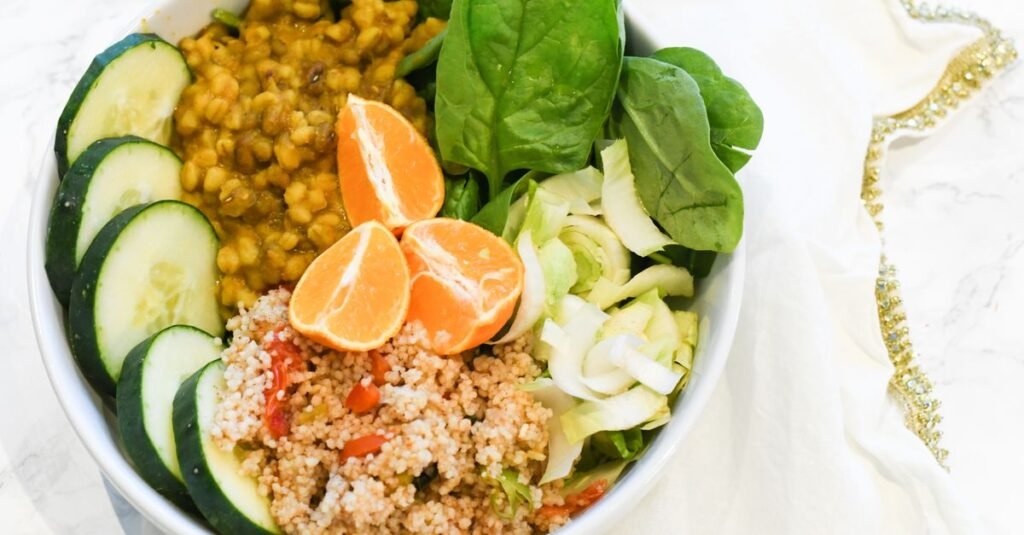
Legumes and dal: Moong, masoor, chana, rajma, and toor dal are the backbone of a vegetarian protein strategy. A bowl of dal has roughly 15-18g of protein and pairs well with almost any meal.
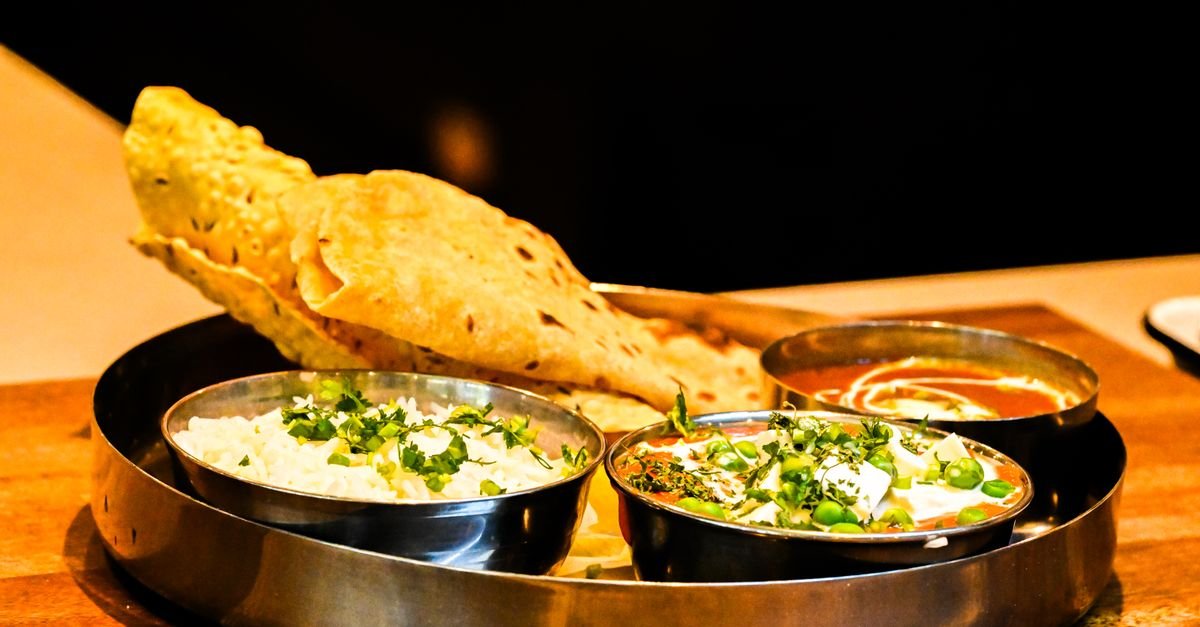
Paneer and dairy: Paneer, curd, and milk are dense, easy protein sources. Paneer especially works well in both Indian and continental-style vegetarian meals.
Soy products: Tofu and soy chunks (soya nuggets) are among the highest-protein vegetarian options available and adapt well to Indian cooking styles — curries, stir-fries, bhurji.
Sprouts: Sprouted moong, chana, and mixed sprouts are low-calorie, high-fibre, and reasonably protein-dense — a strong snack or meal addition.
Nuts and seeds: Almonds, peanuts, chia, and flax add protein and healthy fats in small portions, useful for snacking without derailing a calorie target.
Structuring the Day
Breakfast: Besan or moong dal chilla with vegetables, or a bowl of curd with sprouts. Mid-morning: A small handful of nuts. Lunch: One roti, dal or paneer sabzi, a large portion of vegetables, and salad. Evening: Roasted chana or a protein-based smoothie. Dinner: Tofu or paneer stir-fry with vegetables, lighter and earlier than lunch.
Carbohydrates: Portion, Don’t Fear
Rice and roti aren’t the enemy — unchecked portions are. A single roti or a modest serving of rice alongside a protein-and-vegetable-forward plate keeps energy stable without pushing calories too high. Millets (ragi, jowar, bajra) are a solid swap when you want more fibre for the same comfort-food feel.
Common Gaps in Vegetarian Weight-Loss Diets
Iron and B12 are the two nutrients vegetarian diets most often fall short on, especially with a calorie deficit layered on top. Leafy greens and jaggery help with iron; B12 often needs supplementation since it’s primarily found in animal products — worth discussing with a doctor if you’ve been vegetarian long-term.
Pairing It With the Right Plan for You
A vegetarian diet plan works best when it’s matched to your actual routine — someone training regularly needs meaningfully more protein than someone who’s mostly sedentary, and someone managing a condition needs different adjustments again. If you eat a Kerala-style diet, our Kerala diet for weight loss guide adapts these same protein principles regionally, and our broader indian vegetarian meal plan walks through a full week’s structure.
This is where working with an online weight loss trainer changes the outcome — getting your protein target, portions, and meal timing calibrated to your body rather than following a generic vegetarian chart that was written for someone else.
Building Complete Protein Without Meat or Eggs
The most common gap in vegetarian weight-loss diets is protein falling short of target, not calories being too high. Dal alone, eaten in typical portions, often provides less protein than people assume — a cup of cooked dal has roughly 7-9g, meaning you’d need several cups daily to hit a reasonable target through dal alone. Combining paneer, curd, tofu, and legumes across the day, rather than relying on one source, closes this gap more reliably. A useful benchmark: aim for a palm-sized protein source (paneer, curd, sprouts, or a dal-rich preparation) at each of your three main meals, not just at lunch or dinner.
Soy-based options (tofu, soy chunks) are worth including specifically because they’re a complete protein source, unlike most other plant proteins which are missing one or more essential amino acids individually — combining dal with rice, or roti with rajma, addresses this same gap through food pairing.
Managing Fibre-Related Bloating on a Higher-Legume Diet
Vegetarian diets naturally lean heavily on legumes (dal, rajma, chole) for protein, and a sudden increase in fibre intake from these foods can cause temporary bloating or digestive discomfort, especially if your prior diet was lower in fibre. Increasing legume intake gradually over 1-2 weeks, rather than all at once, and ensuring adequate water intake alongside, typically resolves this adjustment period. Soaking dals and legumes for several hours before cooking, and cooking them thoroughly, also reduces the compounds responsible for most of this initial digestive discomfort.
Timing Protein Across the Day for Better Results
Hitting your daily protein target on paper doesn’t guarantee your body uses it well. Most vegetarian diets I review end up heavily back-loaded — a light breakfast of poha or a plain paratha, a moderate lunch, and then most of the day’s protein arriving at dinner as paneer or dal. The problem is that muscle protein synthesis responds best to protein spread across three to four meals, roughly 20-30 grams each, rather than one large dose at night.
A vegetarian breakfast that leans on protein — besan chilla or a moong dal cheela with curd, instead of just poha or upma — changes how the rest of the day goes. You stay fuller into the late morning, you’re less likely to reach for biscuits with your 11 am chai, and by the time lunch arrives you’re eating out of hunger rather than habit.
This matters even more for anyone strength training alongside their diet, since muscle retention during a calorie deficit depends partly on that even distribution. It doesn’t require weighing every gram — just a rough habit of asking where the protein is in a meal at breakfast and lunch, the same way most people already do at dinner.
Navigating Restaurants, Tiffin Services, and Eating Out as a Vegetarian
A lot of vegetarian weight-loss plans look perfect on a printed sheet and fall apart the first time a client eats three meals a week from a tiffin service or a work cafeteria. Standard vegetarian tiffins are usually carbohydrate-heavy and protein-light — two-three rotis, a vegetable sabzi cooked in a fair amount of oil, rice, and a thin dal that’s more water than lentil. It’s not a bad meal, but it won’t get you to your protein number on its own.
If a tiffin or restaurant meal is unavoidable, the fix is usually simple: ask for extra dal or add a side of curd, and go easy on the rice-roti combination rather than having both in full portions. At restaurants, paneer, soya chunks, or a dal preparation ordered as a side, rather than swimming in butter and cream, gives you a protein anchor the rest of the meal can build around.
The other habit worth building is keeping a small protein backup on hand — roasted chana, a tin of sprouts, or a protein bar you trust the label on — for the days the tiffin runs light or lunch gets delayed. It’s a small thing, but it’s usually the difference between a client who stays consistent through a busy work month and one whose diet only works when life cooperates.
Staying Vegetarian and On Track During Navratri and Other Fasting Days
Fasting periods like Navratri, Ekadashi, or personal vrat days throw most vegetarian weight-loss plans off completely, and I see it every year with clients around September and October. The usual culprit isn’t the fasting itself, it’s what replaces regular meals: sabudana khichdi swimming in ghee, deep-fried aloo, kuttu ke pakode, and a steady stream of makhana roasted in more oil than it needs. These foods aren’t forbidden, but they’re calorie-dense in ways that are easy to underestimate, and a plate of sabudana vada can carry more calories than a full regular thali.
The good news is that fasting-friendly eating overlaps with weight loss principles more than people assume, once you adjust the preparation. Singhare ka atta, kuttu ka atta, and rajgira are all reasonable carbohydrate bases, similar in effect to regular atta, so the issue is rarely the flour itself, it’s how much oil goes into frying the roti or puri made from it. Dry-roasting makhana instead of frying it in ghee cuts a significant chunk of calories while keeping the crunch, and a bowl of makhana kheer made with less sugar and skimmed milk can replace a heavier dessert without leaving you feeling deprived during a festival period.
Protein is the part that needs the most planning during fasting days, since paneer, dahi, and milk remain permitted in most fasting traditions and become your main lever. A generous bowl of curd with roasted cumin, or paneer lightly sautéed with rock salt and cumin instead of deep-fried, keeps you full through a long fasting day far better than sabudana alone, which digests quickly and leaves you hungry within two hours. If you’re doing a single meal a day during Navratri, structure that one meal around paneer or dahi plus a moderate portion of singhare or kuttu roti and a vegetable like lauki or arbi, rather than filling the entire plate with fried snacks because it feels like a special occasion.
The bigger mistake I see isn’t the fasting food itself, it’s the mindset that nine days of vrat means nine days where normal rules don’t apply, followed by a full return to regular eating with the fasting weight already regained through fried snacking. If you’re observing multiple fasting days across the month or through a nine-day stretch, treat it the same way you’d treat any other week on this plan: build meals around what’s allowed, control the oil, prioritise the protein sources you do have access to, and don’t let a religious observance quietly turn into two weeks of fried food disguised as discipline. A useful habit I give clients ahead of any fasting stretch is to decide their protein source and vegetable for each day in advance, so they’re not standing in the kitchen at 8 pm deciding between kuttu puri and sabudana vada purely because nothing else is ready to eat.
Frequently Asked Questions
How does a vegetarian diet plan for weight loss work?
It works by prioritising plant-based protein sources (dal, paneer, soy, sprouts) to preserve muscle and manage hunger, while portioning carbohydrates rather than eliminating them.
Is a vegetarian diet plan for weight loss safe?
Yes, when protein, iron, and B12 needs are accounted for. Vegetarian diets that rely too heavily on refined carbs without enough protein are less effective and can leave you more fatigued.
How long does a vegetarian diet plan for weight loss take to show results?
Most people see initial changes in energy and digestion within 2 weeks, with visible weight change typically by week 4-6 when paired with consistent activity.
Can beginners try a vegetarian diet plan for weight loss?
Yes — this is a very approachable starting point for most Indian households, since it builds on familiar staples rather than introducing an entirely new way of eating.
Ready to Build a Vegetarian Plan Around Your Needs?
Generic vegetarian charts assume a one-size-fits-all protein target. A FitStrot online weight loss trainer calculates yours specifically, structures your meals around it, and adjusts weekly based on your actual progress.